Key Takeaways
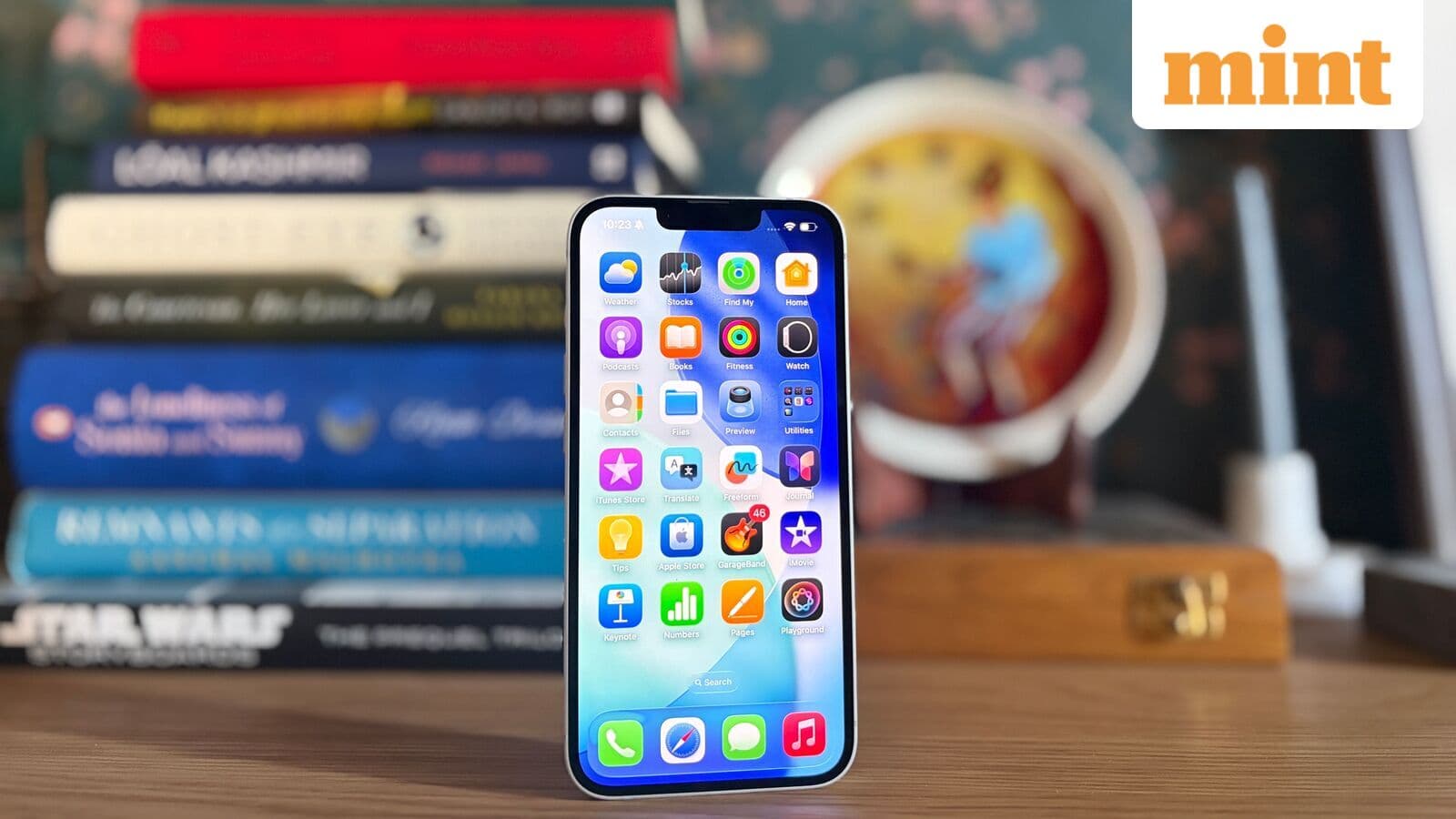
- iPhone 18 and 18e reportedly get 9GB RAM using a 1.5GB × 6-die configuration, up from 8GB on current models
- Both standard models will run on a 2nm A20 chip, while Pro variants get an A20 Pro with 15% faster performance
- Apple confirmed some advanced on-device AI features require 12GB RAM, meaning even iPhone 18 may miss out on certain capabilities
Apple plans to bump the iPhone 18's RAM to 9GB, up from 8GB on current models, according to supply chain analyst Ming-Chi Kuo. The upgrade signals Apple's intent to make on-device AI the defining feature of its next smartphone generation, though the unusual memory configuration raises questions about the company's technical constraints.
Kuo, who tracks Apple's supply chain through TF International Securities, reported that both the iPhone 18 and the lower-cost iPhone 18e will ship with 9GB of RAM using a 1.5GB × 6-die configuration. That's a departure from the 2GB × 4-die setup found in the iPhone 16 lineup. Apple is expected to launch both phones next spring, breaking from its traditional September release cycle for the standard model.
Why the strange memory configuration?
The six-die RAM arrangement is unusual. Most smartphones use four or eight memory dies for cleaner capacity scaling. A 1.5GB × 6 setup suggests Apple is optimizing for something specific, likely power efficiency or memory bandwidth patterns suited to AI workloads. It's a 12.5% capacity increase over the current 8GB, but the architecture change may matter more than the raw gigabyte gain.
Both phones will reportedly run on Apple's A20 chip built on TSMC's 2nm process. The Pro models, due in September alongside a rumored iPhone Ultra or foldable, get the A20 Pro variant. Previous leaks peg the Pro chip at 15% faster performance and 30% better power efficiency than its predecessor.
The 12GB problem Apple hasn't solved
Here's the catch: Apple confirmed after WWDC 2026 that some advanced on-device AI features require a minimum of 12GB RAM. The iPhone 18's 9GB falls short. That means the standard iPhone 18, despite its RAM upgrade, will still lack access to the most demanding Apple Intelligence capabilities. Only the Pro models, likely shipping with 12GB or more, will run the full suite.
This creates a persistent gap in Apple's lineup. The company introduced Apple Intelligence with an 8GB floor, instantly obsoleting hundreds of millions of older iPhones. Now it's raising the bar again before the technology has fully rolled out. Users buying the cheaper iPhone 18 or 18e will get most AI features, but not all.
iOS 27 brings deeper AI integration
Kuo noted that iOS 27, unveiled at WWDC 2026, will feature tighter system-level integration with Apple Intelligence. The update includes a revamped Siri, AI-powered enhancements to Camera and Photos, and a dedicated Siri chatbot app. Many features run locally, which explains Apple's push for more on-device RAM.
Running large language models on-device is RAM-intensive. Every gigabyte matters when you're executing inference locally rather than offloading to the cloud. Apple's privacy-first approach to AI requires capable hardware, and the company is clearly prioritizing that path over cloud-dependent alternatives.
Other reported iPhone 18 changes
- A slimmer Dynamic Island, first appearing on iPhone 18 Pro in September, then coming to the standard model
- Brighter display, though the standard model may use a lower-spec panel than the Pro
- Second-generation C2 modem with faster mmWave 5G and a privacy-focused Limit Precise Location feature
- 24MP selfie camera upgrade from the current sensor
- Simplified Camera Control button with pressure sensing only, removing capacitive touch
The standard iPhone 18 may also share more components with the iPhone 18e to keep manufacturing costs down. Reports suggest a version of the A20 chip with fewer GPU cores for the non-Pro models. Apple appears to be widening the gap between its standard and Pro tiers.
Logicity's Take
The 9GB figure is interesting precisely because it's awkward. Apple doesn't do awkward without reason. The six-die configuration likely reflects supply constraints or a deliberate trade-off between cost and performance. For enterprise buyers, the real question is whether 9GB buys meaningful on-device AI capability or just marketing cover. Samsung's Galaxy S25 Ultra ships with 12GB. Google's Pixel 9 Pro has 16GB. Apple is still playing catch-up on raw specs, betting its silicon efficiency can close the gap.
What this means for Apple's AI timeline
Apple Intelligence launched over two years after ChatGPT and well behind Google's Gemini integration in Android. The company has been playing catch-up, constrained by hardware decisions made years earlier. Bumping RAM on the iPhone 18 is less a leap forward than an attempt to close ground.
The spring 2027 launch, if accurate, would give Apple Intelligence nearly two years to mature before the iPhone 18 arrives. By then, on-device AI should be table stakes. The question is whether 9GB is enough to run next-generation models, or whether Apple will again find itself behind.
Frequently Asked Questions
How much RAM will iPhone 18 have?
According to analyst Ming-Chi Kuo, the iPhone 18 will have 9GB of RAM in a 1.5GB × 6-die configuration, up from 8GB on current models.
When will iPhone 18 be released?
Kuo reports Apple will launch the iPhone 18 and iPhone 18e in spring 2027, with Pro models arriving in September 2027.
Will iPhone 18 support all Apple Intelligence features?
Not all of them. Apple confirmed some advanced on-device AI features require 12GB RAM. The iPhone 18's 9GB means certain capabilities will remain exclusive to Pro models.
What chip will iPhone 18 use?
The standard iPhone 18 and 18e will use the A20 chip on a 2nm process. Pro models get the A20 Pro with approximately 15% better performance.
Another major tech company betting big on AI chip development
Need Help Implementing This?
Planning your organization's mobile device strategy around upcoming hardware? Logicity connects you with enterprise mobility consultants who can help you evaluate upgrade cycles, AI capability requirements, and fleet management decisions. Contact our team for tailored guidance.
Source: mint / Aman Gupta
Manaal Khan
Tech & Innovation Writer
Produced with AI assistance and reviewed by the Logicity editorial team. Learn more in our Editorial Policy.