Key Takeaways
- iPhone 18 Pro may start at $1,099 in the US, absorbing manufacturing cost increases
- A20 Pro chip built on TSMC's 2nm process could deliver 30% faster performance
- Under-display Face ID may shrink Dynamic Island by up to 35%
Apple's iPhone 18 Pro series won't arrive until September, but leaks have already painted a clear picture of what's coming. The expected upgrades span the processor, display, camera design, and color options. Here's what we know from multiple tipsters and analysts.
Pricing: US Holds, India May Rise
Current leaks suggest Apple plans to absorb recent manufacturing cost increases rather than pass them to US buyers. The iPhone 18 Pro could start at $1,099, the same as the iPhone 17 Pro. However, Indian pricing is a different story. The iPhone 17e launched at $599 in the US but saw a price hike in India. The same pattern could repeat with the Pro models.
The base iPhone 18 may not launch alongside the Pro models. Reports indicate it could be pushed to 2026, while the iPhone 18 Pro and a rumored iPhone Ultra or foldable device arrive in September.
Colors: Deep Red Takes the Lead
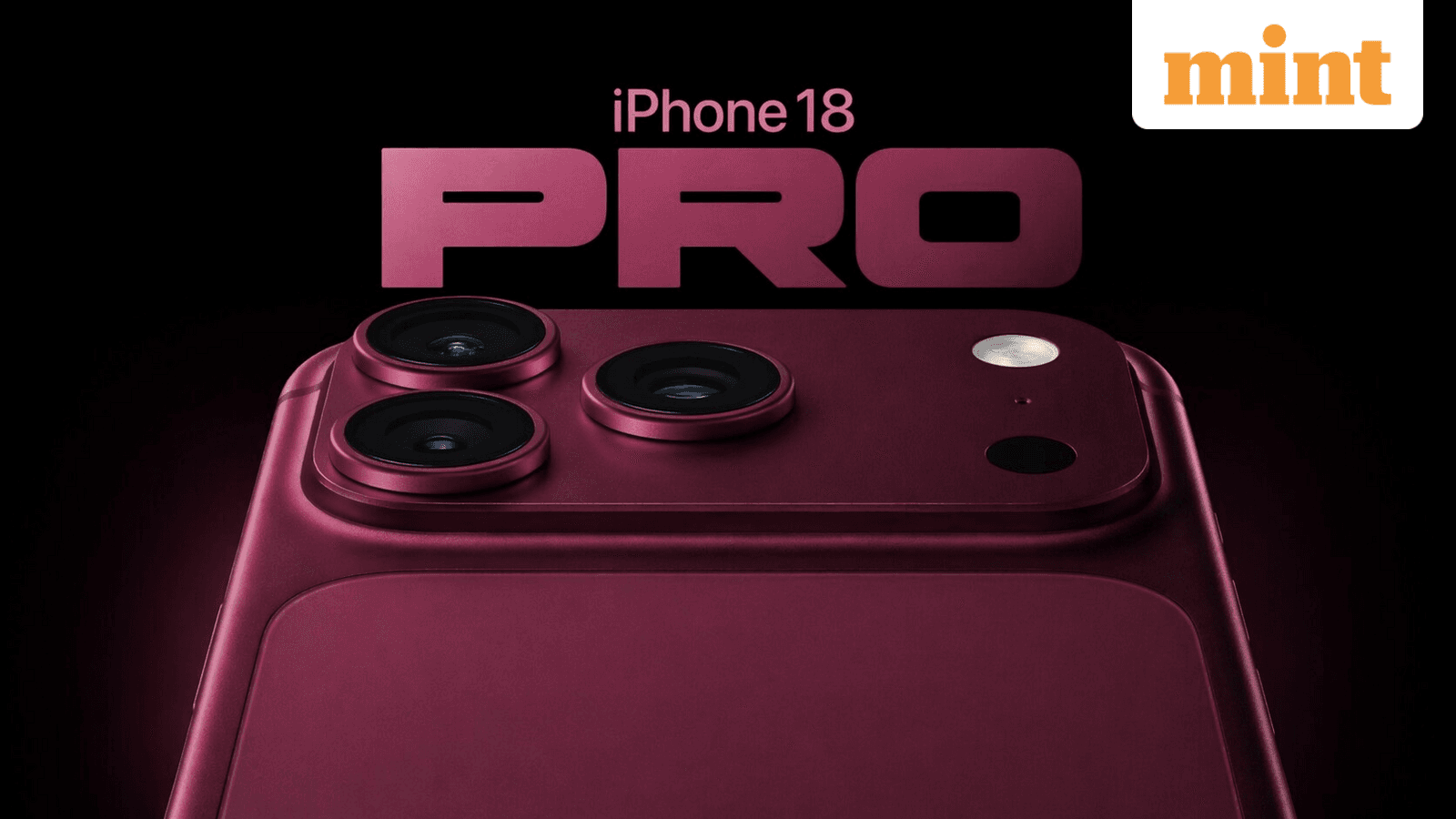
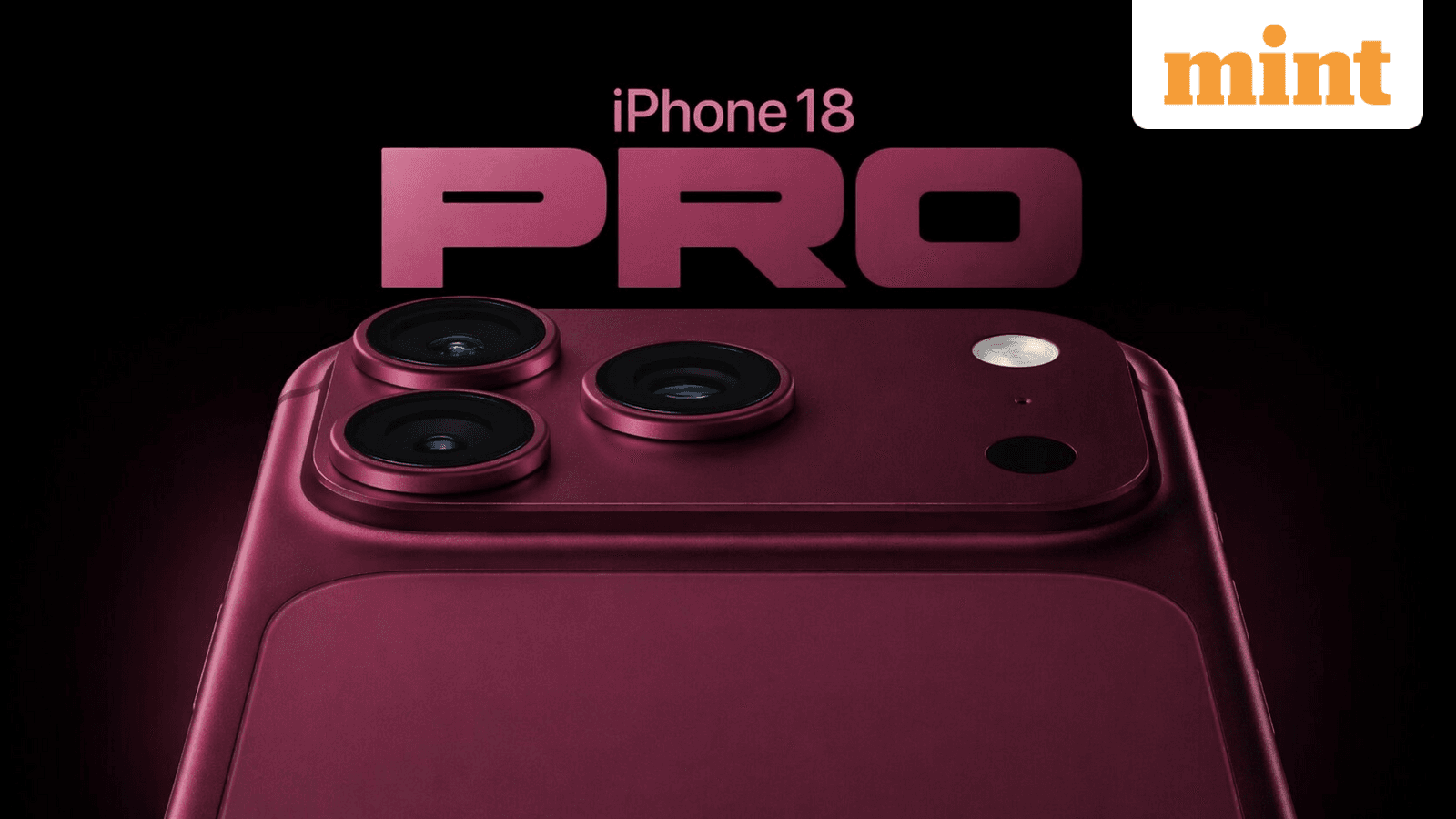
Bloomberg's Mark Gurman reports that Deep Red will replace Orange as the flagship color on the iPhone 18 Pro lineup. A Macworld report lists four potential colorways using Pantone references: Light Blue (2121), Dark Cherry (6076), Dark Gray (426C), and Silver (427C).
Chinese tipster Ice Universe shared images of what appeared to be camera module components in Black, Silver, Wine Red (Burgundy), and Blue. The color details vary slightly between sources, but red tones appear across all leaks.
Design: Thicker Body, Unified Look
Apple is reportedly fitting a bigger battery in the iPhone 18 Pro series. This change affects the device's thickness and weight. YouTuber Vadim Yuryev shared dummy images showing a thicker camera plateau than the current models. The rear glass may also protrude more around the camera module.
Apple has reportedly worked on reducing the color difference between the rear glass and aluminum frame. The goal is a more unified appearance. Beyond that, the design stays familiar: horizontal camera module, Apple logo centered on the back.
Display: Smaller Dynamic Island
The iPhone 18 Pro is expected to keep its 6.3-inch ProMotion display with 120Hz refresh rate. The big change is under-display Face ID. By moving Face ID components beneath the screen, Apple could shrink the Dynamic Island by up to 35%, according to Ice Universe.
This would mark the most visible change to the iPhone's front design since the Dynamic Island replaced the notch in 2022.
A20 Pro: 2nm Power
The iPhone 18 Pro will likely run on the A20 Pro chipset. This processor is reportedly based on TSMC's 2nm manufacturing process. Expected gains include 30% faster performance and 15% better power efficiency compared to the A19 Pro. The same chip may power the rumored iPhone Ultra.
How software customization has evolved across mobile platforms
What's Missing From the Leaks
Current leaks focus heavily on color, design, and processor. Camera sensor upgrades remain vague beyond the visible changes to the camera plateau's size. Software features, AI capabilities, and iOS 20 details are absent from these early reports.
The iPhone Ultra or foldable device rumored to launch alongside the Pro models has received less detailed coverage. Whether this device materializes in September remains uncertain.
Logicity's Take
Frequently Asked Questions
When will the iPhone 18 Pro be released?
The iPhone 18 Pro series is expected to launch in September 2025, following Apple's traditional release schedule.
How much will the iPhone 18 Pro cost?
Leaks suggest a starting price of $1,099 in the US, matching the iPhone 17 Pro. Indian pricing may see an increase.
What chip will the iPhone 18 Pro use?
The A20 Pro chipset, built on TSMC's 2nm process, with expected gains of 30% in performance and 15% in efficiency.
What colors will the iPhone 18 Pro come in?
Expected options include Deep Red (the new lead color), Light Blue, Dark Gray, and Silver. Wine Red and Black variants have also appeared in leaks.
Will the iPhone 18 Pro have a smaller notch?
Yes. Under-display Face ID could shrink the Dynamic Island by up to 35%, according to tipster Ice Universe.
Need Help Implementing This?
Source: mint / Aman Gupta
Huma Shazia
Senior AI & Tech Writer
Produced with AI assistance and reviewed by the Logicity editorial team. Learn more in our Editorial Policy.




