Key Takeaways
- Apple's new on-device AI models require 12GB RAM, up from 8GB last year
- The base iPhone 17 cannot run advanced Siri features like expressive voices locally
- Only iPhone Air, iPhone 17 Pro, and iPhone 17 Pro Max support full on-device AI
Apple's RAM Requirement Jump
Apple has raised the bar for on-device AI. Following WWDC 2026, the company quietly confirmed that its most advanced AI features now require 12GB of RAM. That's a 50% jump from the 8GB threshold set for Apple Intelligence at launch.
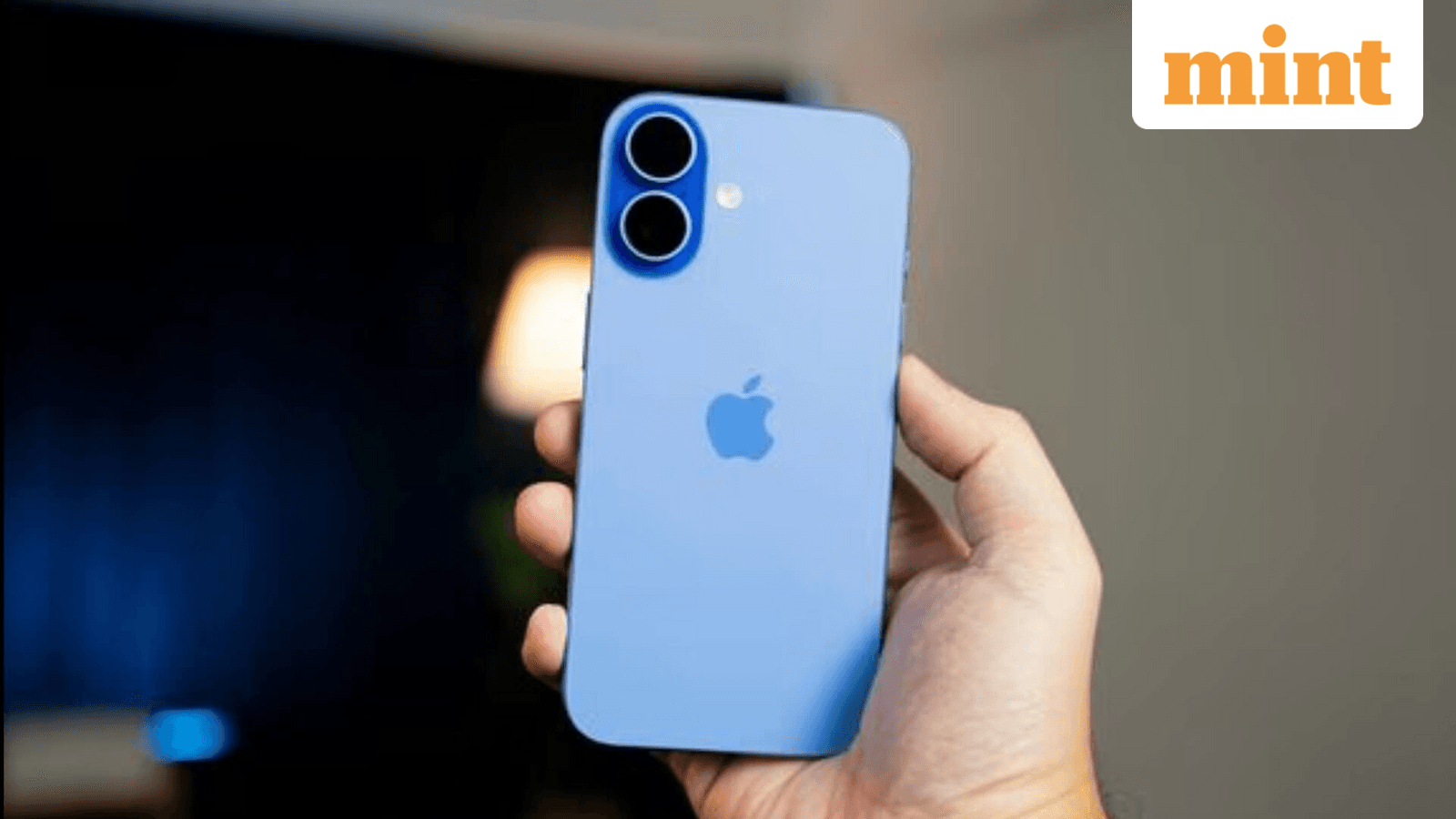
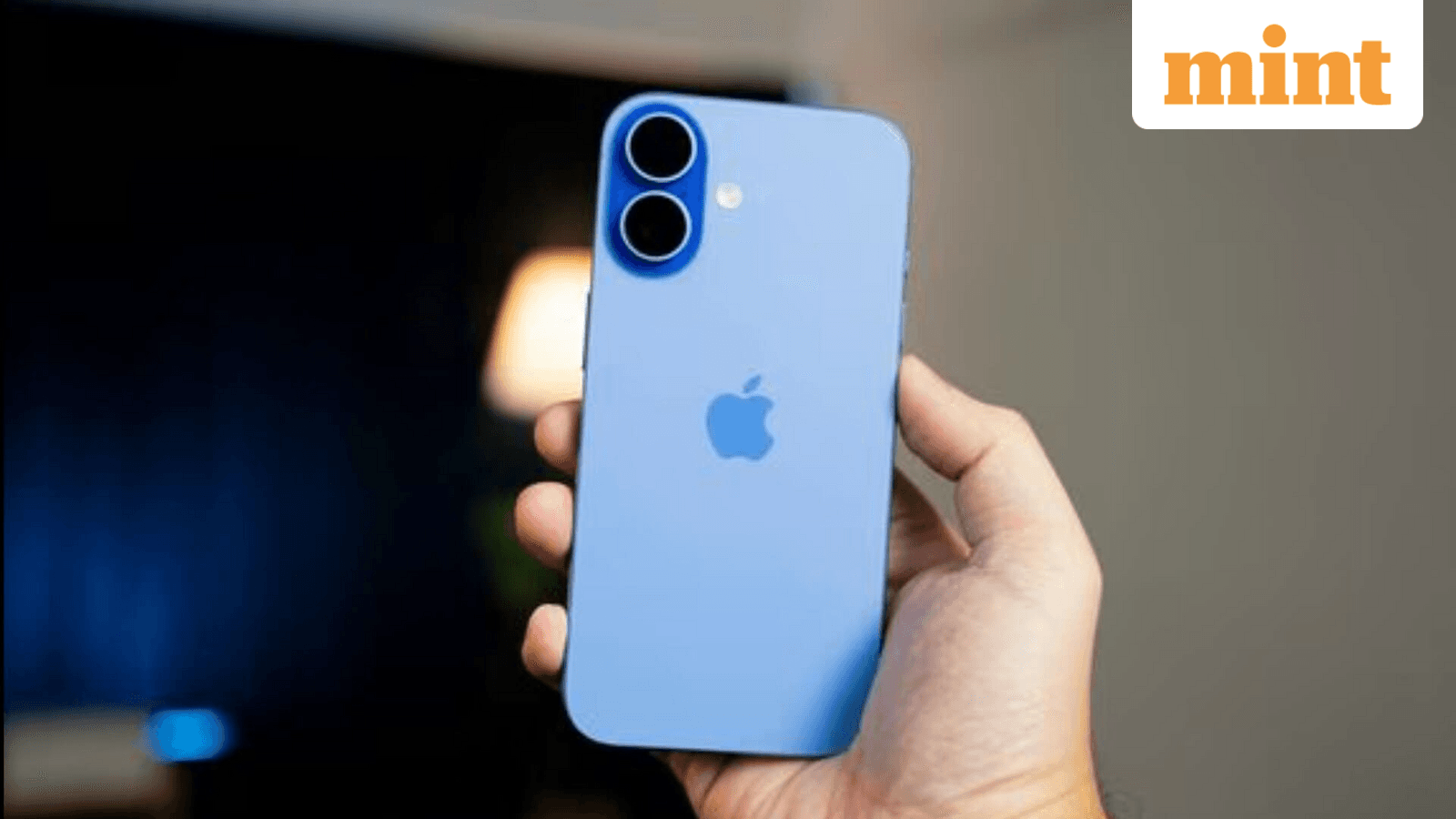
The result: the base iPhone 17 is out. Despite being Apple's newest standard model, it lacks the memory needed to run features like expressive voices and advanced dictation for Siri locally. These capabilities are now exclusive to the iPhone Air, iPhone 17 Pro, and iPhone 17 Pro Max.
What's Restricted on the Base iPhone 17
Apple's press release after the keynote specified which features need the extra memory. The on-device generative AI models powering expressive voices for Siri and advanced dictation won't work locally on devices below the 12GB threshold.
Base iPhone 17 users can still access these features, but not on-device. They'll rely on Apple's Private Cloud Compute infrastructure instead. That means sending voice data to Apple's servers rather than processing everything on the phone itself.
For users who bought the latest iPhone expecting full AI capability, this creates a clear performance and privacy gap between the standard and premium tiers.
The Google Gemini Connection
Apple has partnered with Google to use a custom Gemini model for the latest Siri features. This collaboration could explain the higher RAM requirements, though Apple hasn't provided specific technical details on why the jump from 8GB to 12GB was necessary.
This Isn't Apple's First Hardware Divide
Apple pulled a similar move after WWDC 2024. When the company launched Apple Intelligence, it excluded the iPhone 15 and iPhone 15 Plus from the compatible device list. Those were the newest base models at the time.
The pattern is clear: Apple's AI ambitions outpace its base model hardware. Each generation, the gap between "runs iOS" and "runs full AI features" widens.
Complete breakdown of which Macs support the new AI features
Full Device Compatibility List
Here's what supports Apple's new on-device AI models:
- iPhone Air
- iPhone 17 Pro
- iPhone 17 Pro Max
- iPad with M4 chip or newer
- Mac with M3 chip or newer
The good news for iPad and Mac users is that devices with M3 and M4 chips clear the RAM threshold easily. The limitation primarily affects iPhone buyers choosing between base and Pro models.
iOS 27 Support Is a Different Story
Apple kept the iOS 27 eligibility list unchanged from iOS 26. If your phone ran last year's software, it will run this year's update. The company even added devices from its "Vintage" list, including the iPhone 11 Pro and iPhone 11 Pro Max.
But running iOS 27 and running full Apple Intelligence are now two very different things. An iPhone 11 Pro will get the OS update. It won't get the advanced AI features. Neither will the base iPhone 17.
Community Response
Discussion on r/apple and HackerNews has been critical. Many users describe the 12GB requirement for a base smartphone in 2026 as "planned obsolescence." The main concerns focus on two areas: the long-term viability of the base iPhone 17 for power users, and the privacy trade-offs of cloud processing for features that were marketed as on-device.
An estimated 500+ million devices globally will need to rely on Private Cloud Compute for advanced Apple Intelligence features. That's every iPhone below the new RAM threshold.
The Business Calculation
Apple's approach creates a clear upsell path. Want the full AI experience? Pay for Pro. The base iPhone 17 still handles everyday tasks, runs iOS 27, and works with basic Apple Intelligence features. But the premium experience requires premium hardware.
For organizations deploying iPhones at scale, this complicates procurement decisions. The base model's lower price point looks less attractive when it can't run the AI features Apple is marketing most heavily.
Logicity's Take
Frequently Asked Questions
Can the iPhone 17 run Apple Intelligence at all?
Yes, but only basic features. Advanced capabilities like expressive Siri voices require the iPhone Air, iPhone 17 Pro, or iPhone 17 Pro Max.
Why does Apple now require 12GB RAM for on-device AI?
Apple hasn't given specific technical reasons, but the company has partnered with Google's Gemini for new Siri features, which may demand more memory for local processing.
Will my iPhone 11 get iOS 27?
The iPhone 11 Pro and iPhone 11 Pro Max will receive iOS 27. The standard iPhone 11 was already excluded from iOS 26 and remains unsupported.
What happens if my iPhone can't run on-device AI?
Your device will use Private Cloud Compute, sending data to Apple's servers for processing instead of handling it locally.
Which iPads and Macs support the new on-device AI models?
iPads with M4 chips and Macs with M3 chips or newer support full on-device AI capabilities.
Need Help Implementing This?
Source: mint / Aman Gupta
Manaal Khan
Tech & Innovation Writer
Produced with AI assistance and reviewed by the Logicity editorial team. Learn more in our Editorial Policy.




