Key Takeaways
iOS 27 Public Beta is Out NOW! 10 Features You Need to Try First
- Siri now runs on Apple Foundation Models built on Google's Gemini, with a dedicated chat app for the first time
- The Clean Up tool in Photos has been significantly improved for AI-powered object removal
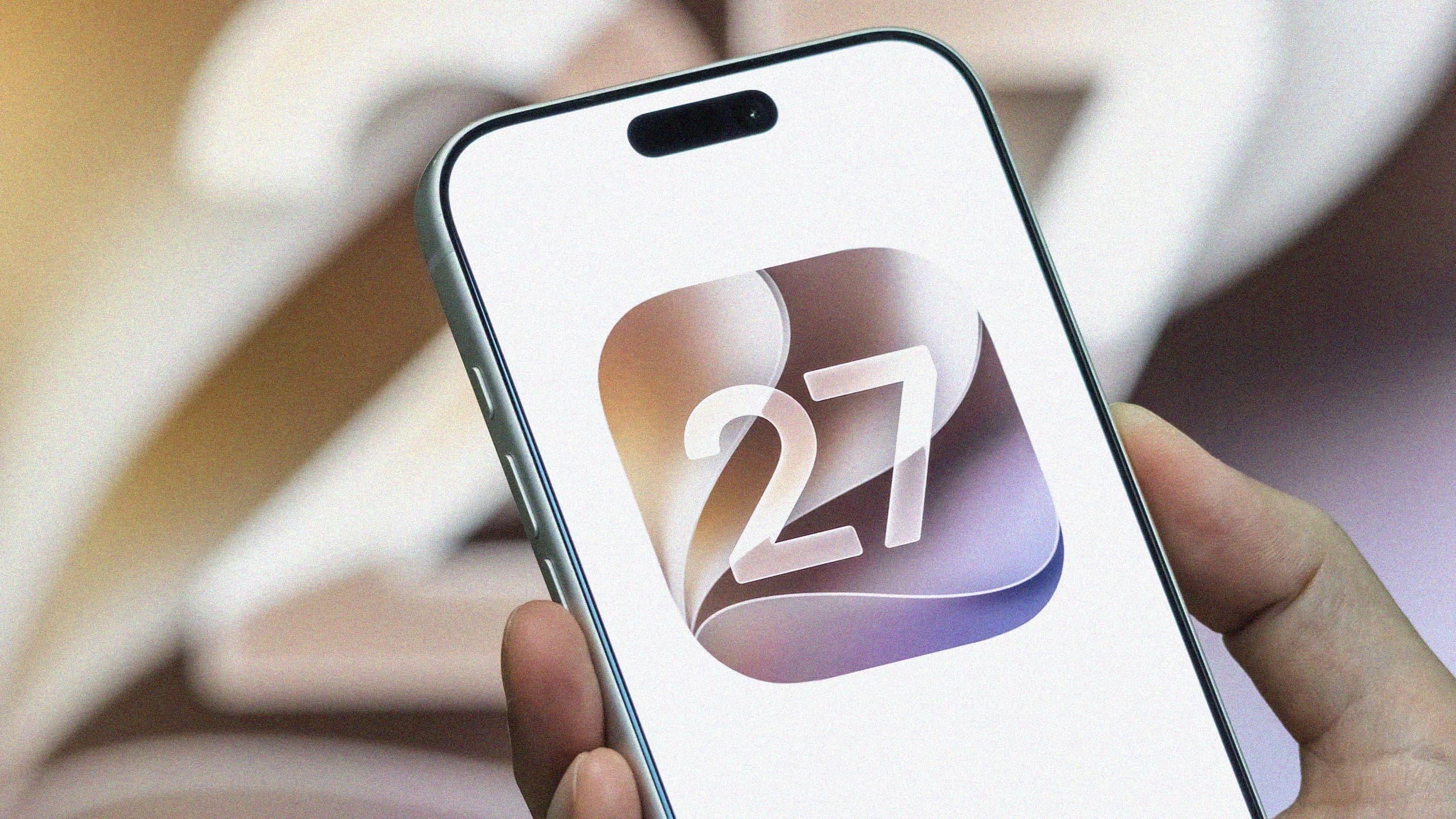
- iOS 27's Liquid Glass design is Apple's biggest visual overhaul since iOS 7 in 2013
Apple released the iOS 27 public beta this week, three months ahead of the general release in September. The update brings a standalone Siri AI app, a rebuilt photo editing tool, and a design overhaul called Liquid Glass. For product teams building on Apple platforms, this beta offers an early look at how Apple is positioning its AI capabilities against Google and OpenAI.
Siri finally gets its own app
The biggest change in iOS 27 is Siri. Apple's assistant has struggled for years with basic requests, lagging behind Google Assistant and Alexa in accuracy and contextual understanding. iOS 27 addresses both problems at once: Siri is now powered by Apple Foundation Models based on Google's Gemini architecture, and it ships with a dedicated app.
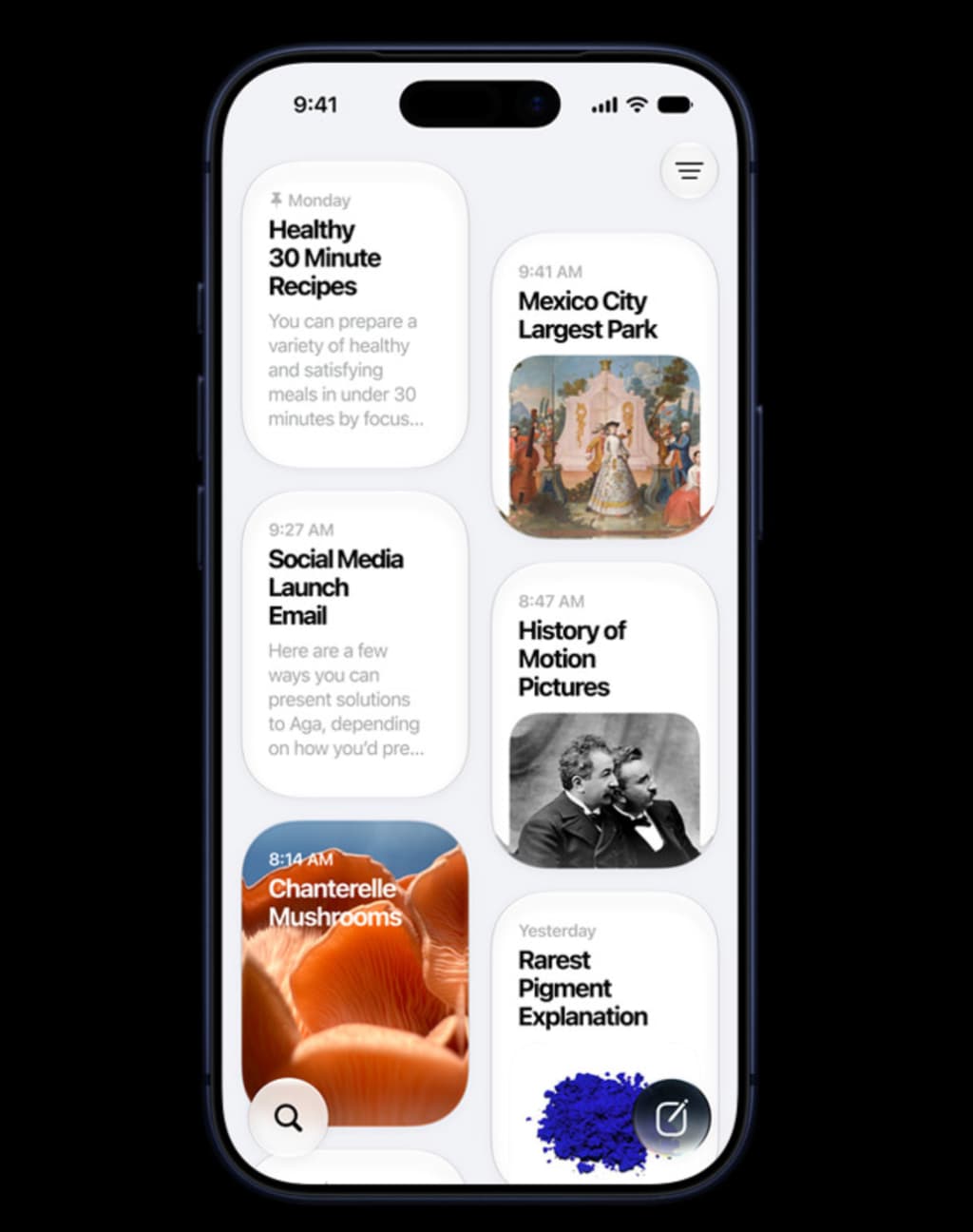
The Siri app works like ChatGPT or Google Gemini. You can type or speak queries, scroll through conversation history, and pick up previous threads. This is a first for Siri. Until now, every interaction has been ephemeral. You asked something, Siri answered (or didn't), and the context vanished. Persistent conversations change that dynamic entirely.
For teams building AI assistants or voice interfaces, Siri's new architecture signals where Apple thinks conversational AI is headed: chat-based, context-aware, and accessible through both voice and text. If you're designing AI experiences for iOS, assume users will now expect conversation memory and cross-session continuity.
Photo editing catches up to third-party tools
The Clean Up tool in the Photos app has been mediocre. Object removal left visible artifacts, struggled with complex backgrounds, and couldn't match what Adobe or Canva offered. iOS 27's Clean Up tool is a genuine improvement. Apple claims it can now handle object removal without the smearing and edge distortion that plagued earlier versions.
This matters for product teams because it raises the baseline. If Apple's default photo tool can cleanly remove a person from a beach photo, users will expect at least that level of quality from any image editing feature you ship. The bar has moved.
Liquid Glass: the first major redesign since 2013
iOS 27 introduces Liquid Glass, a design language built around translucency and depth. Every system UI element, from buttons to navigation bars, now has a glass-like appearance that responds to what's behind it. Apple calls this the biggest visual change since iOS 7, when Jony Ive stripped out skeuomorphism and introduced flat design.
Translucent, layered interfaces require rethinking how you present content. If your app uses custom navigation or overlays, the iOS 27 beta is the time to test whether your elements clash with the new system chrome. Users will notice inconsistencies.
Why the Gemini partnership matters
Apple licensing Google's Gemini models for Siri is a significant shift. Apple has built its brand on vertical integration and in-house technology. Outsourcing the AI backbone of its personal assistant suggests Apple's own models weren't competitive, or at least weren't ready in time.
This doesn't mean Apple is abandoning on-device AI. Apple Intelligence, announced last year, still runs local models for privacy-sensitive tasks. But for the conversational heavy lifting, Siri now depends on Google's infrastructure. Teams building for Apple platforms should expect a hybrid approach: cloud-based reasoning through Gemini, local inference through Apple Intelligence.
How to install the iOS 27 public beta
Anyone can download the iOS 27 public beta from Apple's Beta Software Program. You'll need to sign in with your Apple ID and enroll your device. Beta software can have bugs. Don't install it on your primary work phone unless you're prepared for instability. Use a secondary device for testing.
Apple typically releases the final version of iOS in September alongside new iPhone hardware. The public beta gives developers and curious users about two months of testing before the stable release reaches over a billion iPhones worldwide.
Logicity's Take
Apple's Gemini-powered Siri is a concession that its own LLM efforts couldn't match the competition in time. For AI product teams, this creates an interesting dynamic: Siri will now be good enough that building custom voice assistants for iOS becomes harder to justify. The conversation memory feature alone closes a gap that third-party apps have exploited. Teams building AI tools should test aggressively on the iOS 27 beta. Workflow automation products like [Zapier](https://logicity.in/r/zapier) or [Make](https://logicity.in/r/make) may need to account for deeper Siri integrations. Similarly, AI writing tools such as [Jasper](https://logicity.in/r/jasper) and [Copy.ai](https://logicity.in/r/copy-ai) should expect users to benchmark their mobile experiences against whatever Apple ships in September.
Disclosure
Some links in this post are affiliate links — Logicity earns a commission if you sign up, at no extra cost to you. We only link products we have used or actively recommend.
Frequently Asked Questions
Which iPhones support iOS 27?
Apple has not published a final compatibility list for iOS 27. Based on Apple's pattern of supporting iPhones for roughly eight years, devices from iPhone 12 onward are likely supported. Check Apple's beta program page for confirmed devices.
Is the iOS 27 public beta stable enough for daily use?
Public betas are more stable than developer betas but still contain bugs. Apple warns against installing beta software on primary devices. Battery drain, app crashes, and connectivity issues are common in early beta builds.
What AI models power Siri in iOS 27?
Siri now runs on Apple Foundation Models, which are built on Google's Gemini architecture. This partnership represents Apple's first major use of external AI models for its core assistant.
When will iOS 27 be released to everyone?
Apple typically releases major iOS versions in September, around the same time as new iPhone announcements. The stable iOS 27 release is expected in mid-September 2025.
As Apple integrates more AI into iOS, understanding AI security patterns becomes essential for product teams
Need Help Implementing This?
Building AI features for iOS 27? Logicity can connect you with developers who specialize in Apple platform integration and conversational AI. Contact us at hello@logicity.in.
Source: Fast Company / Michael Grothaus
Manaal Khan
Tech & Innovation Writer
Produced with AI assistance and reviewed by the Logicity editorial team. Learn more in our Editorial Policy.