Key Takeaways
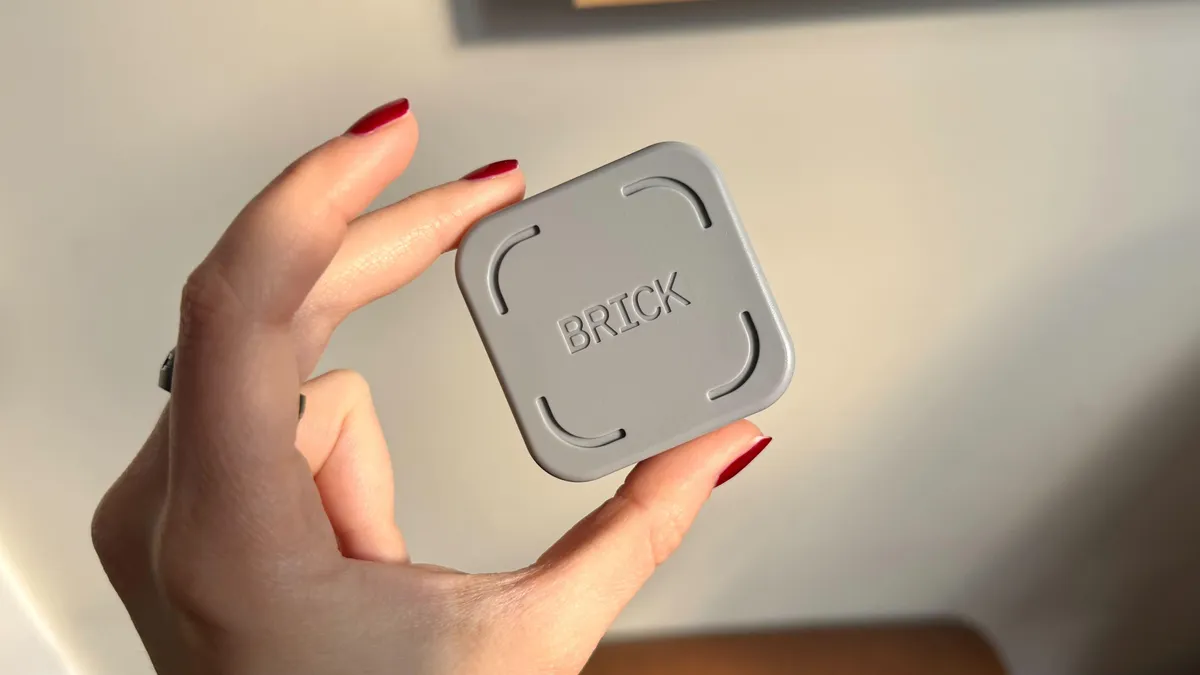
- Brick is a $65 magnetic device that blocks specific apps on your iPhone, now available on Amazon
- The positive reinforcement approach works better than Apple's built-in Screen Time limits
- Physical friction (placing the device away from your desk) creates lasting behavior change
A small gray magnetic cube called Brick has done what Apple's Screen Time, app blockers, and sheer willpower couldn't: it broke the cycle of deleting and redownloading social media apps that many smartphone users know too well. After six months of testing, ZDNET editor Nina Raemont reports the $65 device genuinely changed her relationship with her phone.
The concept is simple. Download the Brick app, select which apps you want to block, then stick the magnetic square on your fridge or somewhere far from your desk. When you want to use a blocked app, you have to physically walk to the Brick and tap your phone against it. The friction is the point.
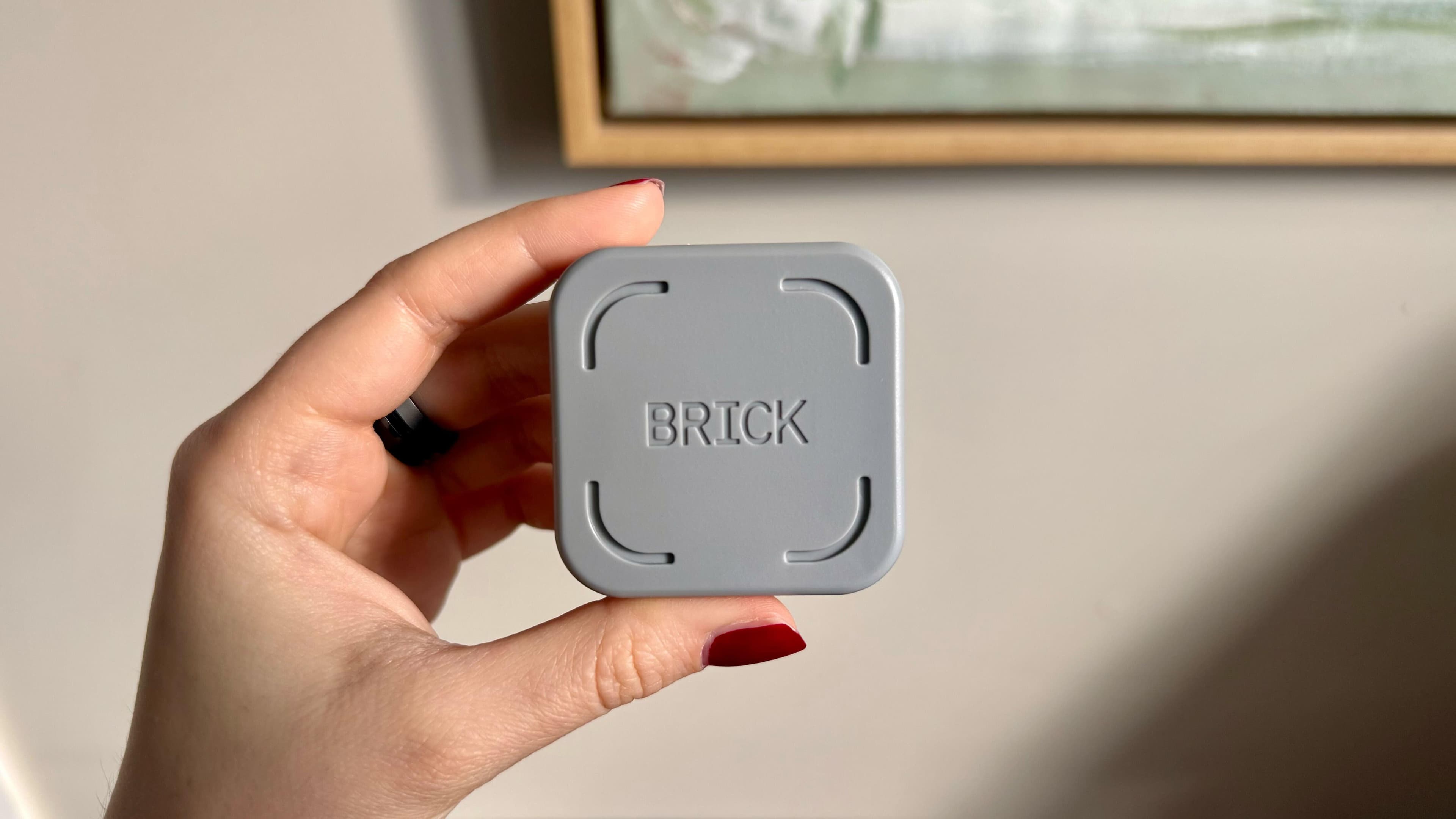
Why does physical friction work when software limits fail?
Screen Time limits are easy to override. You tap "Ignore Limit" and you're back to scrolling. Browser-based social media access is just annoying enough to feel like you're doing something, but not inconvenient enough to stop you. Brick takes a different approach: it makes unlocking your apps require physical movement.
Raemont describes the familiar pattern. During tired, lazy weekends, she clocks too many hours on her iPhone until she's disgusted by the waste. Then she deletes social media apps, forces herself to leave the house more, and feels better. A week or two later, the apps are back. Repeat.
The average American spends over four hours daily on their phone. About 47% describe themselves as addicted, according to Pew Research. We touch our phones roughly 2,617 times per day. These numbers suggest the problem isn't lack of awareness or desire to change. It's that digital habits are hard to break with digital tools.
How Brick compares to other digital minimalism options
The market for phone addiction solutions has grown since Cal Newport's 2019 book "Digital Minimalism" popularized the concept. Light Phone ($299) and Punkt ($379) offer stripped-down devices entirely. App blockers like Opal and One Sec add friction within iOS. Brick sits in the middle: keep your iPhone's full functionality for maps, music, and payments, but add physical friction to the problematic apps.
The $65 price point is significant. A Light Phone requires committing to a separate device. Brick lets you experiment without abandoning your existing setup. Amazon is currently offering a $10 discount.
Tristan Harris, former Google design ethicist and co-founder of the Center for Humane Technology, has argued that "we didn't sign up to have a slot machine in our pocket." The attention economy is designed to maximize time spent, not time well spent. Brick's approach accepts this reality and creates an external check on behavior that internal willpower often can't provide.
The productivity case for blocking apps
For tech professionals, the stakes extend beyond personal well-being. Smartphone distractions contribute to an estimated trillion dollars in annual productivity loss across the US economy. Four hours of phone time is four hours not spent on deep work, strategic thinking, or actual rest.
Raemont notes she reaches for her phone most when tired. This pattern is common. The apps engineered to capture attention are most effective when cognitive defenses are lowest. A physical barrier works precisely because it doesn't rely on decision-making in those weak moments.
Logicity's Take
Brick's real innovation isn't the technology. It's the acknowledgment that digital solutions to digital addiction rarely stick. The company is betting on a counter-intuitive truth: the best way to change phone behavior is to add analog friction. At $65, it's cheap enough to test the thesis yourself. Compare that to therapy, coaching apps, or the ongoing productivity drain of checking Instagram 50 times a day. The main risk is you end up with a fancy fridge magnet if it doesn't work for you.
What six months of use actually looks like
Raemont's review emphasizes that Brick's positive reinforcement approach works better than competitors or Screen Time limits. The device doesn't shame you or show scary statistics. It just makes the undesired behavior slightly harder, which turns out to be enough.
The placement matters. Put the Brick near your desk and it's too easy to tap. Put it on the fridge downstairs and you have to decide whether the scroll is worth the walk. Most of the time, it isn't.
This isn't about eliminating phone use. It's about making phone use intentional. You can still check email, respond to texts, use navigation. You just can't mindlessly drift into the apps designed to trap your attention.
Frequently Asked Questions
Does Brick work with Android phones?
Brick is currently designed for iPhone. Android users have fewer options for this type of hardware-based app blocking.
Can you bypass Brick by uninstalling and reinstalling blocked apps?
You could, but the physical act of reinstalling creates enough friction to interrupt the automatic scrolling behavior. The goal isn't perfect lockdown; it's adding intentional friction.
How is Brick different from Apple Screen Time?
Screen Time lets you tap through limits with a single button. Brick requires physically walking to wherever you placed the device, creating real-world friction that's harder to ignore in weak moments.
Is $65 worth it when free app blockers exist?
Free app blockers are software-only, making them easy to override. Brick's physical component is the product. The price is a one-time cost compared to subscription-based alternatives.
Reclaiming phone time often means reconnecting with people directly
Need Help Implementing This?
If your team struggles with digital distraction, Logicity can help evaluate productivity tools and attention management strategies. Reach out to discuss what works for remote and hybrid teams.
Source: Latest news
Huma Shazia
Senior AI & Tech Writer
Produced with AI assistance and reviewed by the Logicity editorial team. Learn more in our Editorial Policy.




