Key Takeaways
- Turkey generated $3 billion in medical tourism revenue in 2025, with aesthetic treatments estimated at one-third of visits
- The global hair transplant market is valued between $7.33 billion and $11.61 billion in 2024
- Turkey's success involves 'hacked' medical equipment and algorithmic craftsmanship, not just low costs
The Numbers Behind Turkey's Hair Transplant Boom
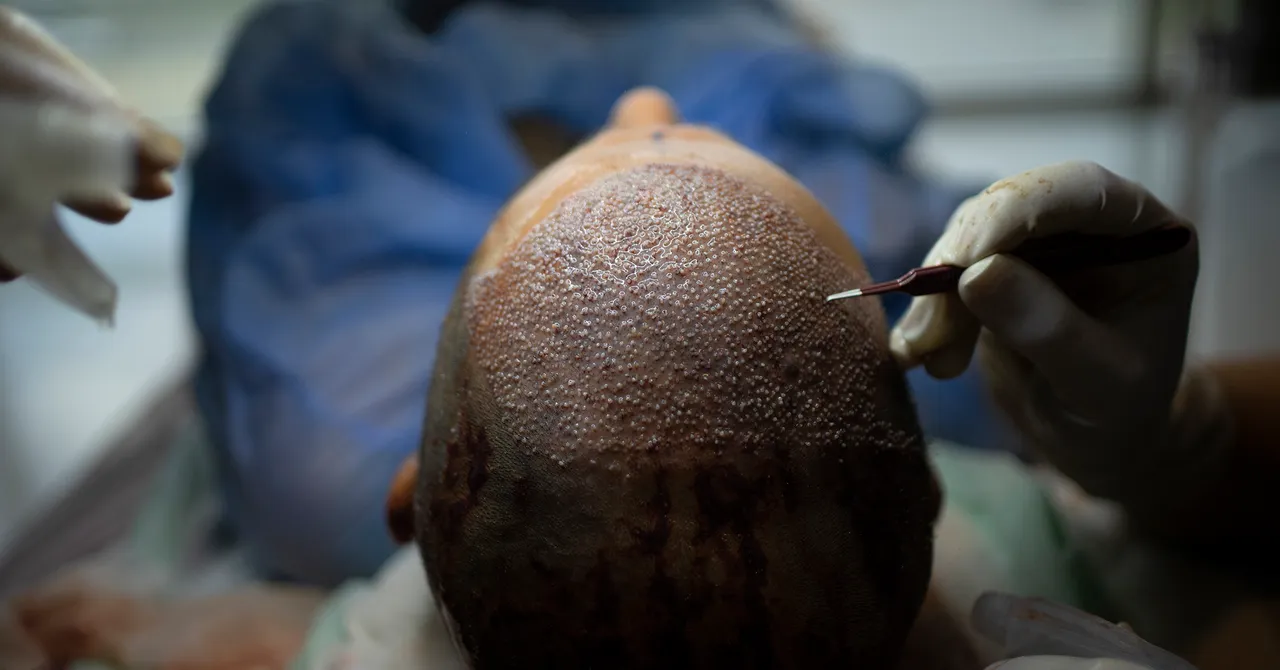
According to Turkey's Ministry of Health, 1.39 million people visited the country for medical treatments in 2025. The revenue from medical tourism reached $3 billion, roughly matching 2024 figures. While no official breakdown exists for hair transplants specifically, estimates suggest one-third of medical tourists came for aesthetic treatments.
The global hair transplant and restoration market sits somewhere between $7.33 billion and $11.61 billion in 2024, according to various research firms. Those figures don't include the underground economy, which adds an unknown but likely substantial amount.
More Than Cheap Labor
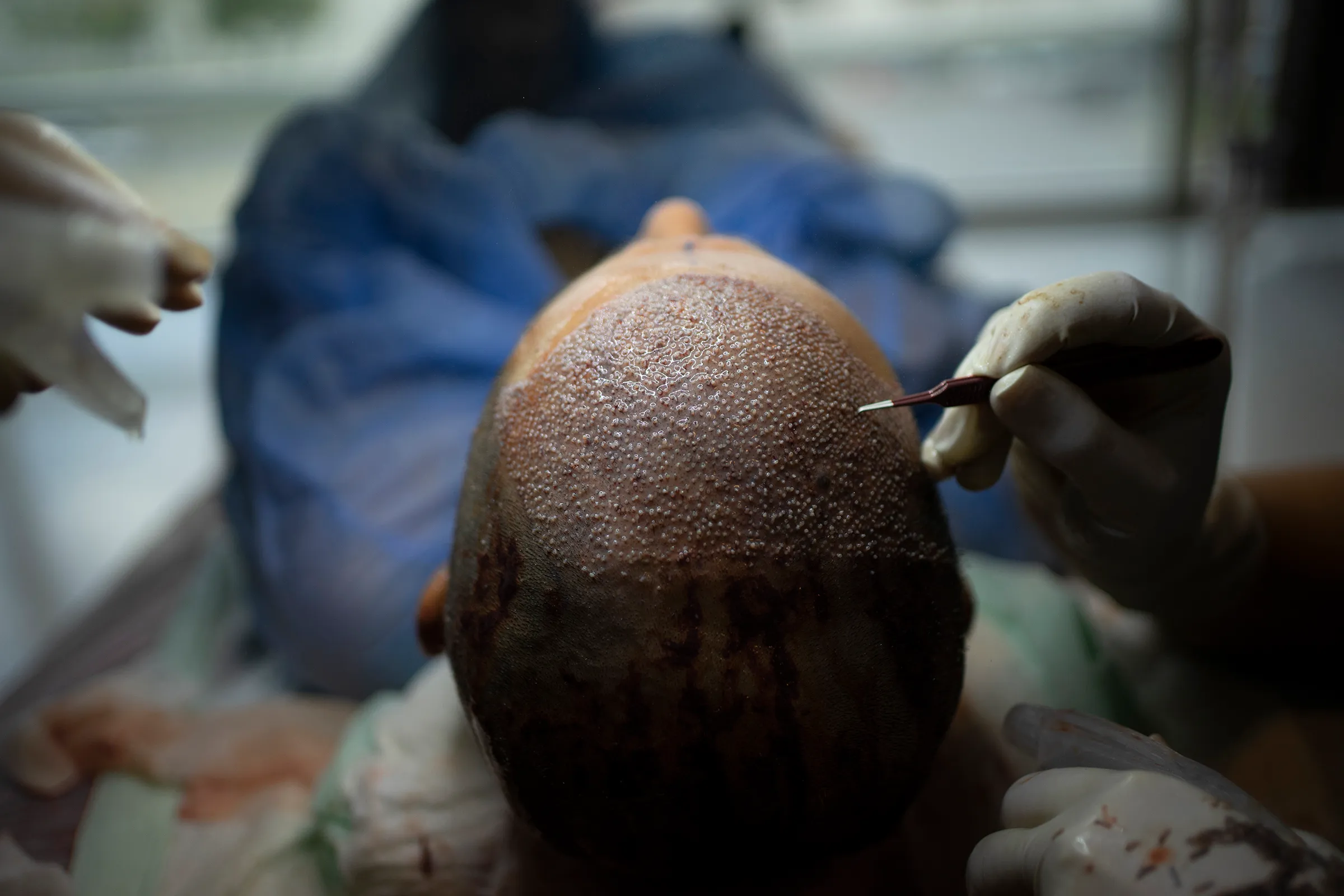
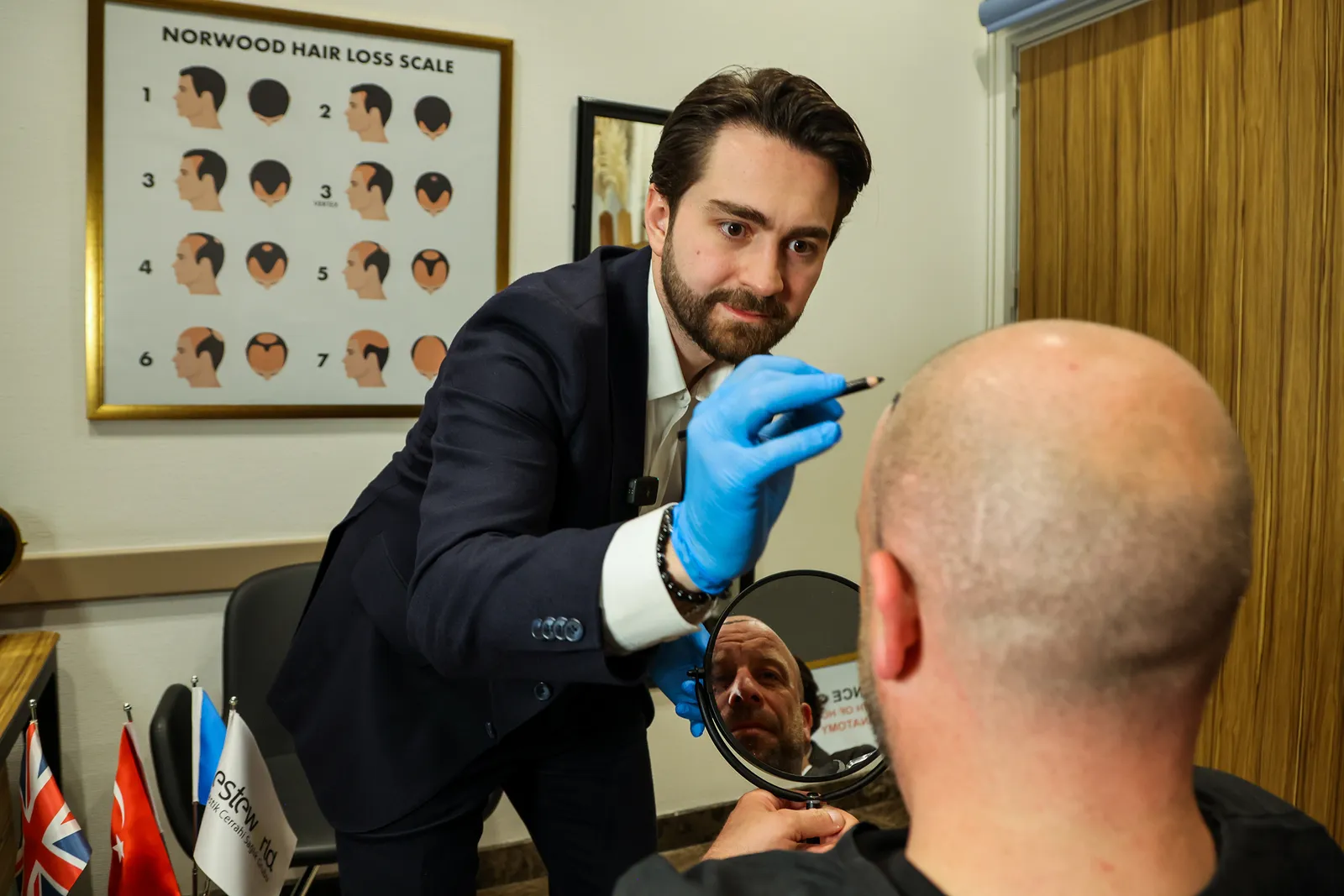
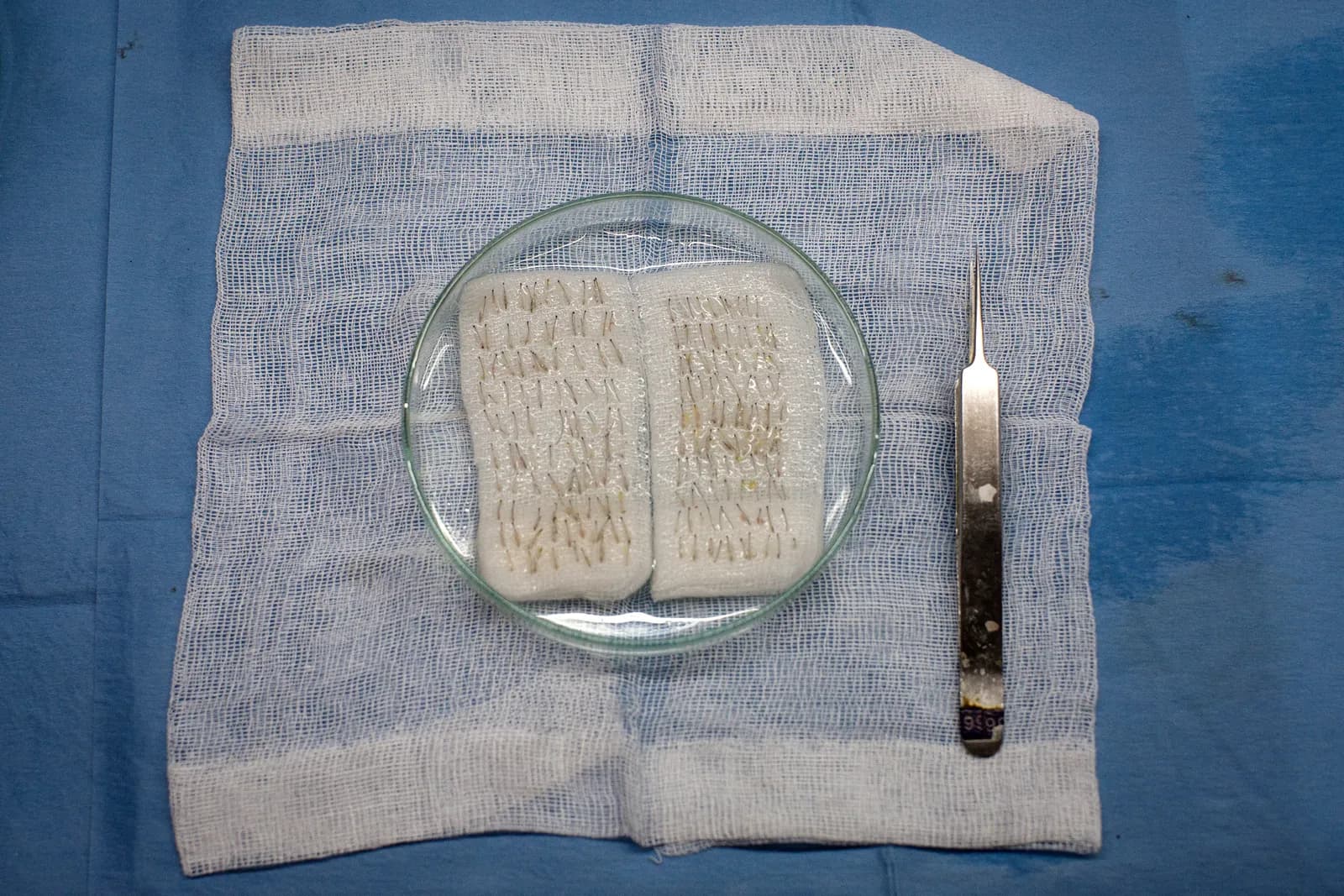
The standard explanation for Turkey's dominance points to affordable labor, low costs, and favorable exchange rates. That explanation is incomplete. The country's success involves what industry observers describe as 'hacked' medical equipment and algorithmic craftsmanship.
Turkish clinics have developed techniques that modify standard equipment and apply systematic, algorithm-driven approaches to hair restoration. This combination of technical innovation and skilled manual work created an industry that competitors struggle to replicate even with similar cost structures.
Cultural Phenomenon
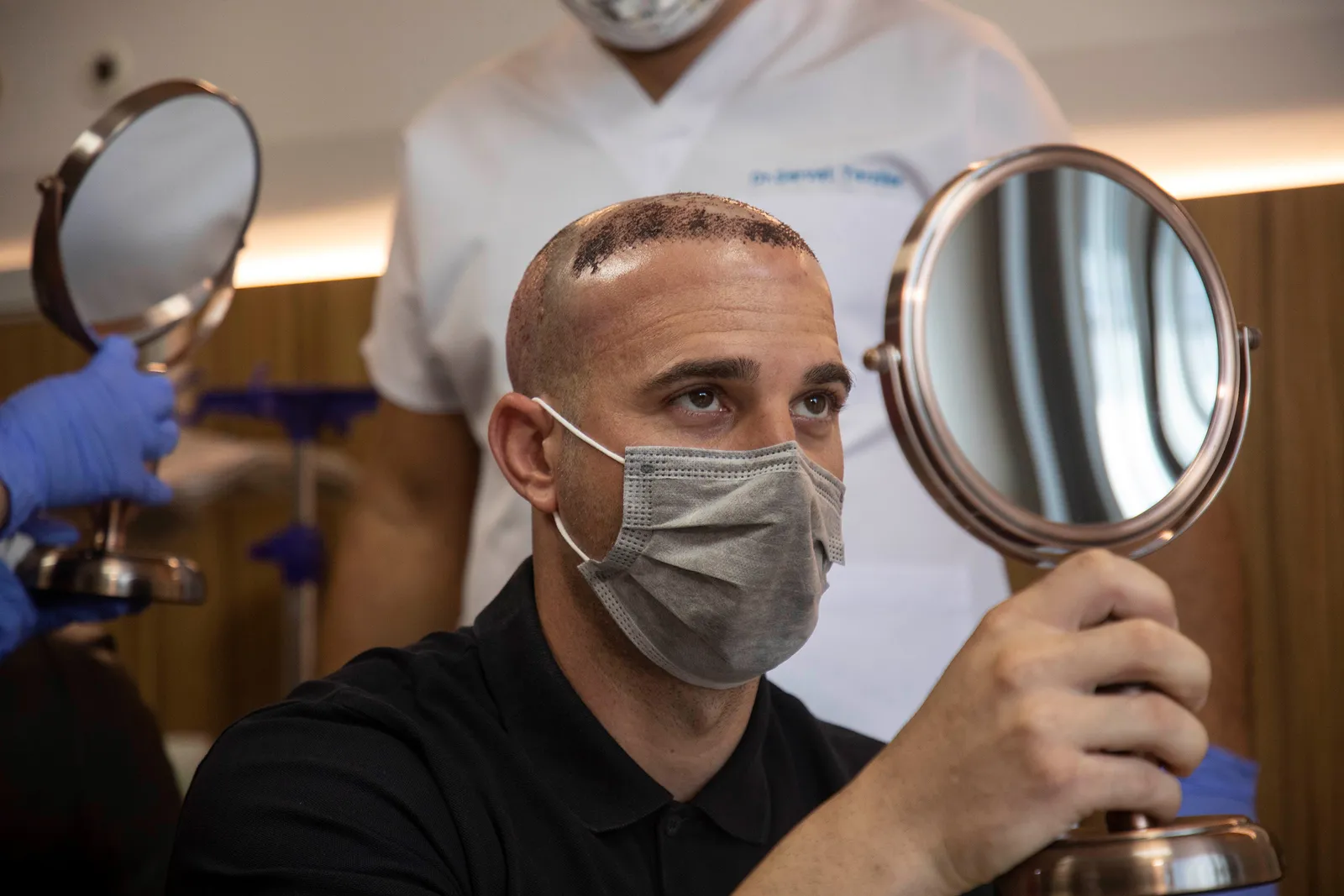
Hair transplants have become so associated with Turkey that Turkish Airlines gets called 'Turkish Hair Lines' or simply 'Turkish Hair.' Istanbul Airport has earned the nickname 'Istanbul Hairport.' These jokes reflect how deeply hair restoration tourism has shaped the country's international image.
The cultural reach extends into sports and entertainment. Last March, a social media user responded to Spanish Prime Minister Pedro Sánchez's foreign policy stance by posting an image of soccer player Andrés Iniesta with long hair, titled 'There won't be a single bald Spaniard left in the world.' The post went viral and made Spanish news headlines.
American basketball star Shaquille O'Neal appeared in Turkcell's 5G ads wearing a long curly wig and joking 'I'm here for a hair transplant.' The campaign featured footage from Turkey's seven regions and is expected to remain in public memory for years.
The Psychology of Hair
From a biological standpoint, human hair is mostly keratin that protects scalps from UV rays and helps regulate body temperature. It's no longer essential for survival. But human perception works differently than biology.
Since ancient times, people have judged health, youth, and fertility based on visual cues: skin radiance, teeth integrity, and hair density. Hair became one of the most powerful representations of identity and self-confidence. It shapes social communications and perceptions in ways that run deeper than conscious thought.
This psychological and evolutionary need created the foundation for a multibillion-dollar global industry. Turkey recognized the opportunity earlier and more completely than competitors.
Logicity's Take
Frequently Asked Questions
How much does Turkey make from medical tourism?
Turkey generated $3 billion in medical tourism revenue in 2025, according to Ministry of Health data. Aesthetic treatments, including hair transplants, account for an estimated one-third of medical tourist visits.
How big is the global hair transplant market?
Research firms estimate the global hair transplant market at between $7.33 billion and $11.61 billion in 2024. This doesn't include underground economy activity.
Why is Turkey dominant in hair transplants?
Turkey's success comes from modified medical equipment, algorithmic techniques, affordable labor, low costs, and favorable exchange rates. The technical innovation piece makes the advantage harder to replicate than pure cost competition.
How many people visit Turkey for medical treatment?
According to Ministry of Health data, 1.39 million people visited Turkey for medical treatments in 2025.
Need Help Implementing This?
Source: Feed: Artificial Intelligence Latest / Levent Daşkıran
Manaal Khan
Tech & Innovation Writer
Produced with AI assistance and reviewed by the Logicity editorial team. Learn more in our Editorial Policy.