Key Takeaways
- Prime Day 2026 runs June 23-27, marking the second consecutive four-day event
- Price trackers like CamelCamelCamel and Keepa reveal whether 'deals' are actually below historical averages
- Best Buy, Target, and Walmart run competing sales with price-matching policies worth checking
Amazon's Prime Day 2026 begins June 23rd at 3:01 AM ET and runs through June 27th. The four-day event promises steep discounts on Echo devices, Fire TVs, Kindles, and products from Sony, Sonos, Bose, Apple, and Anker. But Reddit threads and Hacker News discussions tell a consistent story: many Prime Day "discounts" are calculated from inflated reference prices, not actual historical lows.
The solution is simple. Free browser extensions can show you the price history of any Amazon product before you buy. If a $299 speaker was $299 for the past six months and is now "40% off" from a $499 list price, the tracker exposes that game instantly.
Which price trackers actually work?
Three tools dominate the deal-hunting space, each with different strengths.
CamelCamelCamel and The Camelizer extension
CamelCamelCamel tracks every product sold on Amazon and logs its price history going back years. You set your target price, and the site emails you when the product hits that number. The browser extension, called The Camelizer, displays a price chart directly on Amazon product pages so you can check history without leaving the site.
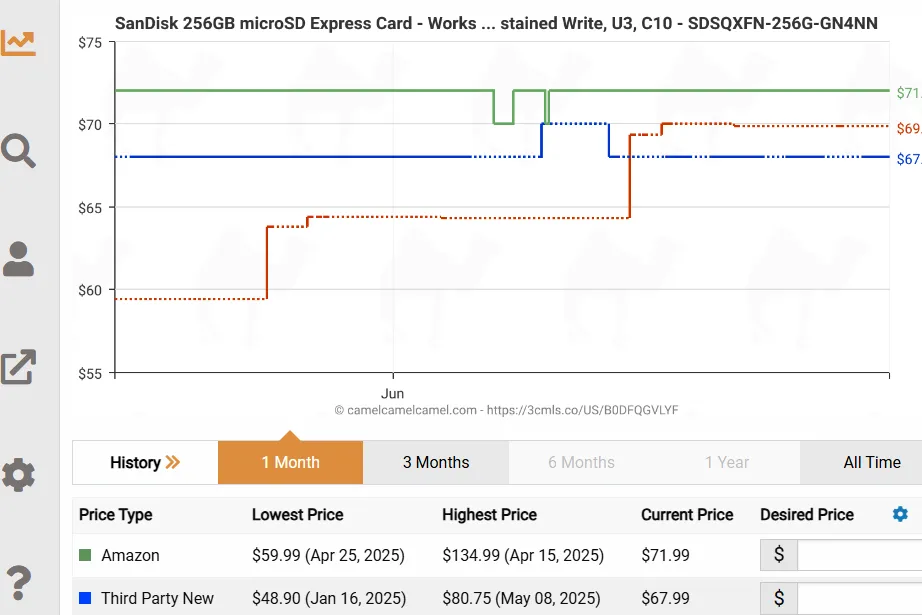
One useful feature: you can import your existing Amazon wishlist into CamelCamelCamel and set alerts for everything at once. The developers also built CamelMart, which does the same thing for Walmart. No browser extension exists for CamelMart yet, but the web version works fine.
Keepa embeds price history into Amazon
Keepa takes a different approach. Instead of overlaying a popup, it injects a price history graph directly into the Amazon product listing. You don't need an account. Install the extension, and the data appears automatically on every product page.
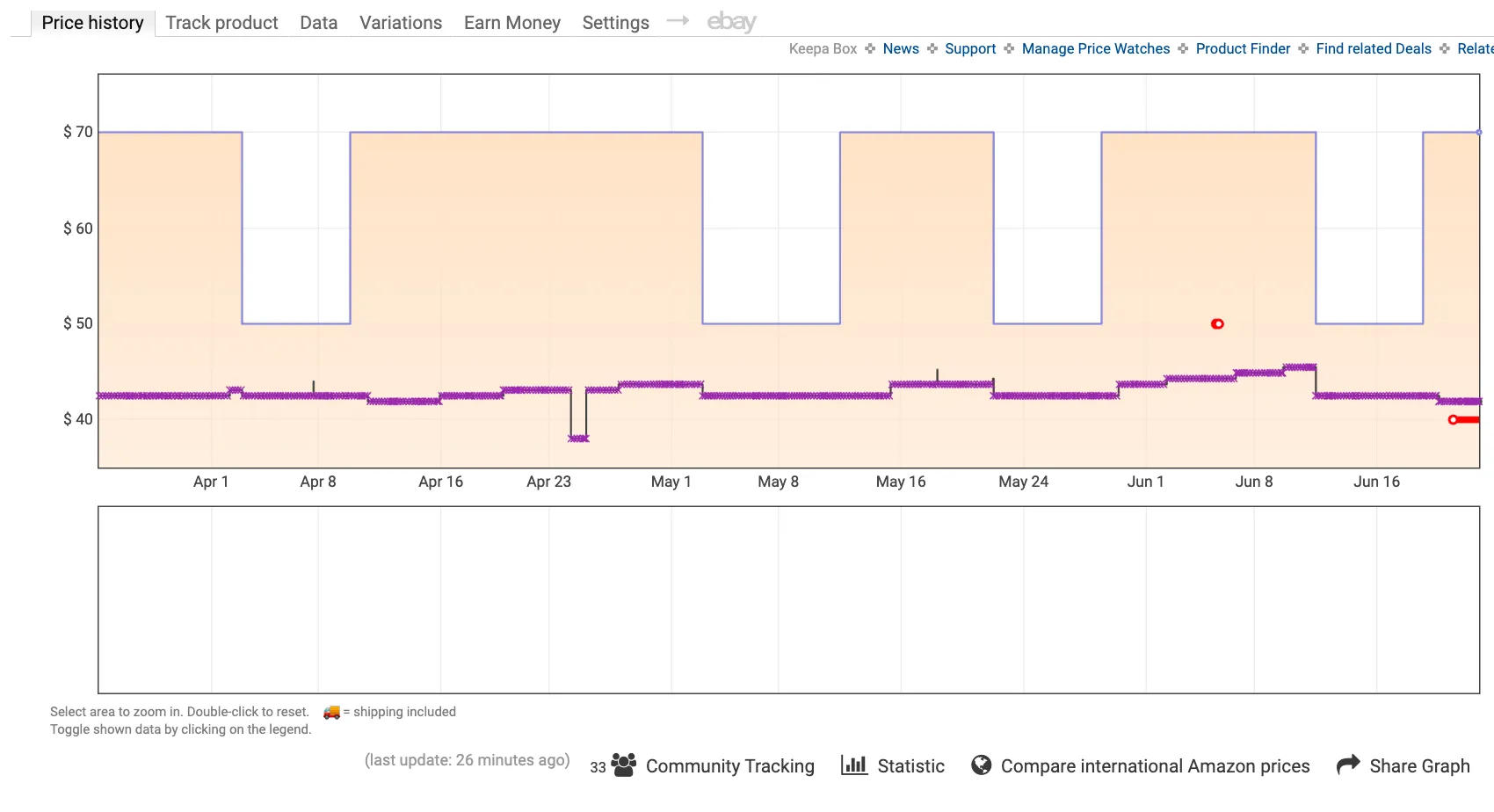
For serious deal hunters, Keepa's granularity is helpful. It tracks not just Amazon's price but also third-party seller prices, used prices, and warehouse deals. You can set alerts for any of these categories separately.
Slickdeals aggregates deals from across the web
Slickdeals works differently. Instead of tracking individual products, it aggregates deals discovered by its team and community. You create keyword alerts, like "Sonos Era 100" or "Best Buy," and the site notifies you when matching deals appear.
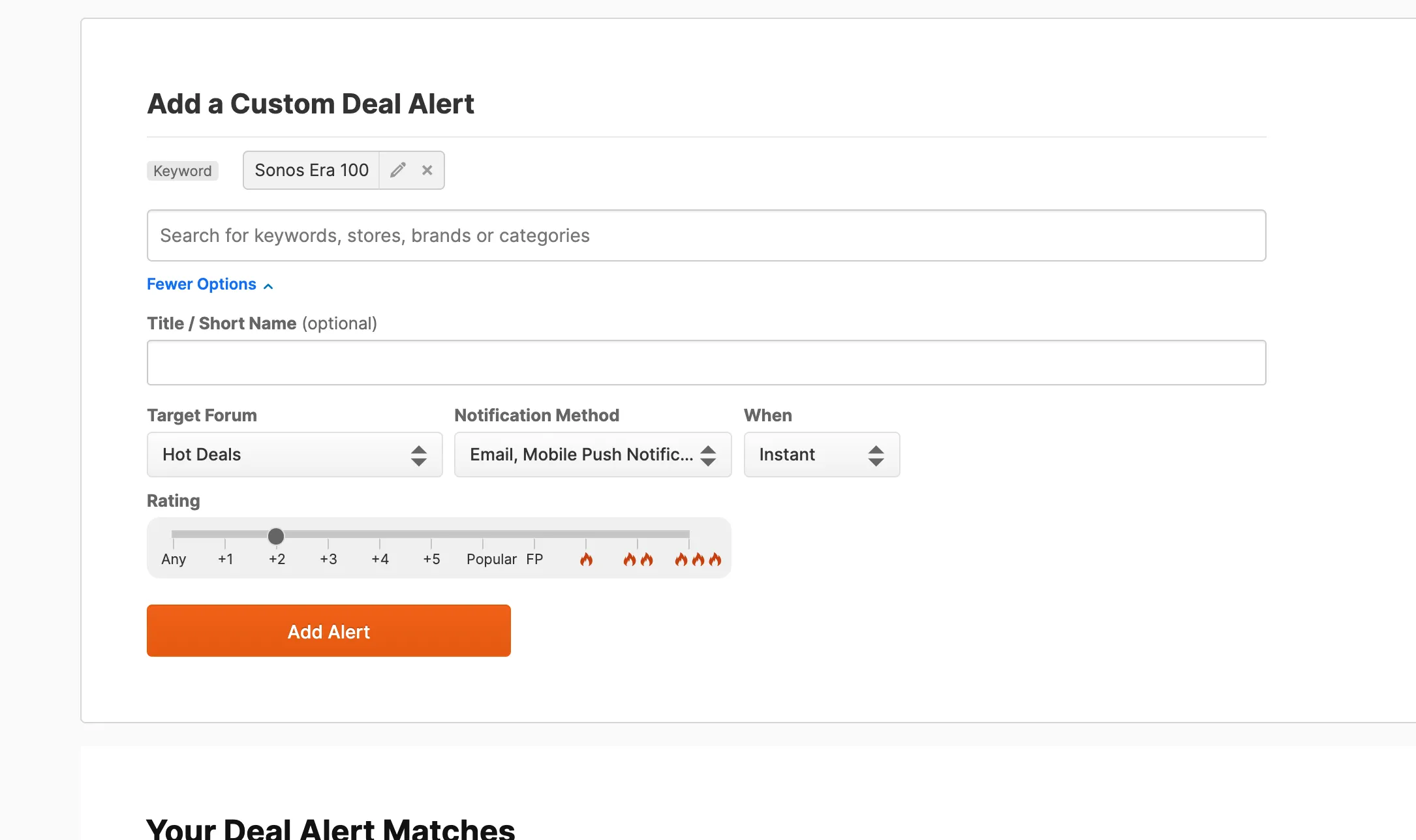
The tradeoff: broad keywords generate too many notifications. Setting an alert for "headphones" will flood your inbox. Specific product names or SKUs work better. You can also filter alerts to only trigger when a deal makes Slickdeals' front page or earns high community ratings.
Don't forget competing retailer sales
Best Buy, Target, and Walmart all run counter-programming sales during Prime Day. Some offer price matching. Best Buy will match Amazon prices on identical items during the sale period. Target's Circle Week often overlaps with Prime Day and includes 5% RedCard discounts on top of sale prices.
Checking multiple retailers for the same product takes an extra minute and often saves $20-50. The price trackers help here too. CamelMart covers Walmart, and Slickdeals aggregates deals from all major retailers.
What about invite-only deals?
Amazon is expanding its "invite-only" system for Prime Day 2026. You request access to limited-stock deals, and Amazon notifies you if selected. The community response has been mixed. Users on r/amazonprime describe it as a lottery rather than a guaranteed discount. Stock runs out quickly, and many people never receive invites despite requesting them.
If you want to try the system anyway, browse Amazon's Prime Day landing page before June 23rd. Invite requests open a week early for some products.
The bottom line on Prime Day 2026
Real deals exist during Prime Day. Amazon-branded devices like Echo speakers, Fire TV Sticks, and Kindles often hit genuine all-time lows. But the "70% off" claims on random products usually deserve skepticism. Thirty seconds with CamelCamelCamel or Keepa tells you whether you're looking at an actual discount or marketing theater.
Frequently Asked Questions
When does Prime Day 2026 start and end?
Prime Day 2026 begins June 23rd at 3:01 AM ET and ends June 27th at the same time, making it a four-day event.
Is CamelCamelCamel free to use?
Yes. CamelCamelCamel is completely free. You create an account to receive email alerts when products hit your target price.
What's the difference between Keepa and CamelCamelCamel?
CamelCamelCamel uses a popup extension overlay, while Keepa embeds price charts directly into Amazon product pages. Keepa also tracks third-party seller and used prices separately.
Do other stores have Prime Day sales?
Yes. Best Buy, Target, and Walmart run competing sales during Prime Day. Best Buy price-matches Amazon on identical products. Target's Circle Week often overlaps with additional RedCard discounts.
How do Amazon's invite-only deals work?
You request access to limited-stock deals before Prime Day. If selected, Amazon notifies you when the deal goes live. Stock is limited, and many requesters don't receive invites.
Logicity's Take
Prime Day has evolved from a shopping event into a psychological pricing exercise. Amazon knows most buyers won't verify discounts, so inflated reference prices persist. The fact that free browser extensions exist to counter this says everything about the retail dynamic at play. Install CamelCamelCamel or Keepa before June 23rd. The ten seconds it takes to check price history will prevent the regret of buying something at a "deal" price that was actually its normal price last month.
If you're setting up deal trackers, you might also want a self-hosted bookmarking solution for saving product research
Need Help Implementing This?
Building price monitoring tools for your e-commerce business or need guidance on retail analytics? Logicity connects you with the right technical partners. Get in touch at hello@logicity.in.
Huma Shazia
Senior AI & Tech Writer
Produced with AI assistance and reviewed by the Logicity editorial team. Learn more in our Editorial Policy.