Key Takeaways
I Got My Website Cited 100+ Times in ChatGPT..Here's How You Can

- AI search traffic grew 66% in 2025 but still represents less than 0.15% of total website visits
- Being cited by AI tools builds brand exposure even when users don't click through to your site
- Traditional SEO factors like backlinks and content quality still matter, but AI treats them differently
Your organic search rankings haven't budged, but traffic keeps dropping. The culprit isn't a Google algorithm update. It's ChatGPT, Perplexity, and Google's AI Overviews answering your visitors' questions before they ever reach your site. The good news: if AI tools cite your content, you still win mindshare. The challenge is figuring out whether they do.
Disclosure
Some links in this post are affiliate links — Logicity earns a commission if you sign up, at no extra cost to you. We only link products we have used or actively recommend.
According to Semrush's analysis of over 50,000 websites, AI-driven traffic grew 66% in 2025 compared to the prior year. That sounds dramatic until you see the absolute numbers: AI still accounts for less than 0.15% of total website visits. The implication is clear. AI platforms like ChatGPT and Perplexity are becoming both the first and last stop for millions of users. They get their answers without clicking a single link.
Why citations matter more than clicks
Here's the shift in thinking that matters: a citation without a click isn't worthless. When ChatGPT names your company as a source, users register your brand. They associate it with authority on that topic. Over time, that builds recognition, which translates to direct searches, backlinks, and trust.
The old SEO playbook focused on getting users to your site. The new one adds a second goal: getting your brand into the AI's answer, period. Both paths lead to business value, just through different mechanisms.
This doesn't mean abandoning traditional SEO. Backlinks, domain authority, site speed, and content quality still influence whether AI tools treat your content as citation-worthy. The difference is that high DA sites no longer hold a monopoly. AI models sometimes surface lesser-known sources if the content directly answers the query.
How to check if AI tools cite your site
Start with manual queries. Open ChatGPT, Perplexity, and Google Gemini. Ask questions your content should answer. Check whether your site appears in the response or the cited sources. It's tedious but reveals gaps immediately.
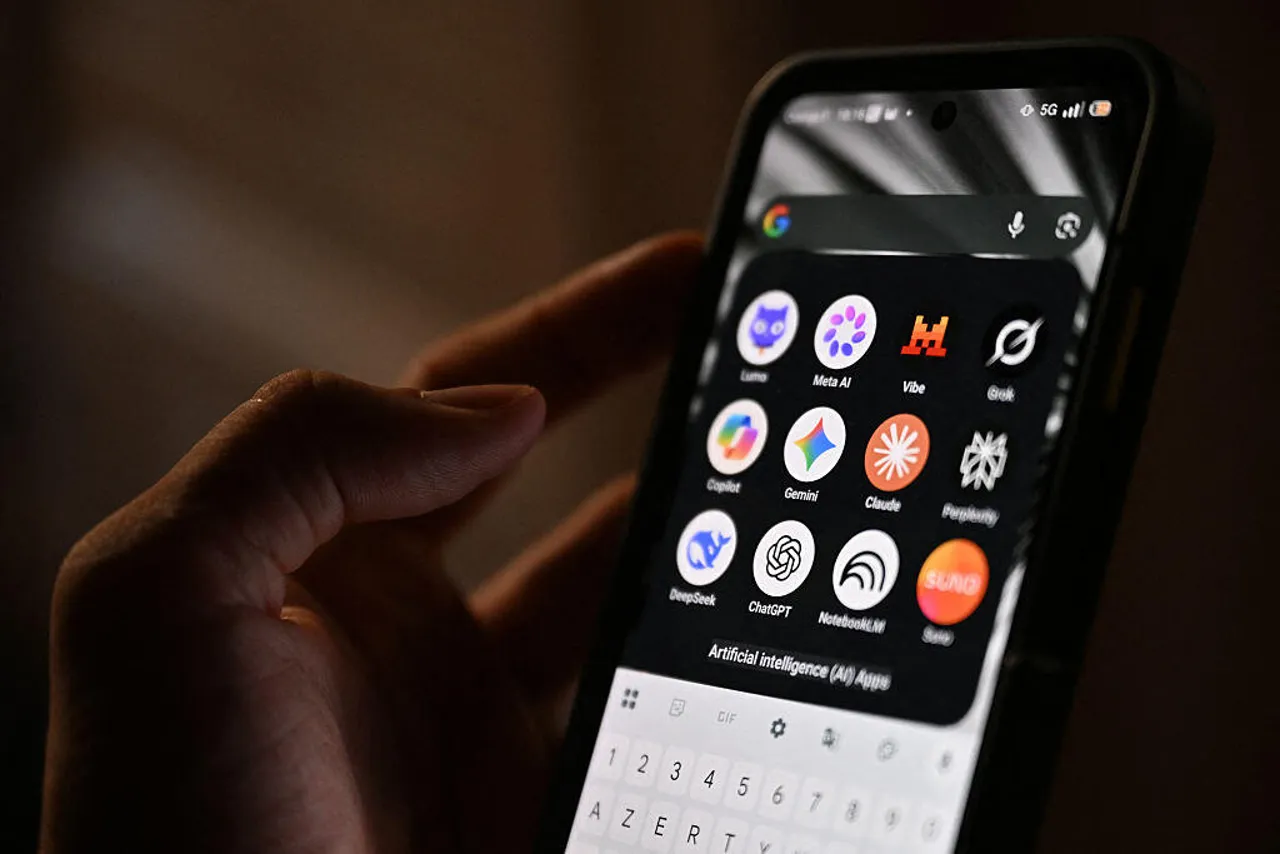
For scale, SEO platforms are adding AI visibility tracking. Semrush now reports on AI-generated traffic as a distinct segment in its analytics. Ahrefs and Surfer SEO have hinted at similar features. If you're already paying for one of these tools, check for AI traffic reports in your dashboard.
Server logs offer another angle. AI crawlers like OpenAI's GPTBot and Google's Gemini crawlers leave identifiable user-agent strings. Reviewing your access logs shows how often these bots index your pages, though it won't tell you whether your content ultimately gets cited.
Tactics that improve your citation odds
The fundamentals haven't changed. Clear, structured content with direct answers wins. But a few adjustments tilt the odds in your favor.
- Answer the query in the first two sentences. AI models pull the most concise, direct response.
- Use structured data (schema markup) so crawlers parse your content accurately.
- Publish original research, statistics, or quotes. AI models favor sources with unique data they can attribute.
- Maintain fast page loads. Crawlers deprioritize slow sites.
- Keep content updated. A 2022 article with stale stats loses to a 2025 piece with current numbers.
One counterintuitive point: AI models sometimes cite pages with lower domain authority if the content is more specific. A niche blog that deeply covers a narrow topic can outrank a general news site that touches on it briefly. Depth beats breadth when AI is looking for a precise answer.
The legal backdrop you should know
AI companies face mounting legal pressure over how they use web content. Ziff Davis, ZDNET's parent company, filed a lawsuit against OpenAI in April 2025, alleging copyright infringement in how ChatGPT trains on and reproduces publisher content. Similar suits are pending from other media groups.
The outcome of these cases could reshape AI citation practices. If courts require explicit licensing or more prominent attribution, publishers may gain leverage. For now, the safest approach is to assume AI will scrape your content and optimize it accordingly.
What this means for 2026 planning
AI search isn't replacing traditional SEO. It's layering on top. Your 2026 content strategy should pursue both tracks: rank in Google's organic results and get cited in AI answers. The tactics overlap more than they diverge. Quality content, fast sites, and authoritative sources work for both.
The measurement side is messier. Most analytics tools still treat AI traffic as an afterthought. Expect that to change as platforms compete to show you where your AI visibility stands relative to competitors.
Logicity's Take
The 66% growth figure grabs attention, but the 0.15% share tells the real story: AI traffic is a rounding error for most sites today. That will change. For tech decision-makers, the smart play is instrumenting your analytics now so you have baseline data when AI traffic scales. Semrush starts at $139/month for Pro; Ahrefs at $129/month. If budget is tight, Perplexity's own interface shows cited sources, which lets you reverse-engineer what it favors by studying competitors.
Frequently Asked Questions
Does blocking AI crawlers hurt my SEO?
Blocking GPTBot or similar crawlers prevents your content from appearing in those AI tools but doesn't affect Google's traditional search rankings. Weigh the tradeoff: less AI visibility versus more control over how your content is used.
Can I see AI citation data in Google Analytics?
Not directly. GA4 tracks referral sources, but AI tools often don't pass referrer data when users don't click through. Server logs and specialized SEO platforms offer better visibility.
How often do AI models update their knowledge of my site?
It varies. ChatGPT's training data has cutoff dates, but its browsing feature pulls live content. Perplexity crawls in near real-time. Google's AI Overviews use the same index as traditional search.
Is there a way to request a citation from ChatGPT?
No formal process exists. OpenAI doesn't offer a submission system like Google Search Console. Your best lever is making your content the clearest, most authoritative answer to relevant queries.
Context on the capital fueling AI platform growth
Need Help Implementing This?
If you're rethinking your content strategy for AI search, reach out to Logicity's consulting team. We help tech companies audit their AI visibility and build content that earns citations.
Source: Latest news
Manaal Khan
Tech & Innovation Writer
Produced with AI assistance and reviewed by the Logicity editorial team. Learn more in our Editorial Policy.