Key Takeaways
Goose Dating App Accused of Using AI Generated Men to Lure Users
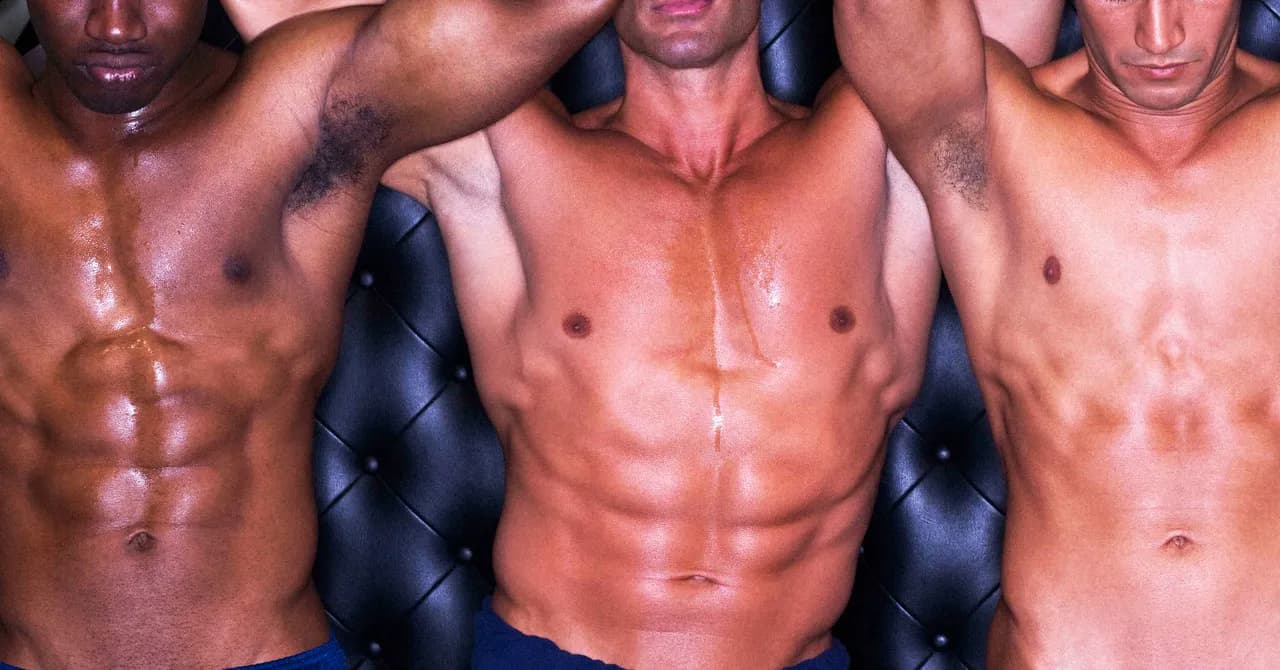
- Over two dozen fake Instagram accounts with AI-generated profile photos promoted the Goose dating app
- Multiple detection tools confirmed profile images were created using Google AI with over 90% confidence
- Users received identical DM scripts from brand-new accounts, a hallmark of coordinated inauthentic behavior
Goose, a new dating app for gay men positioning itself as a relationship-focused alternative to Grindr, appears to have built its early user base through a network of fake Instagram accounts featuring AI-generated photos. A WIRED investigation identified more than two dozen suspicious accounts, all created in May or June 2025, that sent identical promotional messages to potential users while posing as real people.
The accounts operated through Instagram's Close Friends Stories feature, a tool designed for sharing content with trusted contacts. By adding strangers to these lists, the fake profiles manufactured an illusion of intimacy and exclusivity. The scheme worked: Goose hit #4 in the App Store's free lifestyle downloads when it launched last Thursday.
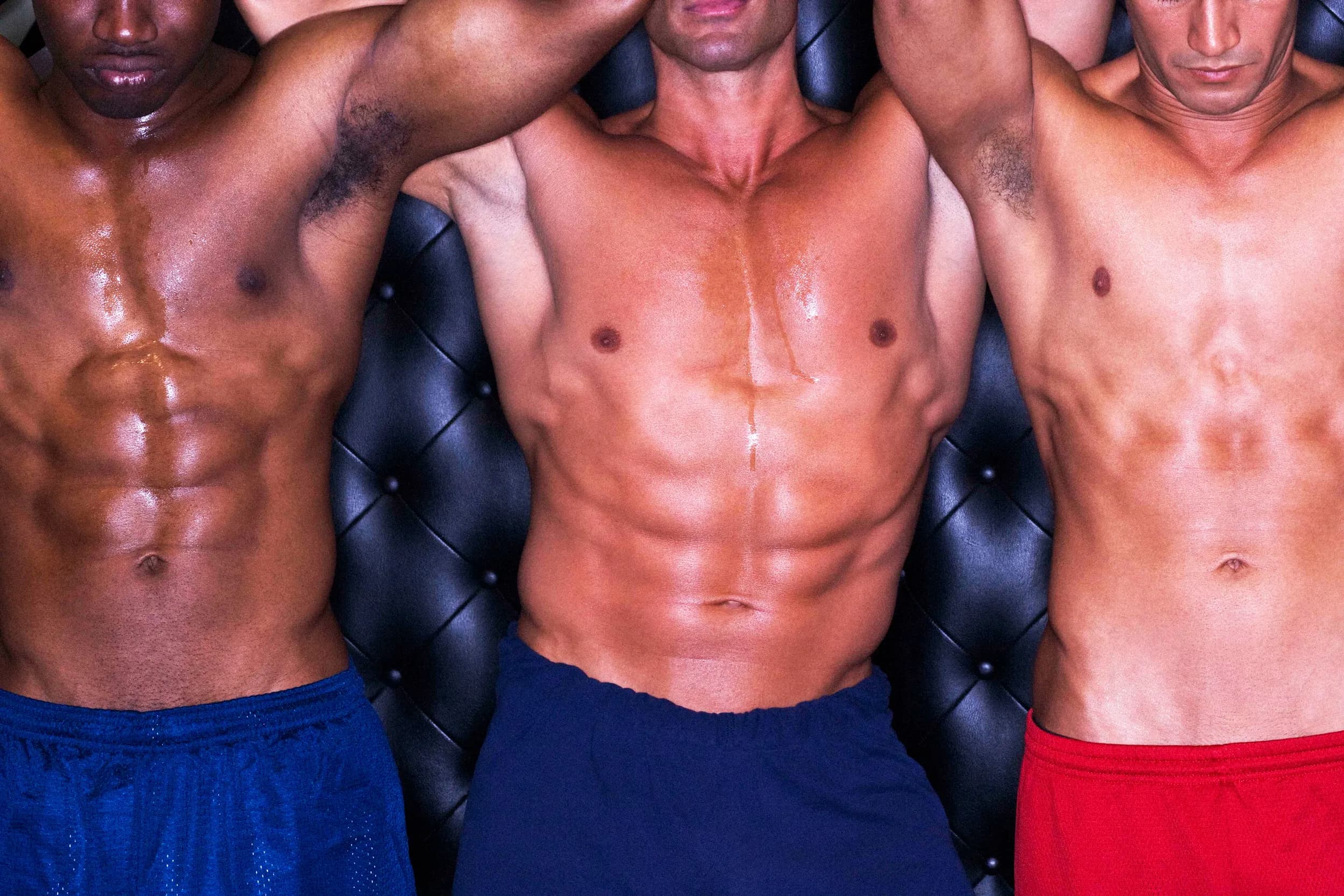
How the fake accounts were detected
Ryan Cheam, a marketing and PR account executive, first noticed something off when an account named @alistaircrombbie followed him. The bio claimed a job at a well-known art gallery. "I thought he was just a normal gay guy," Cheam told WIRED. Then came the DM inviting him to join a "curated network of guys" at Goose.
WIRED ran the profile photos through AI Image Detector software and Google's SynthID check. The results were consistent: images from accounts like @miles.sumrall and @danielmmulugeta were flagged with greater than 90% confidence as AI-generated. Google Gemini's analysis found that "most or all" of multiple profile photos "was edited or generated with Google AI."
The telltale signs went beyond the photos. All accounts were created within a two-month window. Each had fewer than 10 posts and a suspiciously high following-to-follower ratio. The accounts frequently commented on each other's photos using the same heart and fire emojis. And most damning: the DMs they sent were word-for-word identical.
The scale of the operation
Dalton Bauer, who works in marketing, received a DM from @lucalepkowski that opened with "Hey! Okay this might feel random but felt you'd be interested :)" before pivoting to the Goose pitch. It was the third such message Bauer had received that week, using the exact same language. The @lucalepkowski profile photo, showing a college-aged man on a beach, was flagged as 80% likely to be artificially generated.
“This is the first time I've seen this on Instagram, and at this scale. I think someone needs to shed light on this as it's shady and deceiving.”
— Dalton Bauer, marketing professional
Goose was created by model-influencer Derek Chadwick and David Aliagas, a former growth and community manager at BeReal. Aliagas had posted Instagram Stories advertising job listings for "ambassadors" to manage unspecified social media accounts. Neither founder responded to WIRED's requests for comment.
What this signals for app marketing
Coordinated inauthentic behavior is nothing new on social media. Political campaigns and state actors have deployed fake accounts for years. What's different here is the application of generative AI to consumer app growth, a tactic that lowers the cost and effort of manufacturing fake personas dramatically.
The LGBTQ+ dating app market has a troubled history with data privacy. In 2019, reports revealed that US military contractor Babel Street had purchased location data from Grindr. A campaign that starts with deception, even for marketing purposes, raises questions about what other corners might get cut.
For product teams, the Goose case illustrates how generative AI can supercharge growth hacking in ways that cross ethical lines. Creating 30+ convincing fake personas once required graphic designers, copywriters, and weeks of work. Now it requires API calls and a few hours. Detection tools are improving, but they lag behind generation capabilities.
Logicity's Take
The Goose incident is a preview of a coming wave: AI-generated influencer marketing at scale. Product teams building apps should recognize that while this tactic delivered short-term App Store rankings, the backlash is swift and potentially fatal for brand trust. For AI builders specifically, this case shows how your tools get misused in the wild. Detection products like Hive Moderation, Sensity AI, and Google's SynthID are increasingly table stakes for platforms that want to catch synthetic content. The real question is whether app stores will start requiring provenance verification for promotional accounts.
Why Close Friends Stories made the scheme effective
Instagram's Close Friends feature creates a sense of exclusivity. When someone adds you, it signals trust. The Goose campaign exploited this by adding strangers and then posting promotional content that felt like an insider tip rather than an ad. The message "You're receiving this because you're exactly the type of person we're building this for" plays on the recipient's ego while obscuring that hundreds or thousands of others got the same message.
This represents a new frontier in dark pattern marketing. Traditional influencer fraud involves buying followers or engagement. The Goose approach manufactures entire personas that simulate authentic word-of-mouth.
Frequently Asked Questions
What is the Goose dating app?
Goose is a dating and friendship app for gay men, created by Derek Chadwick and David Aliagas, marketed as a relationship-focused alternative to Grindr with the slogan 'for the boys.'
How were the fake Goose influencer accounts detected?
WIRED used AI Image Detector software and Google's SynthID tool, which flagged profile photos as AI-generated with over 90% confidence. Account behavior patterns like identical messaging and recent creation dates also raised red flags.
Is using AI-generated influencers illegal?
It exists in a legal gray area. While not explicitly illegal in most jurisdictions, it likely violates Instagram's terms of service and could potentially trigger FTC scrutiny for deceptive advertising practices.
How many fake accounts were promoting Goose?
WIRED identified more than two dozen suspicious accounts, all created within a two-month window with similar behavior patterns and AI-generated profile photos.
Need Help Implementing This?
Building a product that needs authentic community growth? Logicity can connect you with ethical growth consultants and community-building experts who won't tank your brand with synthetic personas. Reach out to our team for recommendations.
Source: Feed: Artificial Intelligence Latest / Ej Dickson
Manaal Khan
Tech & Innovation Writer
Produced with AI assistance and reviewed by the Logicity editorial team. Learn more in our Editorial Policy.