Key Takeaways
- Google de-indexed an investigative article about Pollen's 2022 collapse after receiving a fraudulent DMCA takedown request
- The fake complaint claimed a 1998 New York Post article about a band leader was the original source for a 2022 startup investigation
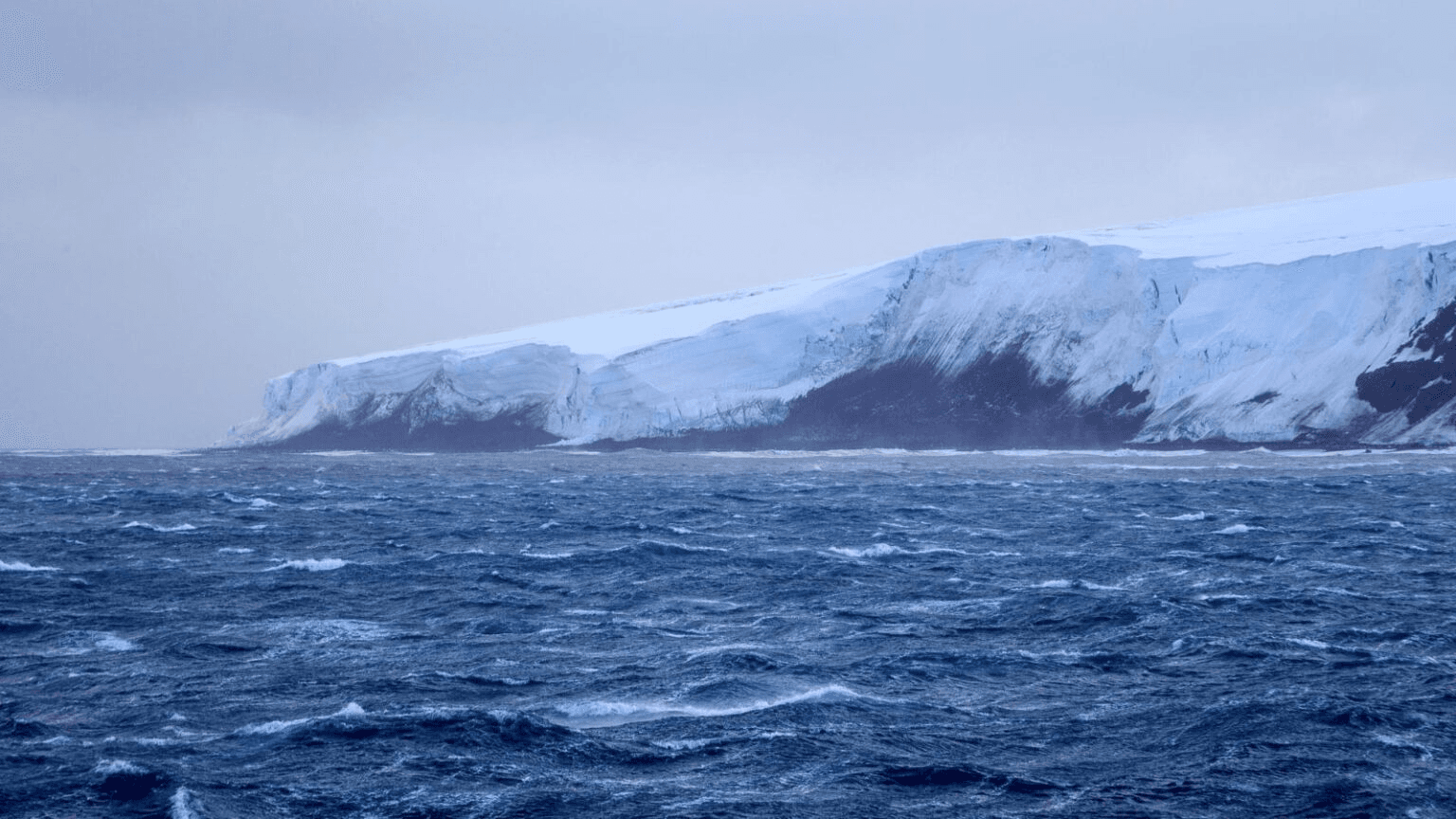
- The DMCA request originated from 'Bouvet Island' — an uninhabited Norwegian territory in the South Atlantic with zero residents
Google has removed Gergely Orosz's detailed investigation into Pollen's 2022 collapse from its search index. The reason? A fraudulent DMCA copyright claim filed by someone pretending to live on an uninhabited island near Antarctica. The takedown request claimed Orosz's original reporting was copied from a 1998 New York Post article about a band leader. The two pieces share zero sentences in common.
Orosz, author of The Pragmatic Engineer newsletter, wrote about Pollen's spectacular failure in 2022. The events tech company raised $150 million in April of that year, laid off 200 people three weeks later, and collapsed into administration by August. Employees went unpaid. Pension contributions vanished. Vendors stopped providing services after Pollen failed to pay bills. Atlassian suspended JIRA access on August 9, 2022. The next day, Pollen declared bankruptcy.
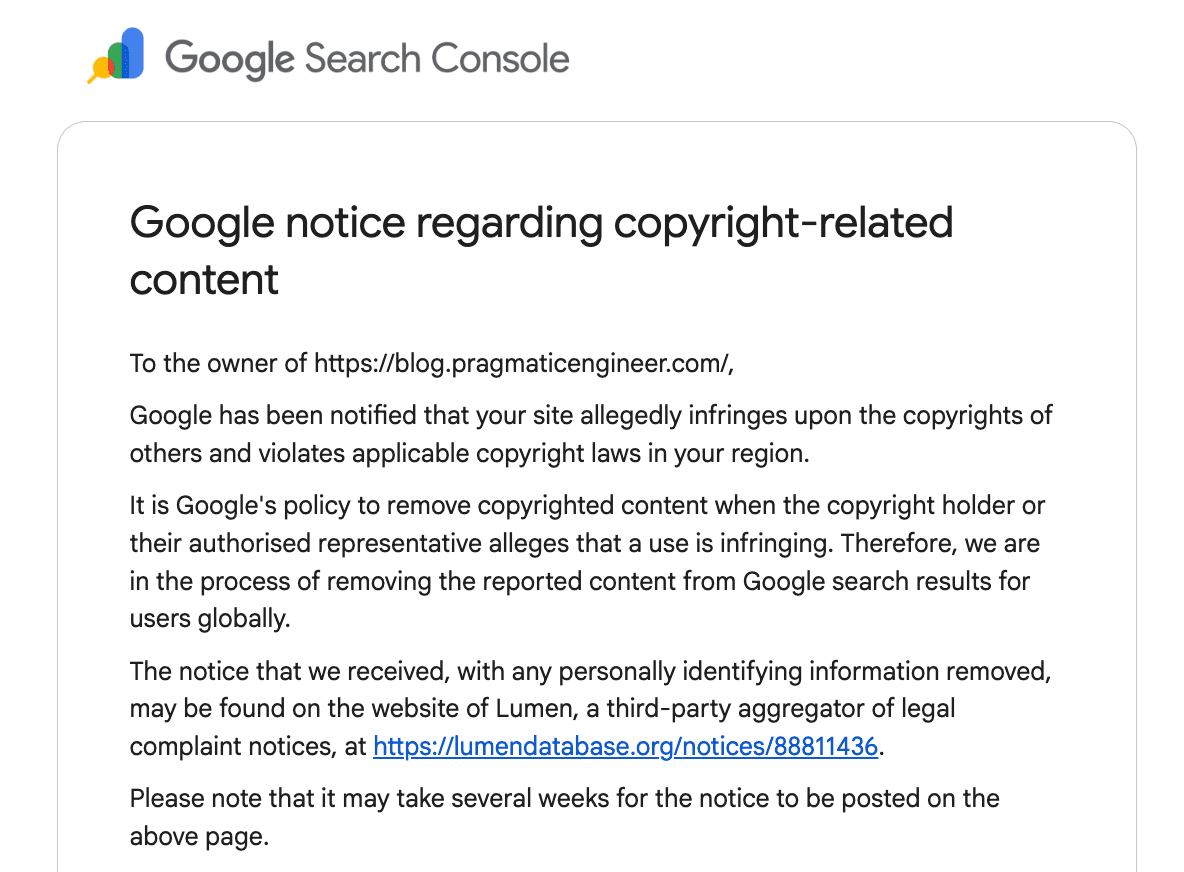
How does a fake DMCA takedown work?
The complaint was filed by someone calling themselves 'Ellie Piee.' This person claimed to be located in Bouvet Island, a Norwegian territory in the South Atlantic. Bouvet Island has exactly zero inhabitants. It is, according to various sources, the world's most remote island. No one lives there. No one has ever lived there.
The fake DMCA notice alleged that Orosz's article 'Inside Pollen's Collapse: $200M Raised but Staff Unpaid' was copied from a 1998 New York Post piece titled 'Band Leader Hits Winning Chord.' One article investigates a startup's financial misconduct. The other, published 24 years earlier, discusses a musician. They share nothing.
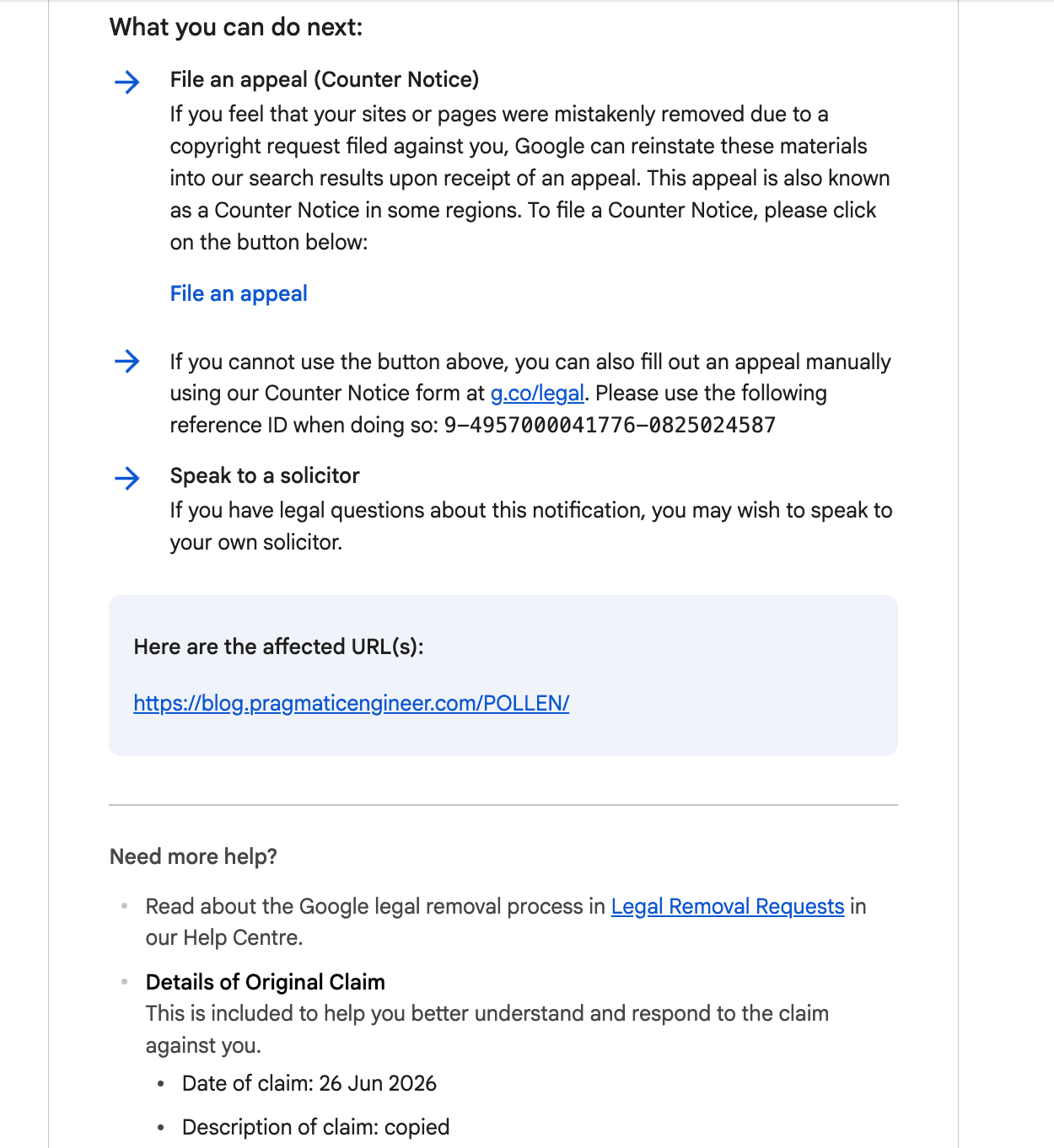
Google accepted this request and removed the article from search results. Orosz has filed an appeal, but the damage is already done. His original investigative journalism is now harder to find for anyone researching Pollen, CEO Callum Negus-Fancey, or CTO Bradley Wright.
Why target this article now?
Orosz's 2022 investigation documented serious allegations. Pollen's leadership reportedly assured employees that all was well after the layoffs, then pulled the plug on Slack, stopped paying wages, and let pension contributions and US health insurance lapse. The BBC later produced a documentary titled 'Crashed: $800M Festival Fail' covering the same events.
The documentary detailed a $3.2 million double charge to customers, manually initiated by CTO Bradley Wright. According to Orosz, this charge could have been easily reversed. It wasn't. Customers never got their money back. Staff never received a postmortem.
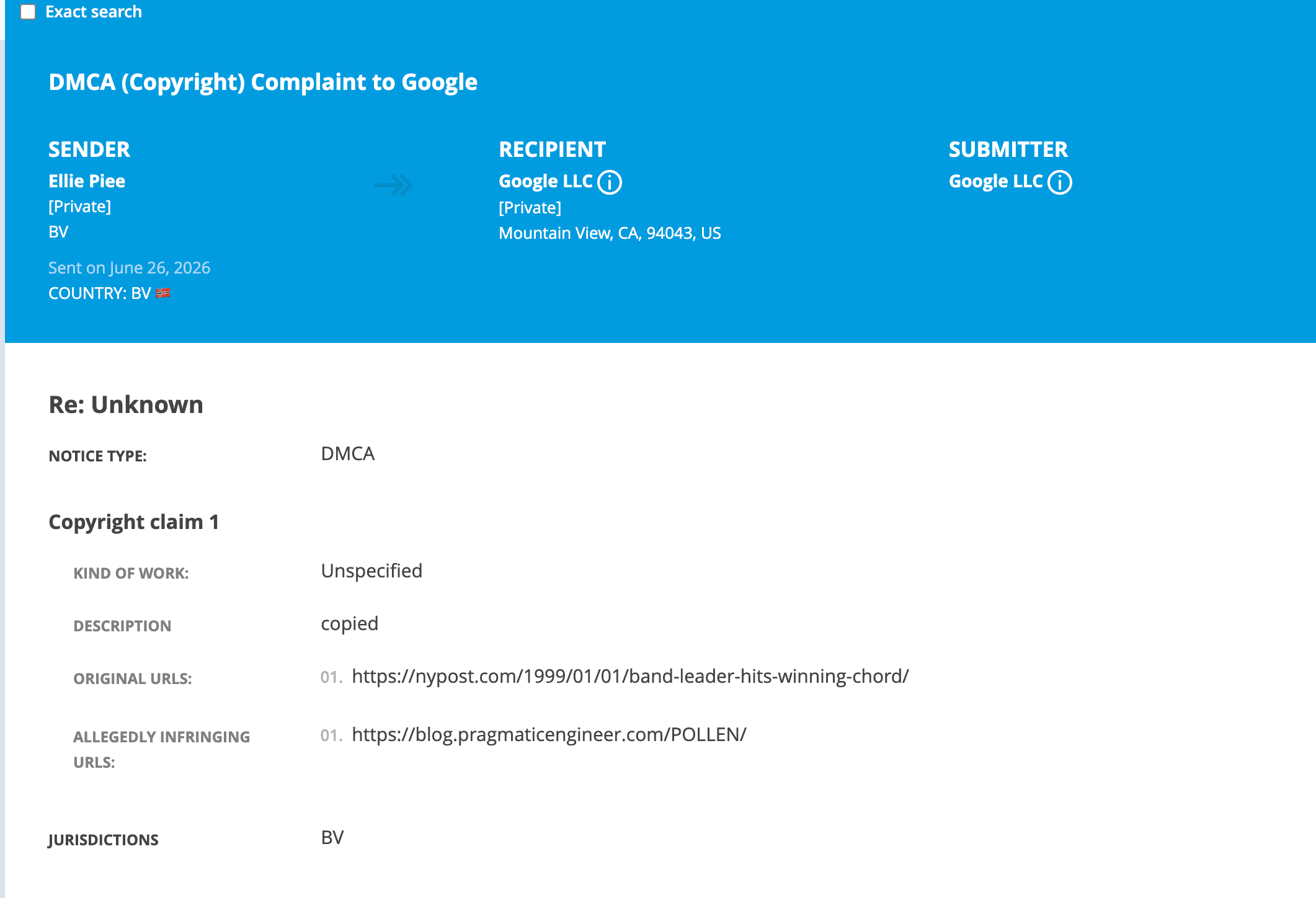
Four years after the collapse, someone wants this story to disappear. Orosz suspects reputation management firms hired by parties connected to Pollen. These firms file fraudulent takedown requests under fake identities from locations that cannot be verified. Google's automated systems comply.
Google's DMCA process has no penalty for fraud
This incident exposes a fundamental weakness in Google's copyright enforcement. Anyone can file a DMCA takedown. Google removes the content first, asks questions later. The burden falls on the original author to prove they own their own work.
Filing a false DMCA notice is technically perjury under US law. But enforcement is rare. The person filing as 'Ellie Piee' from a frozen, uninhabited island will face no consequences. Meanwhile, legitimate journalism gets suppressed.
Orosz notes that lawsuits against Pollen are still ongoing. In California, the case Tayler Ulmer vs Pollen continues. The lawsuit involves former employees seeking redress for the circumstances of their termination.
What happens next?
Orosz has appealed the removal. If Google restores the article, the Streisand Effect guarantees more people will read it than before. By attempting to suppress the story, whoever filed the fake claim has drawn fresh attention to Pollen's collapse, the allegations against its leadership, and the ongoing legal proceedings.
The episode also raises questions for founders and executives. Your public record persists. Attempts to scrub it tend to backfire. The better approach is transparency and accountability — not hiring reputation firms to file fraudulent copyright claims from imaginary addresses.
Logicity's Take
This case demonstrates why CTOs and founders should invest in crisis communication rather than reputation laundering. Companies like Intercom for customer messaging or Slack for internal communication can help maintain transparency during difficult transitions. The cost of a fake DMCA getting exposed — renewed press coverage, Twitter outrage, HN front page — far exceeds whatever a reputation firm charges. For tech leaders researching past startup failures, tools like Semrush or Ahrefs remain useful for tracking what's been indexed or removed. But the real lesson is simpler: own your mistakes publicly before someone else documents them permanently.
Frequently Asked Questions
Can anyone file a DMCA takedown request with Google?
Yes. Google's system accepts DMCA requests from anyone claiming copyright ownership. The content is removed while the actual owner appeals. This creates an obvious abuse vector.
What happened to Pollen after its 2022 collapse?
Pollen went into administration on August 10, 2022, one day after Atlassian suspended JIRA for nonpayment. Lawsuits from former employees remain active in California courts.
Is filing a fake DMCA notice illegal?
Yes. Under the DMCA, filing a false takedown notice constitutes perjury. In practice, enforcement is extremely rare, especially when the filer uses fake identities and unverifiable locations.
What is Bouvet Island?
Bouvet Island is an uninhabited Norwegian territory in the South Atlantic near Antarctica. It has zero permanent residents and is considered the world's most remote island.
Did the BBC cover Pollen's collapse?
Yes. The BBC produced a documentary titled 'Crashed: $800M Festival Fail' covering Pollen's failure, including allegations about a $3.2 million customer double-charge.
Need Help Implementing This?
If you're a founder dealing with public scrutiny or crisis communication, reach out to Logicity for recommendations on PR firms, communication tools, and reputation management strategies that don't involve fake copyright claims.
Source: Hacker News: Best
Manaal Khan
Tech & Innovation Writer
Produced with AI assistance and reviewed by the Logicity editorial team. Learn more in our Editorial Policy.