Key Takeaways

- Glow raised $180M in Series A funding at a $1.2B valuation, backed by Sequoia Capital and Cyberstarts
- The startup uses AI agents to monitor software, AI tools, and developer environments on employee devices
- Glow competes with CrowdStrike, Microsoft, and SentinelOne but focuses on prevention rather than detection
Glow, a cybersecurity startup founded by former Meta and Snowflake executives, emerged from stealth on Wednesday with a $1.2 billion valuation. The Palo Alto company raised $180 million in an all-equity Series A led by Sequoia Capital and Cyberstarts, with participation from Greenoaks, Redpoint Ventures, Index Ventures, and others. The bet: AI is fundamentally changing what runs on employee devices, and existing security tools aren't built for it.
What does Glow actually do?
Glow builds an endpoint security platform designed to monitor and control software, AI agents, and developer tools running on employee devices. Unlike traditional endpoint detection and response products that focus on identifying threats after they appear, Glow aims to prevent risky software from entering enterprise environments in the first place.
The platform uses AI agents to continuously map enterprise environments, assess risk in real time, and enforce security policies. Glow pulls AI models from Anthropic and Google's Gemini through Amazon Bedrock, while building its own software layer to give those models enterprise context.
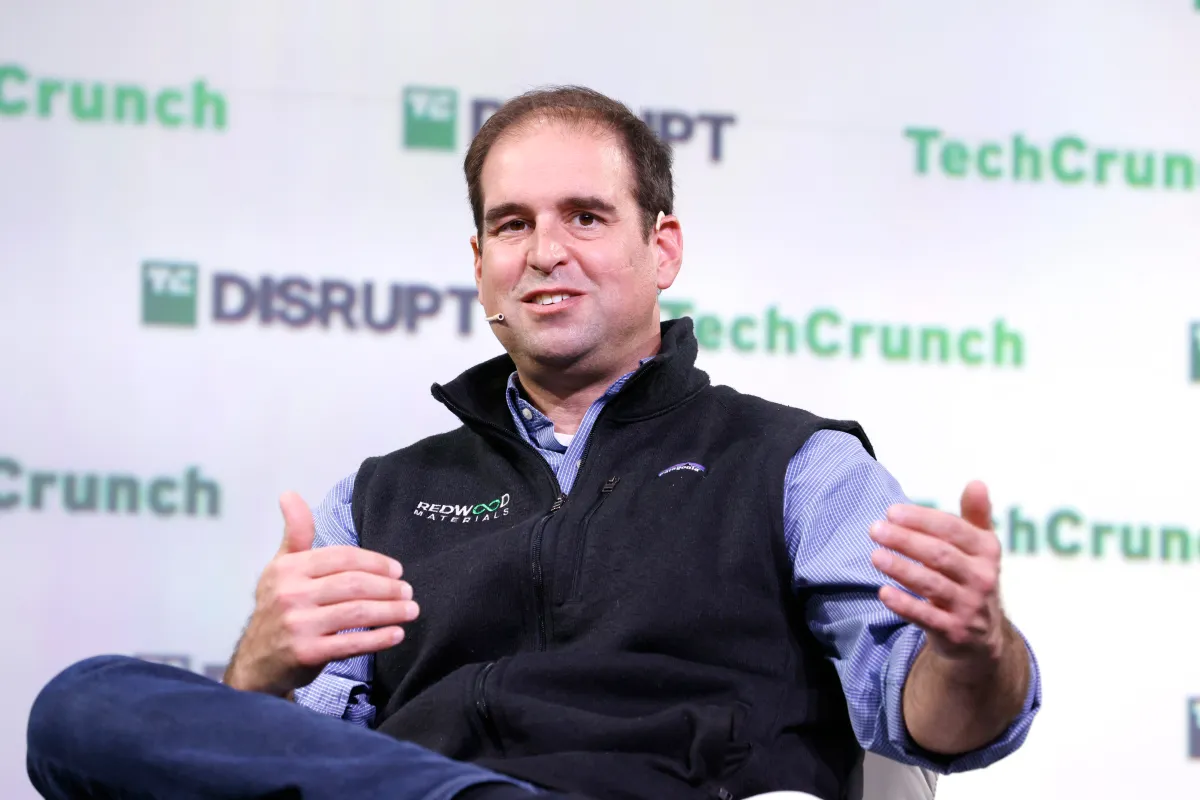
"If you think of the past decade, everything was moving to the cloud and SaaS. Suddenly, AI lands on the endpoint in a way we've never seen," CEO Roi Tiger said. Tiger previously served as VP of engineering at Meta.
The founding team's pedigree
The leadership lineup explains the instant unicorn valuation. Tiger co-founded Glow alongside Omer Singer, former head of cybersecurity strategy at Snowflake; Ophir Arie, former VP of R&D at industrial security company Claroty; and Arnon Joseph, another former Meta engineering leader.
Chief Operating Officer Emily Heath brings public company credibility. She previously served as CISO at United Airlines and DocuSign, sat on Wiz's board through its $32 billion acquisition by Google, and was a partner at Cyberstarts before joining Glow.
The startup employs nearly 100 people, with about 70% based in Israel and the remainder in the U.S.
Why investors are betting big now
The timing reflects growing anxiety about AI-powered attacks. Concerns intensified after Anthropic unveiled its Mythos AI model, which demonstrated advanced capabilities in identifying and exploiting software vulnerabilities. That announcement sparked broader debate over AI-assisted cyberattacks and whether current defenses can keep pace.
Attackers are already using generative AI to automate phishing campaigns, develop malware, and launch more sophisticated intrusions. As enterprises deploy their own AI tools, from coding assistants to autonomous agents, the attack surface on endpoints has expanded dramatically.
Glow claims it has already prevented malicious npm packages from being installed in customer environments, identified AI agents attempting to pull in compromised software, and detected employee devices where endpoint detection tools were missing or degraded. The company says it has paying customers in healthcare, retail, and financial services, though it declined to name them. Typical deployments span tens of thousands of devices across global organizations.
The competitive landscape
Glow enters a crowded market. CrowdStrike, Microsoft, SentinelOne, and Palo Alto Networks dominate enterprise endpoint security. All of them have added AI capabilities to their platforms over the past two years.
Tiger's argument is that these incumbents are fundamentally reactive. They detect threats after something malicious executes. Glow wants to block risky software, AI agents, and developer tools before they can run. Whether that distinction holds up in practice, and whether enterprises will pay for a separate product to do it, remains an open question.
The $180 million Series A at unicorn valuation before disclosing revenue fits a pattern in cybersecurity investing. Investors are making large bets on AI-native security approaches, valuing team pedigree and market timing over traditional metrics. Glow joins a growing list of cybersecurity startups that achieved unicorn status before revealing how much money they actually make.
Logicity's Take
Glow's pitch is compelling but unproven. The founding team is genuinely impressive, and the timing aligns with real enterprise anxiety about AI tools proliferating on employee devices. But the core claim, that prevention is fundamentally different from detection, needs stress testing. CrowdStrike and SentinelOne aren't standing still; both have shipped proactive blocking features in 2026. For startup founders building security-sensitive products, Glow is worth watching as a potential vendor, but the smart move is waiting 6-12 months to see if enterprise adoption validates the approach. At this valuation, investors are pricing in a lot of execution that hasn't happened yet.
What this means for enterprise security teams
The broader signal matters more than Glow itself. Major investors are betting that AI fundamentally changes endpoint security. If they're right, enterprises will need to rethink their security stack over the next few years.
The specific challenge Glow targets is real. Developers install npm packages, AI coding assistants, and autonomous agents without IT oversight. Security teams often discover these tools only after an incident. Traditional endpoint products weren't designed for this scenario.
Whether AI-native endpoint security becomes a distinct category or gets absorbed by incumbents will likely depend on the next wave of high-profile breaches. If an AI agent causes a major incident, startups like Glow will see demand spike. If existing tools prove adequate, this category may never fully emerge.
Frequently Asked Questions
What is Glow's valuation and funding?
Glow raised $180 million in Series A funding at a $1.2 billion valuation. Lead investors include Sequoia Capital and Cyberstarts.
How is Glow different from CrowdStrike or SentinelOne?
Glow focuses on preventing risky software, AI agents, and developer tools from running on endpoints, while traditional EDR products primarily detect threats after they execute.
Who founded Glow?
Glow was co-founded by Roi Tiger (former Meta VP of Engineering), Omer Singer (former Snowflake cybersecurity strategy head), Ophir Arie (former Claroty VP of R&D), and Arnon Joseph (former Meta engineering leader).
Does Glow have paying customers?
Yes, Glow claims paying customers in healthcare, retail, and financial services, with typical deployments spanning tens of thousands of devices. The company has not disclosed specific customer names or revenue figures.
What AI models does Glow use?
Glow uses AI models from Anthropic and Google's Gemini, accessed through Amazon Bedrock, combined with proprietary software for enterprise context.
Need Help Implementing This?
If you're evaluating endpoint security options or building AI tools that need enterprise-grade protection, Logicity's consulting team can help you navigate vendor selection and implementation. Contact us at consulting@logicity.in.
Source: Startups | TechCrunch / Jagmeet Singh
Huma Shazia
Senior AI & Tech Writer
Produced with AI assistance and reviewed by the Logicity editorial team. Learn more in our Editorial Policy.