Key Takeaways
- eBay searches for iPod Classic and Nano are up 25% and 20% respectively, with Gen Z comprising 32% of buyers
- The trend is driven by 'friction-maxxing,' a deliberate rejection of algorithmic feeds and always-connected devices
- Refurbished iPod Classics now sell for $300-600, with flash-modded units offering up to 1TB of storage
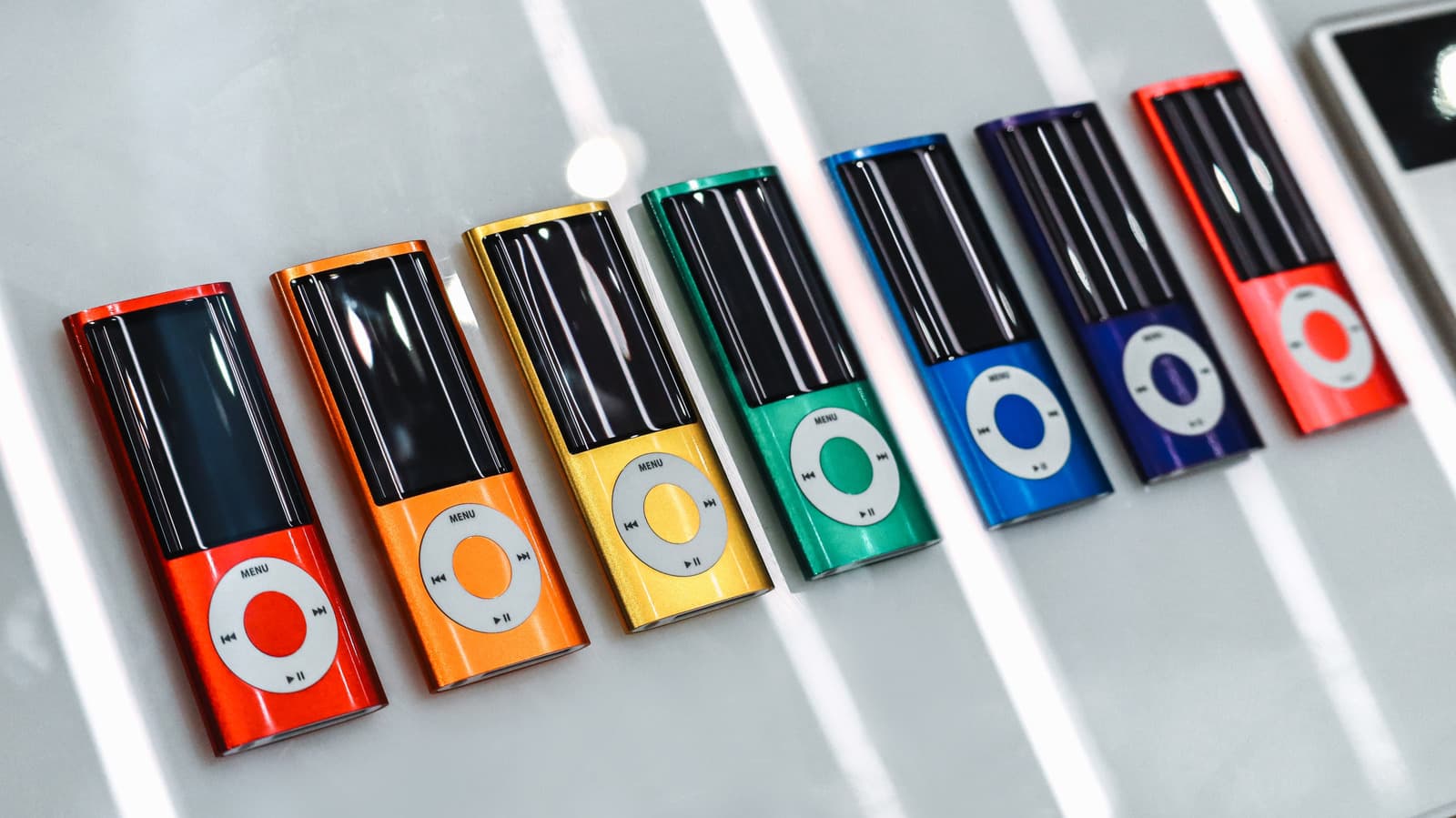
Old iPods are selling for up to $600 on eBay, and Gen Z is driving the demand. According to Axios data from February, searches for the iPod Classic jumped 25% and iPod Nano searches rose 20%. In an informal survey by researcher Emily White, 32% of buyers were Gen Z, the largest single age group.
Apple killed the iPod line in 2022, three years after releasing the final iPod Touch. The iPhone had absorbed its function years earlier. But a device that seemed obsolete is now a status symbol for a generation that never used it the first time around.
Why is Gen Z buying iPods in 2026?
The short answer: exhaustion. Gen Z grew up with smartphones, algorithmic feeds, and streaming services that track every listen. They never experienced technology before the attention economy weaponized it. White's survey found three primary motivations: minimizing distractions, listening to music more intentionally, and owning their music collection outright.
"The iPod is the ultimate digital nicotine patch. It keeps you in the digital world but cuts off the IV drip of the algorithm," says Sarah Chen, a tech anthropologist and cultural analyst. The device plays music. It does not ping you with notifications, serve targeted ads, or recommend content based on engagement metrics.
This movement has a name in online communities: friction-maxxing. The idea is that adding friction to digital experiences, removing the frictionless infinite scroll, restores a sense of control. An iPod requires you to curate a library, sync it manually, and choose what to play. There is no autoplay queue optimized for retention.
The ownership argument
Streaming services have conditioned a generation to access rather than own. But access is revocable. Google Play Music shut down in 2020. If Spotify deleted your account tomorrow, you would lose not just your playlists but the organizational logic of years of listening. The MP3 files on an iPod are yours. They survive platform shutdowns, licensing disputes, and subscription lapses.
"We aren't just buying hardware; we're buying back the sovereignty of our attention," says Marcus Thorne, who founded the Offline First movement promoting deliberate disconnection. The iPod represents a pre-streaming paradigm where you decided what to listen to, not an algorithm trained on engagement data.
What does a used iPod actually cost?
Prices vary wildly. A working iPod Classic in good condition fetches around $300 on eBay. Pristine units with maximum original storage sell for up to $600. The modding community, centered around figures like YouTuber DankPods, has created a secondary market for flash-modded units. These replace the original spinning hard drive with SD card adapters, boosting storage to 1TB and improving battery life.
Reddit communities like r/ipod and r/DigitalMinimalism are seeing record engagement. Users share tutorials on sourcing replacement batteries, performing flash mods, and loading libraries without iTunes, which Apple discontinued. The DIY element is part of the appeal. Fixing and customizing the device creates a relationship with it that unboxing a new iPhone cannot replicate.
The practical downsides of using an iPod in 2026
Nostalgia aside, old iPods have real limitations. They lack Bluetooth, so you need wired headphones or a dongle. They do not support high-resolution audio formats like FLAC or MQA. Internal components degrade over two decades, and even a pristine unit may have capacitors or batteries approaching failure.
Syncing is no longer plug-and-play. With iTunes gone, iPod owners rely on third-party software to transfer music. For audiophiles who care about lossless audio, modern digital audio players from HiBy, FiiO, or Astell&Kern offer better sound quality, streaming integration, and Bluetooth. They also cost less than a mint-condition iPod Classic.
The counterargument: that is exactly the point. The iPod's limitations are features, not bugs. No Bluetooth means no wireless interruptions. No streaming means no algorithmic recommendations. The friction is the product.
A cultural reversal
The original iPod was a symbol of technological convergence. Apple's silhouette ads, with dancing figures and white earbuds, defined cool for a decade. Owning an iPod meant you were part of the mainstream. Now the same device signals rejection of the mainstream. It marks its owner as someone who opted out of the attention economy.
The irony is thick. A gadget that once represented Apple's dominance now represents resistance to the smartphone ecosystem Apple perfected. Gen Z buyers are not nostalgic for the iPod itself. Most of them were toddlers when the last clickwheel iPod shipped. They are nostalgic for a relationship with technology they never experienced but sense they missed.
Searches for "unplugged" and "offline" tech devices are up 40% among Gen Z compared to 2023. The iPod is one symptom of a broader shift. Flip phones, film cameras, and physical media are all seeing similar revivals. The common thread is intentionality. These devices make you choose what to do with them rather than pulling you into an endless feed designed to maximize time spent.
Logicity's Take
The iPod revival is less about the hardware than about what it lacks. Gen Z is not rediscovering a great music player; they are inventing a category: the anti-smartphone. The interesting question is whether this remains a niche aesthetic choice or signals genuine demand for devices designed around attention preservation. If Apple were smart, they would notice. A modern device with iPod philosophy, great audio, local storage, no notifications, no apps, could carve out a real market among people who want their phone to be a phone and their music player to be just a music player.
Frequently Asked Questions
Why are old iPods so expensive now?
Supply is fixed since Apple discontinued production in 2022, while demand from Gen Z buyers and collectors has increased. Flash-modded units with upgraded storage and batteries command premium prices.
Can you still sync an iPod without iTunes?
Yes. Third-party software like Winamp, foobar2000 with plugins, or open-source tools like Rockbox allow music transfers. It requires more effort than the original iTunes experience.
Do old iPods support Bluetooth or high-res audio?
No. Original iPods lack Bluetooth and do not support lossless formats like FLAC. For high-fidelity wireless audio, modern digital audio players are a better choice.
What is friction-maxxing?
A digital minimalism trend where users deliberately add friction to their tech usage, choosing devices and apps that require intentional engagement rather than passive scrolling.
Is an iPod worth buying in 2026?
It depends on your goals. For distraction-free music listening and owning your library, yes. For audio quality, convenience, or streaming access, a modern DAP is more practical.
Need Help Implementing This?
If your company is thinking about digital wellness features or attention-preserving product design, Logicity can connect you with analysts tracking the digital minimalism space. Reach out to our editorial team for briefings on emerging consumer tech trends.
Source: Engadget
Huma Shazia
Senior AI & Tech Writer
Produced with AI assistance and reviewed by the Logicity editorial team. Learn more in our Editorial Policy.




