Key Takeaways
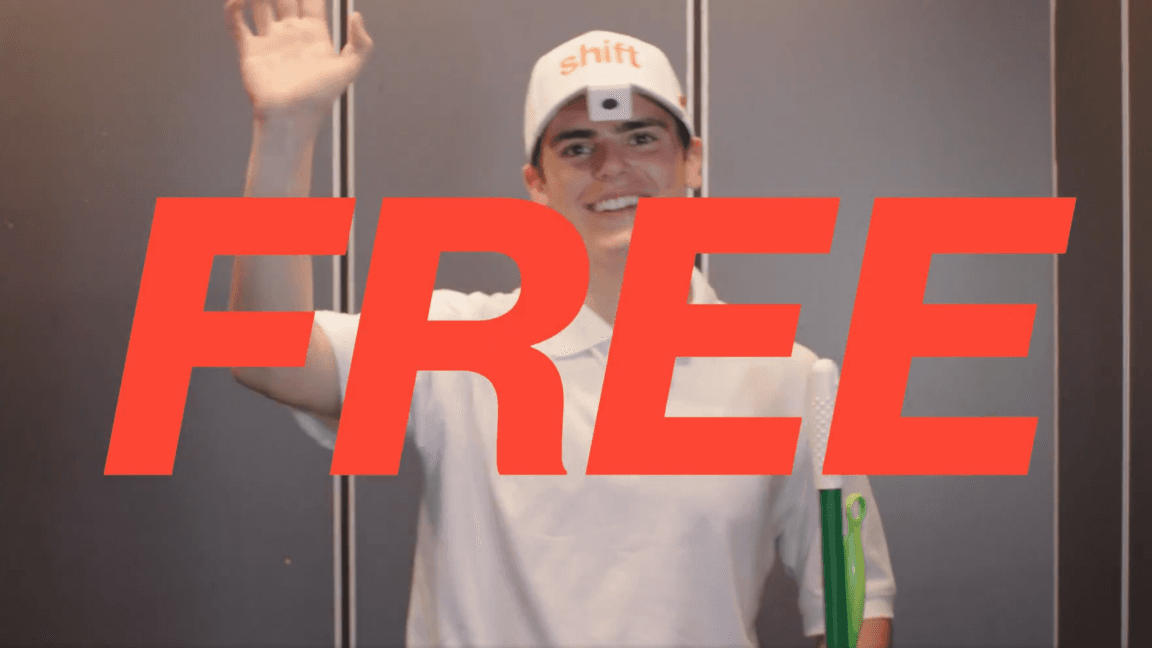
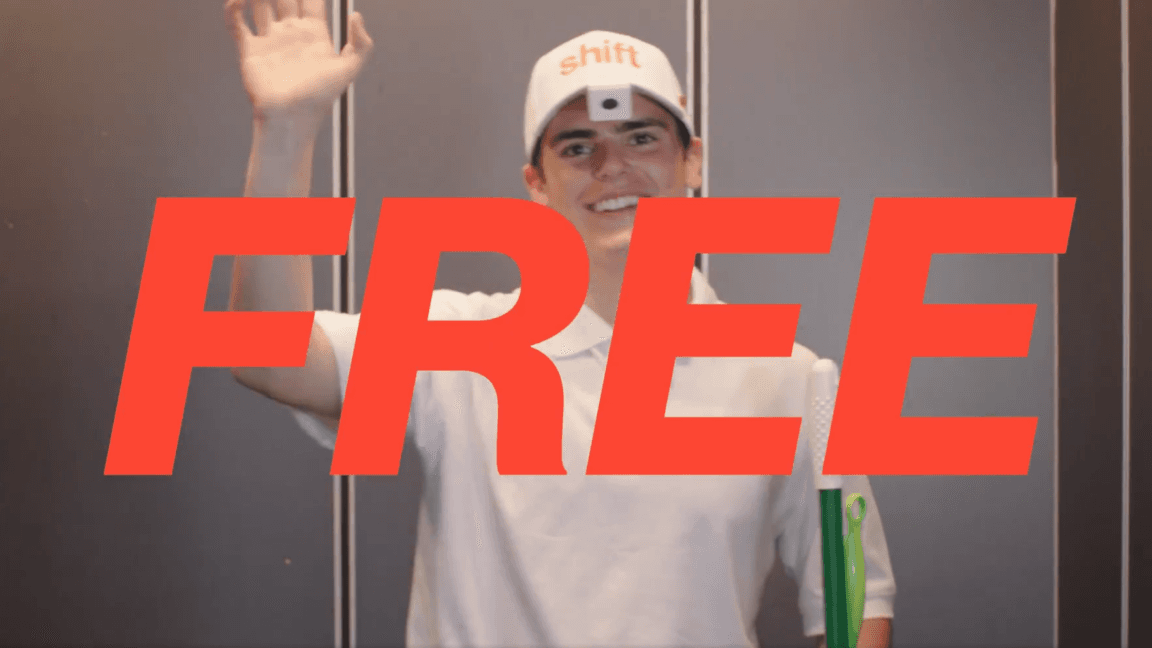
- MicroAGI's Shift app offers free two-hour home cleanings in NYC in exchange for first-person video footage
- The company claims to blur faces and personal information before uploading to servers
- Users cannot request deletion of their home videos from robot training datasets
A German startup called MicroAGI has launched a service that sounds almost too good to be true: free professional home cleaning for New York City residents. The cost? Your home becomes training footage for AI-powered household robots.
The company's new Shift app connects NYC residents with cleaners who wear cameras recording their entire two-hour sessions. MicroAGI describes itself as a team of engineers and researchers working to accelerate embodied AI. It went public with the Shift service on May 28, promoting the launch on X and LinkedIn with a video soundtracked by Jay-Z and Alicia Keys' "Empire State of Mind."
How the Service Works
Booking through the Shift app requires a phone number, email address, home address, and access instructions. Appointments last an estimated two hours. Despite the "free" label, users must provide payment information. The company warns it may charge clients who cancel with less than 24 hours' notice or fail to let cleaners in at the scheduled time.
The Shift app website states there is "no catch" for the free cleaning. But the terms of service tell a different story. The document absolves the platform of responsibility for property damage, theft, or personal injury that may occur during appointments.
Privacy Protections and Gaps
MicroAGI claims to anonymize footage before it touches their servers. The privacy policy says the company uses machine learning models running directly on the smart glasses or capture devices. These models perform "irreversible transformations such as automated face blurring and identifier obfuscation" before any data upload.
The FAQ adds that names, faces, and personal information get automatically anonymized. Sensitive details are blurred, including screens, ID cards, papers, and cell phones.
But two significant gaps remain. First, the policy makes no mention of whether users can ever request deletion of their home videos from robot training datasets. Second, it's unclear if the anonymization techniques are robust enough to prevent homes from being identified in training data through other visual cues like furniture arrangements, artwork, or architectural features.
Logicity's Take
Why Free Cleaning Is Worth It for MicroAGI
First-person cleaning data is expensive to collect. You need real homes, real messes, real navigation challenges. Lab environments don't capture the chaos of actual living spaces. By offering free cleaning, MicroAGI gets authentic training data while building goodwill with early users.
The Shift website acknowledges this directly, stating the first-person footage will "help train the next generation of household robots." The company covers cleaning costs because the data is valuable enough to justify the expense, at least for a limited time.
Another case where consumer data collection led to legal scrutiny
The Embodied AI Race
MicroAGI joins a growing field of companies racing to build robots that can navigate and operate in human environments. The challenge isn't just teaching robots to clean. It's teaching them to handle the infinite variations of real-world spaces. A couch here, a rug there, a kid's toy in the middle of the hallway.
Traditional approaches use simulations or controlled environments. But these don't capture the messiness of actual homes. First-person footage from real cleaning sessions gives robots something simulations cannot: ground truth about how humans move through cluttered spaces and handle obstacles.
Frequently Asked Questions
Is the MicroAGI Shift app cleaning really free?
The cleaning itself is free, but you must provide payment information. Canceling with less than 24 hours' notice or missing your appointment may result in charges.
What does MicroAGI do with the cleaning footage?
The company uses the first-person video to train AI models for household robots. Footage is processed to blur faces and personal information before being uploaded to company servers.
Can I request deletion of my home video from MicroAGI's training data?
The company's privacy policy does not mention any mechanism for users to request video deletion from training datasets.
Where is the Shift app available?
As of launch, the service is only available in New York City.
Is MicroAGI liable if something is damaged or stolen during cleaning?
The terms of service absolve the platform of responsibility for property damage, theft, or personal injury during appointments.
Need Help Implementing This?
Source: Ars Technica
Manaal Khan
Tech & Innovation Writer
Produced with AI assistance and reviewed by the Logicity editorial team. Learn more in our Editorial Policy.




