
Key Takeaways

- Ford's Long Beach facility consolidates all Universal EV platform development under one roof
- The company targets a $30,000 price point for its next EV model
- Key cost-cutting strategies include unibody assembly, zonal architecture, and shorter wiring harnesses
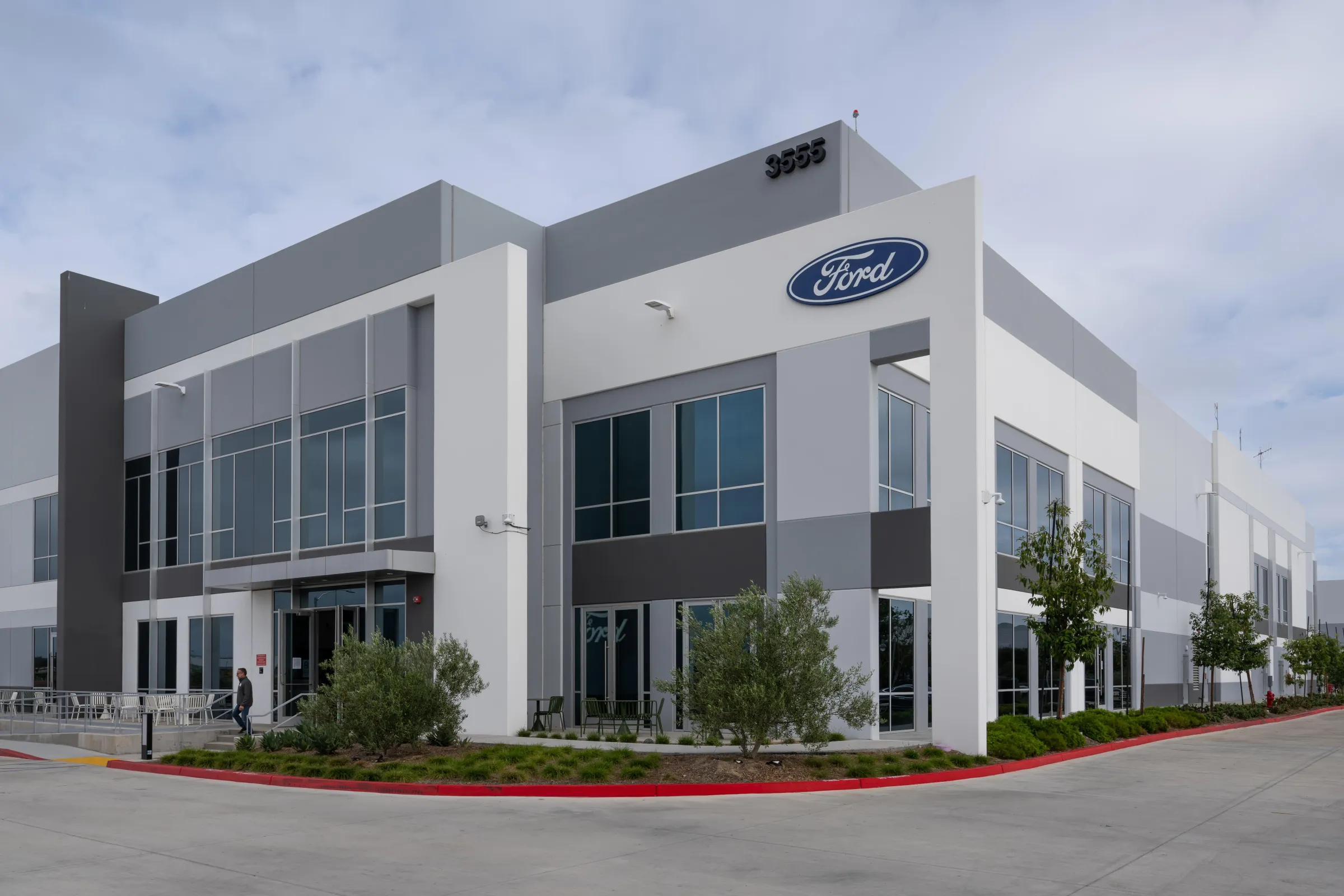
Ford's EV strategy has been hard to read lately. The company previewed its Universal EV (UEV) Project in February, then canceled the F-150 Lightning. Federal tax credits disappeared. Tariffs loomed. But inside a nondescript building near Long Beach airport, Ford is quietly trying to solve the industry's hardest problem: making an affordable electric car.
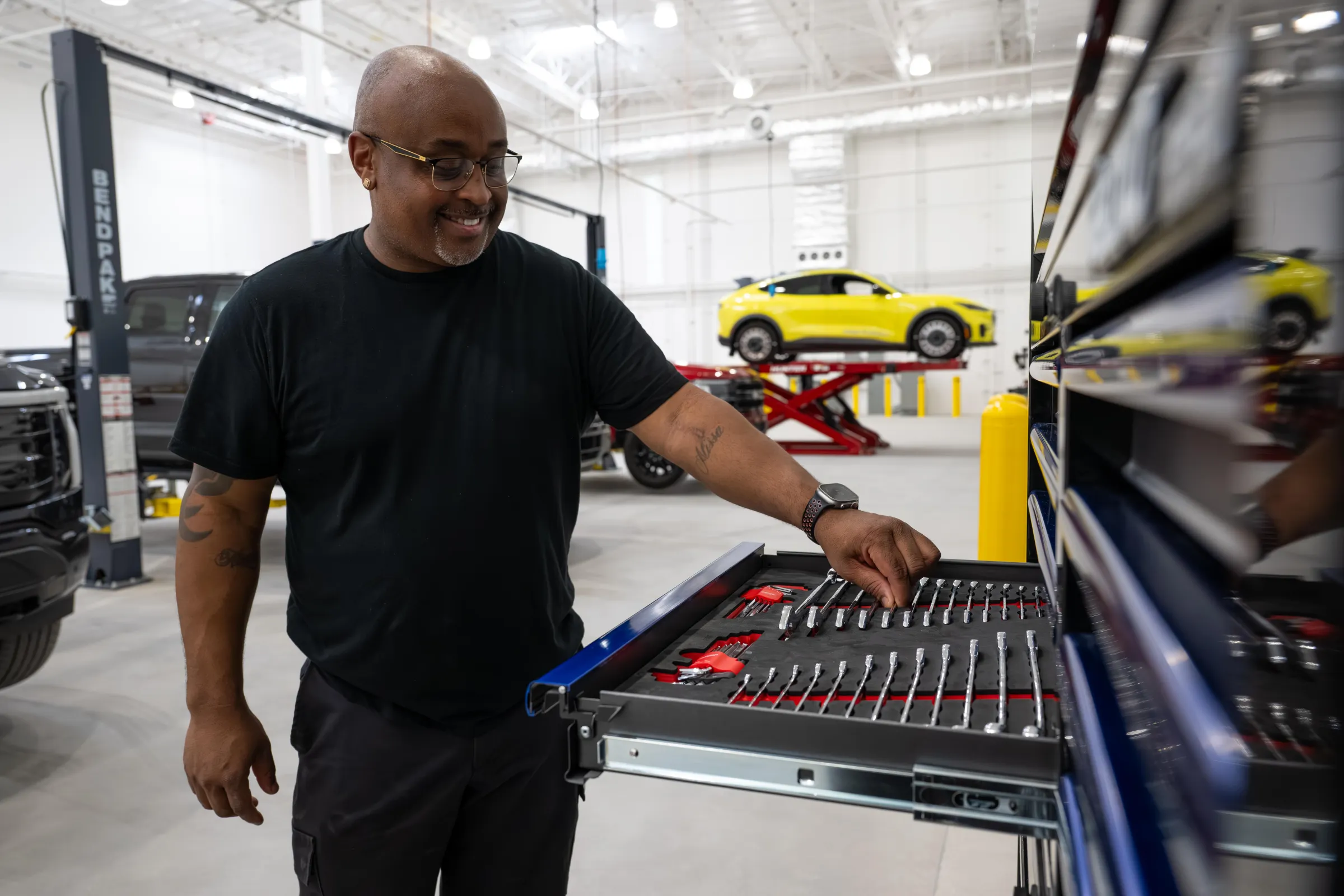
The Electric Vehicle Development Center (EVDC), less than two years old, represents Ford's bet that manufacturing expertise, not battery breakthroughs, will unlock lower prices. The target is $30,000 for the next EV. Everything in this facility exists to shave minutes off assembly, millimeters off components, and dollars off the final sticker.
One Roof, Faster Decisions
Ford's traditional development process scattered teams across multiple US facilities. An engineer in Michigan needing input from a designer in California meant delays. The Long Beach center flips this model by putting engineers, designers, and fabrication teams within walking distance of each other.

The logic is simple: proximity accelerates iteration. A change to interior materials can be prototyped, tested, and approved in hours instead of weeks. The facility's mantra, according to Ford, is that every minute counts.
Rethinking How Cars Get Built
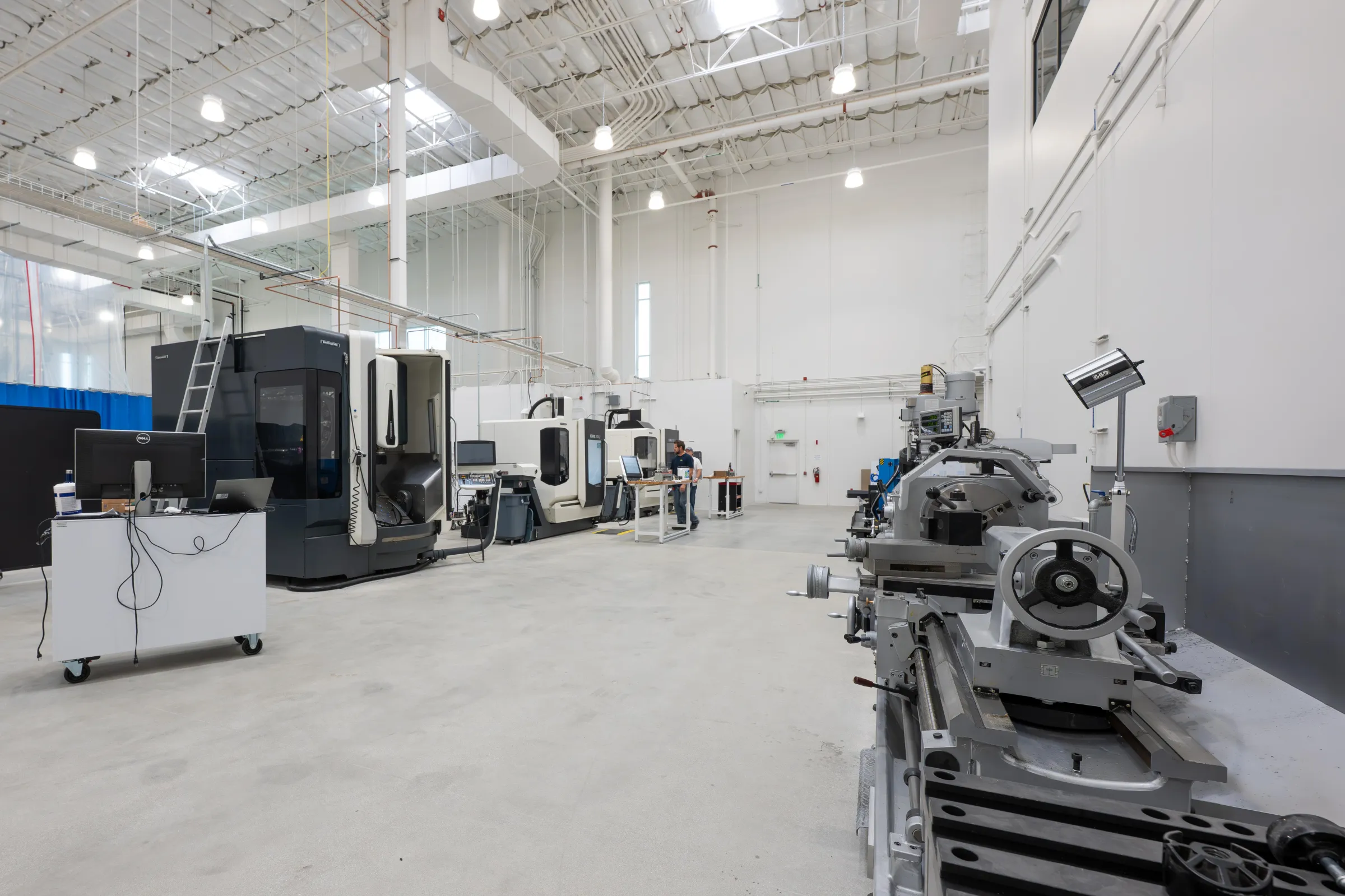
The EVDC is exploring a fundamental question: what if you didn't build a car the traditional way? Instead of starting with an empty unibody and bolting in components one by one, Ford's team is experimenting with modular assembly. During the tour, journalists saw a completed midsection, containing seats, battery unit, and other equipment, designed to be fitted into the body as a single unit.
This approach comes from operator feedback. Ford's assembly line workers, the people who actually bolt cars together, have direct input into the process. If installing a component takes thirty seconds longer than necessary, multiplied across hundreds of thousands of vehicles, that's real money.
The Wiring Problem
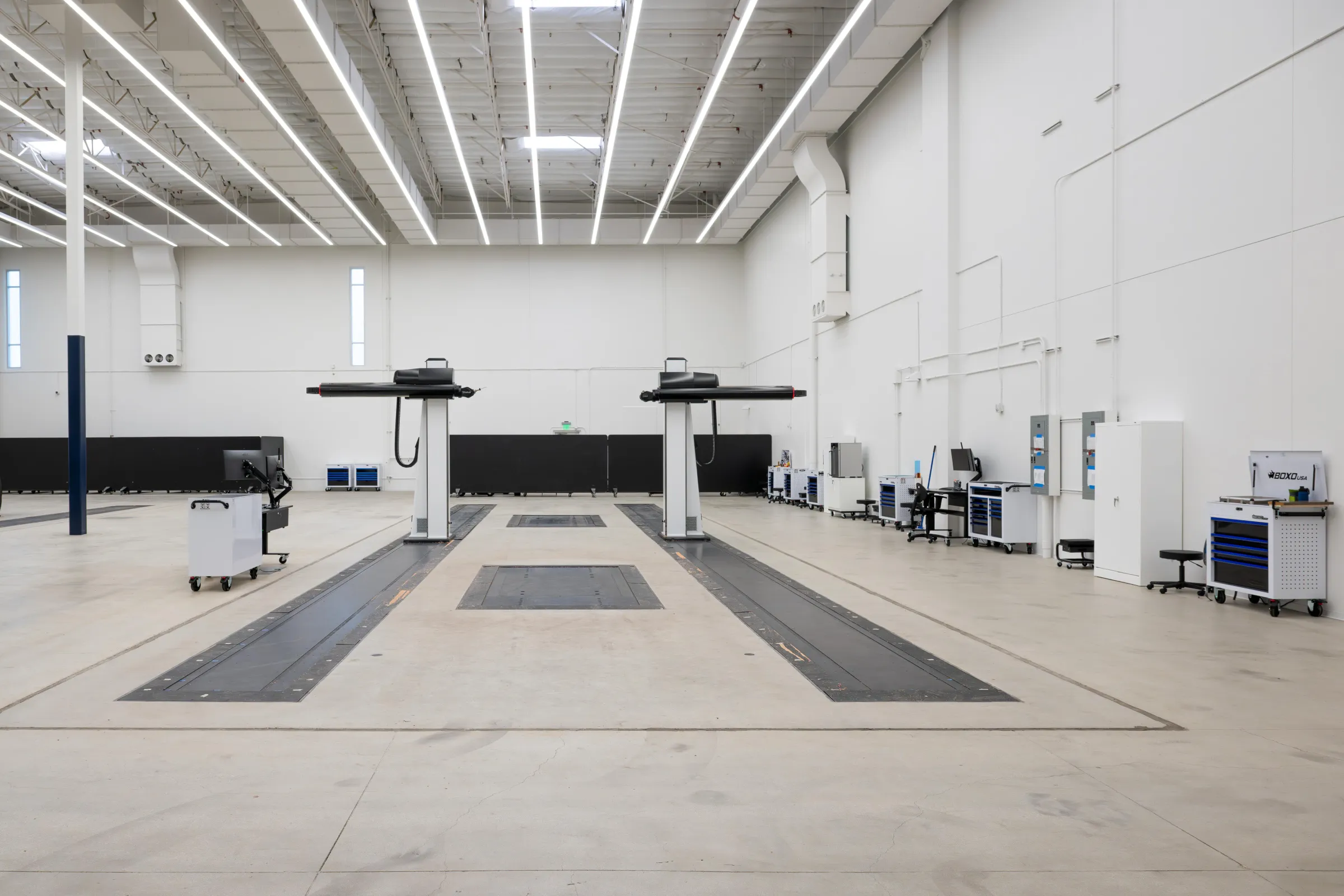
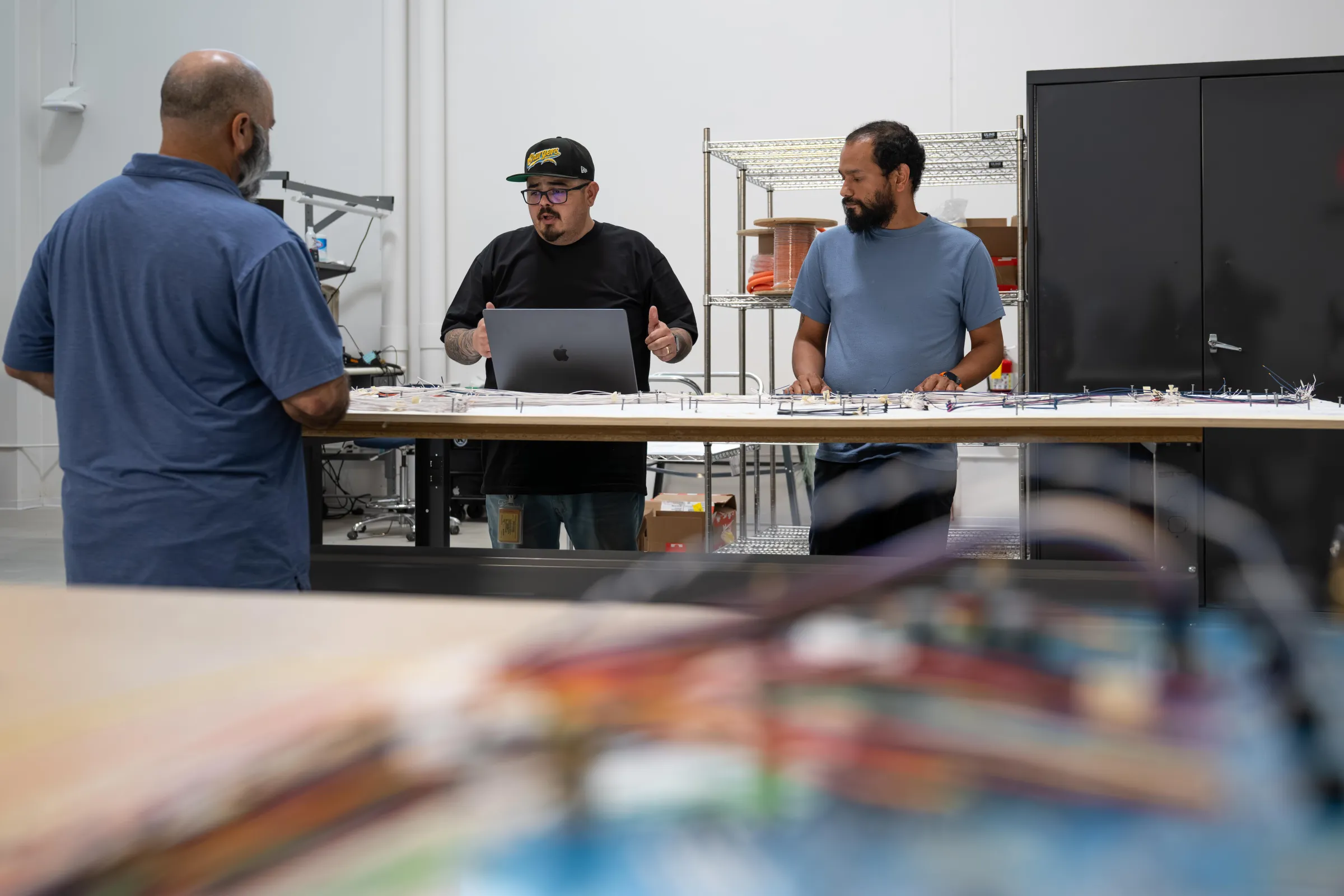
Modern vehicles contain miles of wiring. Each wire adds weight, cost, and complexity. Ford's Long Beach facility includes a dedicated harness lab focused on reducing wire length through zonal architecture.
Traditional car wiring runs from central control modules to every component. Zonal architecture places smaller controllers in each area of the vehicle, shortening wire runs. Fewer wires means lighter cars, simpler assembly, and lower material costs. Tesla pioneered this approach. Ford is now applying it to hit its price target.
Unibody Construction Returns
Ford's UEV platform uses unibody construction, where the body and frame are a single structure. This is standard for sedans and crossovers but represents a shift from the body-on-frame approach used in Ford's trucks. Unibodies are lighter and cheaper to manufacture, though they sacrifice some of the ruggedness truck buyers expect.
The choice signals Ford's priorities for this platform. The company isn't trying to build a cheap electric F-150. It's building vehicles where manufacturing efficiency matters more than towing capacity.
Why This Approach Might Work
Ford's competitors are chasing the same goal through different paths. Some bet on cheaper battery chemistries. Others hope for scale economies. Ford's Long Beach facility bets on something the company has done for over a century: building things efficiently.
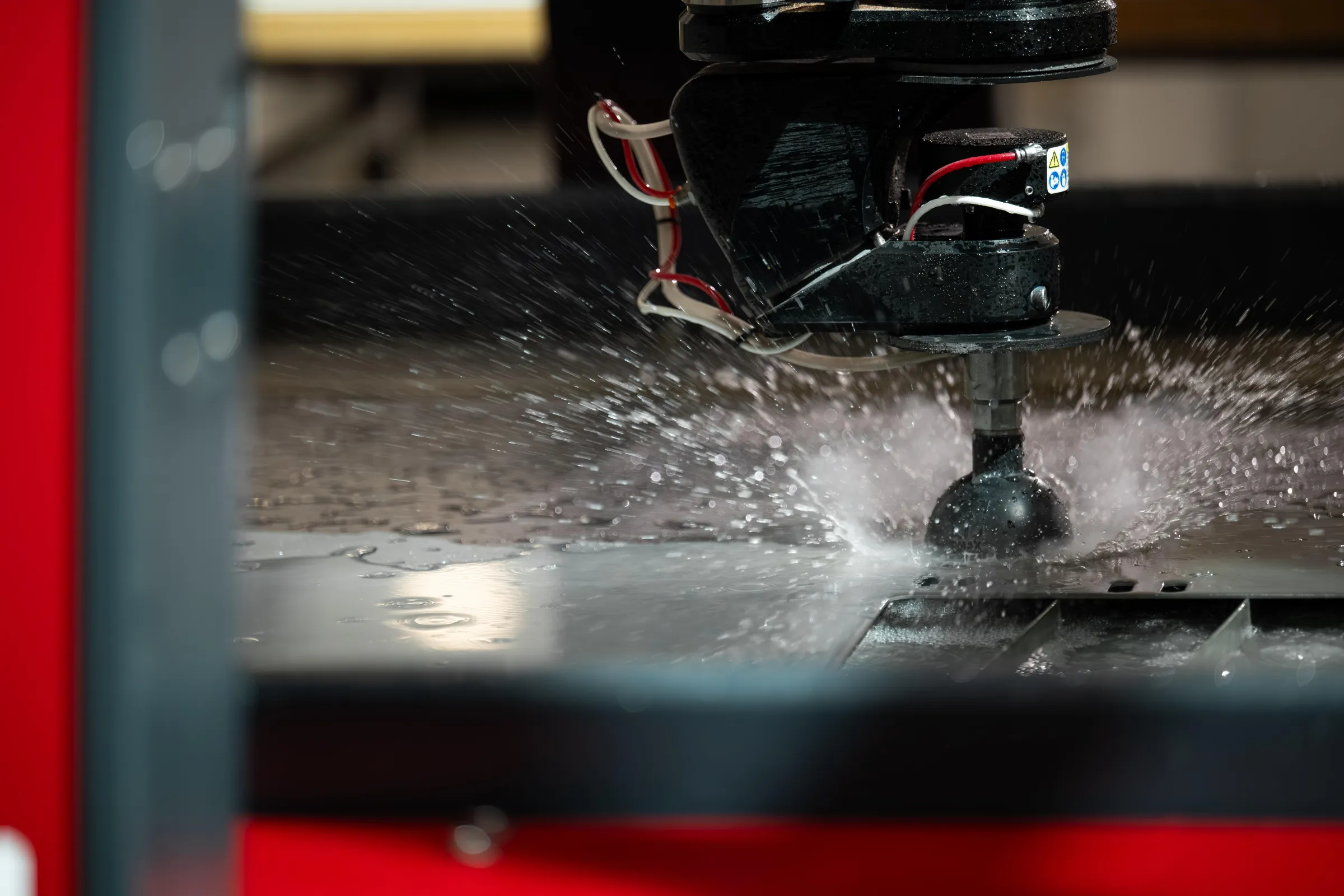
The EVDC scrutinizes every square millimeter of interior material, according to Ford. This obsessive attention to detail, applied systematically across the entire vehicle, is how the company believes it can hit $30,000 without sacrificing quality.
The Market Reality
Ford faces headwinds beyond engineering challenges. The elimination of the federal EV tax credit makes every vehicle $7,500 more expensive for buyers. Loosening emissions rules reduce regulatory pressure to sell EVs. Tariffs threaten supply chains.
The company's messaging hasn't helped. Killing the Lightning, one of the more successful electric pickups, sent mixed signals about Ford's EV commitment. The Long Beach facility represents the other side of that story: Ford is still investing, still building, still trying to crack the code.

Logicity's Take
What's Next
Ford hasn't announced specific models from the UEV platform or production timelines. The Long Beach facility is still developing and refining processes. But the company's commitment to the $30,000 target suggests we'll see results within the next few years.
For now, the EVDC remains a skunkworks operation: relatively quiet, intensely focused, and betting that old-school manufacturing discipline is the key to winning the EV price war.
Another major company rethinking manufacturing strategy
Frequently Asked Questions
Where is Ford's Electric Vehicle Development Center located?
The EVDC is located in Long Beach, California, just north of the city's airport. The facility opened less than two years ago.
What is Ford's price target for its next EV?
Ford is targeting a $30,000 price point for vehicles built on its Universal EV (UEV) platform.
How is Ford trying to reduce EV costs?
Ford is focusing on manufacturing efficiency through modular assembly, zonal electrical architecture, shorter wiring harnesses, and unibody construction.
What is zonal architecture in electric vehicles?
Zonal architecture places smaller control modules in different areas of the vehicle instead of running all wires to central controllers. This reduces wire length, weight, and complexity.
Is Ford still committed to building electric vehicles?
Yes. Despite canceling the F-150 Lightning, Ford says it will continue building EVs and is investing in the Long Beach development center to achieve lower costs.
Need Help Implementing This?
Manaal Khan
Tech & Innovation Writer
Produced with AI assistance and reviewed by the Logicity editorial team. Learn more in our Editorial Policy.