Key Takeaways
- Fika Jobs raised $4M pre-seed to build a platform combining AI interview agents with TikTok-style video profiles
- Candidates complete 10-minute AI interviews powered by Google Gemini, creating a persistent video profile employers can browse
- The company charges employers 10% of first-year salary per hire, undercutting traditional recruiter fees of 20-30%
Fika Jobs, a Stockholm startup, has raised $4 million in pre-seed funding to build a hiring platform where AI agents conduct video interviews and candidates maintain TikTok-style profiles instead of sending resumes into the void. Luminar Ventures led the round, with Alliance VC and Candy Crush creators Sebastian Knutsson and Riccardo Zacconi also participating.
The pitch: hiring is broken. Candidates spend hours on applications that vanish into automated screening systems. Employers drown in submissions they cannot meaningfully evaluate. Fika's answer is to flip the process. Instead of applying to jobs, candidates record a 10-minute video interview with an AI agent, and that interview becomes a living profile employers can discover.
How the Fika Jobs platform works
Job seekers connect their LinkedIn profiles. Fika's AI reviews their background and generates personalized interview questions. The candidate then completes a video interview with an AI agent built on Google's Gemini models. After the interview, Fika automatically clips responses into short videos and organizes them into a searchable profile.
The model differs from most AI recruiting tools. Competitors like Alex, Maki, and Mercor focus on helping employers screen and match candidates more efficiently. Fika builds a pool of pre-interviewed candidates that employers browse. Think LinkedIn meets TikTok, but with an AI gatekeeper.
Why the founders built it
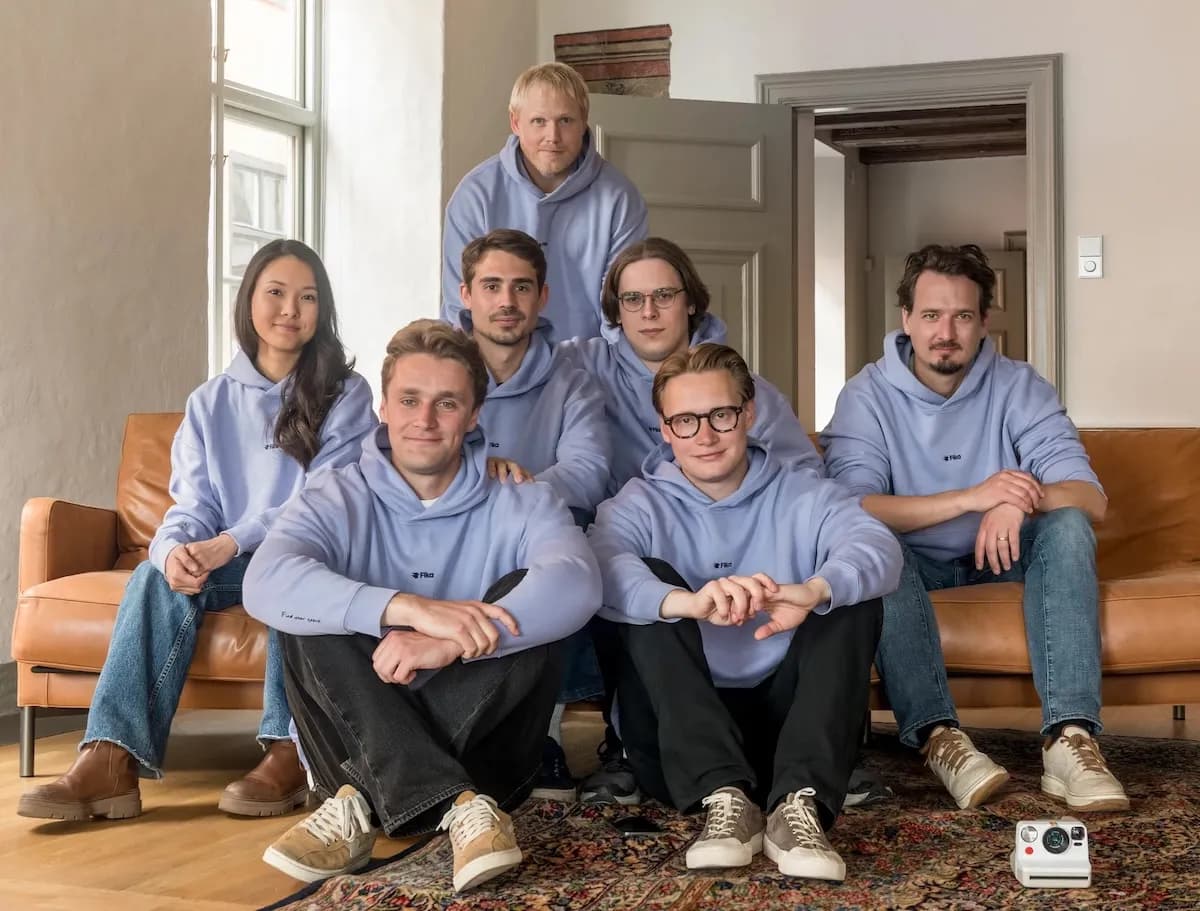
Brothers Jakob Dubois (CEO) and Alexander Dubois (CTO) founded Fika after an experience at their previous company, the social app Gaff. They nearly passed on a candidate whose resume did not stand out.
“We ended up speaking with him anyway, and within minutes, his grit, drive, and ambition became obvious. Exactly the kind of person we wanted to hire.”
— Jakob Dubois, CEO of Fika Jobs
That close call convinced them that communication skills, personality, and cultural fit are nearly impossible to capture on paper. A video interview, they argue, surfaces these traits before employers invest time in calls and on-sites.
The bias problem video introduces
Video profiles create an obvious risk. When employers see a candidate's race, age, gender, physical appearance, and accent before reading qualifications, discrimination becomes easier. Resumes obscure some of this. That is why companies have moved toward blind screening.
Fika has not detailed how it plans to mitigate these risks. The company's bet is that the benefits of showcasing communication skills outweigh the bias exposure, particularly for early-career candidates and those from non-traditional backgrounds whose potential does not translate to bullet points.
Business model and pricing
The platform is free for job seekers. Employers pay nothing upfront. Fika takes 10% of a candidate's first-year salary when a hire is made. That undercuts traditional recruiters and headhunters, who typically charge 20% to 30% placement fees.
For a company hiring a software engineer at $150,000, Fika's fee would be $15,000 versus $30,000 to $45,000 from a recruiter. The savings are real, assuming the platform delivers qualified candidates.
Early traction and launch plans
More than 100 companies are on Fika's waitlist, though the founders declined to name them. Over 50 companies have tested the platform, including Plenty Labs, SICS.ai, Kognity, and Rebtel. The team is small now but expects to reach 10 employees by year-end.
Fika opens early access to candidates this week. A broader public launch is planned for fall 2026. The company will focus on Sweden first before expanding internationally.
Logicity's Take
Fika's real test is not whether AI can conduct interviews. It is whether employers will trust a pool of pre-screened candidates enough to abandon their own sourcing. The 10% fee structure only works if Fika drives enough volume. And the bias question is not a footnote. If early hires skew toward candidates who present well on camera, the platform could face the same backlash that forced HireVue to drop facial analysis in 2021. The founders have a compelling origin story. They need a compelling answer on fairness.
Frequently Asked Questions
How does Fika Jobs work for candidates?
Candidates connect their LinkedIn profile, complete a 10-minute AI video interview powered by Google Gemini, and Fika automatically creates a video profile that employers can browse.
How much does Fika Jobs charge employers?
Employers pay nothing upfront. Fika takes 10% of a candidate's first-year salary when a successful hire is made, lower than the 20-30% charged by traditional recruiters.
When is Fika Jobs launching?
Early access for candidates opens this week. A broader public launch is expected in fall 2026, starting in Sweden before international expansion.
What AI powers Fika Jobs interviews?
The AI interview agent is currently powered by Google's Gemini models, which generate personalized questions based on the candidate's LinkedIn profile.
Need Help Implementing This?
If you're evaluating AI recruiting tools for your organization or building in the HR tech space, Logicity's research desk can help you map the competitive landscape and identify integration opportunities. Reach out to our team for a custom briefing.
Source: Enterprise News | TechCrunch / Lauren Forristal
Manaal Khan
Tech & Innovation Writer
Produced with AI assistance and reviewed by the Logicity editorial team. Learn more in our Editorial Policy.




