Key Takeaways
- Figma now supports code, animations, 3D depth, and WebGPU shaders directly on its design canvas
- The company uses external AI models from providers like Anthropic, which competes with Figma's own product vision
- New collaboration features let teams share AI prompts and workflows to reduce redundant token consumption
Figma unveiled a sweeping expansion of its design canvas at Config 2026 in San Francisco, adding code editing, motion design, 3D depth, and GPU-powered shaders to a single workspace. The catch: the AI powering these features comes from external providers like Anthropic, the same company building tools that compete directly with Figma's core product.
That dependency shapes the entire announcement. Figma is betting that human judgment, not model ownership, is the differentiator. The company says 95 percent of Fortune 500 firms build products in Figma, and it wants to keep them there even as AI competitors offer one-click interface generation.
What did Figma actually ship?
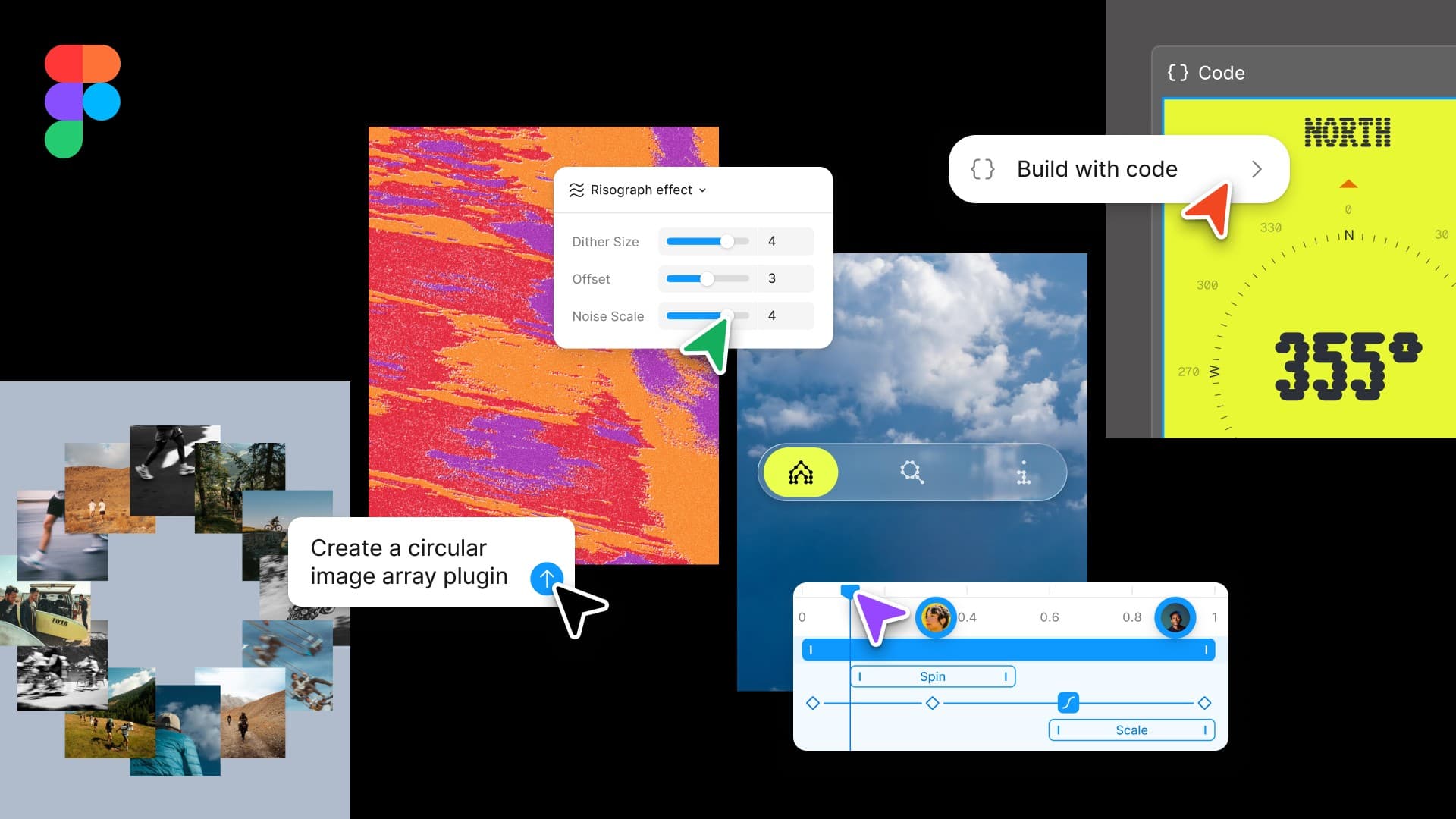
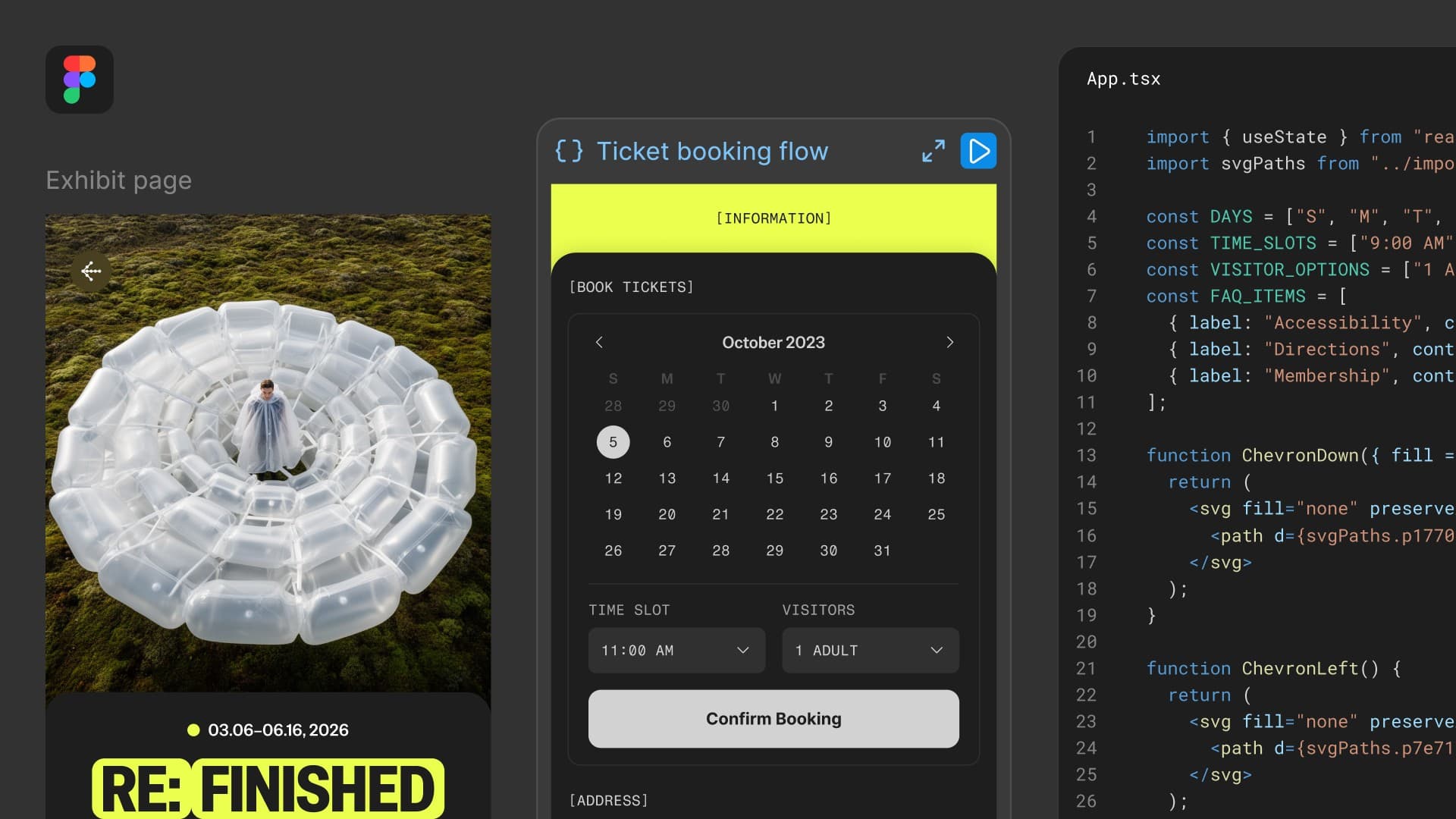
The biggest change is Code Layers. Last year, Figma introduced code to the canvas through Figma Make. Now Make connects directly to a team's production repository. It applies changes through branches, commits, and pull requests without opening a terminal. Designers can generate code from a mockup, prompt an AI agent to refine it, or import an existing repo from GitHub. They can drag code into editable design layers, tweak visuals, and convert back to code.
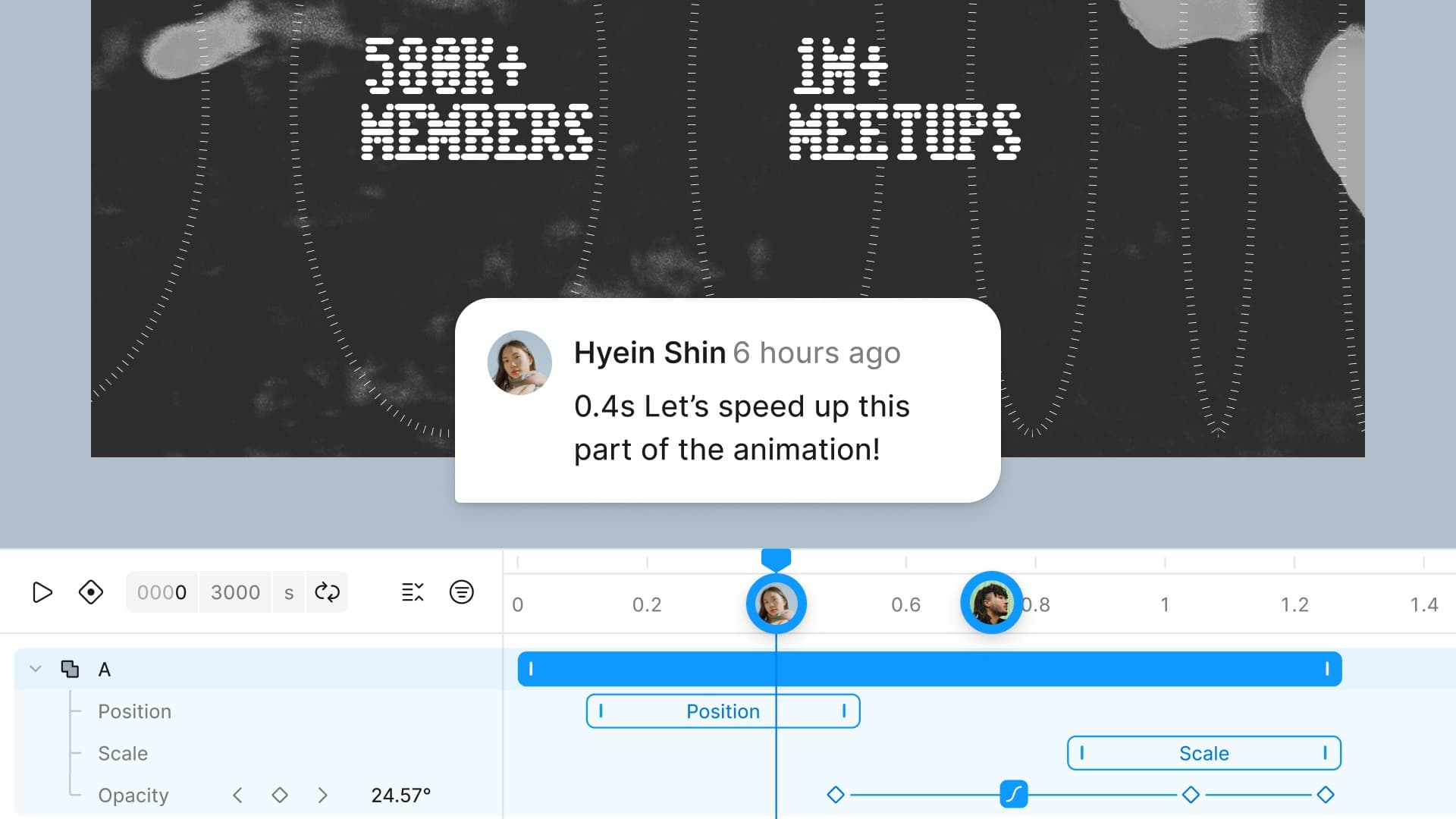
Motion is the second pillar. Animations, transitions, and keyframe timelines that previously required After Effects or Lottie workflows now live inside Figma. Teams can edit them collaboratively, generate them through an agent, and push them to production via Dev Mode and MCP. Comments appear directly on the timeline.
Third is depth. Figma now supports 3D transformations natively. Designers can shape perspective instead of faking it with layered shadows. The feature targets spatial interfaces and AR-ready mockups.
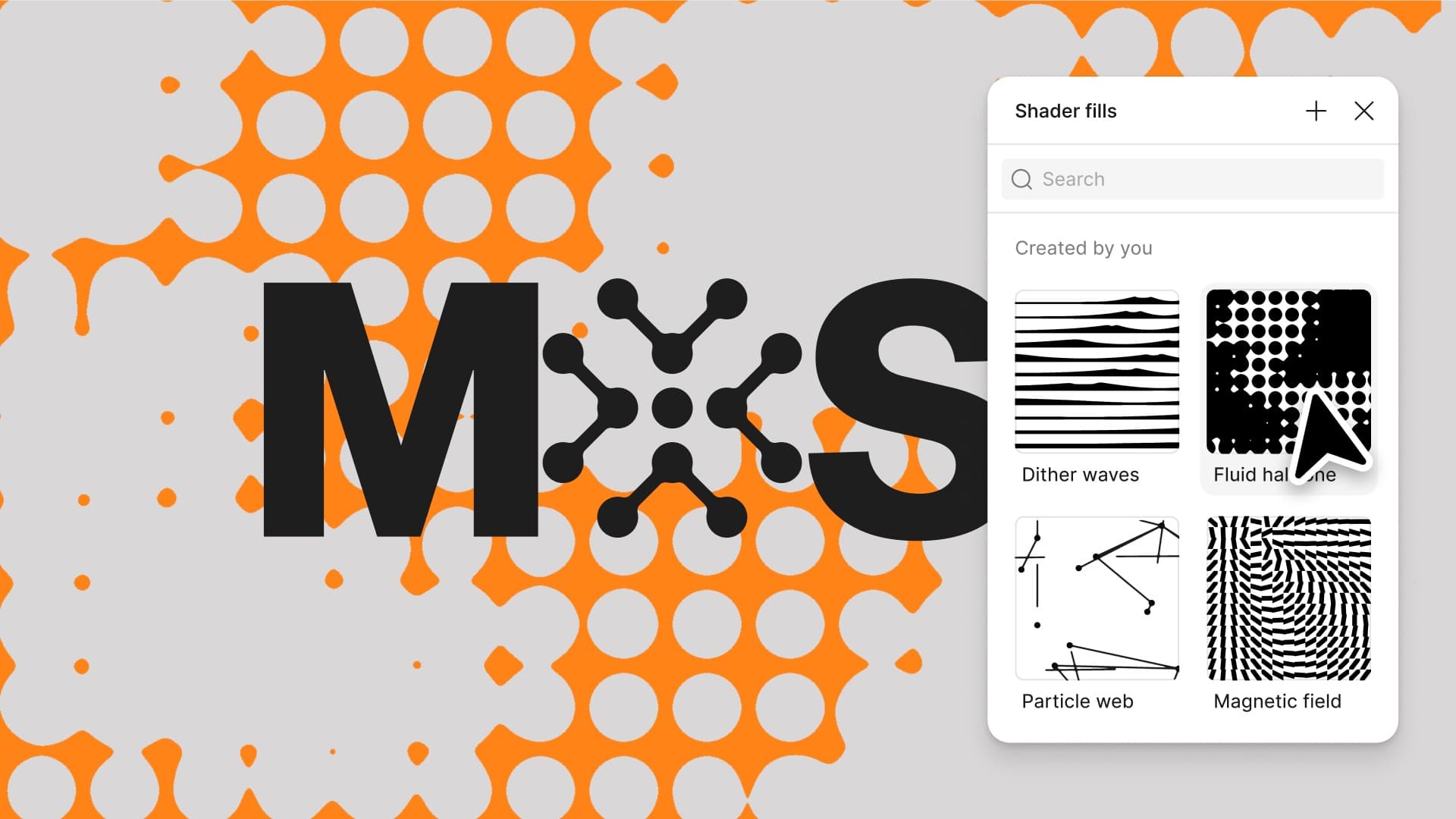
Fourth, shaders. Using WebGPU, Figma can render effects like dithering, pixelation, blur variants, frosted glass, and polished chrome surfaces. Users describe the effect they want in plain language, and an agent generates it with adjustable controls. This previously required graphics programming.
Finally, Figma is integrating Weave, the workflow system it acquired last year. Weave combines multiple AI models and image sources into a single design direction for campaigns. Over 20 Weave tools are available on the canvas starting this week. Full integration is expected later in 2026.
Why is Figma sharing prompts and skills?
AI has made solo design faster but team design harder. Reviews pile up. Context gets lost. Figma's answer: make the prompts themselves shareable assets.
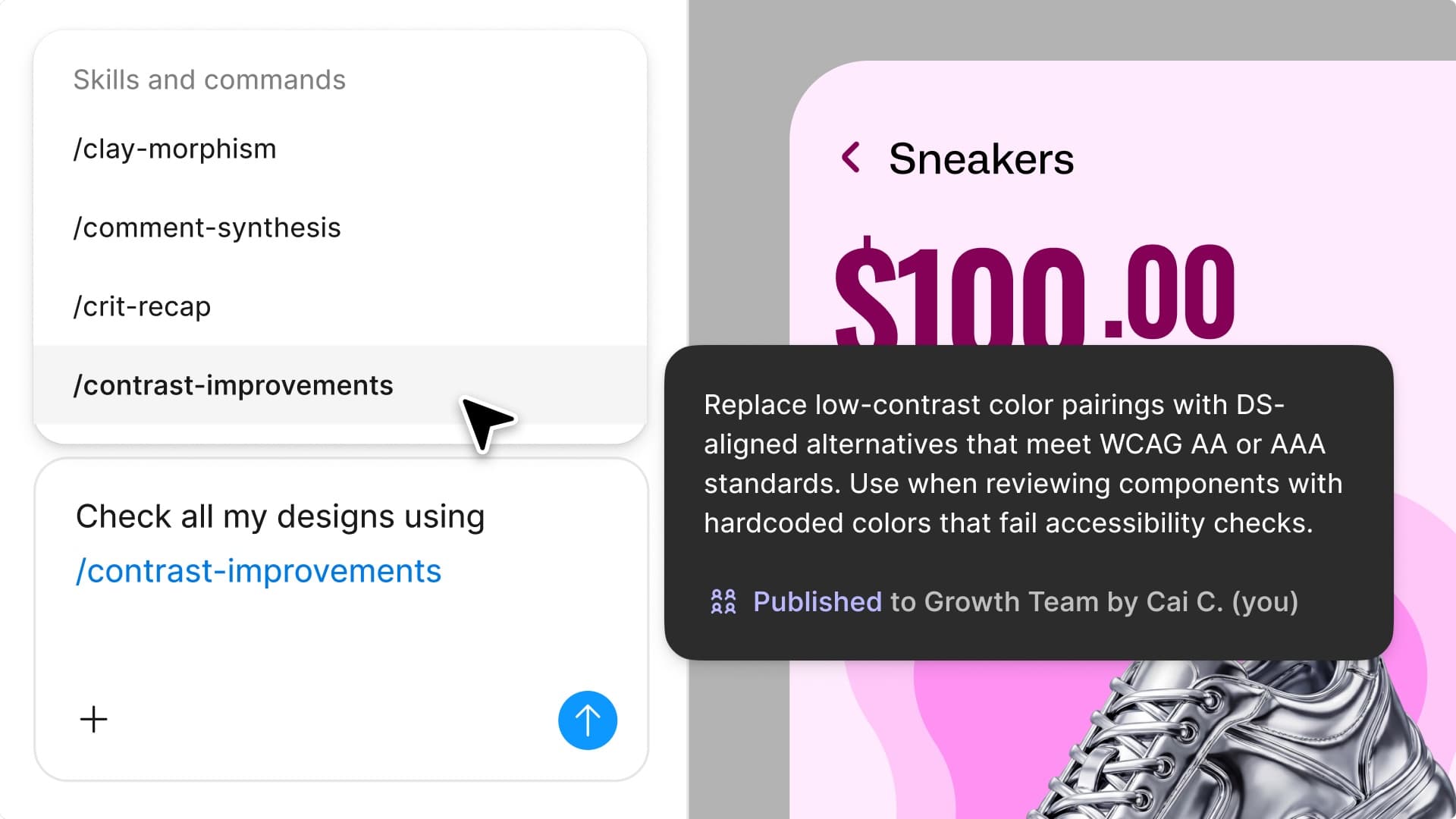
Every agent interaction produces a workflow and a prompting technique. Users can now search through what their teammates' agents have done and reuse successful approaches as a starting point. Frequently used workflows can be saved as 'skills' and deployed team-wide. A custom command like /contrast-improvements can check all designs for accessibility violations and apply fixes automatically.
The business logic is clear. Shared prompts mean fewer redundant API calls. When inference costs hit the income statement, efficiency matters.
How does external AI affect Figma's margins?
Figma does not build its own foundation models. It licenses inference from providers like Anthropic. That creates two problems.
First, cost. AI-generated code, images, and shaders consume tokens. At scale, those API bills squeeze gross margins. Figma's response is to reduce token consumption through tighter design-to-code integration and shared workflows.
Second, competition. Anthropic and OpenAI are building products that generate entire interfaces from a prompt. If a user can go straight from text to deployed app, why stop at Figma? The company's answer is control. AI outputs are starting points, not final deliverables. The new tools let designers keep tweaking instead of accept-or-re-prompt.
What's Figma's real bet here?
Generating interfaces is cheap. Human attention is not. Models trained on internet-average content produce internet-average output. Figma is positioning itself as the place where designers escape that average through depth, motion, shaders, and precise code control.
It's a reasonable bet. But it depends on AI providers remaining neutral infrastructure, not vertically integrated competitors. Anthropic already offers Claude Artifacts, which generates interactive web components. OpenAI's ChatGPT can produce working HTML and React code. The distance between 'AI assistant' and 'AI design tool' is shrinking.
Figma's moat is not technology. It's the teams already embedded in the product and the workflows they've built there. Config 2026 is about deepening that lock-in before someone else's model makes the canvas irrelevant.
Frequently Asked Questions
What new features did Figma announce at Config 2026?
Figma introduced Code Layers for direct code editing on the canvas, Motion for animations and timelines, 3D depth transformations, WebGPU-powered shaders, and integration of Weave for multi-model AI workflows.
Why doesn't Figma build its own AI models?
Figma uses external AI providers like Anthropic instead of developing proprietary models. The company focuses on integration and user control rather than competing in foundation model development.
How does Figma's AI dependency affect its profitability?
High inference costs from external AI providers squeeze Figma's profit margins. The company is addressing this through shared prompts, reusable workflows, and tighter design-to-code integration to reduce token consumption.
What are Figma Agent Skills?
Agent Skills are custom commands that teams can define, share, and apply across designs. Examples include /contrast-improvements for automatic accessibility fixes or /clay-morphism for consistent styling.
Is Figma competing with Anthropic and OpenAI?
Indirectly, yes. While Figma uses Anthropic's AI, both Anthropic and OpenAI are building tools that generate interfaces directly, potentially bypassing design tools like Figma entirely.
Logicity's Take
Figma's strategy only works if designers remain the decision-makers. The moment AI-generated interfaces become good enough for production, the 'human judgment' pitch loses its weight. Config 2026 shows Figma racing to add differentiation layers before that happens. Whether motion, shaders, and shared prompts are enough to outrun models that improve every quarter is the open question.
Need Help Implementing This?
If your team is evaluating Figma's new AI features or considering how design-to-code workflows fit your stack, contact Logicity for implementation guidance and tool comparison analysis.
Source: The Decoder / Jonathan Kemper
Manaal Khan
Tech & Innovation Writer
Produced with AI assistance and reviewed by the Logicity editorial team. Learn more in our Editorial Policy.