Key Takeaways
- Fibe's IPO includes a ₹750 Cr fresh issue plus an OFS of over 4 Cr shares
- Net profit more than doubled to ₹257.5 Cr in FY26 from ₹113.7 Cr in FY25
- ₹562.6 Cr of proceeds will fund the NBFC subsidiary over two fiscal years
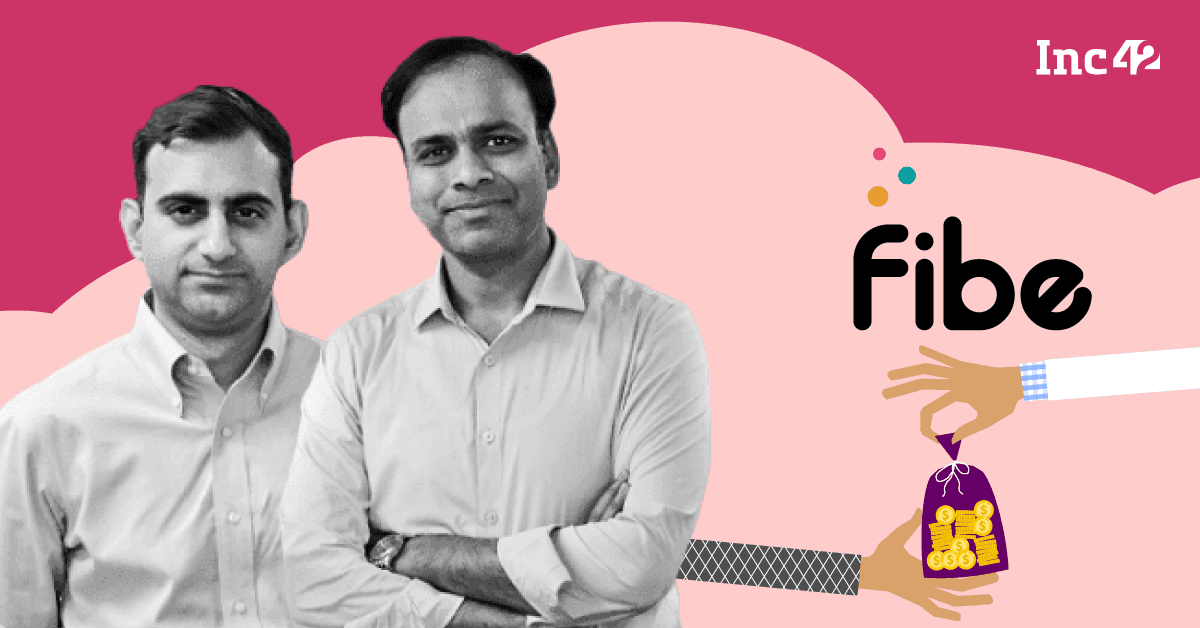
Fibe, the lending fintech formerly known as EarlySalary, has filed its draft red herring prospectus with SEBI. The IPO will comprise a fresh issue of up to ₹750 Cr and an offer-for-sale of more than 4 crore shares, giving TPG, Norwest Capital, Eight Roads Ventures, and Chiratae Ventures their exit.
TPG's Rise Fund III SF Pte Ltd will be the largest selling shareholder, offloading up to 1.17 crore shares. Norwest Capital plans to sell 67.38 lakh shares, while Eight Roads Ventures will part with 65.56 lakh. Piramal Finance, TR Capital, IDG Ventures, and Chiratae round out the selling list.
Where will the ₹750 Cr go?
Fibe is not raising money to experiment. The DRHP states that ₹562.6 Cr of the fresh issue proceeds will flow directly into EarlySalary Services Pvt Ltd, its NBFC subsidiary, over the next two fiscal years. That's 75% of the raise earmarked for lending capital. The remainder covers general corporate purposes.
This allocation tells you what Fibe's growth story hinges on: lending volume. The company needs capital on the NBFC's books to underwrite more loans. Public market money, once raised, is cheaper than perpetual VC rounds.
FY26 financials: profit doubled, revenue up 31%
The timing isn't accidental. Fibe's net profit jumped to ₹257.5 Cr in FY26 from ₹113.7 Cr in FY25, a 126% increase. Operating revenue rose 31% to ₹1,584.6 Cr from ₹1,208.9 Cr. These numbers position the company as a profitable fintech going public, not one burning cash in hopes of future unit economics.
Profitable IPOs have fared better with Indian retail investors since 2023. Paytm's stumble taught the market to scrutinize unit economics before pricing in TAM narratives. Fibe's filing arrives when investors want proof, not projections.
From salary advance to full-stack lending
Fibe started in 2015 as EarlySalary, offering salaried millennials small advances against their upcoming paychecks. Co-founders Akshay Mehrotra and Ashish Sharma built the company in Pune, positioning it as an alternative to payday lenders charging usurious rates. The model was simple: verify employment, assess repayment capacity via bank statements, and disburse within hours.
The company rebranded to Fibe in 2022 as it expanded into personal loans, credit lines, and co-branded credit cards. The shift reflected a reality: salary advances alone don't generate the revenue or loan book size needed for a ₹750 Cr IPO. Fibe now competes directly with consumer lenders like KreditBee, MoneyTap, and the lending arms of Paytm and PhonePe.
Why investors are selling now
TPG's Rise Fund invested in 2021 when Fibe raised $75 million in a Series E round. That's nearly four years of holding. Venture capital funds operate on a 7-10 year lifecycle, and a profitable IPO in Year 4 is exactly the exit path LPs expect. Norwest and Eight Roads, both earlier investors, face similar pressure to return capital.
The OFS structure also signals confidence. When investors sell shares in an IPO rather than waiting for lock-up expiry, they're betting the listing price will be strong enough to clear their positions. A weak company wouldn't attract buyers for 4 crore shares at any reasonable valuation.
What happens next
SEBI will review the DRHP and issue observations. Fibe will then refile with responses and set a price band. Given current market conditions, expect the roadshow and listing in late 2025 or early 2026, assuming no regulatory delays.
The lending fintech sector will watch closely. Fibe's valuation at listing will reset expectations for KreditBee, MoneyTap, and other growth-stage lenders eyeing public markets. A strong debut could open the floodgates; a tepid one will keep rivals private longer.
Logicity's Take
Fibe's IPO is a litmus test for India's consumer lending fintechs. The company's 126% profit growth and clear use of proceeds (75% to NBFC capital) should appeal to institutional investors tired of fintech companies that burn cash on customer acquisition. For finance teams at competing lenders, the DRHP disclosure on customer acquisition cost, default rates, and cohort-level repayment behavior will be more valuable than any pitch deck. Read it closely when SEBI makes it public. Fibe's numbers will become the benchmark your board uses to evaluate your own metrics.
Frequently Asked Questions
What is the size of Fibe's IPO?
The IPO includes a fresh issue of up to ₹750 Cr and an offer-for-sale of more than 4 crore shares by existing investors including TPG, Norwest Capital, and Eight Roads Ventures.
Is Fibe profitable?
Yes. Fibe reported a net profit of ₹257.5 Cr in FY26, more than double its ₹113.7 Cr profit in FY25. Operating revenue grew 31% to ₹1,584.6 Cr.
How will Fibe use the IPO proceeds?
Fibe plans to invest ₹562.6 Cr in its NBFC subsidiary, EarlySalary Services Pvt Ltd, over the next two fiscal years. The rest will fund general corporate purposes.
When will Fibe's IPO open for subscription?
The timeline depends on SEBI's review of the DRHP. Listing is expected in late 2025 or early 2026 if there are no regulatory delays.
Who are the largest selling shareholders in Fibe's IPO?
TPG's Rise Fund III SF Pte Ltd is the largest, selling up to 1.17 crore shares. Norwest Capital and Eight Roads Ventures follow with 67.38 lakh and 65.56 lakh shares respectively.
Need Help Implementing This?
If you're building a lending platform and want to understand the tech stack, compliance workflows, or automation systems behind companies like Fibe, reach out to Logicity's consulting team. We help fintech teams design scalable infrastructure before the regulators come knocking.
Source: Inc42 Media / Akshit Pushkarna
Manaal Khan
Tech & Innovation Writer
Produced with AI assistance and reviewed by the Logicity editorial team. Learn more in our Editorial Policy.