Key Takeaways
- F1 will increase V6 power by 50 kW and reduce electric motor output by 50 kW for 2027
- The rebalance addresses battery depletion problems visible at the Japanese Grand Prix
- New power split: 450 kW from V6, 300 kW from electric motor
The Problem F1 Created for Itself
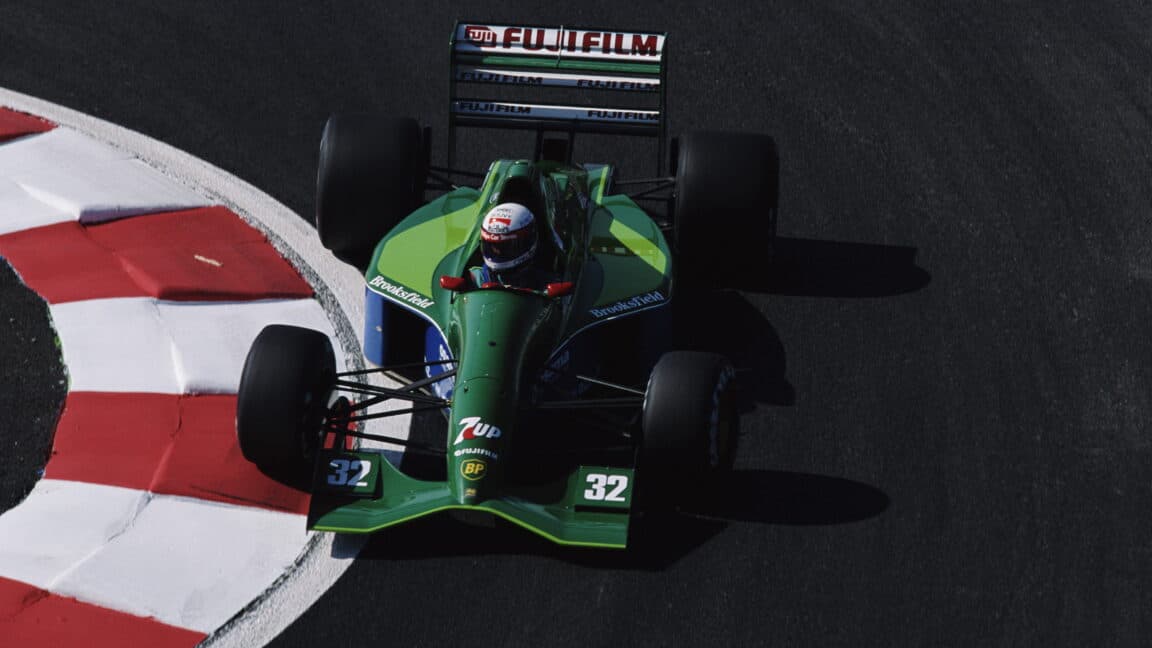
Formula 1's 2026 technical regulations have been years in the making. The FIA published final rules in 2024, emphasizing the electric side of the hybrid system. The goal was to attract new automakers to the sport. It worked. Audi committed to entering F1.
But engineers spotted trouble early. The battery capacity looked too small to feed the powerful electric motor for most of a lap. And there was a catch: cars can only have an electric motor at the rear axle, not the front. This limits how much energy they can recover under braking.
The rear-only motor rule exists for a specific reason. The FIA reportedly worried that Audi, with its quattro all-wheel-drive expertise, would gain an unfair advantage with front motors.
There's a workaround called super clipping. The electric motor can pull power from the V6 to recharge the battery. The problem? Any power going to the battery can't go to the wheels. Critics warned this could create dangerous speed differences between cars on track.
The Japanese Grand Prix in March proved the skeptics right. The battery depletion issues were obvious. Qualifying at Miami got small tweaks to restore some spectacle. But the underlying problem remained.
What Changes in 2027
The FIA, teams, power unit manufacturers, and F1 Management have reached an agreement in principle. For 2027, the V6 will gain 50 kW (67 hp) while the electric motor loses 50 kW.
The V6 power increase comes from higher fuel flow limits. With less electrical power to deploy, cars should maintain a higher state of charge throughout each lap. When super clipping is needed, the extra V6 output leaves more power available to actually move the car.
Credit to the stakeholders here: there's been no defensiveness. The FIA and teams acknowledged the complaints and moved to fix them. That's not always how motorsport governance works.
The Original 2026 Vision
Understanding the fix requires understanding what F1 was trying to achieve. The 2026 regulations promised a near-50:50 power split between combustion and electric. The V6 turbo would be simpler than the previous generation and run on carbon-neutral fuels. Active aerodynamics would cut drag.
The electric emphasis served a business purpose. Automakers investing billions in EV technology wanted their F1 programs to reflect that direction. A heavily electric hybrid made the sport more relevant to their marketing and R&D strategies.
The trade-off became clear once cars hit the track. Engineering reality clashed with regulatory ambition. The batteries simply couldn't sustain the electric output the rules demanded.
Trade-offs Remain
The 2027 changes don't solve everything. The fundamental battery capacity constraints remain. The rear-only motor rule stays in place. Cars will still face energy management challenges.
What the rebalance does is give teams more headroom. When the battery runs low, the V6 can compensate more effectively. Drivers should experience fewer sudden power deficits that create on-track hazards.
The agreement is still technically only in principle. Final ratification and detailed technical regulations need to follow. Given the consensus among all major stakeholders, that process should be straightforward.

Logicity's Take
Frequently Asked Questions
When do F1's new engine rules take effect?
The current V6 hybrid regulations started in 2026. The power rebalance shifting 50 kW from electric to combustion takes effect in 2027.
Why can't F1 cars have front electric motors?
The FIA restricted motors to the rear axle reportedly to prevent Audi from gaining an advantage with its all-wheel-drive expertise.
What is super clipping in F1?
Super clipping is when the electric motor draws power from the V6 to recharge the battery instead of driving the wheels. It helps manage battery depletion but reduces available power.
How much power will 2027 F1 cars produce?
The combined output will be 750 kW (1,005 hp), split as 450 kW from the V6 turbo and 300 kW from the electric motor.
Need Help Implementing This?
Source: Ars Technica
Manaal Khan
Tech & Innovation Writer
Produced with AI assistance and reviewed by the Logicity editorial team. Learn more in our Editorial Policy.