Key Takeaways
Digital Twins for Real-World Challenges | GeoSpatialNext - Dubai'25
- Dubai's Digital Twin Platform integrates 195,000 buildings, 330,000 public facilities, and 280,000 infrastructure assets into a unified 3D model
- The platform uses 1,500 geospatial data layers and 100 two- and three-dimensional applications for real-time urban planning
- Sheikh Hamdan framed the initiative as essential for cities competing in digital transformation and AI adoption
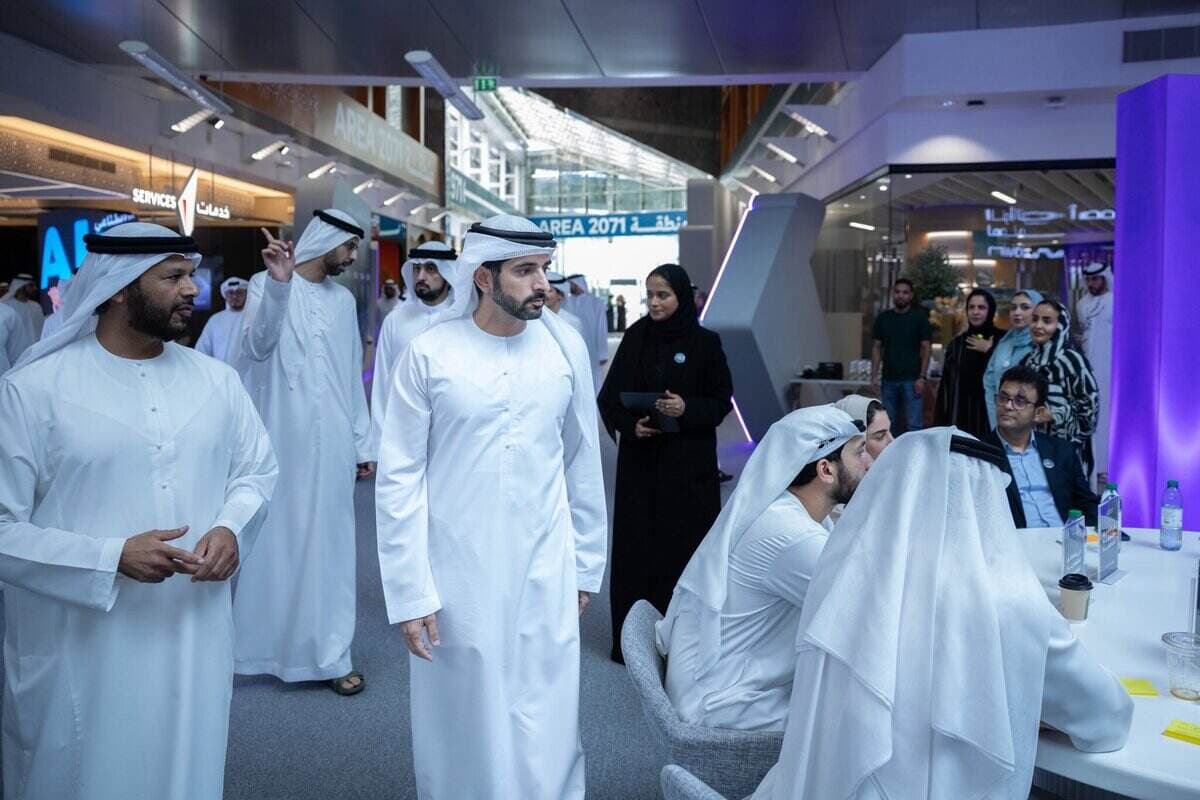
Dubai Municipality has launched the Dubai Digital Twin Platform, a city-scale virtual replica that integrates 3D models of 195,000 buildings, 330,000 public facilities, and 280,000 infrastructure assets. Sheikh Hamdan bin Mohammed bin Rashid Al Maktoum, Crown Prince of Dubai, witnessed the launch during a workshop titled 'Partners in Building the Digital Twin' on Thursday.
The platform pulls from 1,500 geospatial data layers and runs 100 two- and three-dimensional applications. Its stated purpose: support urban planning decisions with real-time data before money gets spent on physical infrastructure.
What does the Dubai Digital Twin Platform actually do?
A digital twin is a virtual replica of physical assets that mirrors real-world conditions using sensor data, satellite imagery, and simulation models. Dubai's version attempts to unify the entire emirate's infrastructure under a single queryable system.
The platform combines building footprints, road networks, utilities, and public facilities into an integrated model. Urban planners can simulate traffic flow changes, assess building permit impacts on surrounding infrastructure, or model emergency response scenarios before committing resources.
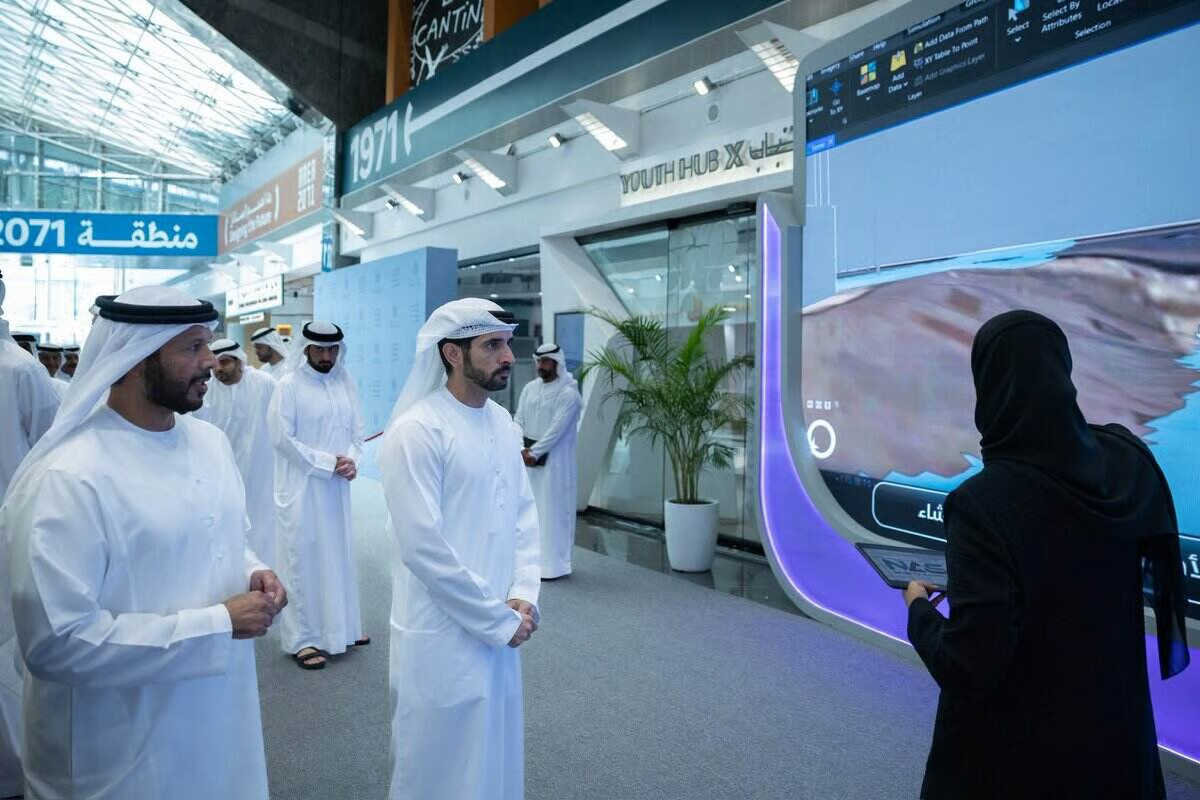
"This project embodies Mohammed bin Rashid's vision of harnessing advanced technology and data to build a city that is better prepared for the future," Sheikh Hamdan said at the launch.
The competitive framing: AI and public-private collaboration
Sheikh Hamdan made an explicit argument about city competition. "In the race for excellence, leadership will ultimately belong to cities that shape integrated digital ecosystems and embrace artificial intelligence while fostering collaboration between the public and private sectors as well as entrepreneurs," he said.
This positions the digital twin not as a standalone tech project but as infrastructure for a broader AI strategy. A unified 3D model of city assets becomes training data, simulation environment, and decision support system for whatever AI applications Dubai builds on top.
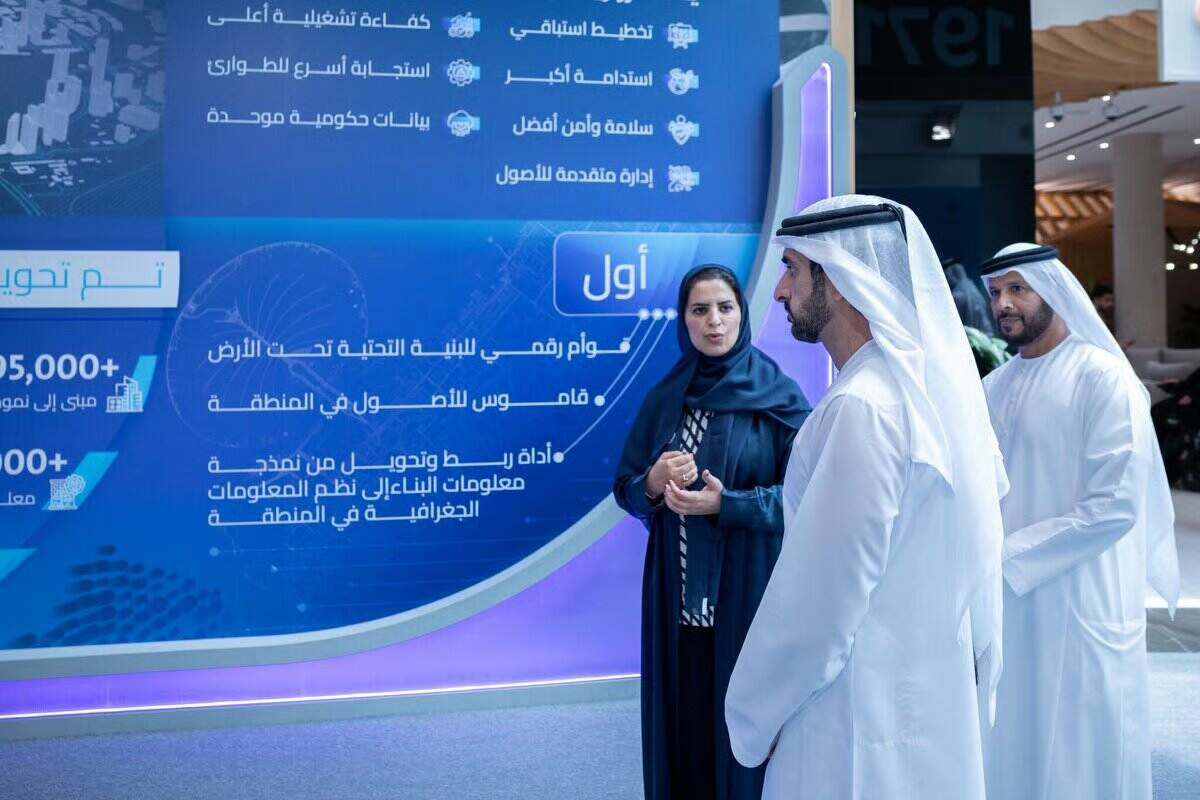
The platform aligns with Dubai's D33 Economic Agenda, which targets doubling the emirate's economy by 2033 through diversification and digital transformation.
Technical scope and integration challenges
The numbers are large: 195,000 buildings and 280,000 infrastructure assets across an emirate that spans 4,114 square kilometers. Keeping a digital twin accurate requires continuous data feeds from sensors, permits, construction records, and utility systems.
Dubai Municipality did not disclose the update frequency or data pipeline architecture. For AI builders, the value of a digital twin depends entirely on data freshness. A model updated monthly serves different use cases than one updated hourly.
The 1,500 geospatial layers suggest integration across multiple municipal departments. Whether private sector developers and entrepreneurs get API access, and under what terms, remains unclear from the launch announcement.
Where digital twins are heading
Singapore's Virtual Singapore project launched in 2018 and remains the benchmark for national-scale digital twins. Shanghai, Helsinki, and several UK cities have deployed similar platforms. The technology has matured from visualization to simulation, with newer implementations running predictive models for energy consumption, flood risk, and crowd dynamics.
Dubai's platform enters this space with the advantage of relatively new infrastructure and strong central authority over data sharing. The disadvantage: proving the platform delivers measurable improvements over traditional planning methods takes years.
Logicity's Take
For AI builders and product teams, Dubai's digital twin is interesting less for what it does today than for what it enables. A city-scale 3D model with real-time data becomes a simulation environment for autonomous vehicle routing, energy optimization algorithms, or construction planning tools. The competitive opportunity lies in building applications on top of platforms like this. The unanswered question: will Dubai offer developer access, and at what cost? Watch for API announcements in the next six months. If access stays government-only, the platform remains a planning tool. If it opens to entrepreneurs, it becomes a market.
Frequently Asked Questions
What is a digital twin in urban planning?
A digital twin is a virtual replica of physical infrastructure that uses real-time data to simulate conditions. Cities use them to test planning decisions, predict maintenance needs, and coordinate emergency response before deploying resources.
How many buildings are included in Dubai's Digital Twin Platform?
The platform integrates 3D models of 195,000 buildings, along with 330,000 public facilities and 280,000 infrastructure assets across the emirate.
Which other cities have deployed digital twin platforms?
Singapore's Virtual Singapore is the most cited example. Shanghai, Helsinki, Boston, and several UK cities including Newcastle and Bristol have also implemented city-scale digital twins.
Does Dubai's digital twin use artificial intelligence?
The platform is positioned as infrastructure for AI applications. It provides the data and simulation environment; AI models for specific use cases would be built on top.
Can private companies access Dubai's Digital Twin Platform?
The launch announcement did not specify developer or API access. Sheikh Hamdan mentioned public-private collaboration, but commercial access terms have not been disclosed.
Context on how regions are competing in AI infrastructure and readiness
Need Help Implementing This?
Building on smart city data or evaluating digital twin platforms for your projects? Reach out to Logicity for product strategy consulting or join our newsletter for coverage of infrastructure AI developments.
Source: Economy Middle East
Manaal Khan
Tech & Innovation Writer
Produced with AI assistance and reviewed by the Logicity editorial team. Learn more in our Editorial Policy.