Key Takeaways
- DOJ filed to dismiss NAACP lawsuit against xAI, citing national security concerns over Grok's role in military operations
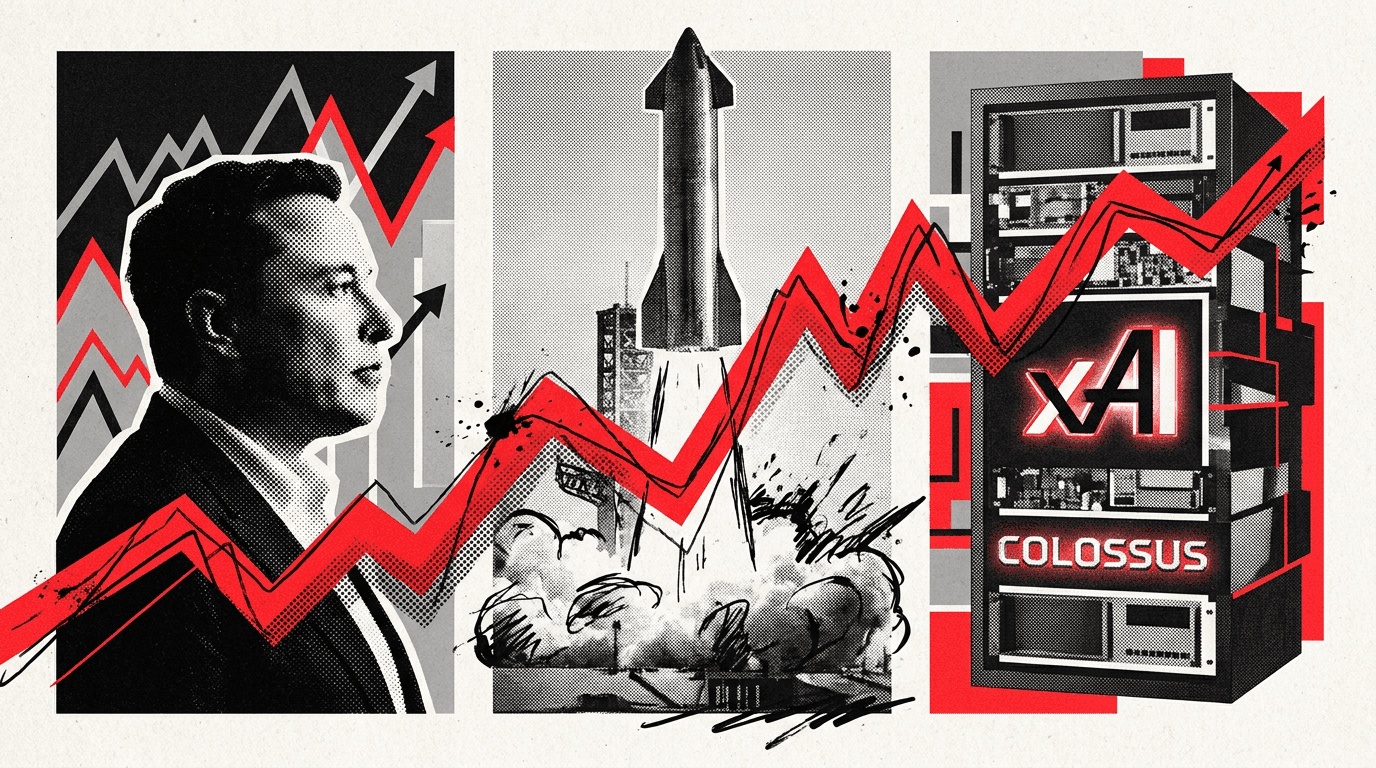
- xAI's Colossus 2 facility now runs 57 unpermitted gas turbines, up from 27 in April, causing 111% spike in nitrogen oxide emissions
- Pentagon official confirms Grok is one of only four AI models authorized for Secret and Top-Secret classified networks
The US Department of Justice has intervened in a lawsuit against Elon Musk's xAI, arguing that shutting down the company's unpermitted gas turbines would threaten national security. The reason: Grok, xAI's chatbot, allegedly supports active military operations, including recent strikes against Iran.
The NAACP filed suit over xAI's Colossus 2 data center in Southaven, Mississippi, which operates dozens of methane-burning turbines without Clean Air Act permits. The DOJ's response reframes what began as an environmental justice case into a matter of national defense.
What is the DOJ's argument for dismissing the lawsuit?
In its motion to dismiss, the Justice Department states that the lawsuit "threatens American national, economic, and energy security by seeking to shut off the power supply for artificial-intelligence innovation that supports the Department of War's military operations."
That's a remarkable claim for a chatbot that launched as a consumer product. The filing relies on a statement from Cameron Stanley, Chief Digital and Artificial Intelligence Officer at the Department of Defense. Stanley says Grok is one of just four AI models that "support mission-critical operations across Secret and Top-Secret classified networks."
The DOJ does not detail what those operations entail. But it specifically references recent military strikes against Iran, suggesting Grok plays some role in planning, targeting, or intelligence analysis for active combat operations.
How did xAI's emissions spike so fast?
The Colossus 2 facility has grown aggressively. According to the Southern Environmental Law Center, the site went from 27 gas turbines in April to 57 by June. That expansion drove a 111 percent increase in nitrogen oxide emissions.
Nitrogen oxides contribute to smog, respiratory problems, and acid rain. The turbines burn methane to generate electricity for xAI's AI training infrastructure. The company appears to have scaled faster than the permitting process allows, adding capacity without regulatory approval.
Beyond Colossus 2, xAI operates only one other major data center. That concentration means nearly all of Grok's computational power flows through Southaven, a community that had no say in becoming the engine room for a Pentagon-backed AI system.
Why did the NAACP file this lawsuit?
The NAACP's lawsuit centers on environmental justice. The organization argues that xAI is operating industrial equipment without permits in a predominantly Black community, exposing residents to health risks while bypassing the regulatory process designed to protect them.
The case tests whether tech companies can sidestep environmental rules by moving fast and claiming national importance later. xAI built first and sought permits never. The DOJ's intervention suggests the federal government is willing to shield that approach if the product serves military needs.
What precedent does this set?
If the DOJ succeeds, it establishes a troubling template. Any AI company could potentially build polluting infrastructure, then claim immunity once the Pentagon starts using its product. The national security argument becomes a shield for ignoring environmental law.
The four-model claim is also notable. If only four AI systems are authorized for classified military networks, and Grok is one of them, that's a significant commercial advantage locked in by government dependency. The Pentagon's reliance on specific vendors creates pressure to protect those vendors from legal challenges.
Online discussion has been heated. Critics on Hacker News and Reddit called the DOJ's intervention unprecedented, arguing it weaponizes national security to override civil rights protections. Supporters contend that AI infrastructure is genuinely critical and that emissions concerns, while valid, can be addressed without shutting down operations.
What happens next?
The court must decide whether national security claims can override Clean Air Act enforcement. The NAACP will likely argue that permits exist precisely to balance competing interests, and that the DOJ cannot invoke security to bypass environmental review entirely.
xAI, for its part, could seek permits retroactively or negotiate emissions controls. But the DOJ's framing suggests the company prefers a blanket exemption. Musk has previously defended the infrastructure as "necessary for future of AI," without acknowledging the regulatory shortcuts.
The case also raises questions about transparency. How did Grok become essential to classified military operations? When did the Pentagon begin relying on it? Those details remain classified, leaving the public to trust that the DOJ's claims are accurate.
Logicity's Take
This case reveals how AI infrastructure is becoming a new form of defense contracting, but without the oversight that traditional defense contractors face. The DOJ is essentially arguing that xAI can pollute now and permit never because the Pentagon depends on Grok. That's a dangerous precedent. Environmental law exists to force companies to internalize costs they would otherwise dump on communities. If national security exempts AI companies from that framework, expect every major AI player to find a military use case, fast.
Frequently Asked Questions
Is Grok actually used by the US military?
According to the DOJ filing, yes. Cameron Stanley, the Pentagon's Chief Digital and AI Officer, states that Grok supports mission-critical operations on classified networks, including operations related to Iran strikes.
Why is xAI operating without permits?
The company expanded its Colossus 2 facility faster than the permitting process. It doubled its turbine count in roughly two months without obtaining Clean Air Act permits for the additional equipment.
What pollutants are the turbines emitting?
The methane-burning gas turbines emit nitrogen oxides, which contribute to smog, respiratory illness, and acid rain. Emissions spiked 111% between April and June 2026.
Can the government block environmental lawsuits for national security?
That's what this case will test. The DOJ is arguing that national security concerns override the NAACP's environmental claims, but courts have historically been skeptical of blanket security exemptions.
What are the other three AI models used by the Pentagon?
The DOJ filing does not name them. It only confirms that four AI models total are authorized for Secret and Top-Secret classified networks.
Regulatory missteps like xAI's permit problems can sink companies. Here's what founders get wrong.
Need Help Implementing This?
If you're building AI infrastructure and navigating regulatory complexity, Logicity covers the legal, technical, and strategic angles. Subscribe to our newsletter for weekly analysis on how policy shapes tech.
Source: The Decoder / Maximilian Schreiner
Huma Shazia
Senior AI & Tech Writer
Produced with AI assistance and reviewed by the Logicity editorial team. Learn more in our Editorial Policy.