Key Takeaways
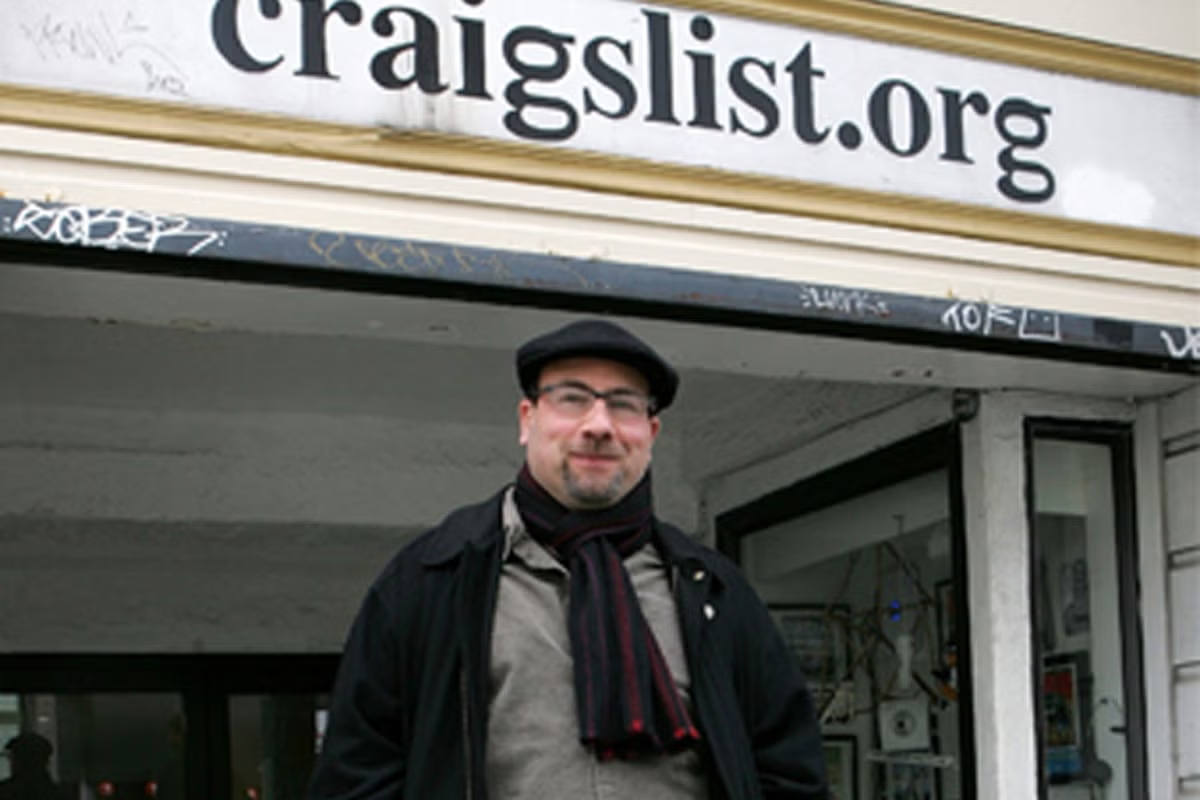
- Craig Newmark has donated over $500 million since founding Craigslist 30 years ago
- Peter Thiel is actively encouraging billionaires to abandon The Giving Pledge
- Newmark rejected VC funding in 1999 to keep Craigslist free for users
Craig Newmark, the 74-year-old founder of Craigslist, has given away more than $500 million to charity since launching the classifieds site 30 years ago. That figure puts him in rare company among tech founders, and increasingly, in direct opposition to a growing faction of Silicon Valley billionaires who view such giving as foolish or even harmful.
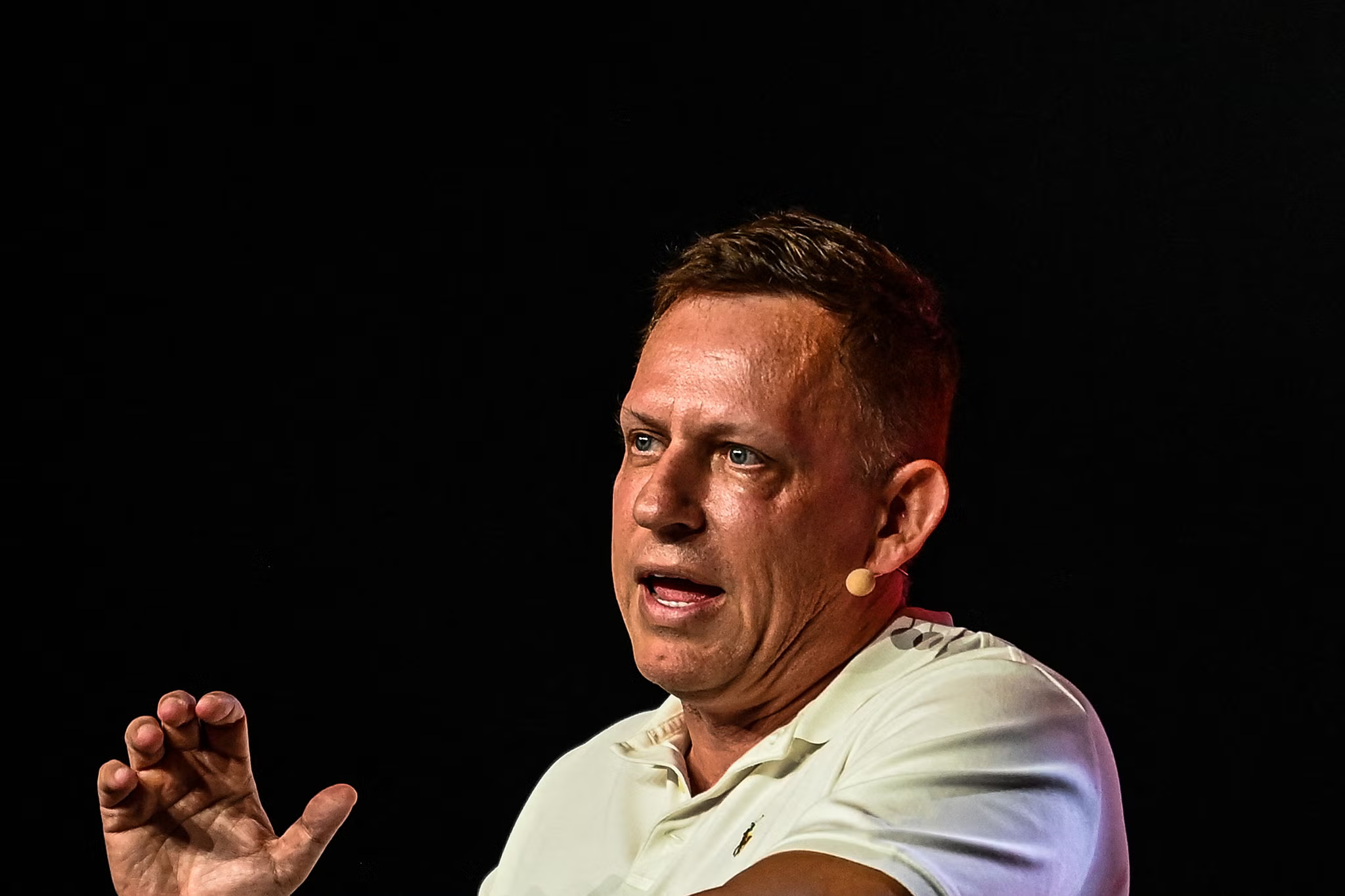
The conflict crystallized earlier this year when Peter Thiel, the billionaire venture capitalist behind PayPal and Palantir, told The New York Times he had been encouraging wealthy peers to abandon their commitments to The Giving Pledge. The philanthropic campaign, launched by Bill Gates and Warren Buffett in 2010, asks the ultra-rich to donate the majority of their wealth during their lifetimes.
Thiel's reasoning: the money goes to "left-wing" nonprofits. He called the pledge an "Epstein-adjacent fake Boomer club," according to an audio transcript provided to Reuters.
Newmark signed The Giving Pledge last year. He responded to Thiel's attack in a New York Times op-ed, writing that he was "dumbfounded" by the position.
“When I started Craigslist in the mid-1990s, I never thought I'd become rich. But I did. A lot of people in tech around that time also got lucky. Millions – even billions – were made simply by being in the right place at the right time. That's too much money for anyone to have, so I'm giving most of it away to people and causes that need it. It makes no sense to me that others with this kind of money would criticize anyone doing this.”
— Craig Newmark, New York Times op-ed
Why Newmark rejected the VC playbook
Newmark's wealth exists because he made an unusual choice in 1999. Craigslist had taken off, and the site needed real infrastructure: paid programmers, customer service staff, proper management. Venture capitalists and bankers approached him at industry events, offering billions in funding.
The catch was the standard Silicon Valley model. Take the money, monetize aggressively, charge users for listings. Newmark walked away.
"The VCs and bankers I met at industry events said they wanted to throw huge amounts of money at me – billions," Newmark told The Independent. "But I'd have to do the usual Silicon Valley thing and they would then monetize the site thoroughly, and it would become a very different place."
Instead, he chose to charge businesses for job posts while keeping listings free for individuals. Craigslist never went public. It stayed small, around 50 employees, and kept its deliberately spartan design. Today, more than 100 million users visited the site in April alone, according to Semrush. It remains in the top 500 most visited websites globally.
Where $500 million in Craigslist money went
Newmark's philanthropy focuses on two areas: journalism and cybersecurity. His largest single gift was $100 million to CUNY's Graduate School of Journalism, which was renamed the Craig Newmark Graduate School of Journalism in his honor. In total, he has directed more than $250 million specifically toward journalism and cybersecurity initiatives.
The cybersecurity focus reflects his background as a software engineer at Bank of America and Charles Schwab before Craigslist. He views it as infrastructure protection. The journalism focus stems from what he calls democracy's "immune system."

He also donates to Blue Star Families, an organization supporting military families. His father served in the military. And he feeds pigeons in New York, donating to pigeon rescues. "I love birds," he said.
The roots of Newmark's philosophy
Newmark traces his approach to a Sunday school classroom at the Jewish Community Center in Morristown, New Jersey. In the late 1950s, six-year-old Newmark attended classes taught by Rafael and Rachel Levin, Holocaust survivors. Their lesson stuck.
“They told me that I should treat people like I want to be treated. I should know when enough is enough. And they told me I should be my brother's keeper or my sister's keeper. And that made sense to me.”
— Craig Newmark
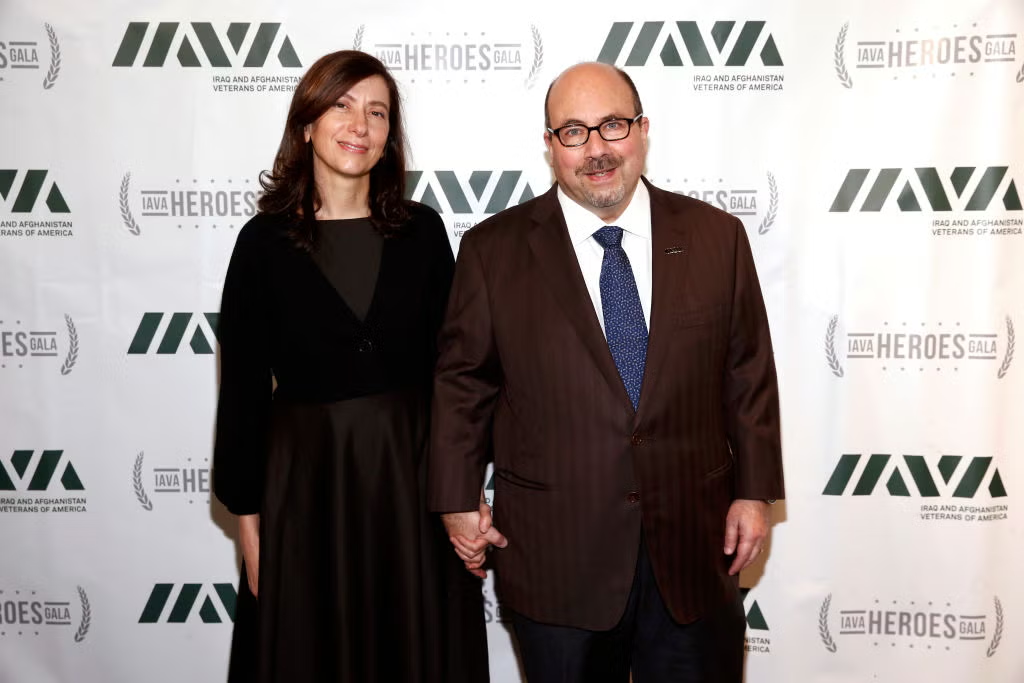
Newmark says he never became a billionaire. His lifestyle reflects that. He married his wife Eileen in 2012. They enjoy occasional lunches together on workdays and spend most evenings watching TV. No superyacht, no homes on each continent.
The wealth shift in tech philanthropy
Newmark's dispute with Thiel reflects a broader realignment. President Donald Trump has increased his net worth from $4.3 billion to $7.3 billion during his second term. He plans to spend $600 million on the White House ballroom and, as The Independent puts it, is "gilding the capital at every turn."

The cultural moment favors ostentatious displays of wealth over quiet giving. Newmark is swimming against that current, but he's careful not to moralize at other billionaires directly.
"Everyone has to make their own moral decisions," he told The Independent. "There are some highly visible, super-rich people who've made their own decisions, and it's their right to make those decisions. I just don't really understand."
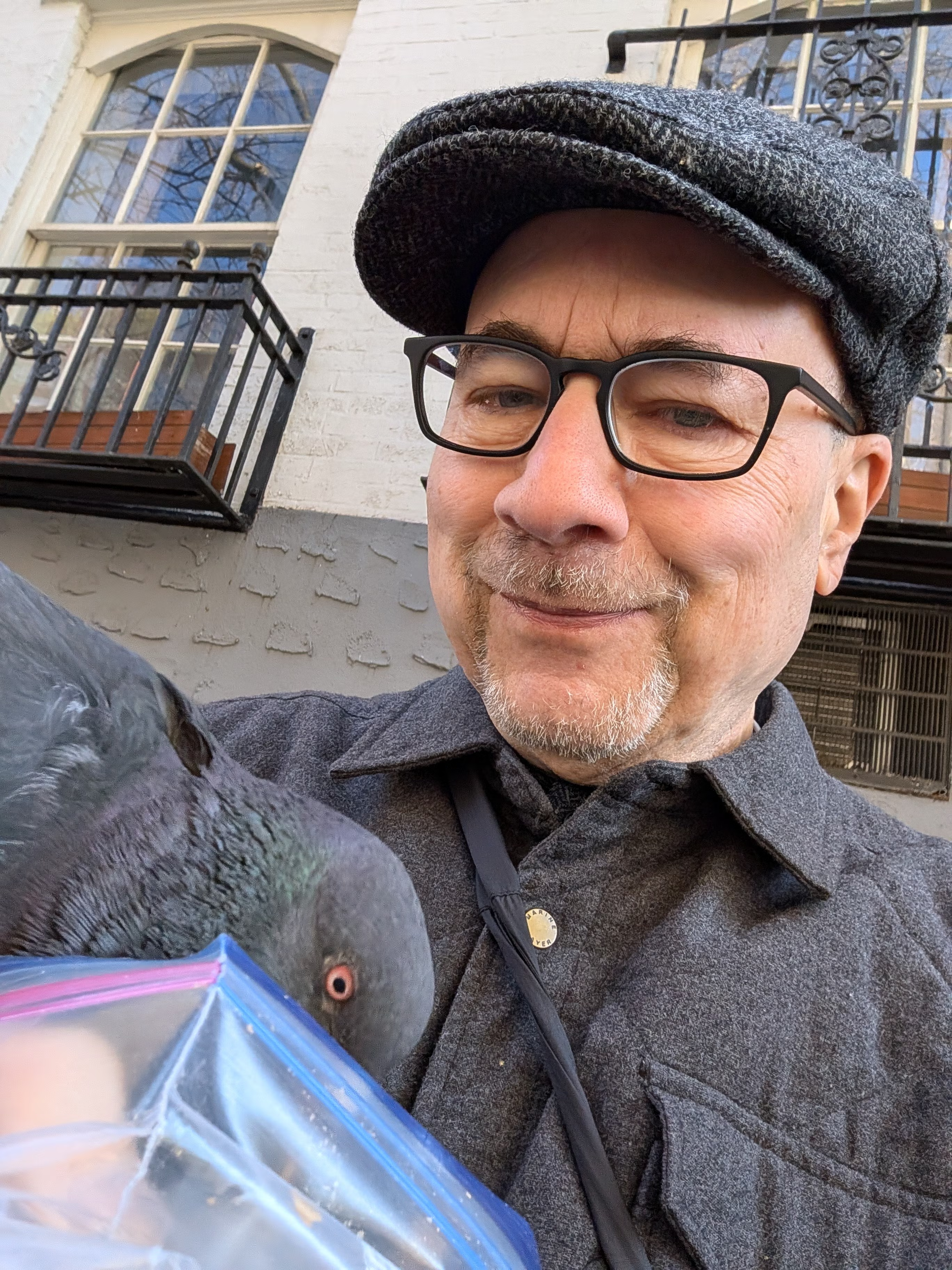
Craigslist's 30th anniversary arrives with its founder committed to emptying his bank account for journalism, cybersecurity, and the occasional pigeon rescue. Whether others follow his lead or Thiel's will shape what tech wealth means in the coming decade.
Logicity's Take
Newmark's story reveals an underappreciated fact: the biggest fortunes in tech often came from founders who didn't maximize extraction. Craigslist likely left tens of billions on the table by not charging users or going public. Newmark got rich anyway, just not Thiel-rich. The debate over The Giving Pledge isn't really about charity effectiveness. It's about whether tech wealth carries any obligation beyond itself. Thiel says no. Newmark, shaped by Holocaust survivors in a New Jersey classroom, says obviously yes.
Frequently Asked Questions
How much has Craig Newmark donated to charity?
Newmark has donated over $500 million since founding Craigslist 30 years ago. His largest single gift was $100 million to CUNY's Graduate School of Journalism.
What is The Giving Pledge?
The Giving Pledge is a philanthropic campaign launched by Bill Gates and Warren Buffett in 2010 that asks billionaires to commit to giving away the majority of their wealth during their lifetimes to charitable causes.
Why did Peter Thiel criticize The Giving Pledge?
Thiel claimed donations through the pledge go to "left-wing" nonprofits and called it an "Epstein-adjacent fake Boomer club." He has been encouraging wealthy peers to abandon their commitments.
Is Craig Newmark a billionaire?
No. Newmark has stated he was never a billionaire. He chose not to maximize Craigslist's revenue by keeping listings free for individuals and never taking the company public.
What causes does Craig Newmark support?
Newmark focuses primarily on journalism and cybersecurity, with over $250 million directed to those areas. He also supports military families through organizations like Blue Star Families.
Another look at how tech wealth is being deployed and valued in 2025
Need Help Implementing This?
Building a sustainable tech business that balances growth with values? Logicity.in covers the strategies, funding models, and leadership decisions that shape companies for the long term. Subscribe for weekly analysis delivered to your inbox.
Source: Hacker News: Best
Huma Shazia
Senior AI & Tech Writer
Produced with AI assistance and reviewed by the Logicity editorial team. Learn more in our Editorial Policy.




