Key Takeaways
- Corgi claims its Dataroom product shares no code with Papermark despite identical UI text
- CEO Nico Laqua admitted vibe coding led to copied visual elements and language
- The controversy highlights emerging IP questions when AI can replicate look and feel without copying code
Y Combinator-backed insurtech Corgi is fighting accusations that it stole open source code from Papermark, a competing data room startup. Papermark co-founder Marc Seitz posted screenshots on X showing Corgi's new Dataroom product using identical language to describe identical features. Corgi's response: the code is different, but yes, we copied the style.
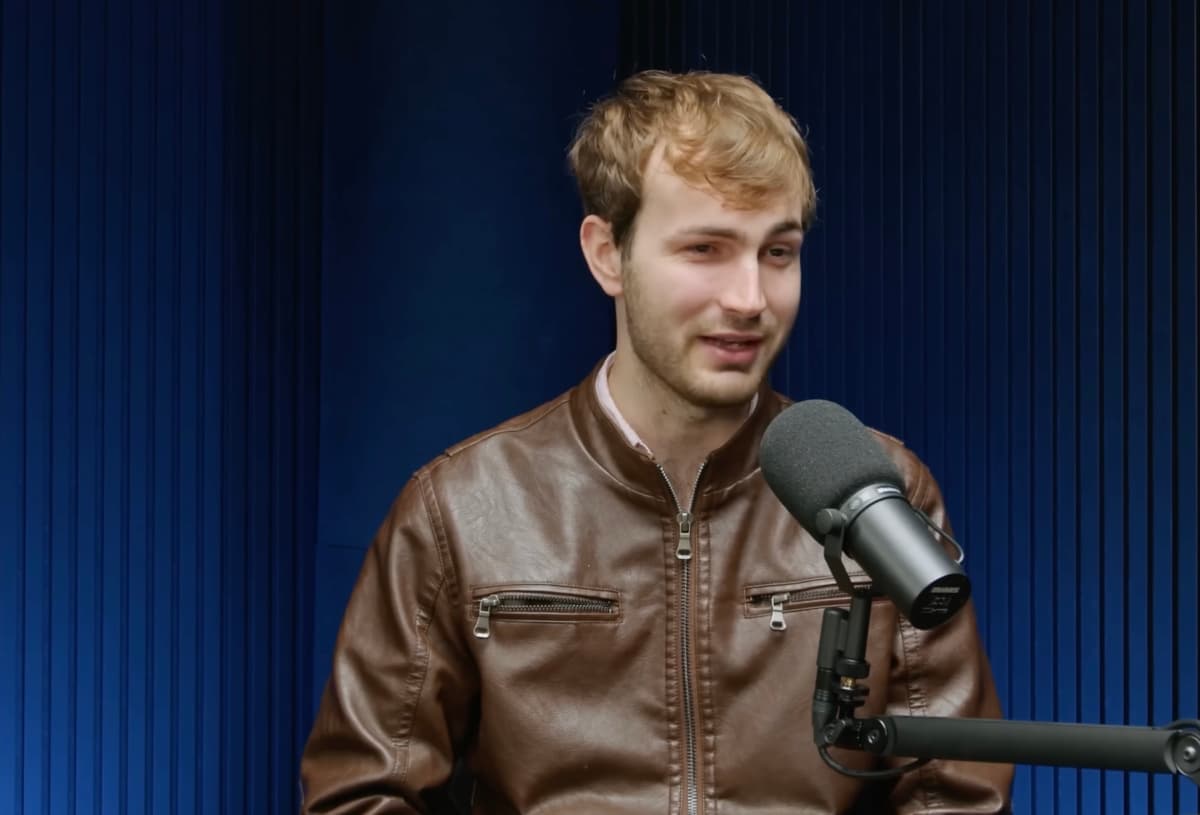
"No code was used from Papermark," a Corgi spokesperson told TechCrunch. That's the company's legal position. But CEO Nico Laqua conceded something more interesting in his public rebuttal: the similarities came from "vibe coding," the increasingly common practice of using AI to generate code based on prompts that reference existing products.
What did Corgi actually copy?
Seitz's accusation landed hard because the evidence was visual and obvious. His screenshots showed Corgi's Dataroom using the same wording for the same features, word for word. Data room software handles secure document sharing, the tool startups use to send pitch decks and due diligence materials to VCs. It's a competitive space with real money at stake.
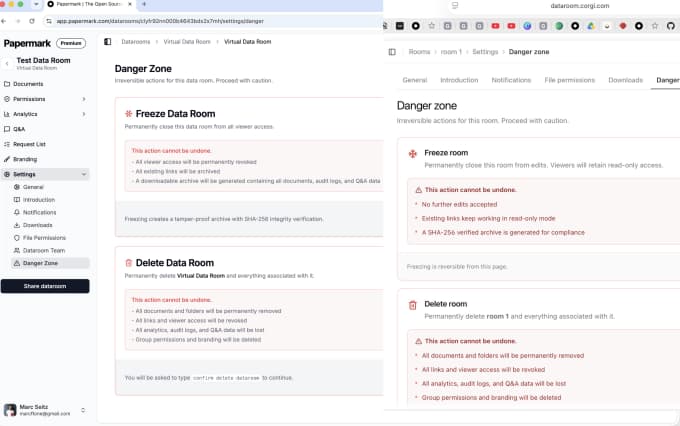
Seitz called it "copyright and license infringing" and "fraud." Those are serious claims. Laqua responded with his own receipts, posting code comparisons that showed different underlying implementations. His argument: copying style isn't the same as copying code.
"Looking back, we should've leaned more into our own language and visual choices instead of taking cues from existing products in the space, and that's on us," Laqua posted. The company says it has already changed the offending elements. A spokesperson described them as "isolated to visual elements on two peripheral settings pages."
The vibe coding problem
This dispute matters beyond the two companies involved. Vibe coding, where developers prompt AI tools to generate code by describing what they want (often by referencing existing products), makes it trivially easy to replicate the look, feel, and function of someone else's work without copying their actual code.
Dan Barrett, founder of AI agent platform OpenProse and himself a YC alum, put it bluntly on X: "In a world where a bot can trivially copy 1:1 the structure of something even if the character-level code diverges... what makes one unacceptable and the other not?"
Legally, the answer is clear: code is what matters. The 2024 PearAI controversy, where another YC startup admitted to cloning an open source project and releasing it under its own license, crossed an obvious legal line. Corgi's situation is different. The code doesn't match. But the output does.
Barrett's question points to a gap in IP law that AI is widening every day. Current frameworks protect expression, not ideas. When AI can produce functionally identical expression from a description of the idea, that distinction starts to break down.
Corgi's pattern of controversy
This isn't Corgi's first public relations problem. The two-year-old startup has built a reputation for aggressive legal tactics, having already sued multiple former employees. Laqua's recent appearance on Harry Stebbings' podcast drew criticism for his comments about expecting seven-day work weeks from employees.
"Whatever you can get done in five days, I promise you, you'll get more done in six and seven," Laqua said. That claim contradicts decades of productivity research showing that sustained overwork reduces output rather than increasing it. Sprints work for emergencies. As routine, they're counterproductive.
The company's response to the Papermark situation fits this pattern. Corgi has issued a cease-and-desist letter to Seitz demanding he take down his tweet. The founder of Hello World Cafe, which competes with Corgi's coffee shop business (yes, the insurtech also runs 24-hour coffee shops), says he received a cease-and-desist for joking about the controversy.
Laqua also suggested Papermark's accusations were motivated by Corgi's pricing. "I get that this stings since we're putting out something mostly free that competes with his SaaS. I'd be mad too," he wrote. But competitive frustration doesn't explain identical wording. Something more than inspiration was at work.
What happens next?
Papermark's Seitz has not responded to requests for comment. The tweets remain up despite Corgi's legal threats. Hundreds of comments and subtweets have kept the story alive on X.
For Corgi, the reputational damage may matter more than any legal outcome. YC-backed startups trade on credibility with investors and customers. A pattern of lawsuits against employees, aggressive cease-and-desist letters over jokes, and now accusations of copying an open source competitor's work, all create a specific impression. Whether that impression hurts fundraising or sales remains to be seen.
The larger question Barrett raised won't be resolved by this dispute. Vibe coding is only going to become more common. When prompting an AI to "make it like Papermark" produces something legally distinct but functionally identical, existing IP frameworks have no clear answer. That ambiguity benefits copiers and frustrates creators. Expect more fights like this one.
Logicity's Take
Corgi may be legally safe, but the vibe coding defense is a warning shot for every startup building with AI tools. If your product's UI text matches a competitor's word for word, claiming the underlying code differs won't satisfy customers or investors who see the screenshots. The data room market includes Papermark (open source, freemium), DocSend ($10-50/month), and enterprise options like Datasite and Intralinks. Corgi's play appears to be undercutting on price while matching features. That's legitimate competition, but doing it with copy-paste UI language hands critics an easy win. Companies using AI-assisted development need review processes that catch these similarities before launch.
Frequently Asked Questions
Did Corgi actually steal Papermark's open source code?
Corgi denies using any of Papermark's code. CEO Nico Laqua posted code comparisons showing different implementations. The company admits the visual elements and feature language were similar due to 'vibe coding' but maintains no license violation occurred.
What is vibe coding?
Vibe coding refers to using AI tools to generate code by describing what you want, often by referencing existing products. The practice can produce software that looks and functions identically to another product without copying its actual source code.
What is Papermark?
Papermark is an open source data room software used for secure document sharing, particularly by startups sharing materials with potential investors during fundraising and due diligence processes.
Is copying UI design illegal?
Generally, copyright law protects code and specific creative expression, not functional design elements or ideas. Copying the look and feel of software without copying code exists in a legal gray area that current IP frameworks don't clearly address.
How is this different from the PearAI controversy?
PearAI, another YC startup, admitted in 2024 to cloning an open source project and releasing it under its own license, a clear legal violation. Corgi's situation involves similar visual output but different underlying code, making the legal question less clear-cut.
How governments are approaching open source software adoption and licensing
Need Help Implementing This?
Building products with AI-assisted development? Logicity's consulting network can help you establish review processes that catch IP risks before launch. Contact us to connect with legal and technical advisors experienced in open source licensing and AI-generated code.
Source: Startups | TechCrunch / Julie Bort
Manaal Khan
Tech & Innovation Writer
Produced with AI assistance and reviewed by the Logicity editorial team. Learn more in our Editorial Policy.




