Key Takeaways
Circle Applies for National Trust Bank Charter Following IPO
- Circle received unconditional OCC approval for a national trust bank charter, joining BitGo as the only crypto firms with full federal banking status
- Circle National Trust will offer fiduciary digital asset custody to institutional clients including banks and derivatives organizations
- The approval boosted Circle's stock 5.7%, though analysts warn it doesn't address USDC's declining market share against competitors
Circle, the company behind the USDC stablecoin, has secured unconditional approval from the Office of the Comptroller of the Currency for a national trust bank charter. The approval makes Circle the second crypto firm, after BitGo, to gain full federal banking status. Circle National Trust will initially offer fiduciary digital asset custody to institutional clients before expanding into reserve management.
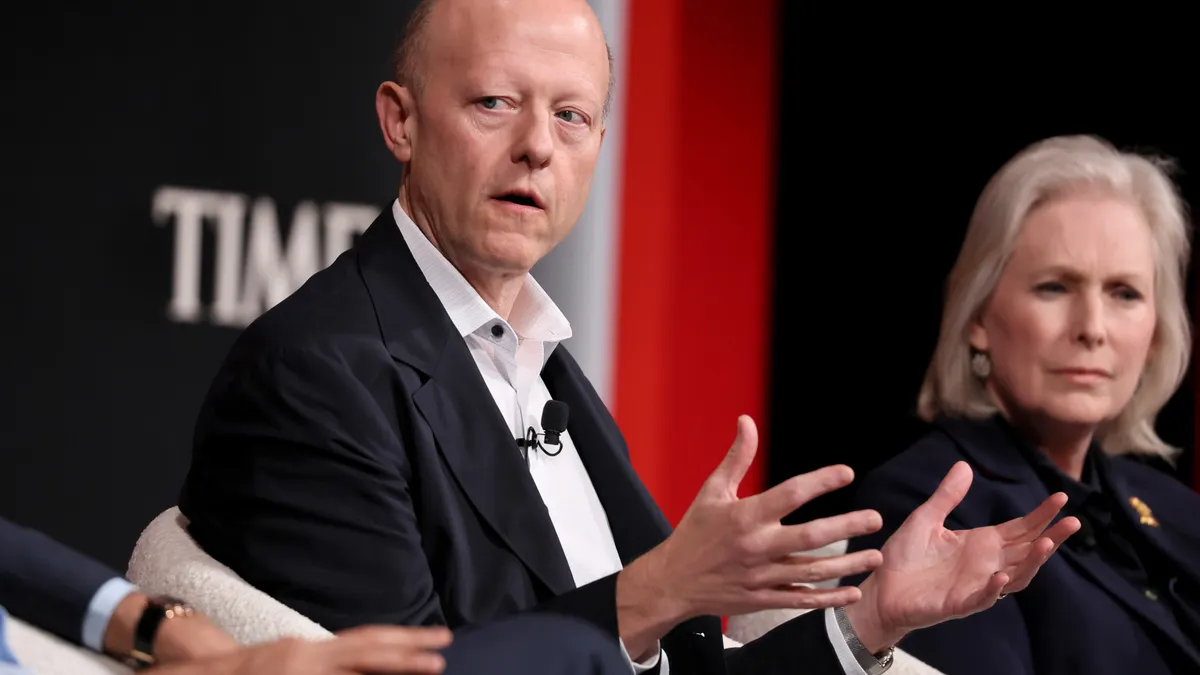
CEO Jeremy Allaire called the approval "a defining step in bringing blockchain technology and digital assets into the core of the U.S. financial system." He added that federal oversight "sets a new standard for transparency, governance and scale" and should give financial institutions confidence to build on public blockchains.
What does the charter actually allow Circle to do?
Circle National Trust will operate as a federally supervised fiduciary. Its initial scope is narrow: digital asset custody for a "limited number of institutional customers," specifically banks, financial institutions, and regulated derivatives organizations. Reserve management services will come later.
Under OCC supervision, Circle aims to position USDC as "trusted, federally regulated digital dollar infrastructure for payments, settlement, and capital markets activity." The company frames this as supporting the dollar's role in an increasingly digital global economy.
Circle has $73.2 billion in market value according to CoinGecko, and the company has made regulatory compliance central to its strategy. It obtained New York's first BitLicense in 2015.
Where does this leave the other applicants?
Five firms received conditional OCC charter approval in December: Circle, BitGo, Ripple, Paxos, and Fidelity. BitGo converted its conditional approval to full status shortly after. Circle is now the second. Ripple, Paxos, and Fidelity still await unconditional clearance.
The pipeline keeps growing. Sony received conditional OCC approval for its own trust bank charter recently. OCC chief Jonathan Gould has overseen a notable uptick in trust charter applications from crypto and fintech firms.
Why are trade groups worried about trust charters?
Banking trade groups have pushed back. The Bank Policy Institute, Independent Community Bankers of America, and the National Community Reinvestment Coalition have all raised objections.
The NCRC argued that granting trust charters to stablecoin issuers blurs statutory boundaries. A trust is not required to comply with the Community Reinvestment Act the way a traditional bank is. The ICBA noted that trusts don't need deposit insurance, creating potential consumer confusion and harm if a trust becomes insolvent.
These concerns haven't slowed the approval process. The OCC appears comfortable with trust charters as a path for digital asset firms to operate under federal supervision without full bank status.
The market reaction and analyst skepticism
Circle's stock jumped 15.6% on the news before settling to close up 5.7%. Not everyone is convinced the rally is justified.
Mizuho Securities analyst Dan Dolev called the market reaction "likely overly optimistic." He noted the charter "does not resolve fundamental issues that have been hurting the stock of recent," pointing to USDC's declining market value and competition from Open USD.
Dolev's skepticism reflects a broader tension. Regulatory clarity is necessary for institutional adoption, but it doesn't guarantee market share. Tether's USDT still dominates the stablecoin market, and new entrants keep arriving.
Logicity's Take
The charter matters more for what it enables than what it grants today. Circle's initial custody offering is deliberately limited, but federal supervision opens doors with exactly the institutions that have avoided crypto due to regulatory uncertainty. The real test is whether banks and derivatives organizations actually sign up. If they do, Circle has a moat. If they don't, the charter becomes an expensive compliance exercise while competitors like Tether and Open USD chip away at USDC's share. Fintech teams evaluating stablecoin integrations should watch Circle's institutional client list over the next 12 months as the real signal.
What it means for stablecoin infrastructure
The OCC's approval creates a template. Crypto firms that want federal oversight now have two examples of what it takes to get unconditional trust status. That may accelerate applications from other stablecoin issuers and custody providers.
For traditional financial institutions, Circle's charter removes one layer of counterparty risk. Building on USDC infrastructure no longer means relying on a firm operating in regulatory gray areas. Whether that's enough to drive adoption depends on pricing, technical integration, and competitive pressure from other regulated options.
Frequently Asked Questions
What is a national trust bank charter?
A national trust bank charter is a federal license from the OCC that allows a company to offer fiduciary services like asset custody under federal supervision. Unlike a full bank charter, it doesn't require deposit insurance or compliance with the Community Reinvestment Act.
Is Circle now a bank?
Circle National Trust is a federally supervised trust bank, not a full commercial bank. It can offer custody and fiduciary services but cannot take deposits or make loans the way traditional banks do.
How many crypto companies have OCC trust charters?
As of July 2026, Circle and BitGo are the only crypto firms with unconditional OCC national trust bank charters. Ripple, Paxos, Fidelity, and Sony have conditional approvals pending full clearance.
Does this approval affect USDC users?
Not directly in the short term. The charter applies to Circle's institutional custody business. Consumer USDC wallets and exchanges operate separately. The approval may increase institutional confidence in USDC infrastructure over time.
Why are banking groups opposed to trust charters for crypto firms?
Trade groups argue trust charters blur the definition of a bank and let crypto firms avoid requirements like the Community Reinvestment Act and FDIC insurance, potentially confusing or harming consumers.
Need Help Implementing This?
If your team is evaluating stablecoin infrastructure or digital asset custody for institutional use, reach out to Logicity for vendor comparisons and integration guidance.
Source: Banking Dive
Huma Shazia
Senior AI & Tech Writer
Produced with AI assistance and reviewed by the Logicity editorial team. Learn more in our Editorial Policy.