Key Takeaways
- ChatGPT calculated a daily calorie target of 1,600-1,800 for losing 10kg in 90 days
- Both AI chatbots warned upfront that the goal would require intense discipline with little room for cheat meals
- The prompts were tailored for Indian vegetarians, excluding Western health-fad ingredients
The Experiment: AI as a Personal Nutritionist
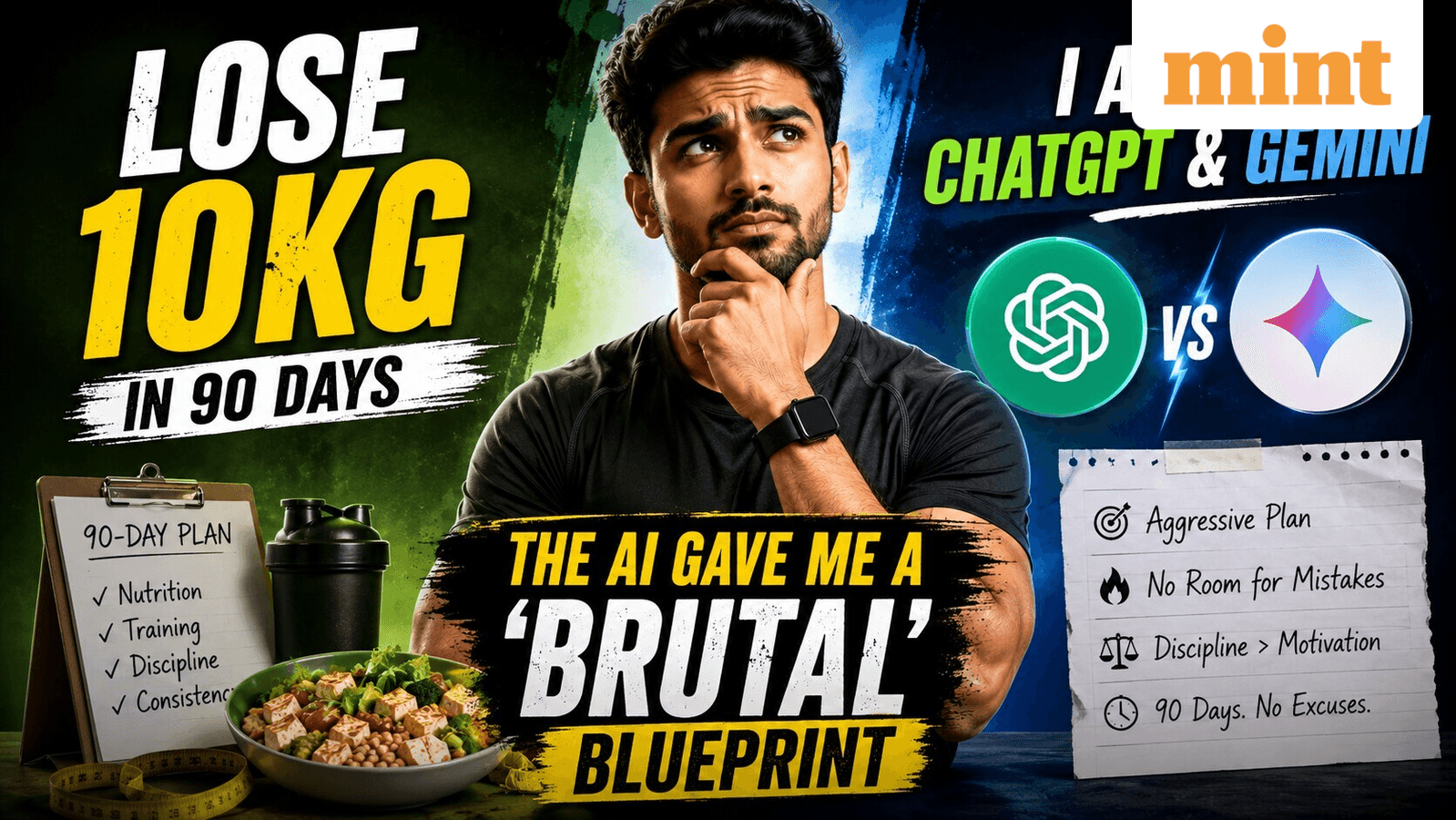
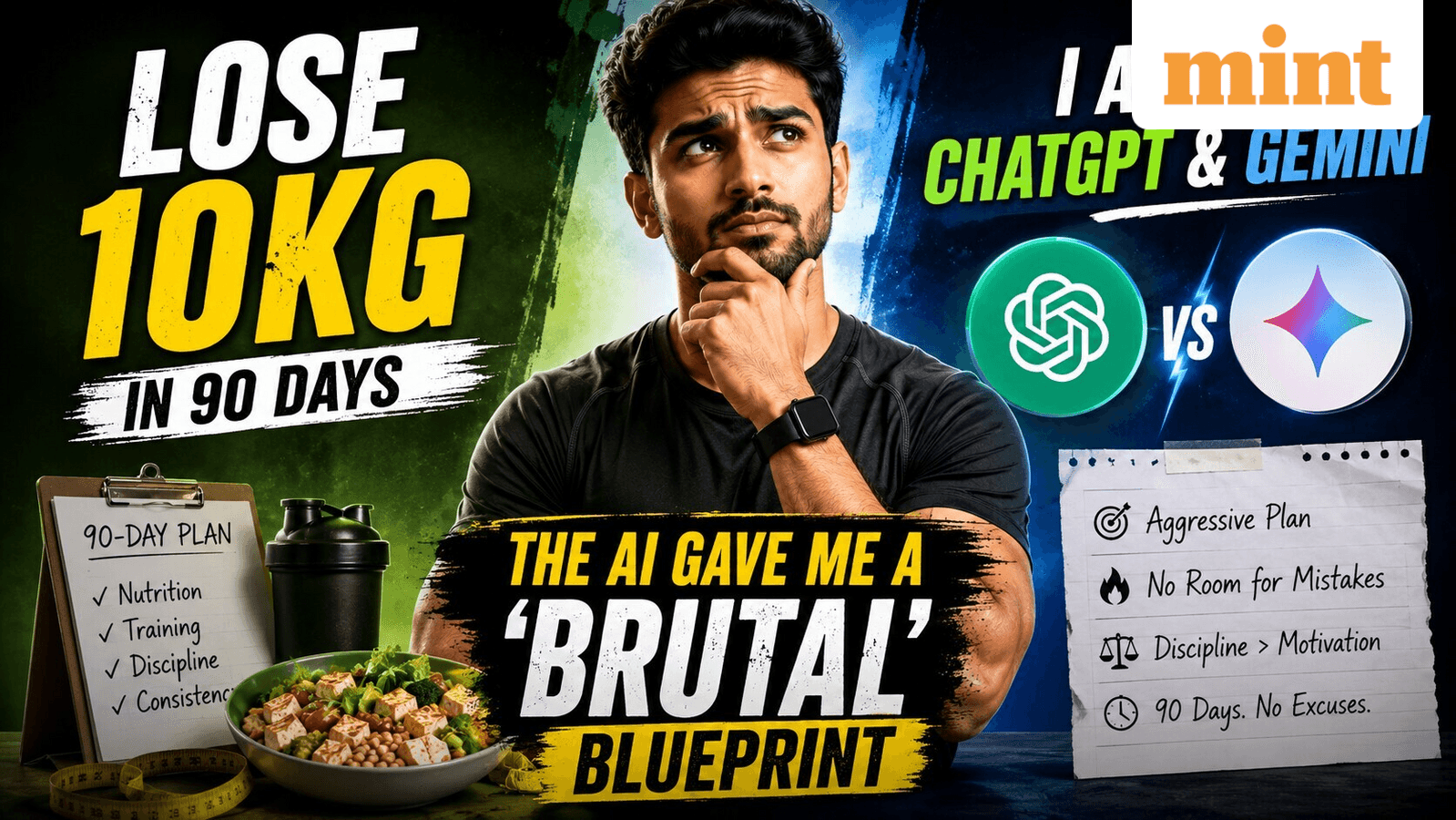
After losing 15kg over the past year with help from AI chatbots, one journalist decided to push the question further. What if someone wanted to lose 10kg in just 90 days? Could ChatGPT and Gemini provide a realistic, actionable plan for an Indian vegetarian?
The answer: yes, but with caveats. Both AI systems delivered detailed blueprints. They were also brutally honest about what the goal would demand.
The Prompt That Drives Everything
The quality of AI output depends entirely on your input. The journalist crafted a specific prompt with hard constraints: strict vegetarian diet, no Western health-fad ingredients like kale or quinoa, every grocery item must be available on Indian delivery apps like Blinkit or Zepto.
The prompt asked for three distinct sections: a core calorie and macro strategy, an exact weekly grocery list categorized by food type, and a list of common Indian kitchen items to eliminate immediately.
One key instruction: "Be clinical, realistic, and blunt. If my weight-to-timeframe goal requires intense discipline, tell me upfront."
ChatGPT's Verdict: This Won't Be Comfortable
ChatGPT didn't sugarcoat the challenge. Right at the start, it warned that losing 10kg in 90 days would not be "comfortable." The math is simple but demanding: 0.75kg per week means a sustained calorie deficit with almost no room for cheat meals, random snacking, or weekend overeating.
“You are aiming to lose roughly 0.75kg per week. That means a sustained calorie deficit with very little room for cheat meals, random snacking, or weekend overeating.”
— ChatGPT
For someone weighing 65kg who trains regularly at the gym, ChatGPT estimated a maintenance calorie requirement of 2,200 to 2,500 calories per day. To hit the 10kg target, it prescribed staying within 1,600 to 1,800 calories daily.
Why This Approach Works for Real Planning
The journalist's experiment highlights what makes AI useful for personal health planning. Generic advice like "eat less, move more" helps no one. A specific calorie target, a grocery list you can actually buy locally, and honest warnings about difficulty are far more actionable.
Both chatbots understood the India-specific constraints. They skipped the avocado toast recommendations and focused on paneer, dal, curd, and vegetables available at any local sabzi mandi.
The Limitations of AI Diet Advice
AI chatbots are not doctors. They cannot account for underlying health conditions, medication interactions, or hormonal factors that affect weight loss. The journalist had already lost 15kg successfully, suggesting a baseline fitness level and familiarity with calorie tracking.
For someone starting from zero, consulting a healthcare professional before following any aggressive diet plan remains essential. AI provides a framework, not a medical prescription.
- AI cannot detect underlying health conditions
- Medication interactions are outside its scope
- Individual metabolic differences vary widely
- Progress should still be monitored by a professional
What Makes a Good AI Health Prompt
The experiment offers a template for getting useful AI output. Be specific about your constraints: dietary restrictions, geographic location, available resources. Ask for structured output in distinct sections. Request honesty about difficulty rather than motivational fluff.
The more constraints you give, the more useful the output becomes. "Help me lose weight" gives you generic advice. "Design a 90-day plan for a vegetarian in Delhi who can only shop at local markets" gives you something you can actually follow.
Logicity's Take
Frequently Asked Questions
Can ChatGPT create a personalized diet plan?
Yes, but quality depends on your prompt. Specifying dietary restrictions, location, and available resources produces much more actionable plans than generic requests.
Is losing 10kg in 90 days safe?
Losing 0.75kg per week is generally within safe ranges for most people. However, aggressive targets require strict discipline and ideally supervision from a healthcare professional.
Can AI replace a nutritionist?
No. AI chatbots cannot account for medical conditions, medications, or individual metabolic factors. They provide frameworks, not medical advice.
Do ChatGPT and Gemini give the same diet advice?
They give similar advice when prompted identically, but may differ in specific recommendations. Testing both and comparing outputs is a reasonable approach.
What makes a good AI diet prompt?
Include specific constraints: your diet type, location, available shopping options, and ask for structured output. Request honesty about difficulty rather than motivational language.
Need Help Implementing This?
Source: mint / Aman Gupta
Manaal Khan
Tech & Innovation Writer
Produced with AI assistance and reviewed by the Logicity editorial team. Learn more in our Editorial Policy.




