Key Takeaways
- Five US tech giants have accumulated $1.65 trillion in off-balance-sheet obligations, an eightfold increase in four years
- Meta's hidden debt alone reaches $420 billion, nearly triple its transparent debt on the balance sheet
- Data center leases and GPU supply contracts drive most of these opaque liabilities
The five largest US tech companies now carry an estimated $1.65 trillion in hidden debt, according to a Nikkei study. The figure, which grew eightfold over roughly four years, exceeds the companies' actual reported debt and stems almost entirely from AI infrastructure commitments. For CIOs evaluating vendor stability or investors pricing risk, this opacity matters.
What counts as hidden debt?
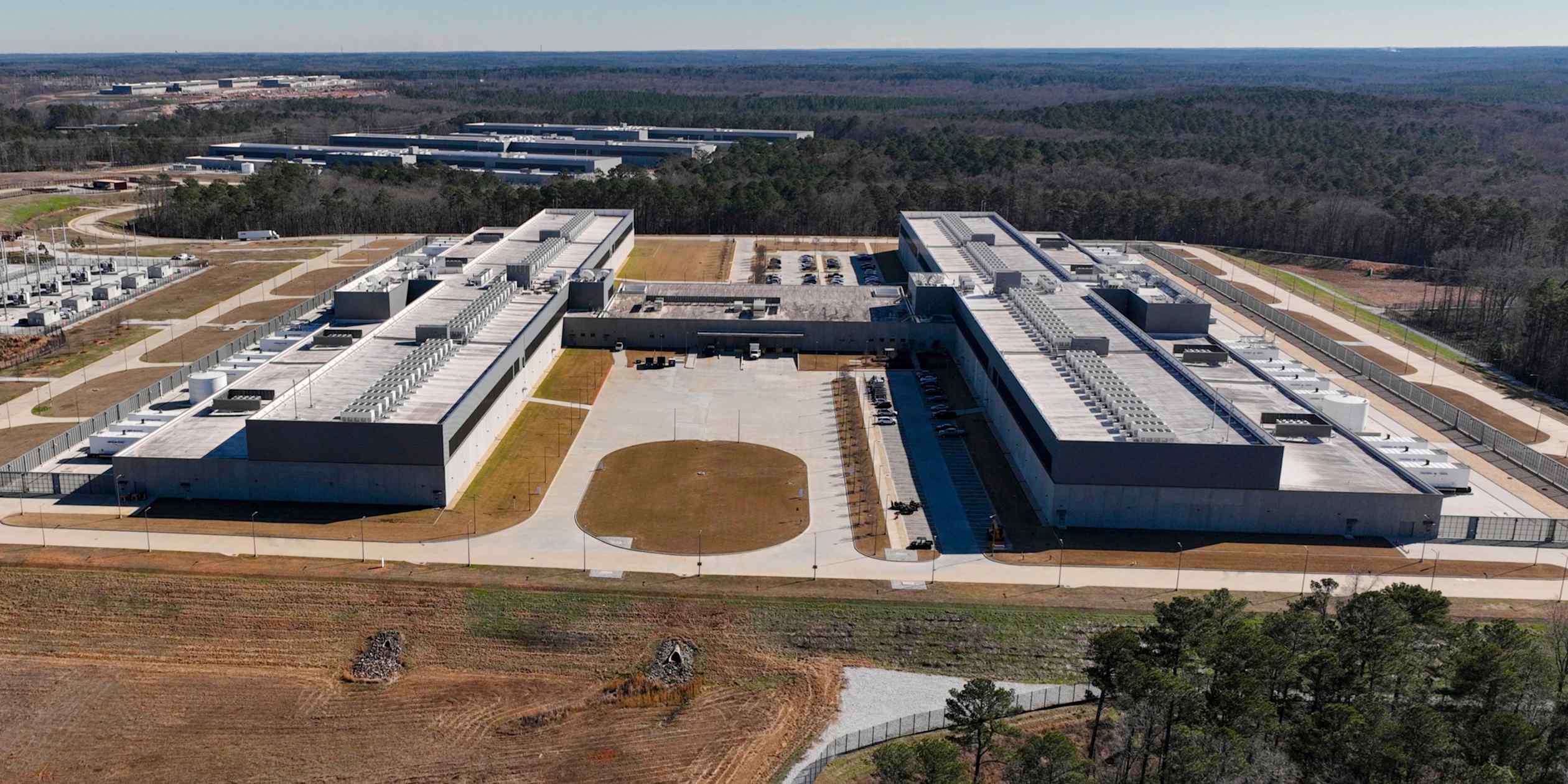
Off-balance-sheet obligations include commitments that create debt-like liabilities without appearing as traditional debt under accounting rules. Think long-term data center leases stretching 10 to 15 years, power purchase agreements for the massive electricity AI clusters consume, and contractual GPU supply deals with NVIDIA and other chipmakers. These arrangements lock companies into billions in future payments, but the headline debt figures investors typically scrutinize don't reflect them.
Meta's situation illustrates the scale. The company's off-balance-sheet debt sits at roughly $420 billion, nearly triple its transparent debt. Oracle shows similar patterns. Both companies have committed aggressively to data center capacity as they race to serve enterprise AI workloads.
Why AI spending created this surge
The AI arms race changed the math. Training large language models and running inference at scale requires specialized GPU clusters, purpose-built data centers, and enormous electricity contracts. These aren't one-time purchases. They're multi-year commitments that create recurring obligations.
Annual AI-related capital expenditure at major tech companies now runs north of $200 billion. Much of that flows through structures that keep obligations off the balance sheet. A company might sign a 12-year lease for a data center rather than build and own it outright. The economic effect resembles debt, but the accounting treatment differs.
Power contracts present similar dynamics. AI data centers consume staggering amounts of electricity. Securing long-term power purchase agreements locks in supply but also locks in payment obligations that extend years into the future.
The investor visibility problem
When hidden obligations exceed reported debt, traditional risk metrics lose meaning. Debt-to-equity ratios, interest coverage calculations, and credit assessments all rely on balance-sheet figures. If the real liability picture sits in footnotes and lease schedules, investors working from headline numbers will underestimate risk.
This isn't fraud. It's standard accounting practice. Operating leases, purchase commitments, and take-or-pay contracts have always existed in the footnotes. What changed is the scale. A $1.65 trillion aggregate across five companies dwarfs what these structures represented a decade ago.
The question for investors: does current AI revenue justify these commitments? Enterprise AI adoption is accelerating, but monetization remains uneven. If demand growth disappoints, companies face fixed obligations against uncertain revenue streams.
What this means for enterprise buyers
CIOs relying on these vendors for cloud infrastructure, AI services, or enterprise software should consider vendor financial stability differently. A company with manageable reported debt but massive off-balance-sheet commitments carries different risk than the balance sheet suggests.
This doesn't mean these companies face imminent trouble. Apple, Microsoft, Google, Amazon, and Meta generate enormous cash flows. But the structure of their obligations has shifted. Future flexibility is more constrained than headline debt figures imply.
For enterprises negotiating multi-year cloud or AI contracts, understanding vendor capital structure helps assess counterparty risk. A vendor locked into heavy infrastructure obligations may price differently, or behave differently if market conditions shift.
Logicity's Take
The $1.65 trillion figure should prompt IT leaders to look beyond vendor marketing when evaluating AI infrastructure partnerships. Consider diversification across cloud providers like AWS, Azure, and Google Cloud rather than concentrating on a single vendor. For enterprises building internal AI capabilities, the same forces driving Big Tech's hidden debt apply. Long-term GPU commitments and data center leases create obligations that outlast typical budget cycles. Finance teams should model these as debt-equivalent when planning AI investments.
The accounting debate ahead
Some analysts argue the "hidden debt" framing overstates the problem. These are standard business arrangements, not deceptive practices. Companies disclose lease obligations and purchase commitments in SEC filings. The information exists for anyone willing to dig.
Others counter that scale changes the equation. When off-balance-sheet obligations grow this large, burying them in footnotes serves companies more than investors. Accounting standards may need to evolve to reflect how AI infrastructure financing actually works.
Neither view is wrong. The disclosures exist. Reading them requires work most investors skip. Whether that's an investor education problem or a disclosure adequacy problem depends on your perspective.
Frequently Asked Questions
What is off-balance-sheet debt in tech companies?
Off-balance-sheet debt refers to financial obligations that don't appear as traditional debt on a company's balance sheet. For tech companies, this includes long-term data center leases, power purchase agreements, and GPU supply contracts that create debt-like payment obligations over many years.
Which tech companies have the most hidden debt?
According to Nikkei's study, Meta carries approximately $420 billion in off-balance-sheet obligations, nearly triple its reported debt. Oracle also shows significant hidden liabilities. Apple, Microsoft, Google, and Amazon collectively account for the remainder of the $1.65 trillion total.
Why has tech hidden debt grown so quickly?
The AI infrastructure buildout drove the eightfold increase over four years. Training and running AI models requires specialized data centers, GPU clusters, and massive electricity contracts. Companies structure these as long-term leases and purchase commitments rather than outright ownership.
Should investors be concerned about Big Tech hidden debt?
The concern depends on AI revenue growth. These companies generate strong cash flows, but their future flexibility is more constrained than balance sheets suggest. If AI monetization disappoints, fixed obligations remain against uncertain revenue streams.
How can CIOs assess vendor financial risk beyond balance sheets?
Review SEC filings for lease obligations and purchase commitment disclosures in the footnotes. Consider vendor diversification across cloud providers. For multi-year AI infrastructure contracts, factor counterparty risk into negotiations.
The AI chip demand driving IQE's forecast connects to the same infrastructure buildout creating Big Tech's hidden debt obligations
Need Help Implementing This?
Evaluating cloud vendor risk or planning AI infrastructure investments requires understanding both technical and financial dimensions. Contact Logicity for guidance on vendor assessment frameworks and AI infrastructure planning that accounts for long-term cost structures.
Source: Hacker News: Best
Huma Shazia
Senior AI & Tech Writer
Produced with AI assistance and reviewed by the Logicity editorial team. Learn more in our Editorial Policy.