Key Takeaways
- Snap CEO Evan Spiegel is expected to announce consumer-ready Spectacles with standalone AI capabilities
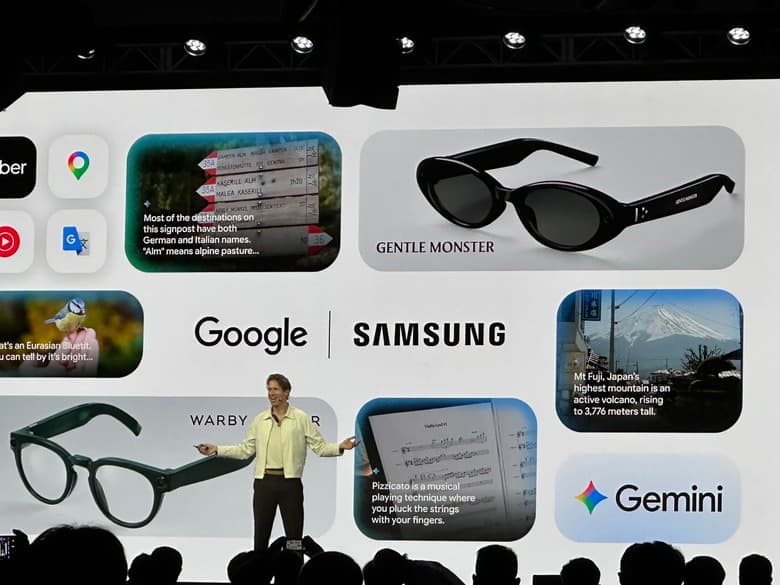
- Qualcomm and Google are collaborating to standardize Android XR for third-party AR hardware makers
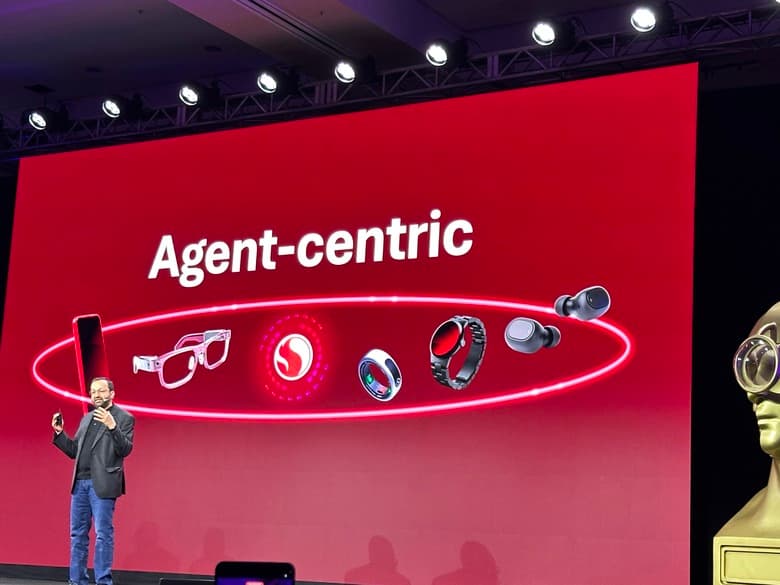
- The industry is shifting from display-focused AR to 'agentic AI' that performs tasks autonomously in your field of view
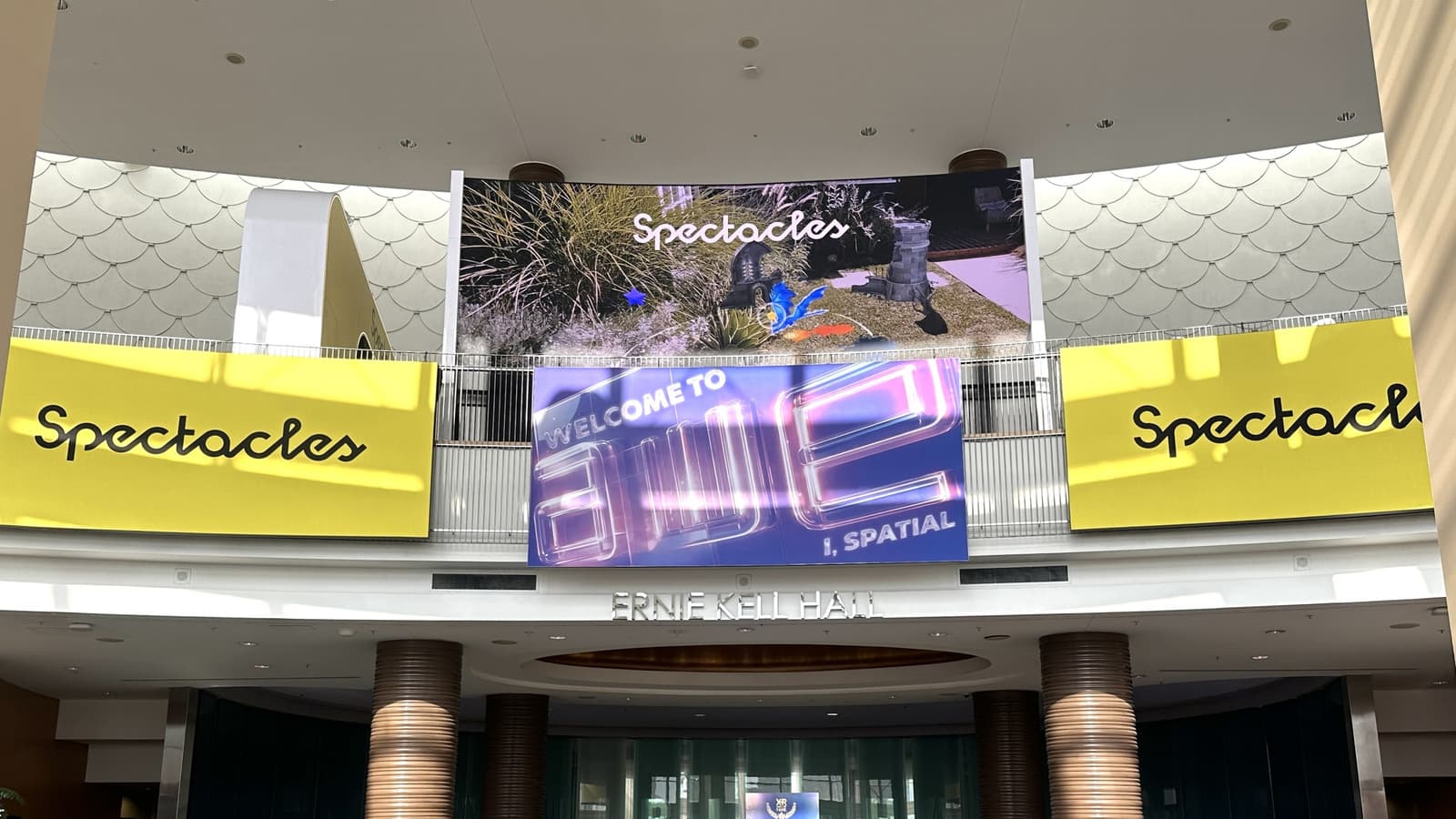
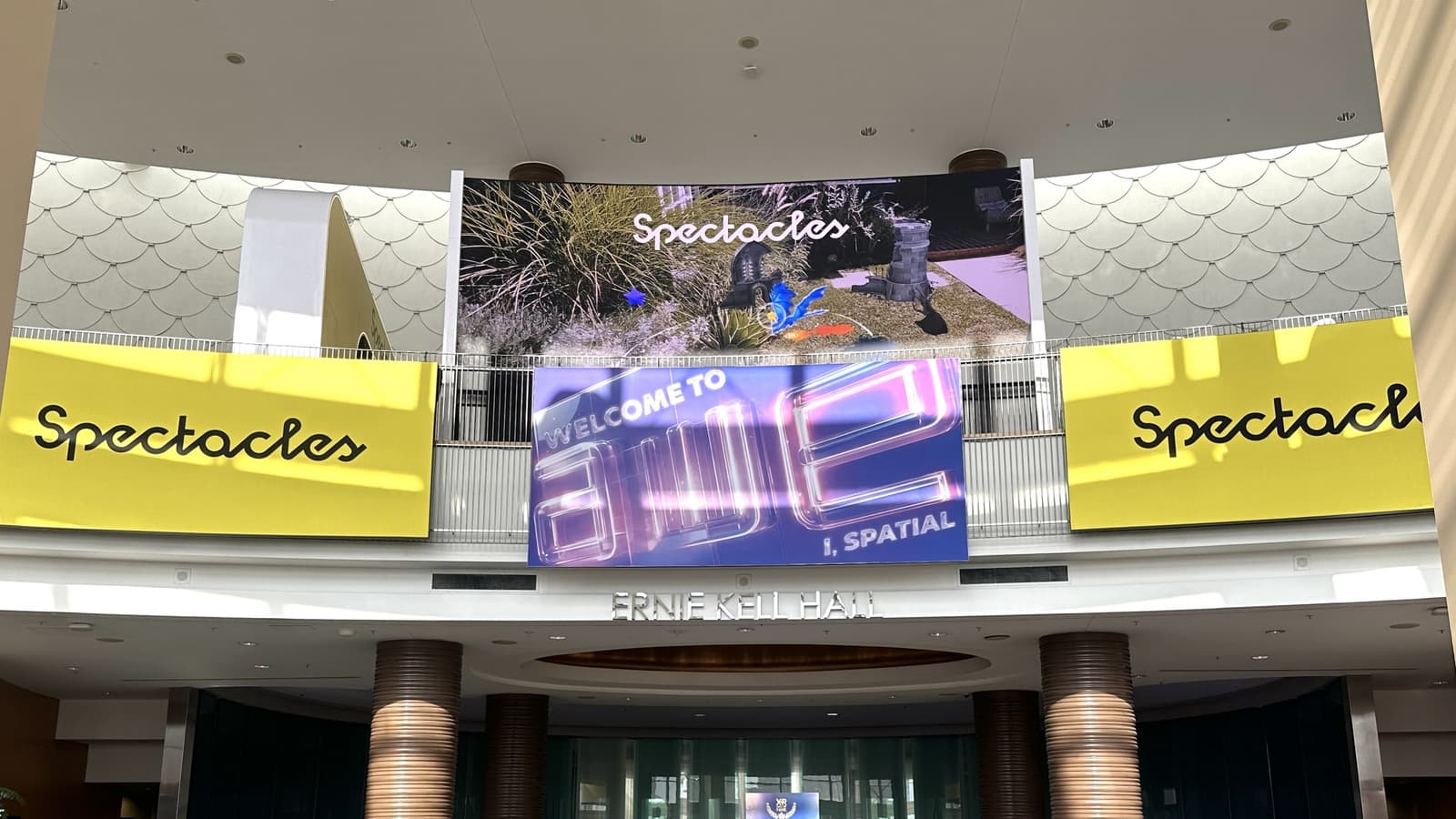
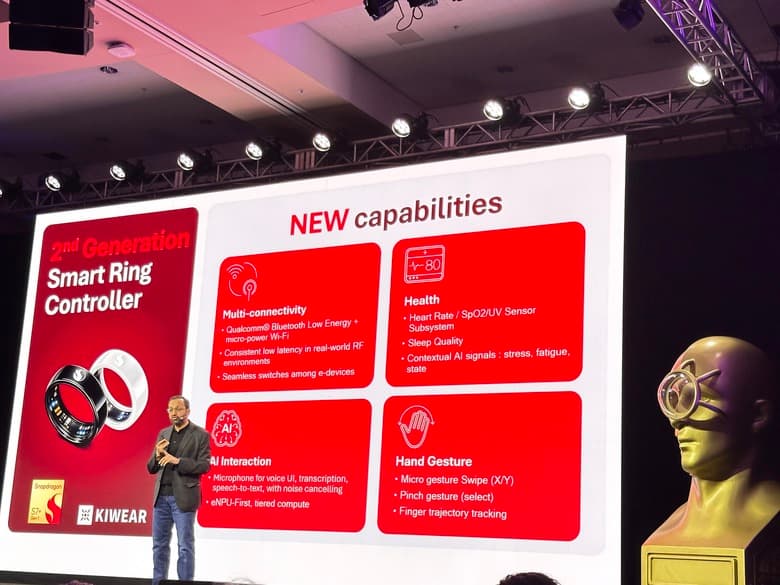
Augmented World Expo 2026 kicks off today in Long Beach with keynotes from Snap CEO Evan Spiegel, Qualcomm, and Google. The theme running through all three presentations: AR glasses that do more than overlay graphics. They run autonomous AI agents locally, processing what you see and acting on it without cloud round-trips.
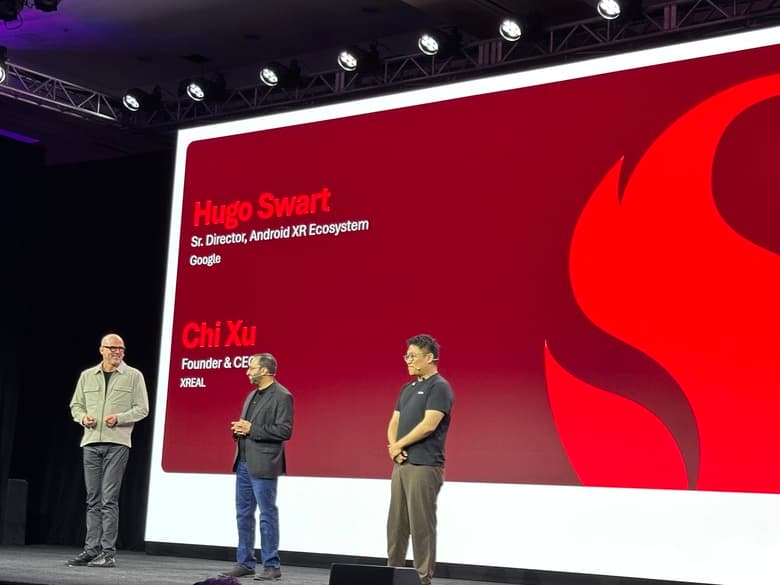
Spiegel's 25-minute keynote, scheduled for 12:30 PM ET, is expected to reveal consumer-ready Spectacles. Snap has been teasing the announcement on social media, and the company's official account posted a video hinting at a standalone device. Qualcomm's Ziad Asghar and Google's Hugo Swart and Juston Payne follow immediately after with their own sessions on the silicon and software powering the next generation of wearables.
What is agentic AI and why does it matter for AR?
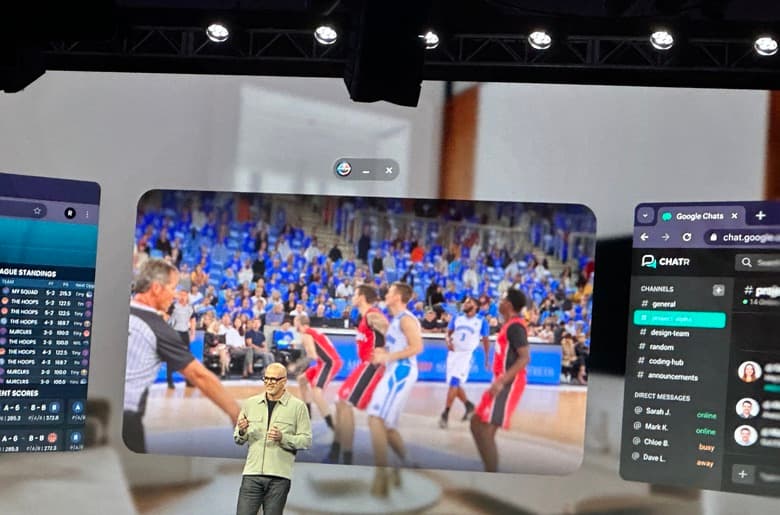
The phrase "agentic AI" has been bouncing around AI research labs for a year. At AWE 2026, it's the centerpiece. The idea: instead of AR glasses that simply display notifications or navigation arrows, these devices run AI systems capable of multi-step reasoning. Point your glasses at a restaurant menu in Italian, and the agent translates it, cross-references your dietary restrictions, and suggests dishes. No manual prompts.
“We are shifting from simple AR overlays to agentic AI—silicon that doesn't just show you data, but performs complex multi-step tasks in your field of view.”
— Ziad Asghar, SVP of XR at Qualcomm
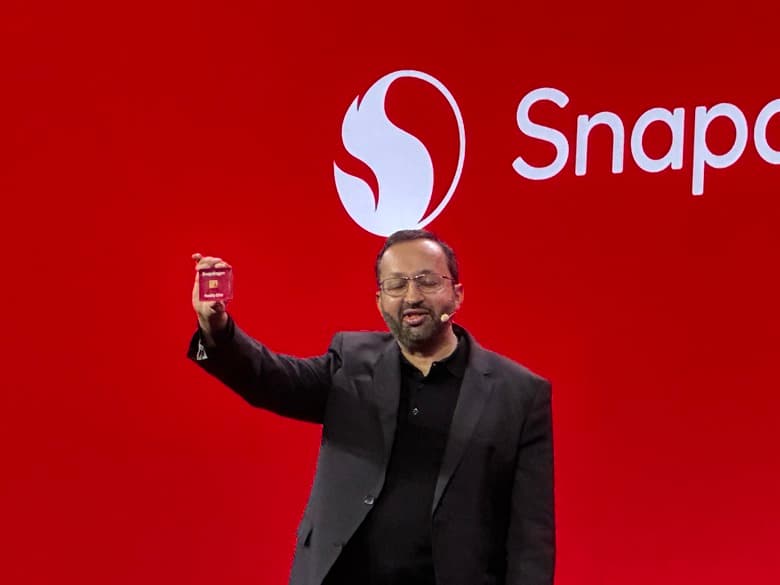
Qualcomm's pitch centers on edge processing. Running agents locally means lower latency and better privacy, but it demands serious compute in a device that can't weigh more than 150 grams if people are going to wear it all day. That's the target weight Qualcomm has floated for next-gen consumer AR hardware.
Snap's Spectacles: From toy to tool
Snap's first Spectacles launched in 2016 as a camera in sunglasses. Cute, limited, mostly forgotten. Subsequent versions added AR displays but stayed tethered to phones and developer kits. The 2026 version, if the leaks hold, breaks that pattern.
“The future of computing isn't about staring at a screen; it's about computing that understands the world you're looking at and acts on your behalf.”
— Evan Spiegel, CEO of Snap Inc.
Spiegel's framing positions Spectacles as a post-smartphone device. Whether that's aspirational marketing or achievable hardware remains the question. Online discussion on r/augmentedreality and Hacker News has focused on battery life and thermal management. Running high-end AI inference on a glasses form factor generates heat, and cramming enough battery for all-day use into slim frames is an unsolved problem for every company in this space.
Google and Qualcomm team up on Android XR
The other big story from AWE 2026: Google and Qualcomm are collaborating on Android XR, an operating system designed for AR and VR headsets. The goal is standardization. Instead of every hardware maker building proprietary software stacks, Android XR gives third-party manufacturers a common platform. Think of it as what Android did for smartphones, now applied to face computers.
This matters because the AR glasses market is currently fragmented. Meta has its Reality OS, Apple has visionOS, and smaller players have cobbled together their own systems. A shared Android XR base could accelerate development for companies that don't have the resources to build an entire operating system from scratch.
How big is the spatial computing market?
Industry analysts project the global spatial computing market will grow at a 45% compound annual growth rate through 2030. That's aggressive, and it assumes agentic AI actually delivers on the promise of useful, everyday functionality. The 300+ exhibitors at AWE 2026 are betting it will.
The shift from experimental hardware to practical wearable computing is the defining narrative of this year's event. Previous AWEs focused on display resolution, field of view, and tracking accuracy. Those problems haven't been fully solved, but the conversation has moved upstream to what you do with the display once it's good enough.
What to watch for the rest of the day
Spiegel's keynote wraps at roughly 12:55 PM ET, followed by Qualcomm and Google sessions. We'll know by this afternoon whether Snap is shipping a real consumer product or another developer kit. We'll also get details on Android XR's timeline and which hardware partners are on board.
The tagline for AWE 2026 is "You'll Feel Spatial. We Promise." It's marketing-speak, but the companies presenting today are attempting to make good on it. Whether they succeed depends on battery life, price, and whether agentic AI can do something genuinely useful that a phone in your pocket can't.
Nvidia's chips power the AI inference in devices like the ones announced at AWE
Logicity's Take
Snap positioning itself against Meta and Apple in AR is ambitious, but the real play here is Qualcomm and Google building infrastructure for everyone else. If Android XR becomes the default OS for non-Apple AR hardware, the winner isn't necessarily Snap. It's Qualcomm selling chips to dozens of manufacturers and Google owning the platform layer. The consumer battle is a sideshow to the platform war underneath.
Frequently Asked Questions
When is AWE 2026 and where is it held?
AWE 2026 is taking place on June 16, 2026, at the Long Beach Convention and Entertainment Center in California.
What is agentic AI in AR glasses?
Agentic AI refers to autonomous AI systems that can perform multi-step tasks based on what the glasses' sensors detect, without requiring manual prompts or constant cloud connectivity.
What is Android XR?
Android XR is a collaborative operating system from Google and Qualcomm designed to give third-party AR and VR hardware manufacturers a standardized software platform.
Are the new Snap Spectacles available to consumers?
Snap CEO Evan Spiegel is expected to announce consumer-ready Spectacles at AWE 2026, but pricing and availability details haven't been confirmed yet.
How much will next-gen AR glasses weigh?
Qualcomm has discussed a target weight of 150 grams for next-generation consumer AR glasses to achieve all-day comfort.
Need Help Implementing This?
If your company is evaluating spatial computing platforms or building AR-enabled applications, Logicity covers the enterprise side of XR adoption. Subscribe for our weekly briefing on wearable tech infrastructure and vendor analysis.
Source: Engadget
Manaal Khan
Tech & Innovation Writer
Produced with AI assistance and reviewed by the Logicity editorial team. Learn more in our Editorial Policy.




