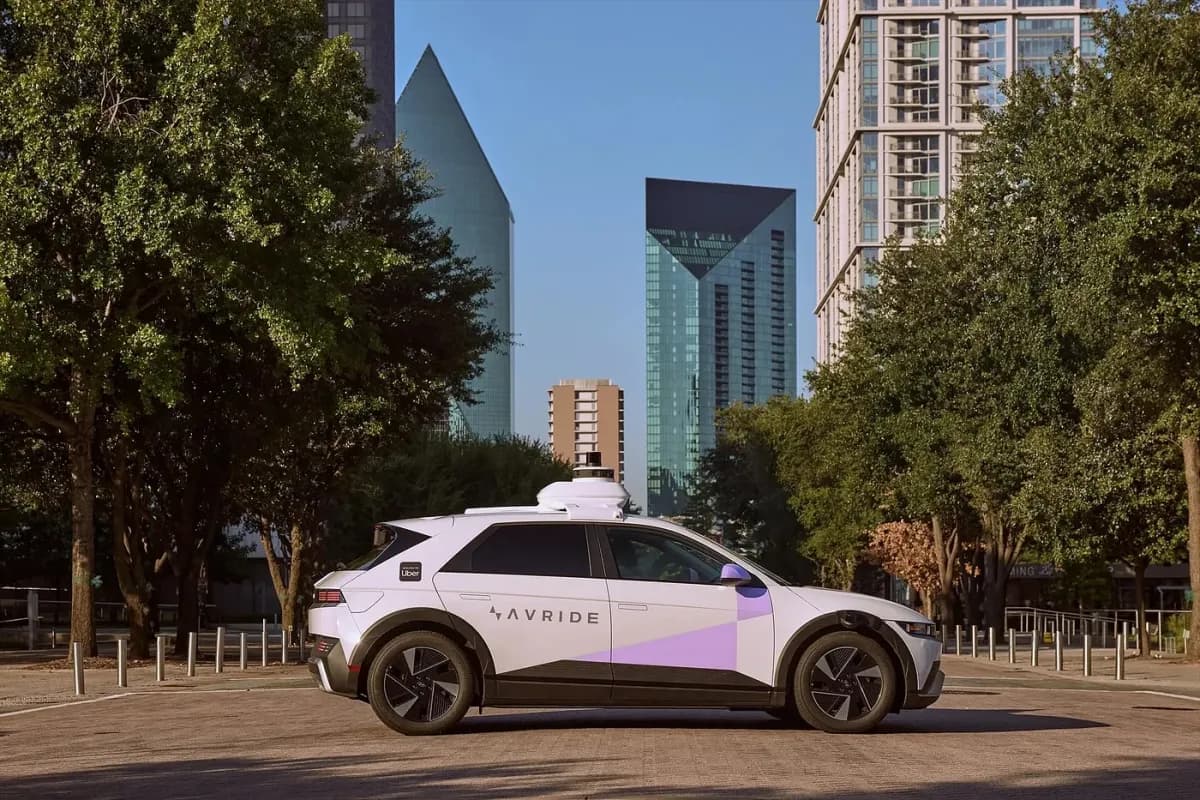
A recent incident in Texas involving a self-driving car and a mother duck has raised concerns about the safety of autonomous vehicles. The accident has sparked outrage in the neighborhood, with many questioning the reliability of this technology. As the world moves towards a future with self-driving cars, can we truly trust them to prioritize human and animal life?
Key Takeaways
- A self-driving car in Texas hit and killed a mother duck, causing outrage in the neighborhood
- The incident has raised concerns about the safety and reliability of autonomous vehicles
- Avride, the company behind the self-driving car, is evaluating potential improvements to the technology
In This Article
- The Incident: What Happened?
- Neighborhood Reaction: Outrage and Concern
- Avride's Response: Evaluating Improvements
- The Bigger Picture: Autonomous Vehicle Safety
- Future Outlook: Can Self-Driving Cars Be Trusted?
- Conclusion: A Call to Action
The Incident: What Happened?
On a fateful day in the Mueller Lake neighborhood of Austin, Texas, a self-driving car made headlines for all the wrong reasons. The car, operated by Avride, was in autonomous mode when it struck and killed a mother duck. The incident has sent shockwaves through the community, with many residents expressing outrage and concern about the safety of these vehicles.
- The self-driving car was being tested in the neighborhood with a human safety operator behind the wheel
- The car failed to stop or slow down after hitting the duck, according to eyewitnesses
Neighborhood Reaction: Outrage and Concern
The incident has sparked a heated debate in the neighborhood, with many residents questioning the safety and reliability of autonomous vehicles. The fact that the duck was a beloved member of the community has only added to the outrage and concern.
- Residents have expressed frustration and anger over the incident, with some calling for a ban on self-driving cars in the neighborhood
- The local community has come together to care for the duck's eggs, which have been placed in an incubator
Avride's Response: Evaluating Improvements
Avride, the company behind the self-driving car, has responded to the incident by acknowledging the concerns of the neighborhood and promising to evaluate potential improvements to the technology. According to Yulia Shveyko, a spokesperson for Avride, the company is taking the incident seriously and is committed to making its self-driving cars safer.
- Avride has adjusted its area of operations to exclude certain streets around the lake where the incident occurred
- The company is running controlled experiments in simulation to ensure that any changes do not negatively impact the vehicle's safety performance
The Bigger Picture: Autonomous Vehicle Safety
The incident in Texas is just one example of the challenges facing the autonomous vehicle industry as it works to develop safe and reliable self-driving cars. As the technology continues to evolve, it's essential to consider the potential risks and benefits and to prioritize the safety of all road users, including humans and animals.
- Autonomous vehicles have the potential to revolutionize transportation, but they also pose significant safety risks if not developed and tested properly
- The industry must prioritize transparency and accountability in the development and deployment of self-driving cars
Future Outlook: Can Self-Driving Cars Be Trusted?
As the world moves towards a future with self-driving cars, it's essential to consider the potential risks and benefits. While incidents like the one in Texas are concerning, they also highlight the need for continued innovation and improvement in the autonomous vehicle industry.
- Self-driving cars have the potential to significantly reduce accidents and improve road safety, but they must be developed and tested with safety as the top priority
- The industry must work to build trust with the public and to demonstrate the safety and reliability of autonomous vehicles
Conclusion: A Call to Action
The incident in Texas is a wake-up call for the autonomous vehicle industry and a reminder of the importance of prioritizing safety and reliability. As we move forward, it's essential to consider the potential risks and benefits of self-driving cars and to work towards a future where these vehicles can be trusted to prioritize human and animal life.
- The industry must prioritize transparency and accountability in the development and deployment of self-driving cars
- Continued innovation and improvement are necessary to build trust with the public and to demonstrate the safety and reliability of autonomous vehicles
“It didn't slow down or hesitate at all, just steamrolled through”
— Mueller neighborhood resident
Final Thoughts
As we move forward in the development and deployment of self-driving cars, it's essential to prioritize safety and reliability. The incident in Texas is a reminder of the importance of transparency and accountability in the autonomous vehicle industry. By working together, we can build a future where self-driving cars are trusted to prioritize human and animal life.
Sources & Credits
Originally reported by TechCrunch — Kirsten Korosec
Huma Shazia
Senior AI & Tech Writer
Produced with AI assistance and reviewed by the Logicity editorial team. Learn more in our Editorial Policy.