Key Takeaways
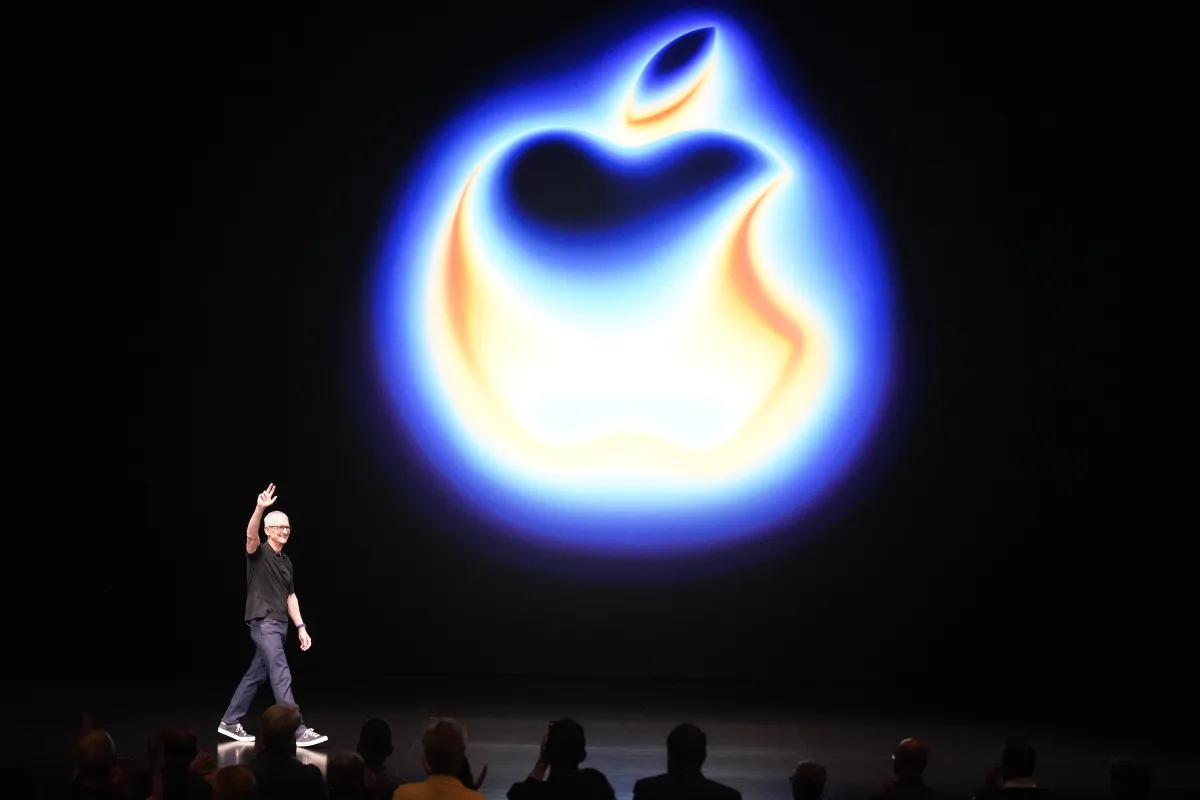
- Apple CEO Tim Cook says price increases are 'unavoidable' due to memory chip shortages driven by AI demand
- TechInsights estimates Apple would need to add $270 to the iPhone 17 Pro to maintain profit margins
- Memory chip costs have increased fourfold in the past year, a phenomenon the industry calls 'RAMageddon'
Apple's next iPhone could cost $270 more than its predecessor. Outgoing CEO Tim Cook told the Wall Street Journal that price increases across Apple's product line are now "unavoidable" after memory chip costs quadrupled over the past year. The culprit: AI's relentless appetite for the same chips that power consumer electronics.
Cook described the situation as "unsustainable." The industry has coined a term for it: RAMageddon. Microsoft, Meta, Google, and other tech giants are hoarding high-bandwidth memory for AI data centers, squeezing supply and driving prices to record highs. Apple, which builds memory into every iPhone, Mac, iPad, and Apple Watch, can no longer absorb the cost differential.
How much will iPhone prices actually increase?
Cook didn't specify which products will see price hikes or when they'll take effect. But the September iPhone launch gives Apple a natural opportunity to announce new pricing. Research firm TechInsights told the WSJ that Apple would need to add $270 to the iPhone 17 Pro just to keep its profit margin intact. The current iPhone 17 Pro starts at $1,099. That would push the entry price to $1,369.
Memory supply experts told the Financial Times that the iPhone "seems almost certain" to be affected. Every Apple device contains DRAM (memory) and NAND (storage) chips: the Apple Watch, Mac, iPad, and Apple Vision Pro all face the same cost pressure.
Why is AI causing a memory chip shortage?
Big Tech is projected to spend $700 billion on AI infrastructure in 2026. That spending goes toward GPUs, servers, and crucially, high-bandwidth memory. The same foundries that produce chips for smartphones are now prioritizing orders from AI companies willing to pay premium prices. Consumer electronics manufacturers are stuck in line behind them.
Cook has raised alarms about RAMageddon before. In April, after Apple posted record quarterly sales, he warned that higher component costs could hurt the company's next earnings report. Incoming CEO John Ternus echoed the concern the same month.
Apple's AI troubles go beyond chip costs
The memory shortage isn't Apple's only AI headache. The company paid a $250 million settlement earlier this year to end a false advertising lawsuit. Apple had promised AI features two years ago and failed to deliver them. Its Worldwide Developers Conference this month showed progress on those commitments, including an overhaul of Siri, but the company remains behind competitors on AI integration.
Here's the uncomfortable feedback loop: Apple needs more on-device AI processing to compete. More on-device processing requires more memory. More memory means higher costs. Higher costs mean higher prices. The company is caught between falling behind on AI and passing ever-larger bills to consumers.
What are consumers saying about potential price hikes?
Online reaction has been skeptical. Discussions on Hacker News have focused on whether Apple will finally be forced to offer lower-spec entry-level models to maintain psychological price points. Some speculate the premium "walled garden" strategy may hit its ceiling if base iPhone prices cross $1,300.
Reddit sentiment is more cynical. Many users question whether the price hikes are entirely supply-driven or if Apple is using the AI hardware craze as cover to boost margins during its leadership transition from Cook to Ternus. Apple's gross margins on iPhones have historically been around 40%, and the company has weathered supply chain disruptions before without passing full costs to consumers.
When will Apple announce new iPhone pricing?
Apple typically announces new iPhones in September. That's the most likely moment for a price adjustment. Cook's public warnings appear designed to prepare investors and customers for the announcement. Whether Apple absorbs part of the increase to soften the blow, or passes the full $270 through, remains unclear.
The company's other products will likely see increases too, though perhaps smaller ones in absolute terms. An Apple Watch or iPad uses less memory than an iPhone Pro, so the per-unit cost impact is lower. The Apple Vision Pro, which already starts at $3,499, may see the largest dollar increase given its computing requirements.
Logicity's Take
Apple is doing something unusual: publicly blaming external factors for price increases before announcing them. That's a PR strategy, not just financial disclosure. The company wants "RAMageddon" framed as an industry-wide force of nature, not an Apple pricing decision. Whether consumers buy that framing when they see a $1,369 iPhone will determine how much damage this does to Apple's brand as the accessible premium choice.
Frequently Asked Questions
How much more will the iPhone 17 Pro cost?
TechInsights estimates Apple would need to add $270 to maintain its profit margin, pushing the base price from $1,099 to potentially $1,369. Apple hasn't confirmed the final pricing.
What is RAMageddon?
RAMageddon is an industry term for the global shortage of memory (DRAM) and storage (NAND) chips, caused primarily by AI companies buying up supply for data centers. DRAM prices rose 90% in Q1 2026.
When will Apple raise iPhone prices?
Apple typically announces new iPhones in September 2026, which is the most likely moment for a price adjustment. Tim Cook has not specified an exact date.
Will other Apple products get more expensive?
Yes. Cook said price increases are unavoidable across the product line. The Mac, iPad, Apple Watch, and Apple Vision Pro all contain the same memory chips facing cost increases.
Is the price increase only due to chip shortages?
Apple attributes it entirely to component costs. Some analysts and consumers speculate the company may use the situation to expand margins, though Apple's public statements focus solely on supply chain pressures.
Another flagship phone launch navigating the same component cost pressures
Need Help Implementing This?
If you're a business planning hardware purchases or product launches amid the memory shortage, our team can help you analyze supply chain options and pricing strategies. Contact Logicity for enterprise consulting.
Source: TechCrunch / Kirsten Korosec
Manaal Khan
Tech & Innovation Writer
Produced with AI assistance and reviewed by the Logicity editorial team. Learn more in our Editorial Policy.