Key Takeaways
- Android 17 introduces Bubbles, system-level floating windows with a dedicated dock for foldables and tablets
- The June Pixel Drop adds Gemini Omni video generation and expands AirDrop support to older Pixel models
- Key features like AI-generated widgets and Rambler transcription won't arrive until later this summer
Google started rolling out Android 17 to compatible Pixel phones on June 16, 2026, bundling the OS update with exclusive features in the June Pixel Drop. The release brings floating app windows called Bubbles, Screen Reactions for recording yourself while screen capturing, and expanded Gemini AI tools. Other Android manufacturers will push the update throughout the year.

This isn't every feature Google previewed at the Android Show last month. Several headline capabilities, including AI-generated widgets and the Rambler transcription tool, remain on the runway for a vague "later this summer" launch. The update that shipped today focuses on multitasking, creator tools, and security.
What are Bubbles and the Bubble Bar?
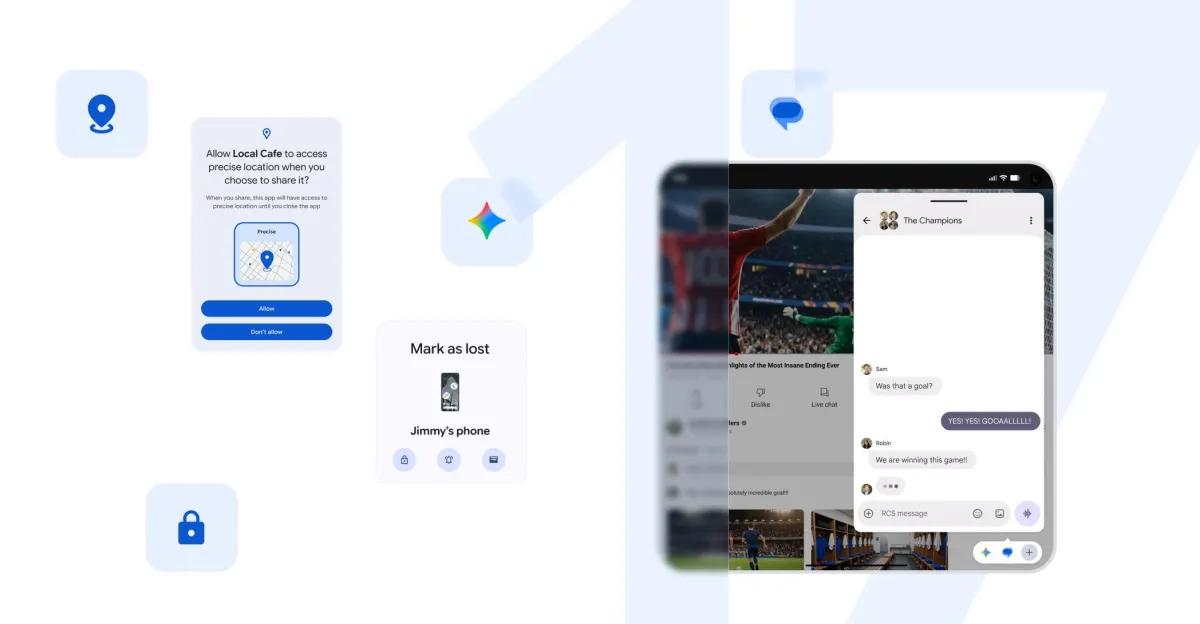
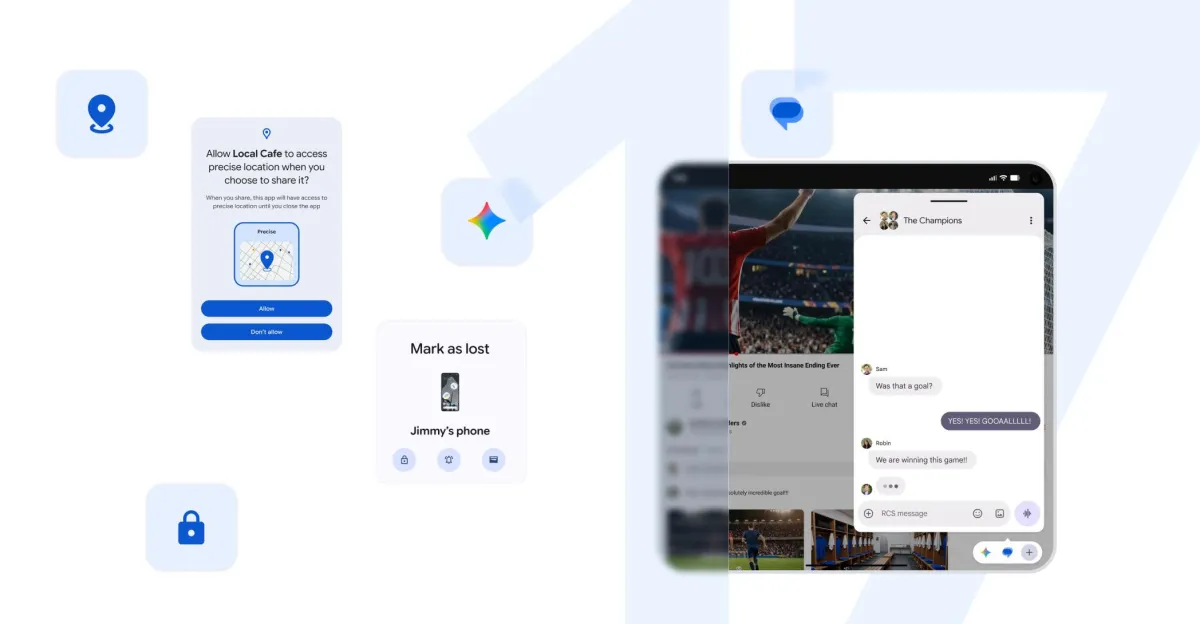
Bubbles are floating app windows you summon with a long press. Samsung and other OEMs have offered similar overlays for years through their custom skins, but Android 17 bakes them into the operating system itself. The difference matters for developers: a single API now governs floating windows across all Android 17 devices.
On foldables and tablets, Google added the Bubble Bar, a dock that sits at the bottom of the screen. It holds open Bubbles for quick switching. The goal is desktop-style multitasking without forcing users into split-screen mode.
Early feedback from Reddit's r/GooglePixel community has been positive, though some Pixel 6 owners report minor frame drops during heavy animations. Google's app memory management changes claim a 15% improvement in idle battery life, which may explain the stricter background process control HackerNews users are debating.
Screen Reactions and foldable gaming controls
Screen Reactions let you overlay a selfie video feed while screen recording. The use case is obvious: reaction content for TikTok, YouTube, or Instagram without juggling third-party apps. You tap a button, your face appears in a movable bubble, and both streams record together.
Foldable users get a new gaming mode. When enabled, a touchscreen gamepad renders on the bottom half of the inner display while the game runs on top. All Android phones, regardless of form factor, gain native controller remapping. You can reassign buttons without relying on a game's built-in options.
A deeper look at the new multitasking and gaming features
What's new in the June Pixel Drop?
The Pixel Drop bundles features exclusive to Google's hardware. The Gemini Omni model now generates video from text prompts inside the Gemini app. Lyria 3 does the same for music. Both represent Google's push to move generative AI from the cloud to on-device workflows.
- AirDrop support via Quick Share expands to Pixel 8A and 9A
- Voice Translate for phone calls comes to Pixel 10A
- Take a Message is available on Pixel 6 and later (except in India, where it remains limited to Pixel 10 series)
- Conversational editing in Google Photos launches in the UK, Germany, France, Spain, and Italy
- Magic Cue suggestions appear in additional messaging apps (Google did not specify which)
The pattern here is familiar: flagship features trickle down to mid-range Pixels over time. Voice Translate debuted on the Pixel 10 Pro last year; the 10A now gets it. Take a Message follows the same path.
The companion wearable update arriving alongside Android 17
Which features are missing from today's release?
Google previewed several Gemini Intelligence tools at the Android Show that did not ship today. The company says they will arrive on "select advanced devices" later this summer. That list includes:
- Rambler, a transcription tool that converts voice memos into structured notes
- AI-generated widgets that adapt to usage patterns
- Expanded Task Automation for chaining actions across apps
No timeline exists for redesigned emoji or the Pause Point wellbeing tool. Google has not confirmed whether these depend on a future OS point release or a Play Services update.
Security and parental controls
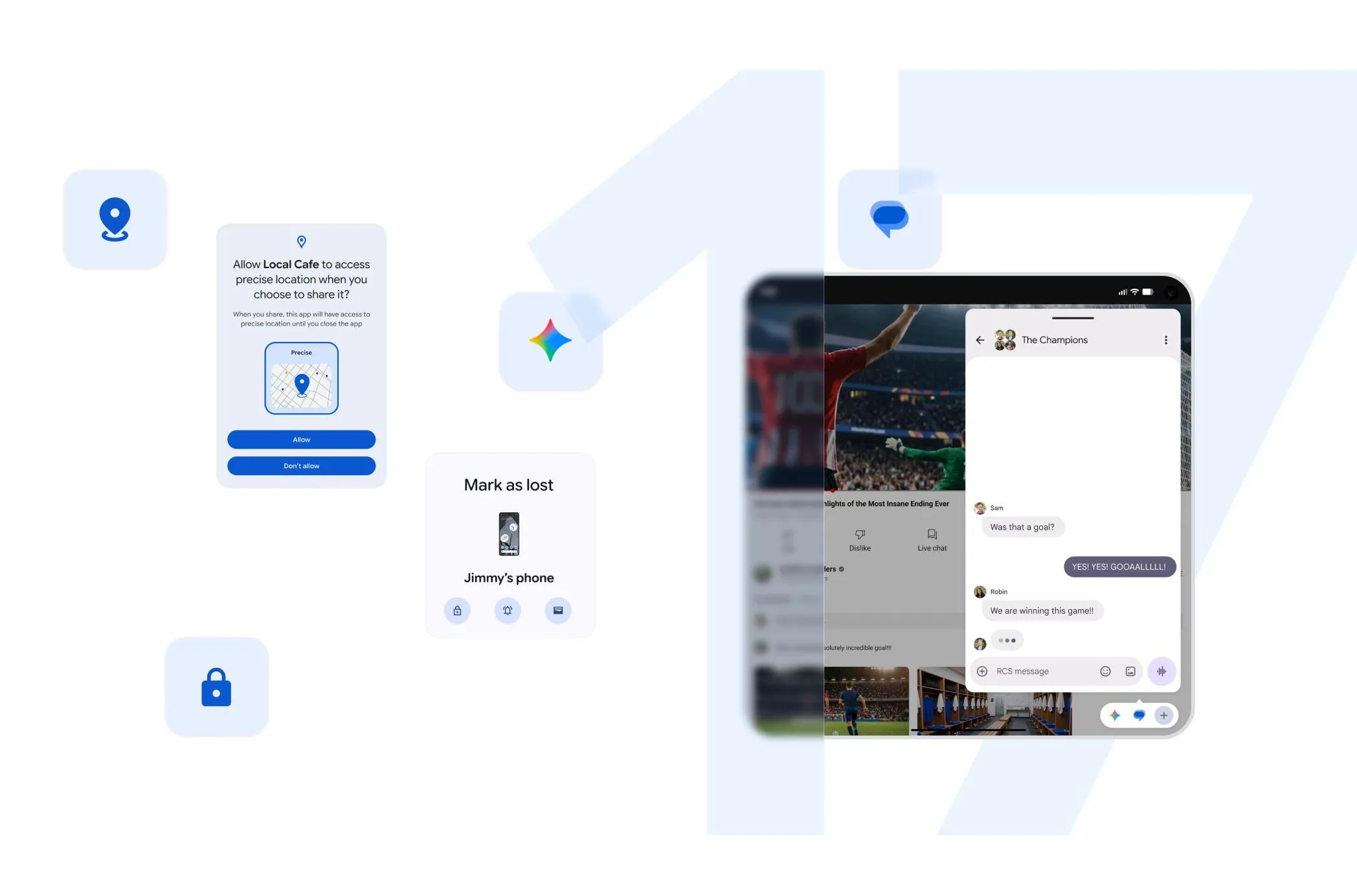
Android 17 tightens security defaults. One-time location permissions return with stricter enforcement, and the system now terminates background processes more aggressively. Google promises Pixel 10 devices will receive major security and OS updates for at least five years.
Parental controls gain new restrictions, though Google did not detail them in today's announcement. The shift toward stricter background process control has sparked debate among developers on HackerNews, with some praising the RAM efficiency and others worrying about app reliability.
When will other phones get Android 17?
Google says other manufacturers will issue the update throughout 2026. Samsung, OnePlus, and Xiaomi typically deliver major Android releases to flagship devices within three to four months of Pixel availability. Mid-range and budget phones follow later, often six months or more behind.
If you own a Pixel 6 or newer, the update should appear in Settings > System > System update today. Staged rollouts mean not every device sees it immediately.
Frequently Asked Questions
Which Pixel phones get Android 17 today?
Google is rolling out Android 17 to over 30 Pixel models, starting with Pixel 6 and newer. The update is staged, so availability may vary by region.
What is the Bubble Bar in Android 17?
The Bubble Bar is a dock at the bottom of the screen on foldables and tablets. It holds floating app windows (Bubbles) for quick multitasking.
Does Android 17 improve battery life?
Google claims a 15% improvement in idle battery life due to new app memory management that terminates background processes more aggressively.
When will Samsung phones get Android 17?
Google says other manufacturers will release Android 17 throughout 2026. Samsung typically delivers major updates to flagships within three to four months of Pixel availability.
What Gemini features are coming later this summer?
Rambler transcription, AI-generated widgets, and expanded Task Automation will arrive on select advanced devices later in summer 2026.
Logicity's Take
Android 17 is less about flashy features and more about structural changes. Bubbles standardize floating windows at the OS level, which simplifies development for tablet and foldable apps. The delayed Gemini Intelligence features suggest Google is prioritizing stability over speed to market. That's a reasonable trade-off given how buggy early Pixel AI features have been. The real test comes when those advanced tools land later this summer.
Need Help Implementing This?
If your team builds Android apps and wants to prepare for Bubble window support or the new background process restrictions, reach out to our development partners at Logicity Labs. We connect startups with vetted mobile engineering talent.
Manaal Khan
Tech & Innovation Writer
Produced with AI assistance and reviewed by the Logicity editorial team. Learn more in our Editorial Policy.




