Key Takeaways
- Android 17 will feature a dedicated foldable gaming mode that displays a virtual gamepad on half the screen
- The virtual controller works at the system level with any game that supports physical controllers
- Users can customize button layout, scaling, and haptic feedback preferences
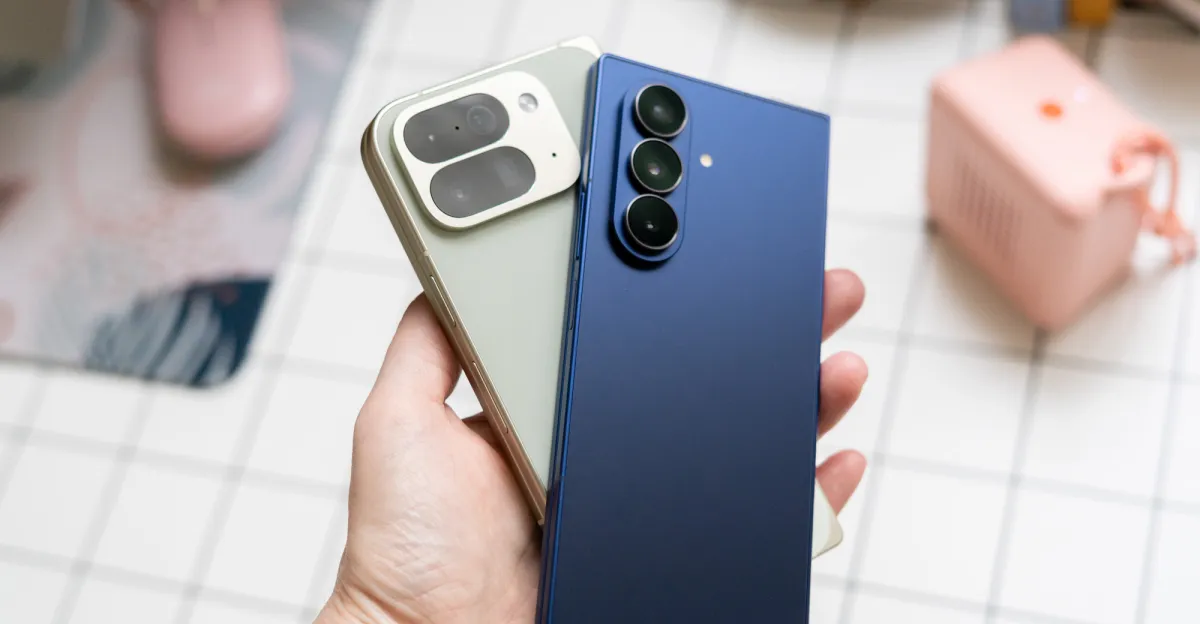
Android 17 will let foldable phone owners turn half their screen into a virtual gamepad, eliminating the awkward thumb-over-gameplay problem that has plagued mobile gaming since forever. Google announced the feature will roll out in the coming months, targeting the growing segment of users who bought $1,000+ foldables and want to actually use that extra screen real estate.
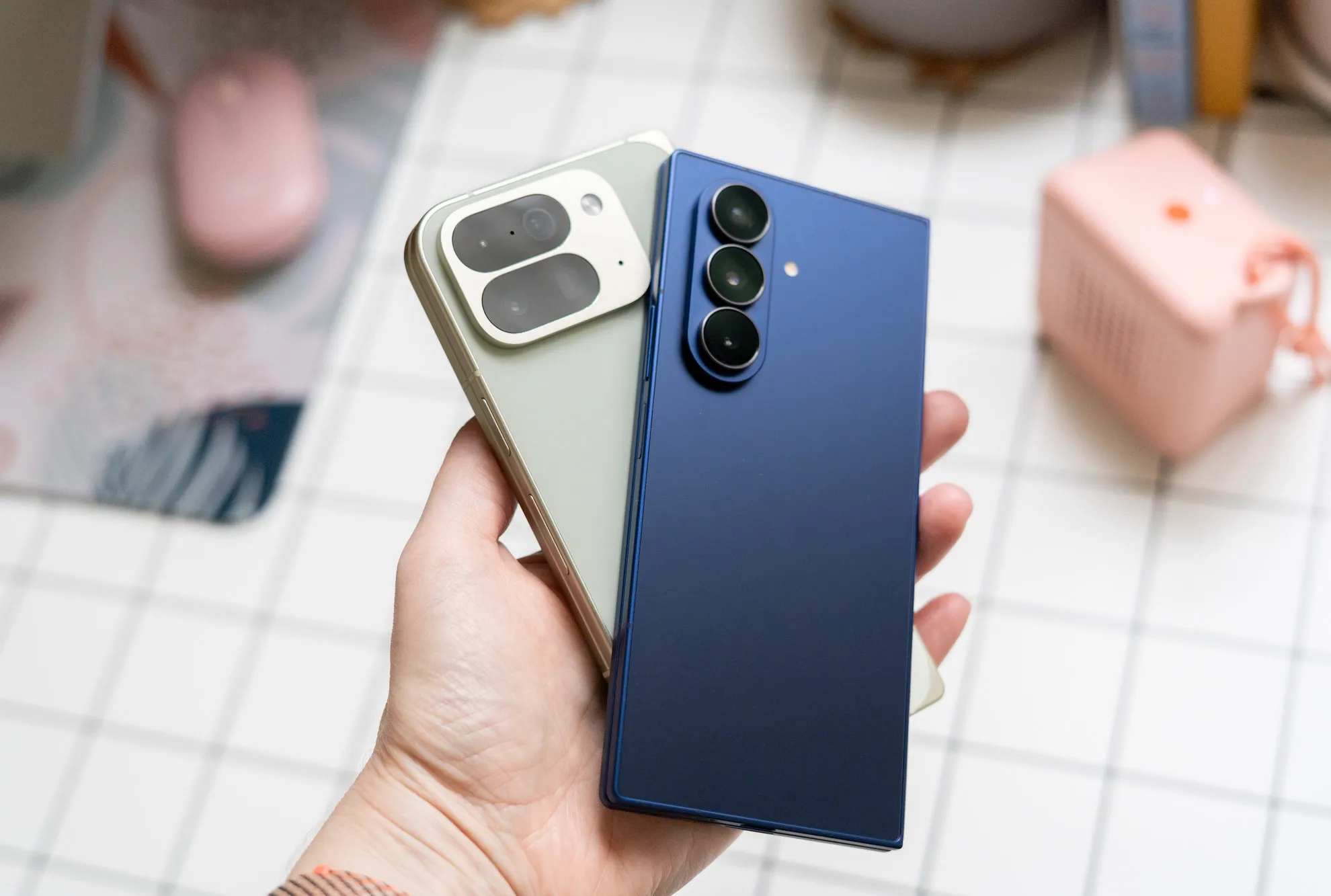
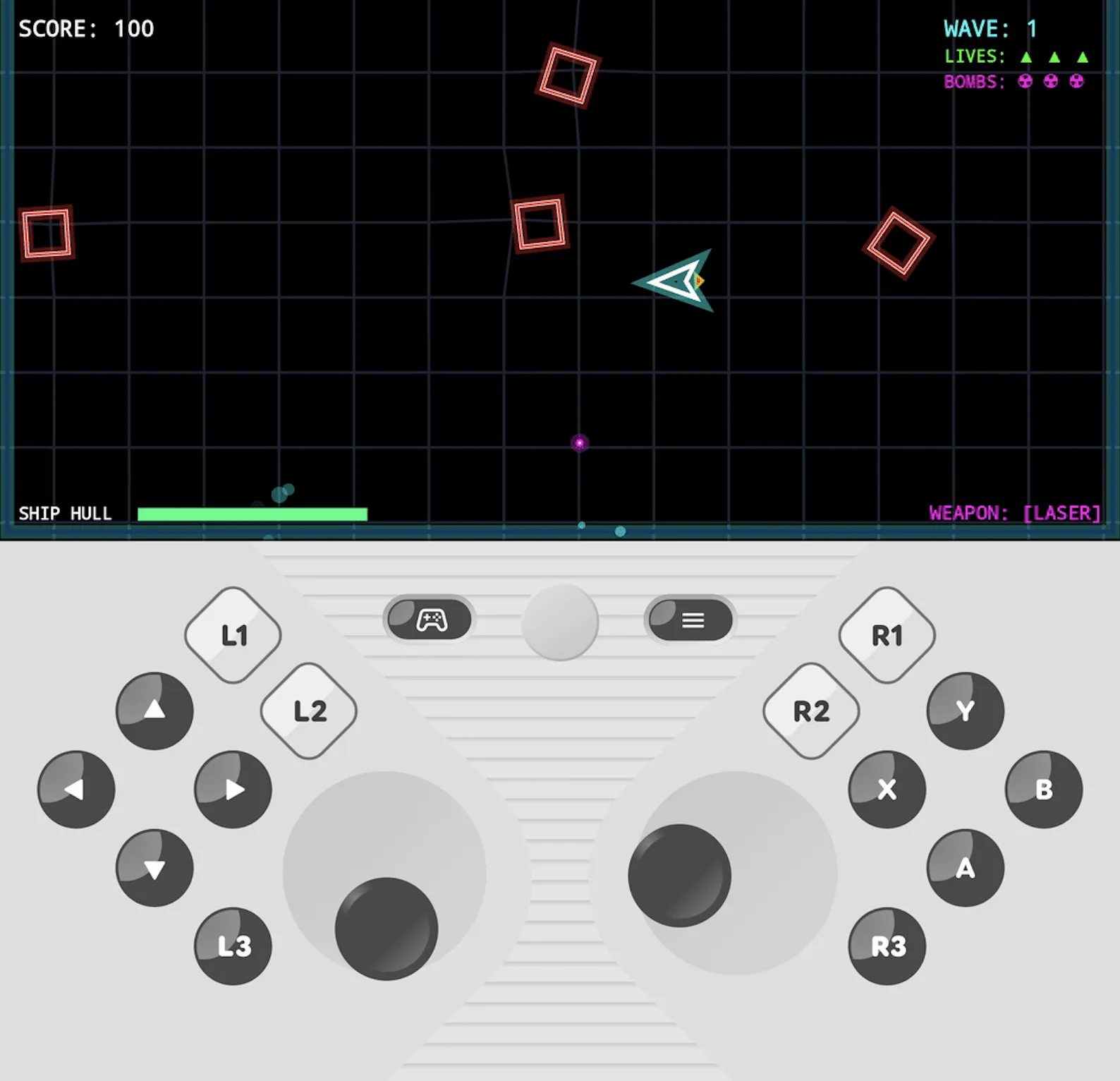
The feature works at the system level. That means the virtual controller emulates physical button presses, so it functions with any game that already supports Bluetooth or USB controllers. No developer integration required. You unfold your device, launch a compatible game, and the gamepad appears on one half of the display while your game runs full-screen on the other.
What controls does the foldable gaming mode include?
Google isn't skimping on inputs. The virtual controller includes a D-pad, dual analog sticks, the standard A/B/X/Y buttons, full shoulder button support (L1, L2, L3, R1, R2, R3), and a start button. That's a complete console-style layout.
Customization options go beyond basic. You can keep the joysticks inline or stagger them, scale button sizes to match your hand span, and toggle haptic feedback on or off. According to Google's Mishaal Rahman, who detailed the feature on Reddit, the goal is bridging the gap between touch controls and dedicated hardware without forcing users to carry a Bluetooth controller everywhere.
Why foldables needed this feature
Touch controls have been mobile gaming's original sin. Your thumbs block the screen. Imprecise inputs ruin fast-paced action. Some games try virtual overlays, but they're inconsistent and game-specific. The result: a $58 billion mobile gaming market where serious players still carry separate hardware.
Foldables seemed like an obvious fix. More screen means more room. But until now, Android didn't have a standardized way to split gaming and controls across the display. Individual developers could implement it, but few did. Google's system-level approach changes that equation.
The timing matters. Foldable shipments hit roughly 17.5 million units in 2024, and the segment is growing. Samsung's Galaxy Z Fold and Flip lines dominate, but Motorola, OnePlus, and Google's own Pixel Fold compete for share. A compelling software feature that actually uses the form factor gives buyers a reason beyond the wow factor.
How does it handle physical controllers?
Google thought this through. Connect a physical controller and the virtual gamepad automatically disappears. The system detects the hardware and gets out of the way. You also have the option to manually hide the gamepad if you prefer touch controls for certain games.
Activation is simple: unfold the phone before or after launching a game. No digging through settings menus mid-session.
Which games will work?
Any title with existing physical controller support should work out of the box. That includes most console ports, emulators, and games that integrated Android's standard controller APIs. Cloud gaming services like Xbox Game Pass, GeForce Now, and Amazon Luna fall into this category too.
Games built exclusively around touch mechanics won't benefit. Candy Crush doesn't need a D-pad. But action games, platformers, racers, and fighting games become genuinely playable without accessory hardware.
Logicity's Take
This is Google catching up to what third-party apps like Mantis Gamepad Pro and Octopus have offered for years, but with system-level reliability and no subscription fees. The real competition isn't other software, it's dedicated mobile gaming hardware: the Backbone One ($99), Razer Kishi V2 ($99), and GameSir X2 Pro ($79). If Android 17's virtual controls feel responsive enough, the foldable form factor finally has a killer use case beyond watching videos. For enterprise decision-makers evaluating device fleets that include foldables, this feature adds a tangible productivity and lifestyle perk without additional hardware spend.
Frequently Asked Questions
When will Android 17 foldable gaming mode be available?
Google says the feature will launch 'in the coming months' as part of the Android 17 platform release. Exact timing depends on device manufacturers pushing the update.
Does foldable gaming mode work with all games?
It works with any game that supports physical controllers. Games designed exclusively for touch input won't benefit from the virtual gamepad.
Which foldable phones will get this feature?
Any foldable running Android 17 should have access. That likely includes Samsung Galaxy Z Fold and Flip devices, Google Pixel Fold, Motorola Razr, and OnePlus Open, pending manufacturer updates.
Can you customize the virtual gamepad layout?
Yes. Users can adjust joystick positioning (inline or staggered), scale button sizes, and toggle haptic feedback on or off.
Does the virtual gamepad work with cloud gaming services?
Cloud gaming platforms like Xbox Game Pass, GeForce Now, and Amazon Luna support physical controllers, so the virtual gamepad should work with them as well.
Need Help Implementing This?
Planning a mobile device strategy that includes foldables? Logicity connects tech leaders with implementation partners who specialize in enterprise mobility and Android deployment. Contact our team for vendor-neutral guidance.
Huma Shazia
Senior AI & Tech Writer
Produced with AI assistance and reviewed by the Logicity editorial team. Learn more in our Editorial Policy.




