
A groundbreaking study reveals that Native American hunter-gatherers were using dice to play structured games of chance over 12,000 years ago—thousands of years before similar tools appeared in the Old World. This discovery suggests early Americans had a working grasp of randomness and probability long before formal math existed.
Key Takeaways
- Native American dice date back over 12,000 years, making them the oldest known in the world.
- These two-sided 'binary lots' were used in structured games involving chance.
- Researchers used a 1907 ethnographic study to identify true dice among ancient artifacts.
- The findings challenge the long-held belief that probability originated in Eurasia.
- Early gaming shows ancient peoples intentionally worked with randomness in rule-based systems.
In This Article
- The Discovery That Rewrites History
- What Are Binary Lots—and Why Do They Matter?
- How Do We Know These Were Actually Dice?
- Why a 1907 Study Was the Key
The Discovery That Rewrites History
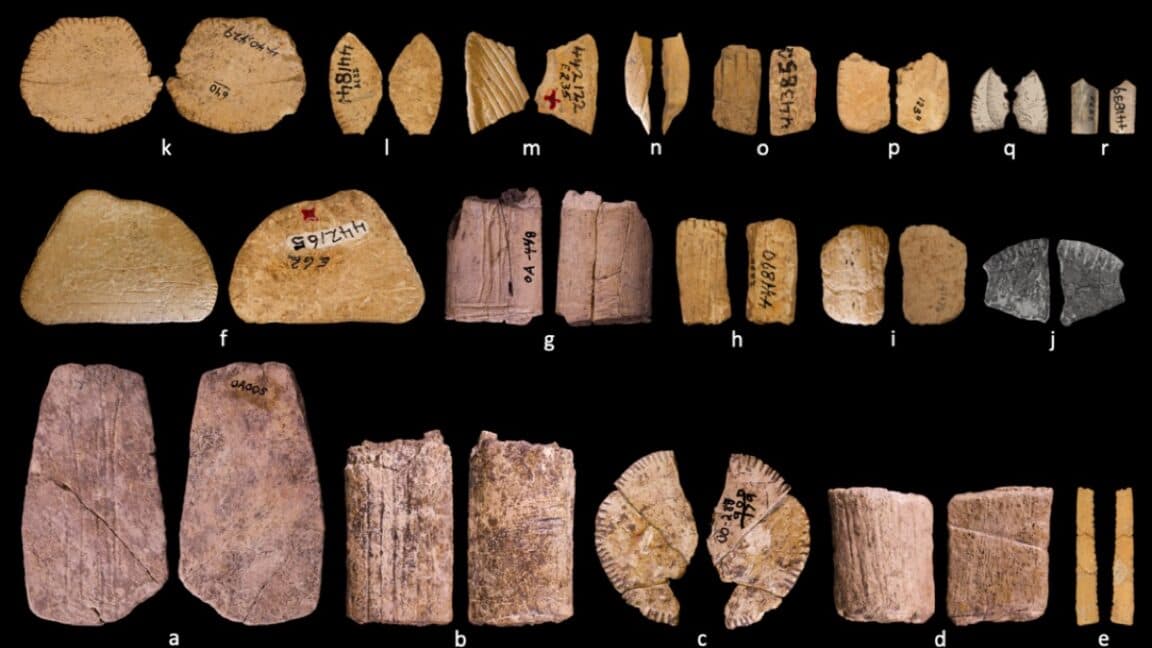
What started as a deep dive into ancient games has turned into a radical rethinking of early human cognition. A new study published in American Antiquity reveals that Native Americans were crafting and using dice over 12,000 years ago—predating any known dice in Europe or Asia by thousands of years.
- Archaeologists once believed dice and structured randomness were Eurasian inventions, but this finding flips that idea on its head.
- The oldest known dice in the Old World appear around 6,000 years ago, but Native American examples go back much further.
What Are Binary Lots—and Why Do They Matter?
These aren't your typical six-sided cubes. The dice used by ancient Native Americans were simple two-sided objects, often called 'binary lots.' But don’t let their simplicity fool you—these tools were central to games of chance that followed strict rules.
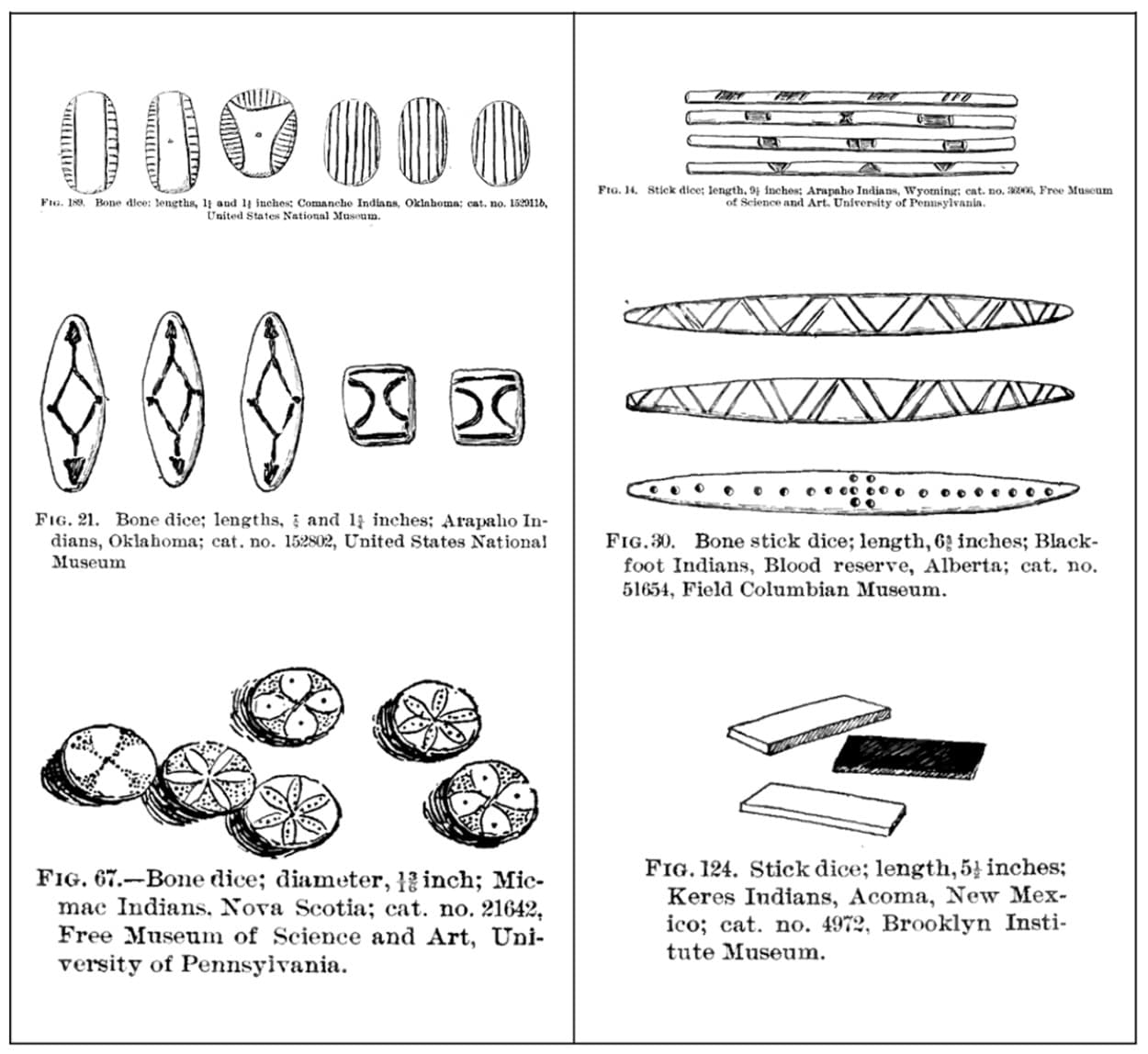
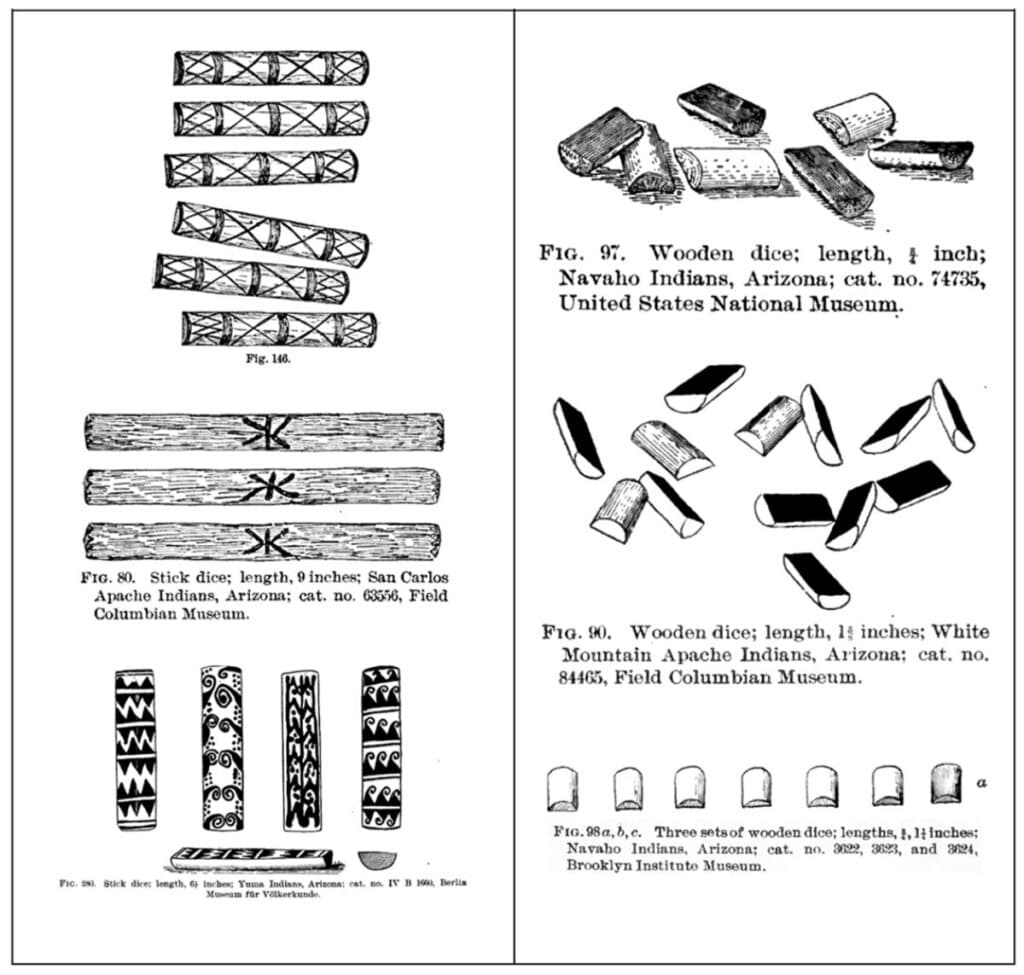
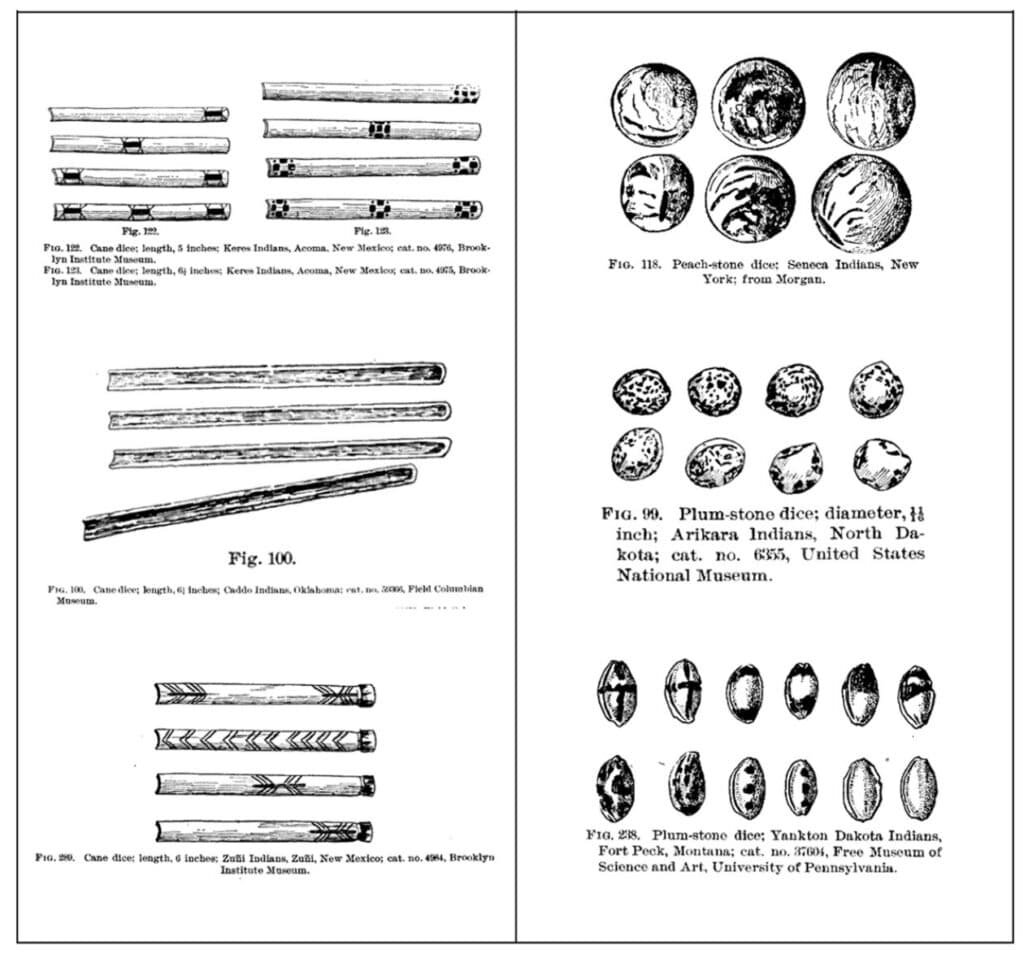
- They came in four main forms: flat bones or sticks, plano-convex shapes, convex-concave 'cane dice,' and rounded fruit pits like peach stones.
- One side was usually marked with paint or carving, making outcomes easy to read after a toss.
How Do We Know These Were Actually Dice?
In archaeology, context is everything. Just because something looks like a dice doesn’t mean it was used like one. Robert Madden, the study’s author, developed a clear set of criteria to separate real gaming tools from random artifacts.
- He required objects to be two-sided, visually distinct, handheld in size, and shaped like known dice types.
- Madden leaned heavily on a 1907 ethnographic masterpiece by Robert Culin, which documented games across 130 tribes and included over 1,100 illustrations.
Why a 1907 Study Was the Key
Without written records, archaeologists rely on cultural continuity—using historical observations to interpret ancient finds. Culin’s work, based on field notes and direct tribal knowledge, gave Madden the roadmap he needed.
- Culin gathered data from the Field Columbian Museum and traveled to meet Indigenous communities, collecting firsthand details about dice and games.
- This rich ethnographic record allowed modern researchers to link ancient artifacts to real-world uses with strong confidence.
“Ancient Native American groups were deliberately making objects designed to produce random outcomes, and using those outcomes in structured games, thousands of years earlier than previously recognized.”
— Robert Madden, Graduate Student, Colorado State University
“We always have that problem with archeology, which is you find something, and you say, well, what is this, how was it used?”
— Robert Madden, Colorado State University
Final Thoughts
This discovery isn’t just about games—it’s about how early humans thought. The use of dice suggests Native Americans weren’t just surviving; they were innovating, creating systems that relied on fairness, chance, and repeatable rules. It’s time to rewrite the history books: probability didn’t start in ancient Mesopotamia or Egypt. It may have been born in the Americas.
Sources & Credits
Originally reported by Ars Technica

Manaal Khan
Tech & Innovation Writer
Produced with AI assistance and reviewed by the Logicity editorial team. Learn more in our Editorial Policy.




