Key Takeaways
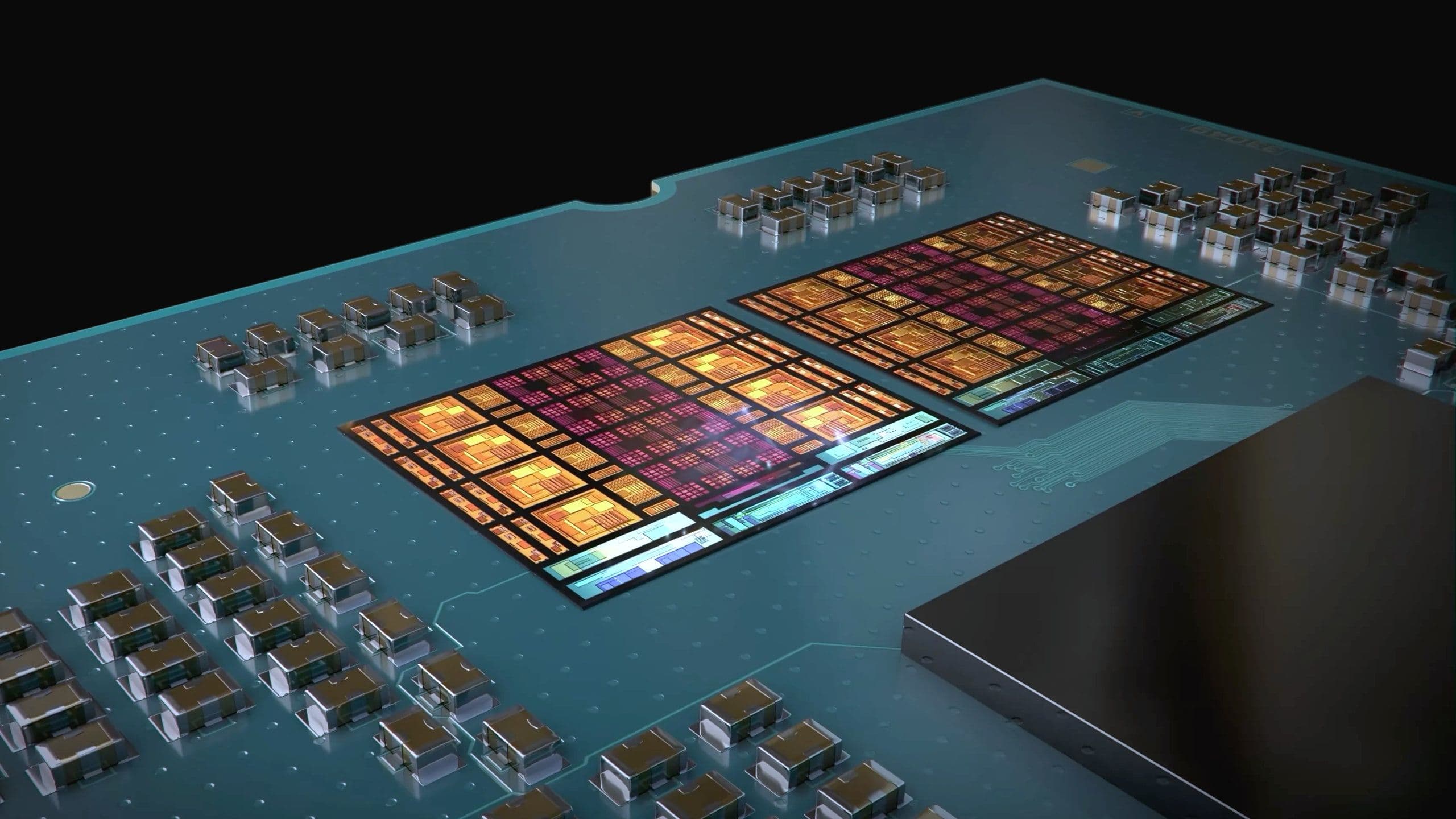
- AMD is reportedly in discussions with Samsung to manufacture some CPUs starting in 2028, according to Nikkei Asia
- TSMC's constrained capacity on cutting-edge N2 nodes is pushing AMD to explore alternatives for consumer processors
- Samsung's 4LPP or 2nm process could be used for budget APUs or I/O dies while TSMC handles high-end Epyc chips
AMD is negotiating with Samsung to manufacture some of its future processors starting in 2028, according to a Nikkei Asia report. The move would mark AMD's first significant departure from TSMC since going fabless in 2008, driven by capacity constraints on TSMC's most advanced process nodes.
The report, citing a source with knowledge of the discussions, suggests AMD needs manufacturing alternatives as demand for cutting-edge silicon outpaces even TSMC's aggressive expansion plans. AMD currently relies entirely on TSMC for its Ryzen desktop processors, Radeon GPUs, and Epyc server chips.
Why AMD needs manufacturing options beyond TSMC
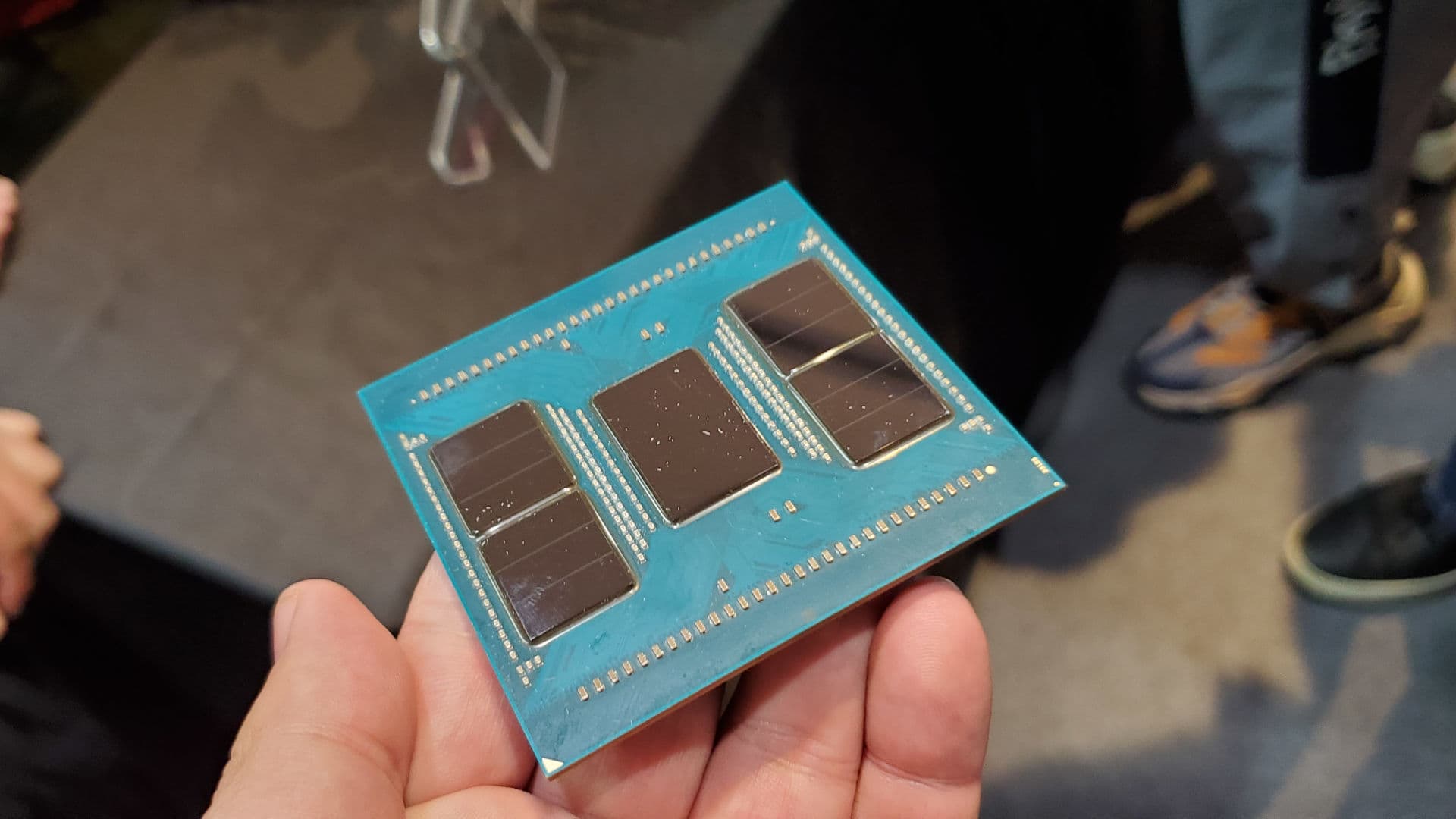
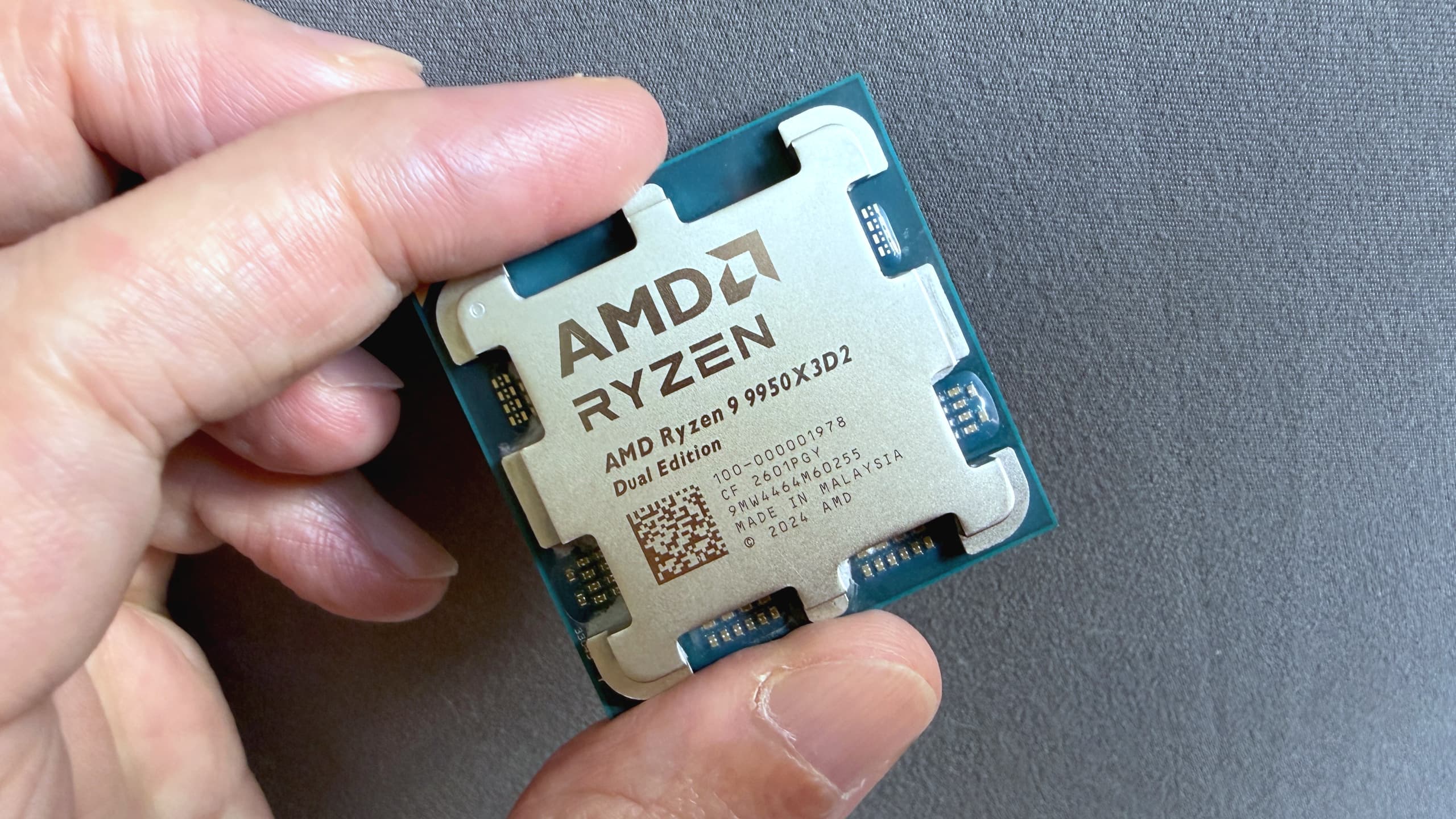
AMD's current product lineup spans multiple TSMC nodes. The Ryzen 7 9800X3D uses N4P for its compute chiplets and the older N6 for its I/O die. Ryzen AI laptop APUs and Radeon GPUs also rely heavily on N4P, while some Zen 5c chips use TSMC's N3 process.
The pinch comes with N2, TSMC's next-generation node. AMD has already committed to N2 for its next generation of Epyc server processors. These data center chips command higher margins and face insatiable demand from AI infrastructure buildouts. Consumer Ryzen CPUs, by contrast, compete in a PC market that has softened outside of data centers.
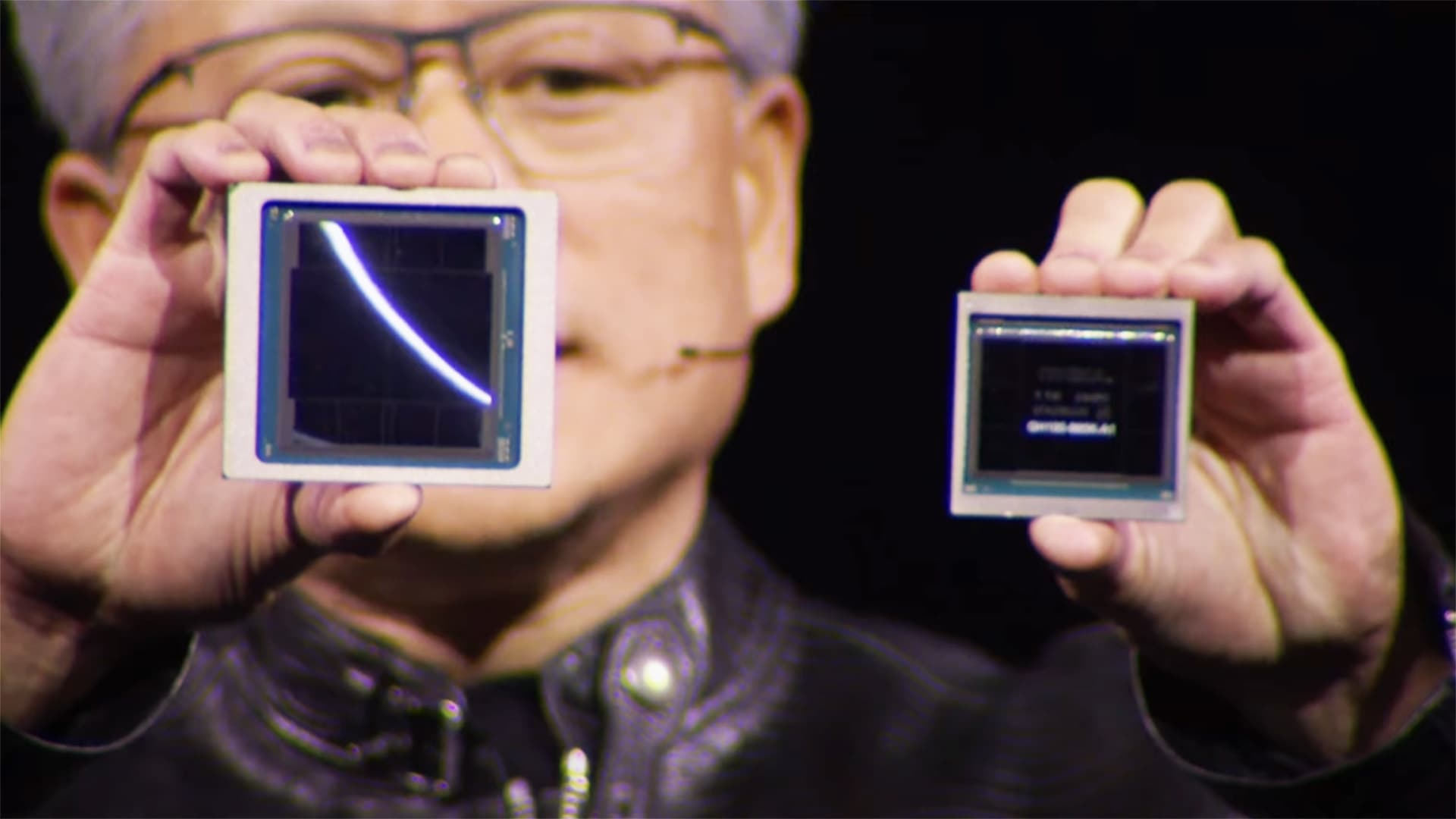
Nvidia compounds the problem. The company's Blackwell AI chips consume enormous amounts of TSMC N4 capacity, and that demand won't ease soon. Even as TSMC ramps N2 production, N4 will remain constrained by Nvidia's dominance in AI accelerators.
What chips would Samsung actually build?
Two candidates make the most sense: budget APUs and I/O dies. Neither requires the absolute leading edge of process technology.
Budget processors are often refreshed older designs with minor tweaks. They don't need 2nm transistors to hit their price and performance targets. AMD's I/O dies, which handle memory controllers, PCIe, USB, and the Infinity Fabric interconnect, contain analog circuitry that doesn't benefit much from smaller transistors. Both could run on Samsung's 4LPP process without compromising the final product.
A more ambitious scenario: Samsung's own 2nm node. Rumors last year suggested AMD might pair Samsung 2nm with TSMC N2, creating two tiers of Zen 6 compute dies. TSMC-made chiplets would go into premium Epyc processors. Samsung-made chiplets, slightly slower but cheaper, would serve Ryzen desktop and laptop chips.
Is this about capacity or cost?
Maybe both. The PC industry is struggling with a memory crisis that has driven DDR5 and NAND flash prices up 300-500% over the past year. System builders face pressure across every component. If Samsung can undercut TSMC's pricing, AMD has obvious reasons to listen.
Samsung has invested heavily in catching up to TSMC's process technology. The company's Gate-All-Around transistor architecture is its answer to TSMC's FinFET dominance, though Samsung still trails on yield rates and manufacturing consistency. A deal with AMD would represent a major validation of Samsung's foundry ambitions.
What this means for PC gamers
Not much, at least directly. Whether a Zen 6 I/O die comes from Samsung or TSMC won't change gaming benchmarks in any measurable way. The real question is pricing. If Samsung manufacturing lets AMD hold the line on CPU costs while memory prices remain elevated, that matters.
For now, 2028 is distant. AMD hasn't confirmed the talks, and negotiations at this stage often go nowhere. But the strategic logic is sound: AMD needs manufacturing flexibility, Samsung needs flagship customers, and TSMC can't supply everyone building AI infrastructure.
Logicity's Take
This potential deal signals a structural shift in semiconductor manufacturing. AMD's chiplet architecture, originally designed for yield optimization, now enables supplier diversification in ways monolithic designs couldn't. If AMD can mix TSMC and Samsung dies in the same product family, Intel's integrated manufacturing becomes less of a competitive advantage and more of a liability. The real winner might be AMD's negotiating position with TSMC itself.
Frequently Asked Questions
When would AMD chips made by Samsung reach consumers?
According to the Nikkei Asia report, talks center on manufacturing starting in 2028. Any consumer products would likely arrive that year or shortly after.
Would Samsung-made AMD chips perform worse than TSMC versions?
That depends on which chips Samsung manufactures. Budget APUs and I/O dies wouldn't show meaningful performance differences. If Samsung builds compute chiplets, they could be slightly slower, but AMD might reserve those for lower-tier products.
Why doesn't AMD just build its own chips like Intel?
AMD spun off its manufacturing operations into GlobalFoundries in 2008 to reduce costs and capital requirements. Going fabless let AMD focus on chip design while accessing TSMC's leading-edge manufacturing, which AMD's own fabs couldn't have matched.
How does this affect AMD Ryzen prices?
The impact remains speculative. If Samsung offers lower manufacturing costs than TSMC, AMD could either improve margins or pass savings to consumers. With memory prices elevated, any cost reduction helps the overall platform value.
Need Help Implementing This?
Stay informed on semiconductor industry shifts and their impact on enterprise hardware planning. Subscribe to Logicity for analysis that cuts through the noise.
Source: PCGamer latest
Manaal Khan
Tech & Innovation Writer
Produced with AI assistance and reviewed by the Logicity editorial team. Learn more in our Editorial Policy.