Key Takeaways
- Amazon is paying $11.6 billion to acquire Globalstar, including Apple's 20% stake
- iPhone Emergency SOS and satellite features will continue working under Amazon ownership
- The deal is structured through a subsidiary called 'Grapefruit Acquisition Sub II, LLC'
What's Happening
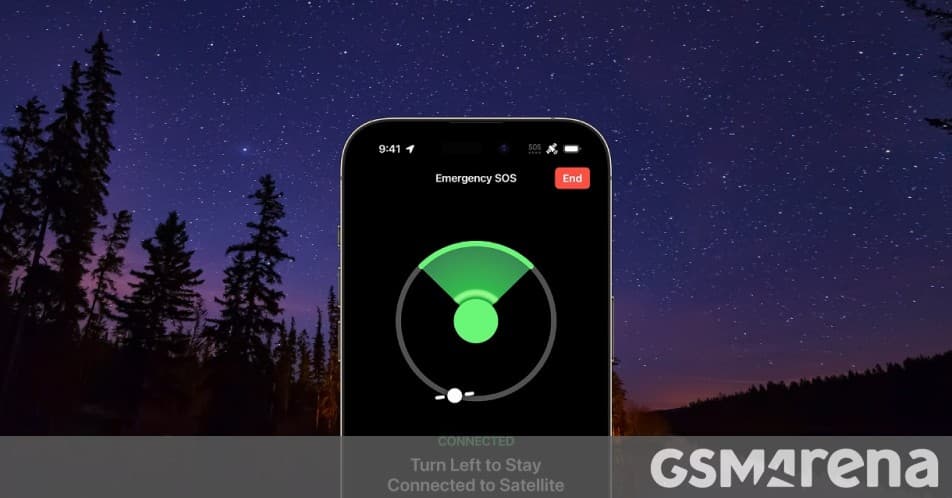
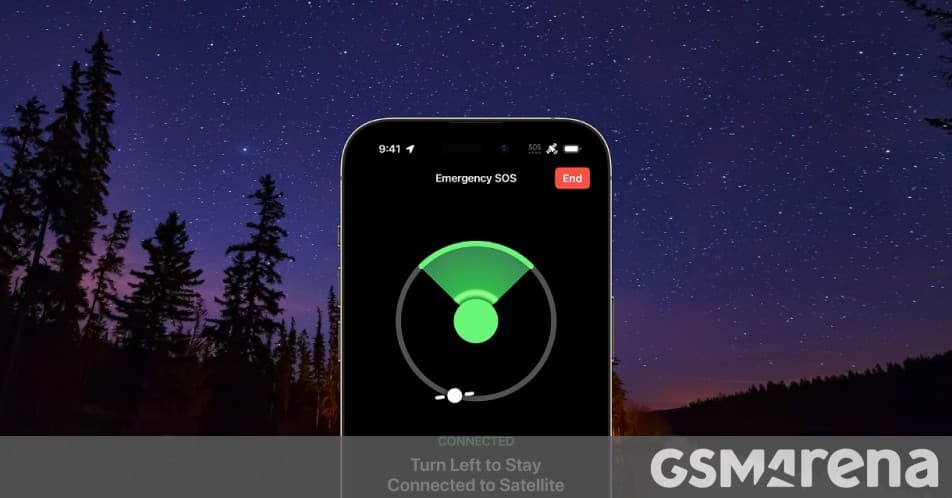
Amazon has finalized an $11.6 billion deal to acquire Globalstar, the satellite communications company that powers iPhone's Emergency SOS feature. The acquisition includes buying out Apple's 20% equity stake in the company.
Apple invested $1.1 billion in Globalstar in 2024, including a $400 million share purchase. That partnership enabled the satellite emergency features launched on iPhone 14 and Apple Watch. Now Amazon is stepping in as the new owner.
The deal is expected to close in 2027, pending regulatory approval.
The 'Grapefruit' Wink
Amazon is conducting the acquisition through a newly created subsidiary with a name that raised eyebrows: Grapefruit Acquisition Sub II, LLC. The citrus reference appears to be a deliberate nod to Apple, whose stake Amazon is acquiring.
It's a small detail, but one that caught attention in regulatory filings and tech circles. Corporate lawyers don't typically have a sense of humor. This one apparently did.
Why Amazon Wants Globalstar
Amazon is building its own satellite internet service called Project Kuiper, designed to compete with SpaceX's Starlink. The company plans to deploy a constellation of low-Earth orbit satellites to provide broadband connectivity worldwide.
Globalstar gives Amazon several things it needs: existing satellite infrastructure, licensed spectrum, and operational expertise. Rather than building everything from scratch, Amazon gets a running start.
The company has also signaled interest in the direct-to-device satellite market. That's the technology that lets smartphones connect to satellites without special hardware. Apple pioneered consumer adoption of this with iPhone 14's Emergency SOS feature.
What Happens to iPhone's Satellite Features
iPhone owners can relax. Amazon has explicitly committed to maintaining Apple's satellite services. Emergency SOS, Roadside Assistance, and Find My via satellite will continue working on iPhones and Apple Watches.
Amazon went further, stating it plans to expand services for Apple and potentially partner with other smartphone manufacturers. The satellite infrastructure becomes more valuable with more paying customers.
The Bigger Picture
Satellite connectivity is becoming the next frontier in mobile communications. T-Mobile and SpaceX have partnered on direct-to-cell service. Qualcomm is building satellite modems into its chips. Apple, Samsung, and Google are all investing in the technology.
Amazon controlling Globalstar puts it in a strong position. The company gains licensed spectrum, an operational satellite network, and existing customer relationships. It also gains leverage in negotiations with smartphone makers who want satellite features.
On Reddit's r/apple community, users expressed relief that their SOS features won't break. But many are speculating about Amazon's longer-term plans. Could Amazon offer a competing direct-to-satellite service for Android devices? The infrastructure would now support it.
On Hacker News, discussion focused on the competitive implications. Some analysts argue this gives Amazon an insurmountable advantage in the direct-to-device space, controlling both the satellite network and having deep pockets to scale it.
Logicity's Take
Frequently Asked Questions
Will iPhone Emergency SOS still work after Amazon buys Globalstar?
Yes. Amazon has committed to maintaining all existing Apple satellite services, including Emergency SOS, Roadside Assistance, and Find My via satellite.
How much is Amazon paying for Globalstar?
Amazon is paying $11.6 billion total, which includes acquiring all of Globalstar's equity and debt, plus buying out Apple's 20% stake.
When will the Amazon Globalstar deal close?
The deal is expected to close in 2027, pending regulatory approval.
What is Project Kuiper?
Project Kuiper is Amazon's satellite internet service, designed to provide low-latency broadband connectivity through a constellation of low-Earth orbit satellites, similar to SpaceX's Starlink.
Why is the subsidiary called 'Grapefruit'?
The subsidiary name 'Grapefruit Acquisition Sub II, LLC' appears to be a playful reference to Apple, whose 20% stake Amazon is acquiring in the deal.
Need Help Implementing This?
Source: GSMArena.com / Ro
Manaal Khan
Tech & Innovation Writer
Produced with AI assistance and reviewed by the Logicity editorial team. Learn more in our Editorial Policy.