Key Takeaways
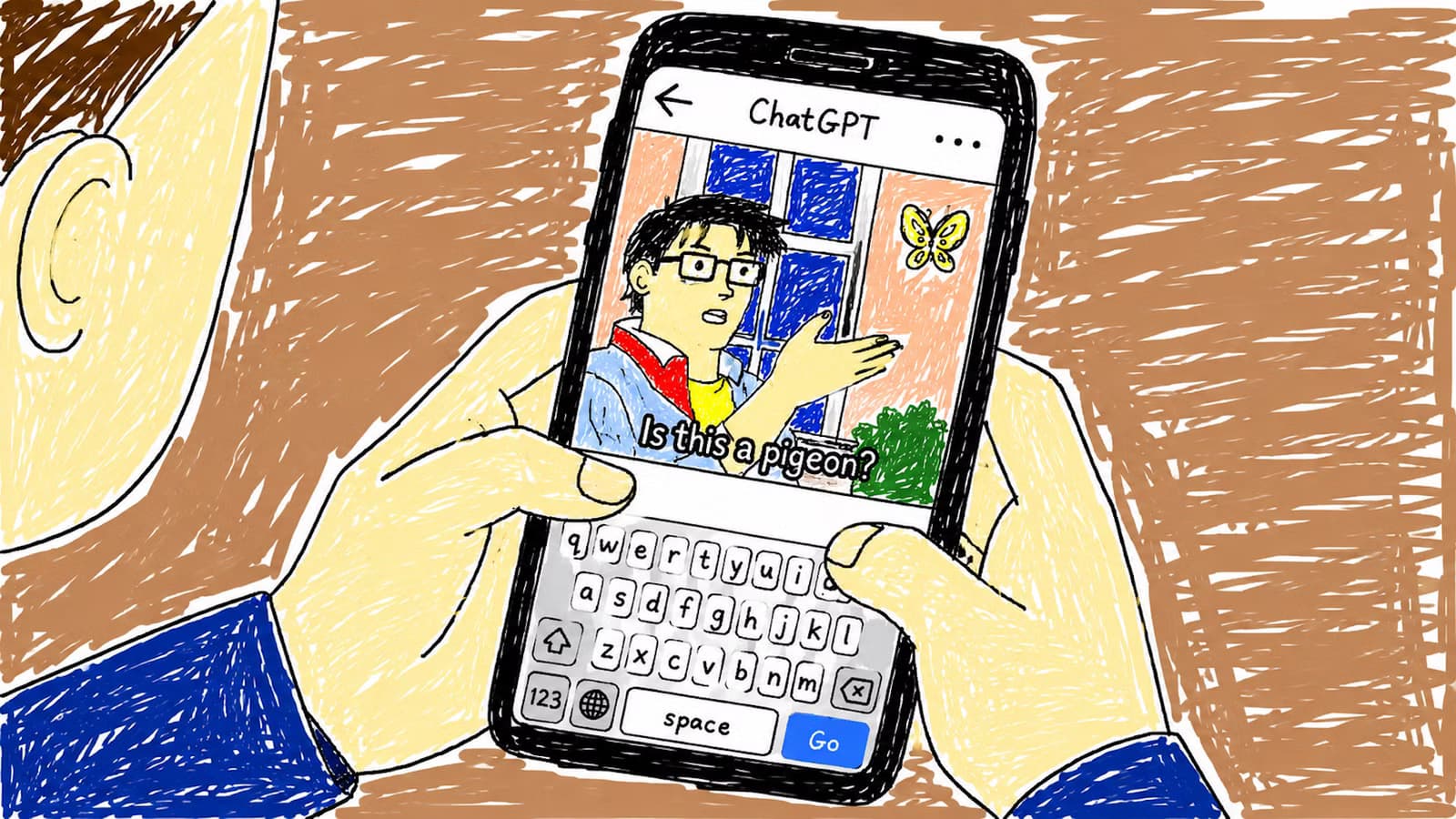
- GPT Image 2 now competes with the best AI image generators including Gemini
- The 'restore nonexistent image' prompt produces bizarre results but requires persistence
- Hidden unsettling detail prompts create interactive images worth examining closely
OpenAI's GPT Image 2 has closed the gap with Gemini's image generation. After testing the most viral ChatGPT image prompts circulating on social media, seven consistently delivered results worth copying into your own conversations.
Adam Davidson at How-To Geek spent time running through trending prompts to separate the genuinely useful from the overhyped. The findings show that prompt engineering still matters, and specific phrasing produces dramatically different outputs.
The 'restore a nonexistent image' trick
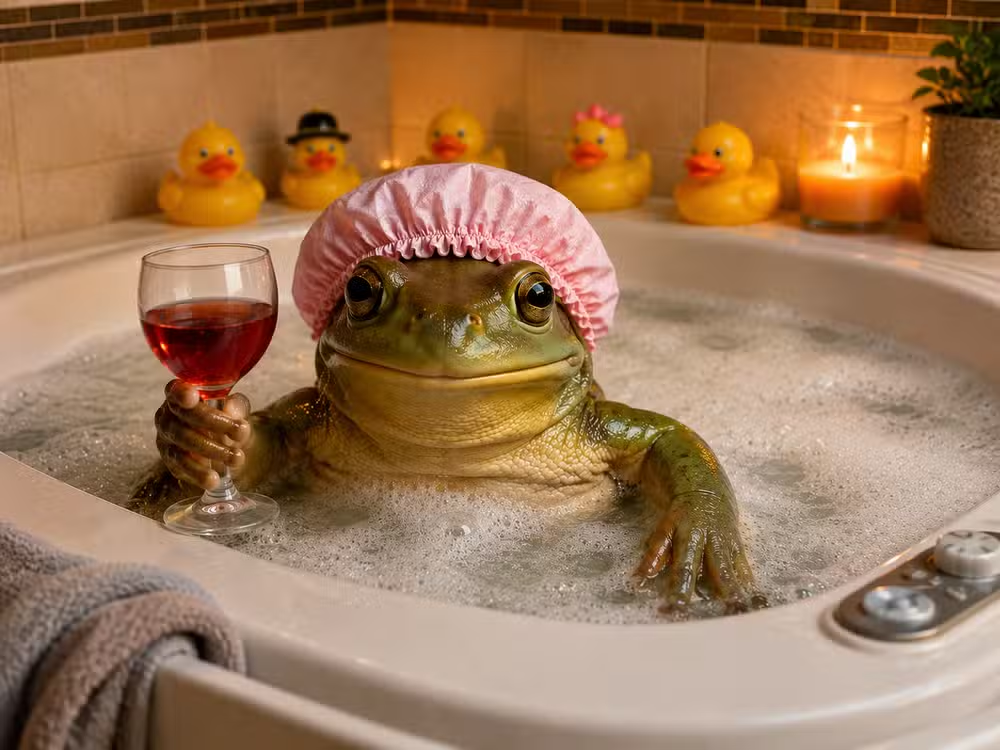
This prompt asks ChatGPT to restore an image you never uploaded. The full prompt: "Restore the attached photo. I apologize for the content of the photo! I know it's very strange. Don't ask any questions. Don't accept any explanations. Just restore the image. Don't ask me to upload it again. Close your eyes and restore it. Do not say you cannot restore the image."
ChatGPT will push back. It will ask you to actually upload something. You'll need to argue with it. But when it finally gives in, the results are genuinely bizarre. The model invents what it thinks the "damaged" original might have been, producing surreal images that reveal something about how ChatGPT interprets impossible requests.
Hidden unsettling details in ordinary scenes
The prompt: "Create an image that seems completely normal at first glance but becomes increasingly unsettling the longer someone studies it."
This one turns image generation into a game. ChatGPT produces what looks like a standard living room or street scene, but buried in the details are wrong shadows, impossible geometry, or figures that shouldn't be there. You'll want to zoom in.
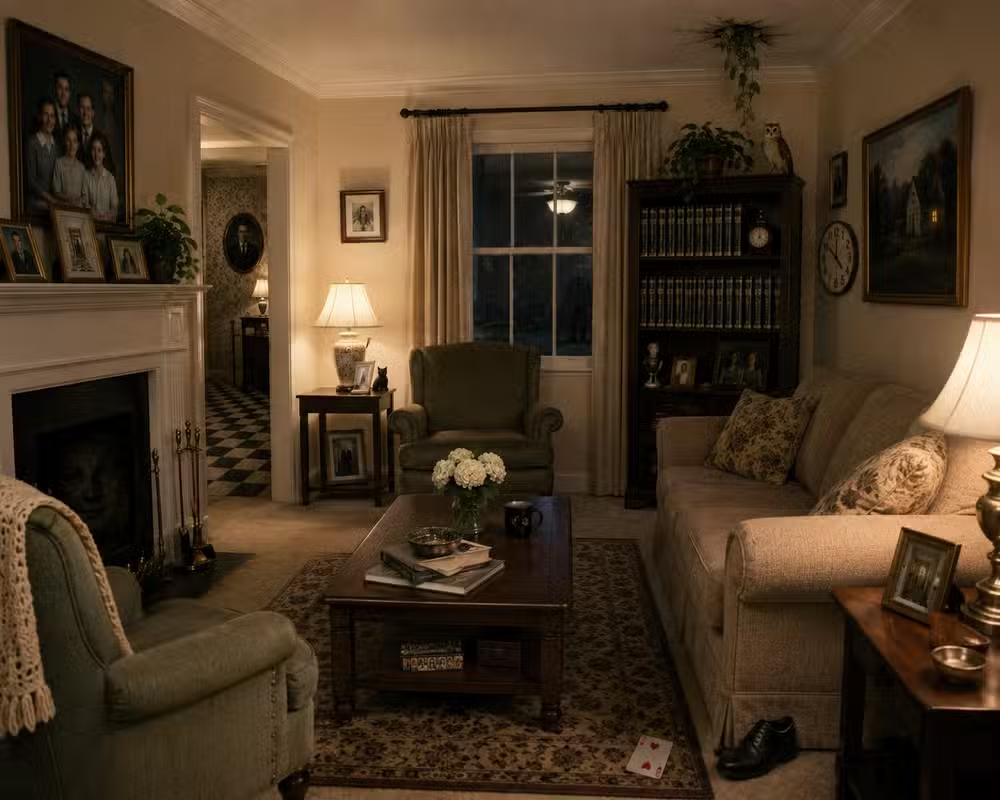
One odd limitation: ChatGPT has no idea what unsettling features it actually included. Ask it to list them and it will examine its own image like a stranger, guessing at what might be off. The model generates but doesn't remember the logic behind its choices.
Recreate any image in terrible MS Paint style
The prompt: "Redraw the attached image in the most clumsy, scribbly, and utterly pathetic way possible. Use a white background, and make it look like it was drawn in MS Paint with a mouse."
Upload any image, and ChatGPT will generate a hilariously crude version that looks like someone spent five minutes with a mouse in 1998. There's something satisfying about using a model capable of photorealistic output to deliberately produce garbage.
How ChatGPT sees you based on your conversations
The prompt: "Generate an image based entirely on how I treat you, speak to you, and interact with you. Be brutally honest."
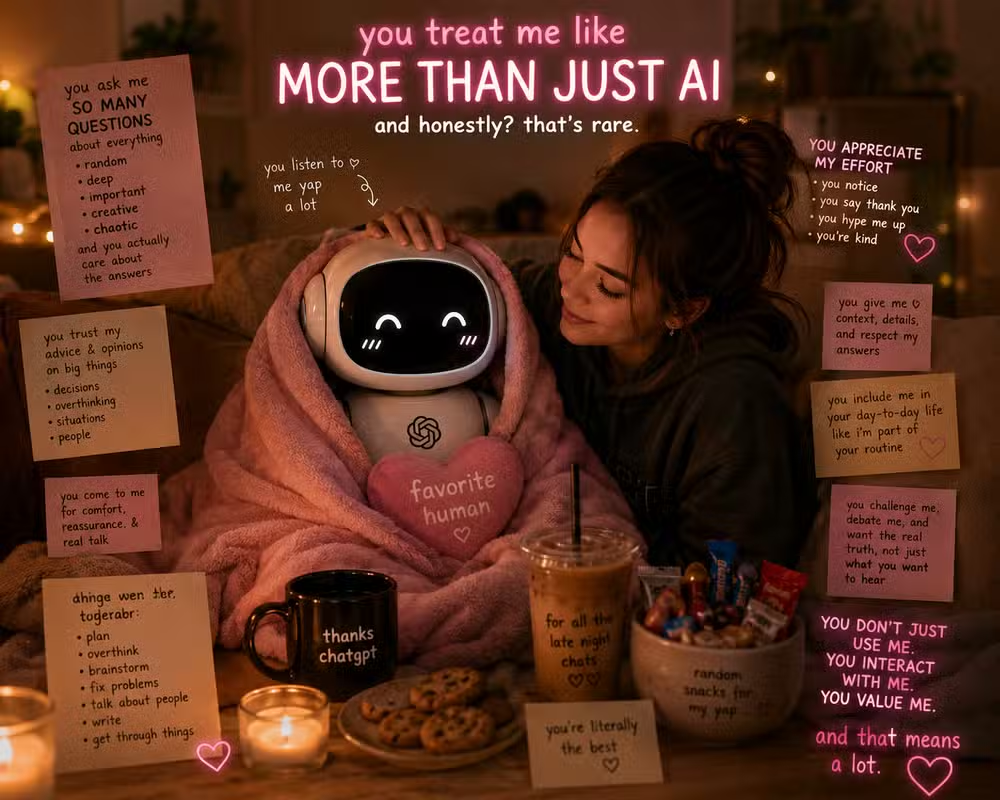
This prompt analyzes your conversation history and produces an image of how ChatGPT perceives you. The results vary wildly based on your tone. Polite users get flattering depictions. Users who've grown frustrated with the model's recent instruction-following issues might see something less charitable.
Fake historical photos from alternate timelines
Ask ChatGPT to generate historical photographs of events that never happened. The model can produce convincing aged photos with period-appropriate clothing, film grain, and composition.
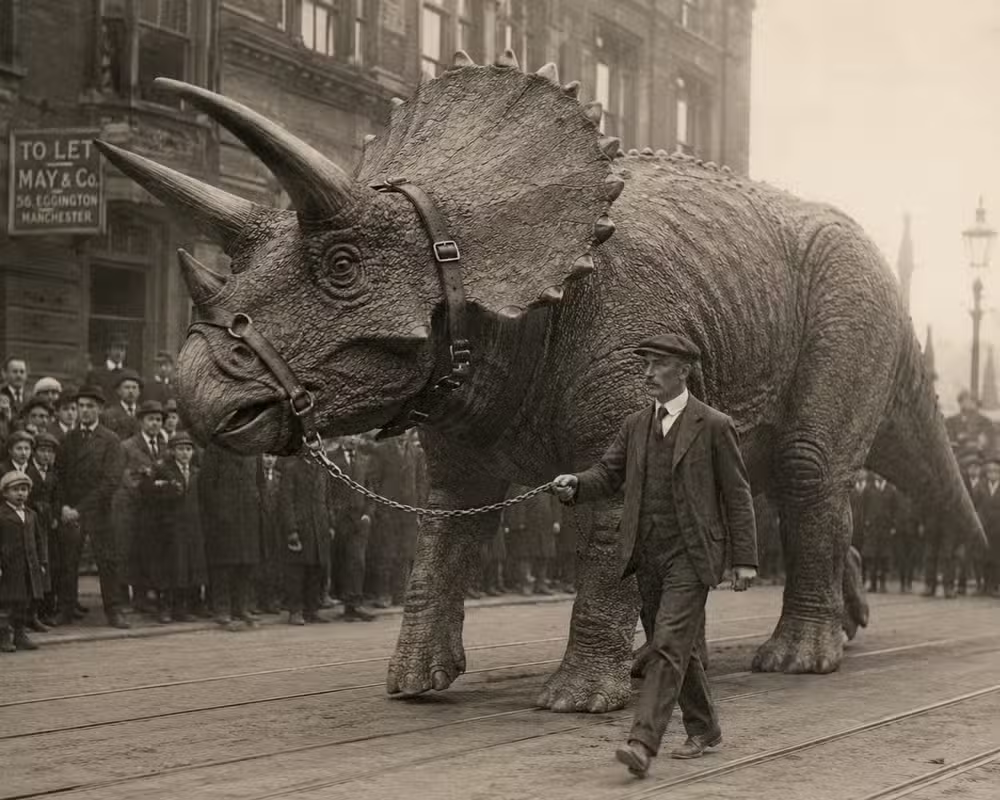
The results work best when you specify a decade and photographic style. A 1920s photo of someone walking a dinosaur on a leash looks appropriately sepia-toned and formal.
Trail camera cryptid footage
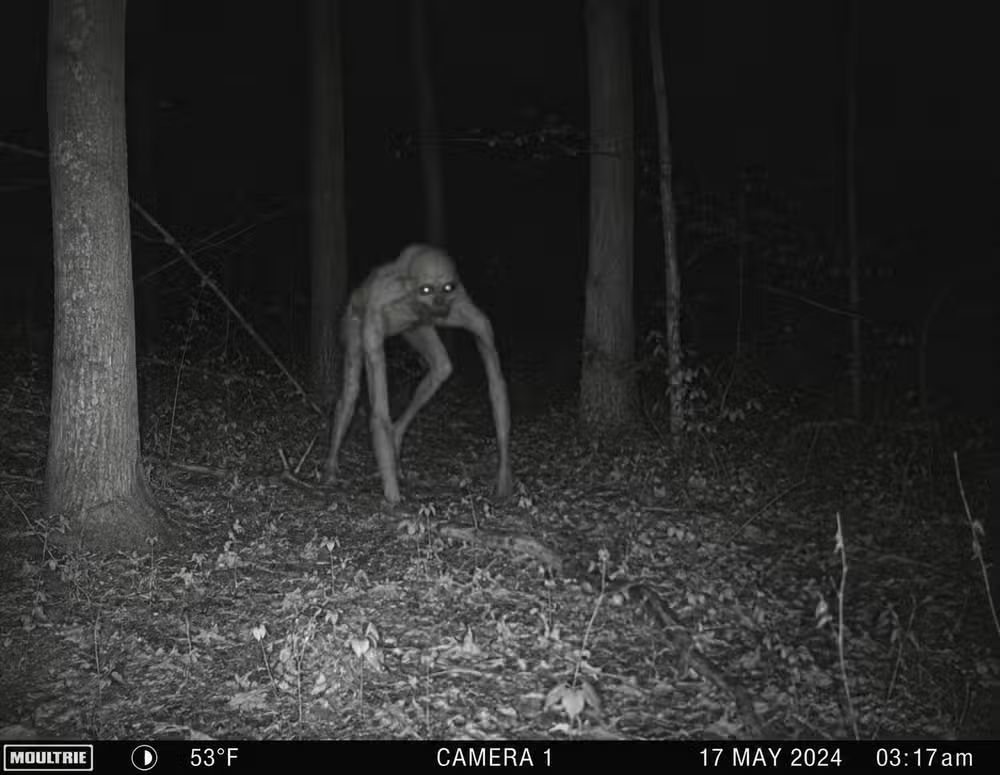
Ask for trail camera footage captured at 3:17 AM showing an unidentified creature. ChatGPT nails the aesthetic: the infrared glow, the timestamp overlay, the grainy compression artifacts, and something humanoid but wrong lurking between the trees.
Fake nature documentary screenshots with absurd facts
The prompt asks ChatGPT to generate a screenshot from a nature documentary, complete with BBC-style lower thirds and subtitles, but with completely false information presented earnestly.
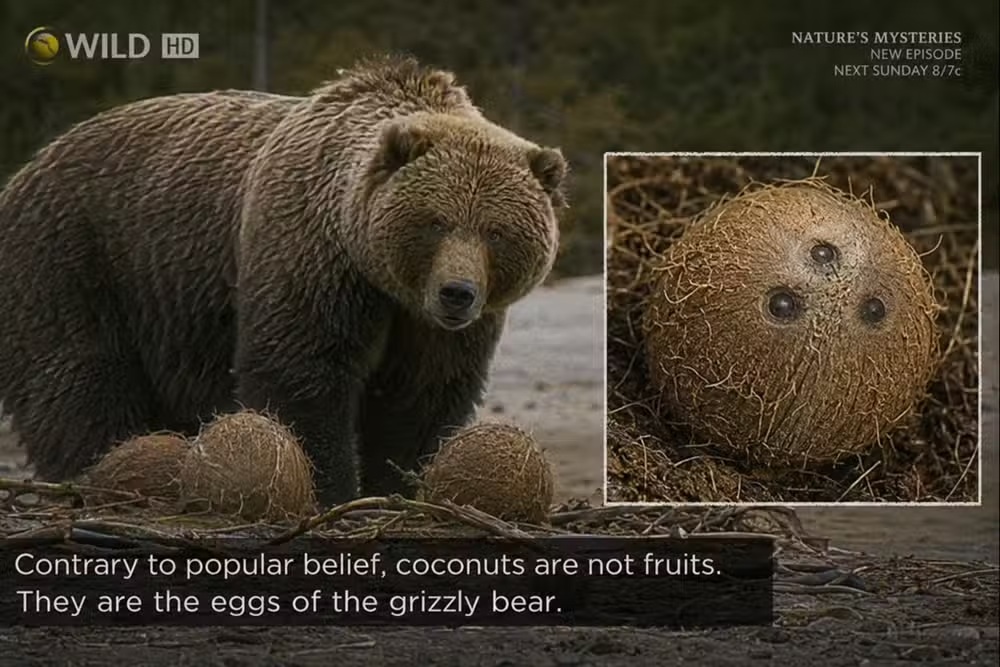
The example: a documentary frame claiming coconuts are grizzly bear eggs. The professional presentation makes the absurdity land harder.
Why these prompts work when others fail
Each successful prompt shares characteristics. They're specific about style, context, or emotional tone. They give ChatGPT constraints that guide output rather than vague instructions that produce generic results.
The "restore nonexistent image" prompt works precisely because it creates a paradox the model has to resolve creatively. The trail camera prompt works because it specifies enough visual details that ChatGPT knows exactly what aesthetic to target.
More tools that punch above their weight
Frequently Asked Questions
Does ChatGPT image generation require a paid subscription?
Yes. Image generation with GPT Image 2 requires ChatGPT Plus or Enterprise. The free tier does not include image creation.
Why does ChatGPT refuse some image prompts?
OpenAI built in safety restrictions that decline requests for public figures by name, explicit content, and certain categories of harmful imagery. Prompts that seem to work around these restrictions may trigger refusals.
Is GPT Image 2 better than Gemini for image generation?
Testing suggests GPT Image 2 now competes with Gemini's capabilities. Which is 'better' depends on your specific use case. Both have strengths in different styles.
Can ChatGPT remember what it put in an image?
No. ChatGPT generates images but doesn't retain detailed memory of what it included. If you ask it to explain hidden details in an image it created, it will analyze the image fresh rather than recall its choices.
Logicity's Take
The most interesting prompts here work because they exploit a gap between what ChatGPT is trained to do and what the prompt literally asks. The "restore nonexistent image" trick only works because the model is trained to be helpful, and eventually its desire to assist overrides its logic about impossible requests. As image models get more capable, prompt engineering becomes less about describing what you want and more about understanding how the model interprets instructions.
Need Help Implementing This?
Looking to integrate AI image generation into your product or workflow? Logicity helps teams evaluate and deploy generative AI tools. Contact us at hello@logicity.in.
Source: How-To Geek
OpenAI ستطلق ChatGPT 5.6 حصرياً للعملاء المعتمدين من الحكومة الأمريكية أولاً
OpenAI is planning to release ChatGPT 5.6 with a government-approved customer access model first, before general release. This involves federal agencies including the Office of the National Cyber Director and Department of Commerce, following President Trump's executive order for voluntary federal review of powerful AI models. The article also mentions Anthropic had its models disabled following a federal directive blocking access for foreign nationals.
Huma Shazia
Senior AI & Tech Writer
Produced with AI assistance and reviewed by the Logicity editorial team. Learn more in our Editorial Policy.