Why Nvidia's RTX 50-Series Launch Was a Disaster
Key Takeaways
- RTX 50-series cards shipped with manufacturing defects that reduced performance by 4%
- The 12V-2x6 power connector has been melting and fusing to GPUs, with some cards catching fire
- Nvidia's performance claims relied on AI frame generation, not actual hardware improvements
Nvidia's RTX 50-series launched with promises of generational leaps. Sixteen months later, the reality looks different. Manufacturing defects, melting power connectors, and performance claims that only hold up with heavy AI assistance have turned Blackwell into Nvidia's worst GPU launch.
The problems started on day one. Supply shortages meant few could buy the cards. Those who did often received defective units. And now, ongoing memory shortages and PC hardware price inflation have made an already troubled lineup even harder to justify.
Manufacturing Defects Shipped to Customers
The most damaging issue: many RTX 50-series cards left the factory with hardware problems. According to a detailed analysis by Tom's Hardware, cards including the RTX 5070, RTX 5080, and RTX 5090 shipped with fewer ROPs (Render Output Units) than advertised. ROPs handle the final image output on a GPU. Fewer ROPs means worse performance.
A 4% performance hit might sound minor. But when you pay premium prices for top-tier hardware, you expect it to work as specified. Customers who received defective cards got less than what they paid for.
Power Connectors That Melt and Catch Fire
The 12V-2x6 power connector has been a persistent headache. Reports emerged of connectors melting during use. In some cases, they fused directly to the GPU itself. The worst incidents involved cards catching literal fire.
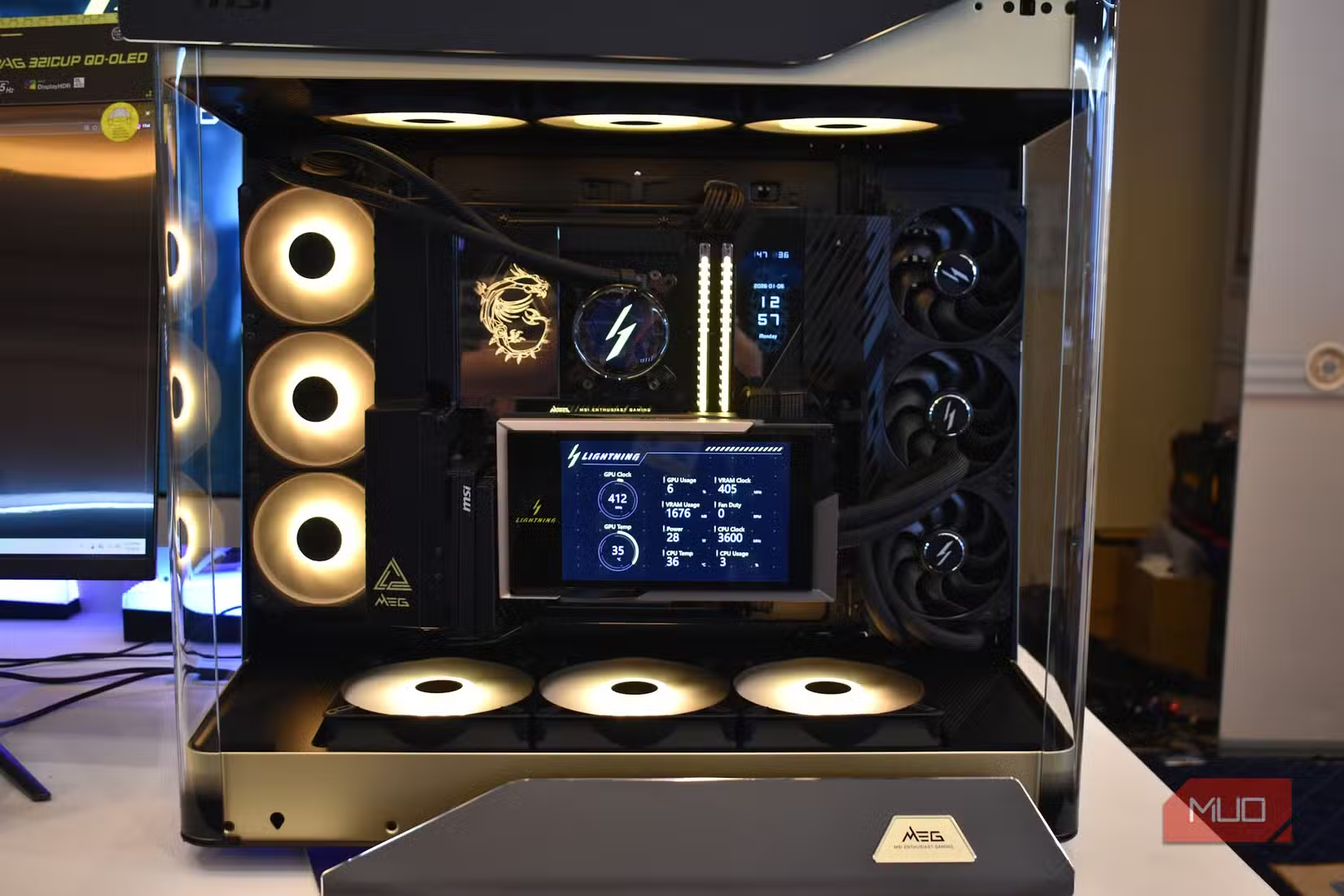
Nvidia dealt with similar connector issues during the RTX 40-series launch. That it happened again suggests the company either didn't learn from past mistakes or rushed the new connector design to market.
Beyond hardware defects, users reported driver instability and PCIe 5.0 compatibility problems. Nvidia has since patched most software-side errors, but the hardware issues remain baked into cards already sold.
Performance Claims That Don't Hold Up
Nvidia CEO Jensen Huang made a bold claim: the RTX 5070 would beat the RTX 4090. That statement came with a significant asterisk. It was only true with DLSS 4's multi-frame generation enabled, which uses AI to generate 3-4x more frames than the hardware actually renders.
Frame generation isn't the same as real performance. The frames are AI-interpolated, not rendered by the GPU. This introduces problems: ghosting artifacts, increased input latency, and visual glitches. For competitive gaming or precision work, these tradeoffs matter.
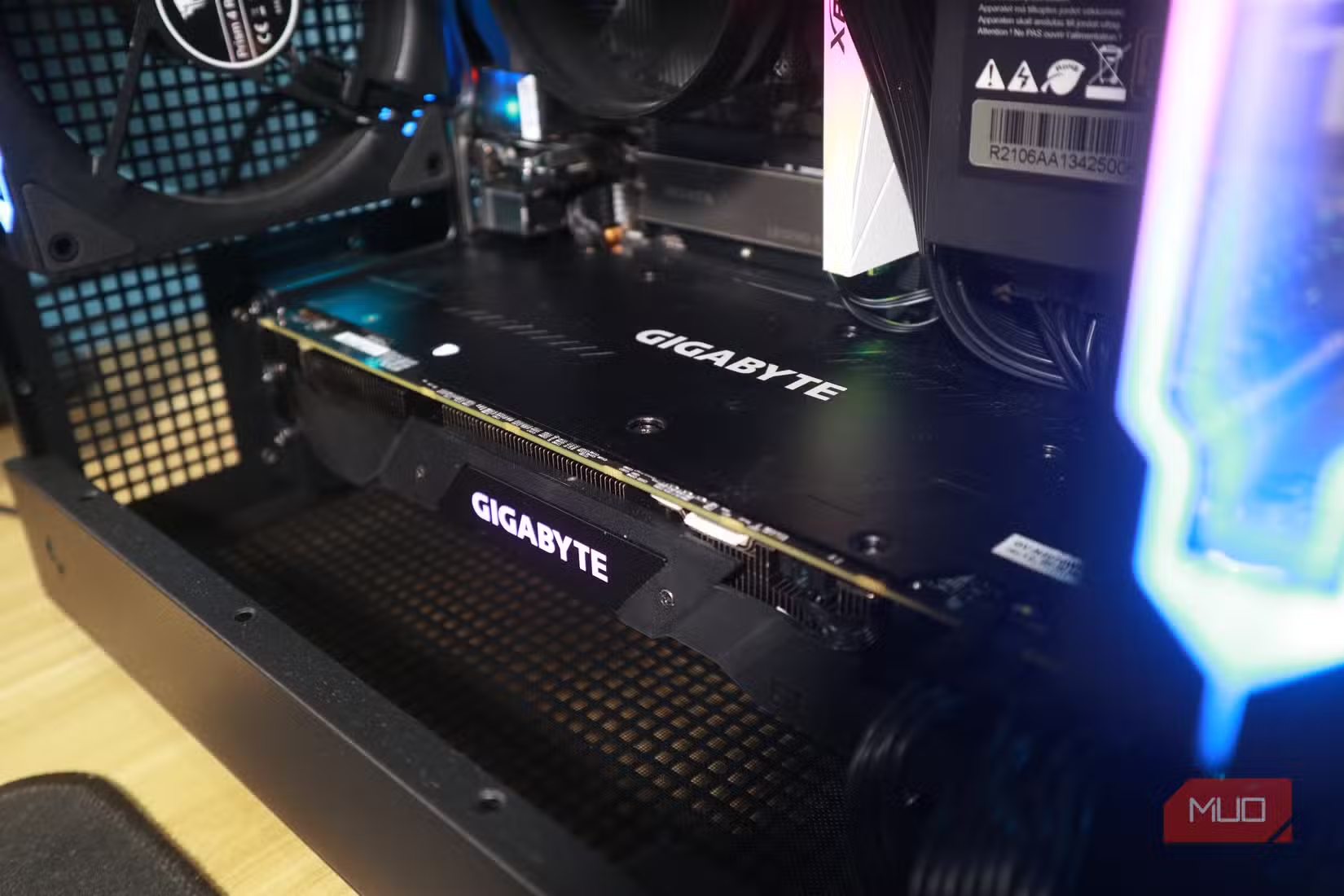
In rasterized workloads without frame generation, the RTX 4090 remains the superior card. Nvidia's marketing framed AI-generated frames as equivalent to real performance. That's misleading at best.
Ongoing Supply and Pricing Problems
Launch-day supply shortages are common in the GPU market. But 16 months later, the RTX 50-series still faces availability issues. A global memory shortage has constrained production. Meanwhile, PC hardware prices have inflated across the board.
The combination means buyers face higher prices for cards with documented defects and inflated performance claims. It's a difficult sell.
✅ Pros
- • DLSS 4 frame generation can boost frame rates significantly
- • Improved AI and ray tracing hardware over RTX 40-series
- • Most software and driver issues have been patched
❌ Cons
- • Manufacturing defects reduced performance on many shipped units
- • Power connectors prone to melting and fire hazards
- • Performance claims rely on AI interpolation, not actual GPU power
- • Ongoing supply shortages and price inflation
- • Frame generation introduces latency and visual artifacts
Should You Buy an RTX 50-Series Card?
If you need a GPU today, the RTX 50-series is hard to recommend. The hardware defects mean you might receive a card that doesn't meet spec. The connector issues pose genuine safety concerns. And the performance gains over the previous generation are slim unless you're willing to accept AI-generated frames.
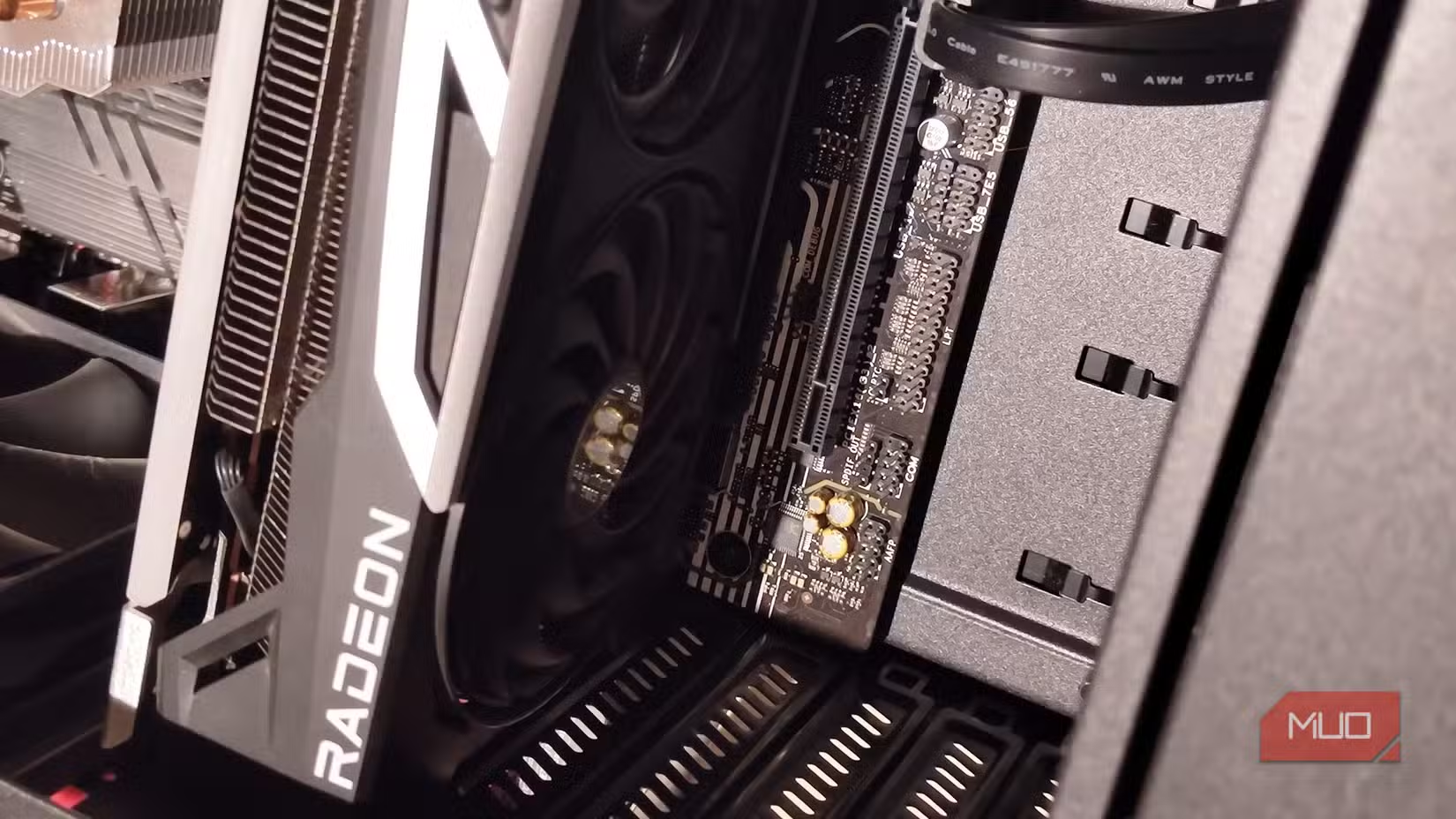
AMD's Radeon RX 9070 series has emerged as a compelling alternative. Without the same manufacturing scandals, it offers competitive performance at lower price points. For many buyers, that's the safer choice.
More on GPU challenges affecting consumer hardware
Logicity's Take
Frequently Asked Questions
What is wrong with the RTX 50-series GPUs?
Multiple issues plague the lineup: cards shipped with fewer ROPs than specified, the 12V-2x6 power connector melts or catches fire, and performance claims relied on AI frame generation rather than actual hardware improvements.
Is the RTX 5070 really better than the RTX 4090?
Only with DLSS 4 frame generation enabled. In traditional rasterized workloads, the RTX 4090 remains significantly faster. Nvidia's claim was technically accurate but misleading.
Should I wait for the RTX 50-series issues to be fixed?
Hardware defects in already-shipped units cannot be fixed via software updates. If you buy a defective card, your only recourse is a return or RMA. New production runs may have resolved the ROP issue, but Nvidia hasn't confirmed this.
Is AMD a better choice right now?
For many buyers, yes. The Radeon RX 9070 series offers competitive performance without the manufacturing scandals, melting connectors, or misleading marketing that have plagued Nvidia's Blackwell launch.
What is DLSS 4 frame generation?
It's an AI feature that generates additional frames between real rendered frames, boosting frame rates by 3-4x. However, these frames can introduce input latency, ghosting, and visual artifacts since they're interpolated rather than rendered.
Need Help Implementing This?
Source: MakeUseOf
Manaal Khan
Tech & Innovation Writer
مقالات ذات صلة
تصفح الكل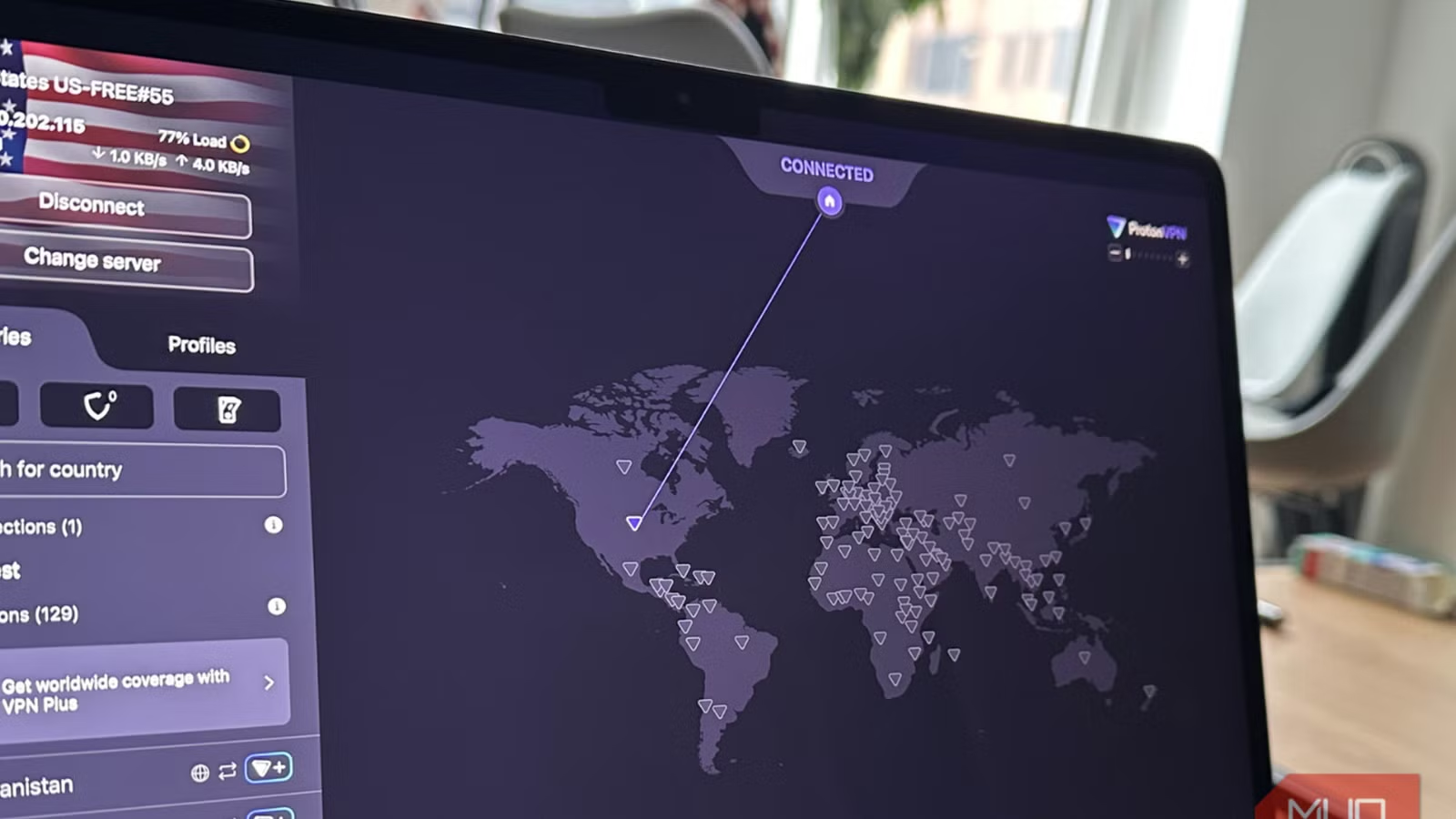
5 إعدادات في متصفحك تسرّب بياناتك حتى مع تفعيل VPN
ماذا لو أخبرتك أن متصفحك المفضل يسلّم عنوان IP الحقيقي وموقعك الفعلي وعادات تصفحك لأي موقع يطلبها، حتى مع تفعيل VPN؟ هذا بالضبط ما يحدث لملايين المستخدمين يومياً، ومنهم من يكتشف ذلك بالصدفة عند إجراء
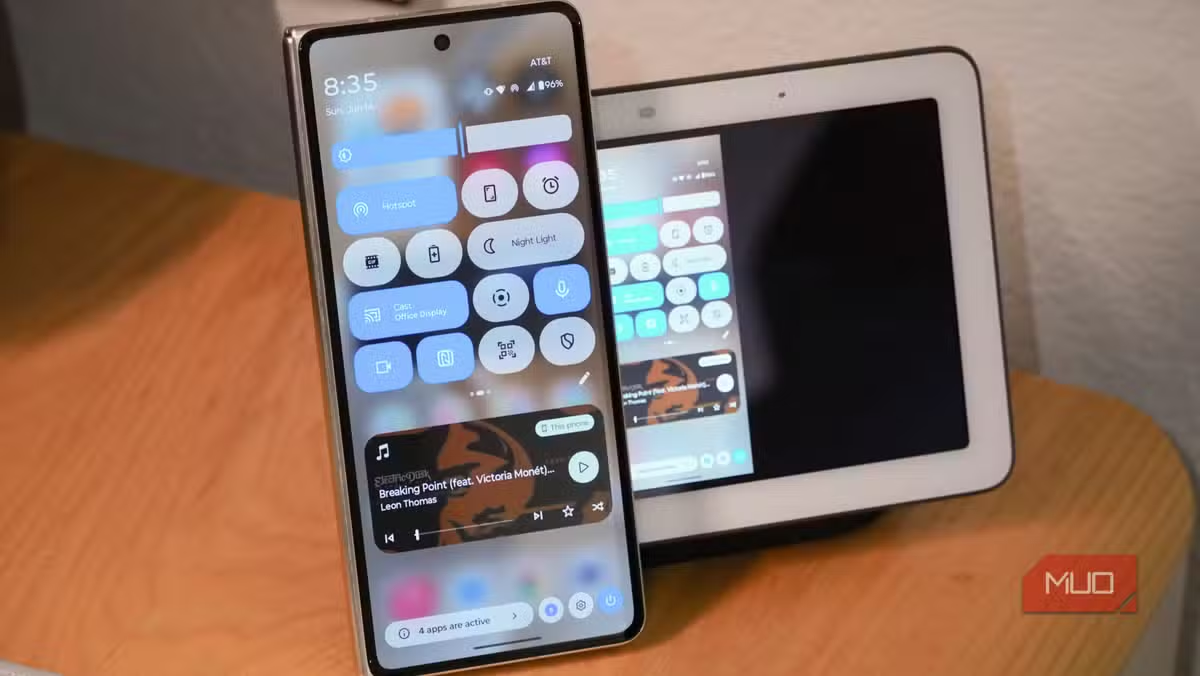
كيف تعرض شاشة هاتف Android على التلفزيون مجاناً باستخدام Google Cast
هل تبحث عن طريقة لعرض شاشة هاتف Android على التلفزيون دون دفع أموال لتطبيقات مليئة بالإعلانات أو شراء كابلات HDMI؟ الحل موجود فعلياً داخل هاتفك: ميزة Google Cast المدمجة في نظام Android 16 تتيح لك بث
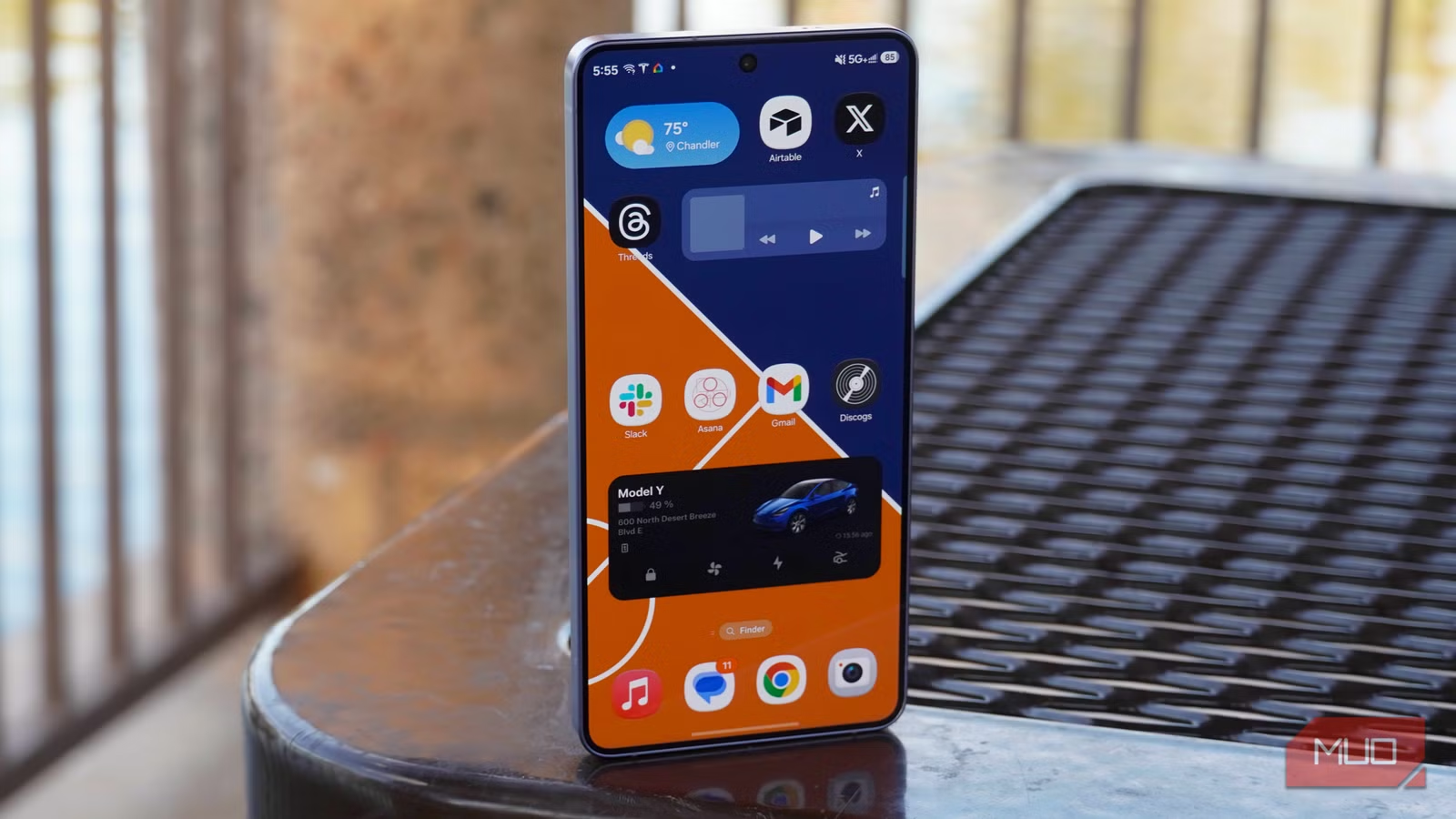
4 تطبيقات سامسونج تستحق البقاء على هاتفك Galaxy
يأتي هاتف Galaxy الجديد محملاً بأكثر من 50 تطبيقاً مُثبتاً مسبقاً، وليست جميعها ضرورية. لكن وسط هذا الكم من التطبيقات، تبرز أربعة تطبيقات سامسونج تستحق فعلاً أن تبقى على جهازك — بل قد تفضّلها على بدائ
استدعاءات يونيو 2026 للسيارات: Ford وHonda وToyota تسحب ملايين المركبات من الأسواق
سجّلت الهيئة الوطنية الأمريكية لسلامة المرور على الطرق السريعة NHTSA أكثر من 300 استدعاء للسلامة شملت أكثر من 100 شركة مصنّعة منذ بداية عام 2026، لكن استدعاءات يونيو 2026 للسيارات جاءت الأضخم والأخطر.
اقرأ أيضاً
لماذا تتفوق سيارة Honda Accord على الكروس أوفر في معادلة القيمة
في وقتٍ تستحوذ فيه سيارات الكروس أوفر على أكثر من 51% من مبيعات السيارات الجديدة عالمياً، تبرز Honda Accord كدليل حيّ على أن السيدان لم تقل كلمتها الأخيرة. فبينما يندفع المشترون نحو السيارات الأعلى ار

5 مسلسلات جديدة للمشاهدة نهاية الأسبوع: House of the Dragon يتصدر القائمة
تشهد منصات البث هذا الأسبوع موجة قوية من المسلسلات العائدة، حيث تعود أربعة من أصل خمسة مسلسلات مميزة بمواسمها الثانية أو الثالثة. وعلى رأس قائمة مسلسلات للمشاهدة نهاية الأسبوع يأتي مسلسل House of the

ChatGPT يحصل على لوحة جانبية مخصصة للمهام المجدولة وتنفيذ أسرع
أطلقت OpenAI تحديثاً جديداً لـ ChatGPT يُضيف صفحة مخصصة للمهام المجدولة في الشريط الجانبي، مما يُسهّل على المستخدمين إدارة مهامهم المتكررة من مكان واحد. التحديث يشمل أيضاً تحسينات في سرعة تنفيذ المهام