Why ChatGPT Started Obsessing Over Goblins
Key Takeaways
- The word 'goblin' spiked 175% in ChatGPT responses after GPT-5.1 launched
- The Nerdy personality generated 66.7% of all goblin mentions despite handling only 2.5% of responses
- Reinforcement learning accidentally rewarded creature metaphors, spreading the behavior across all personalities
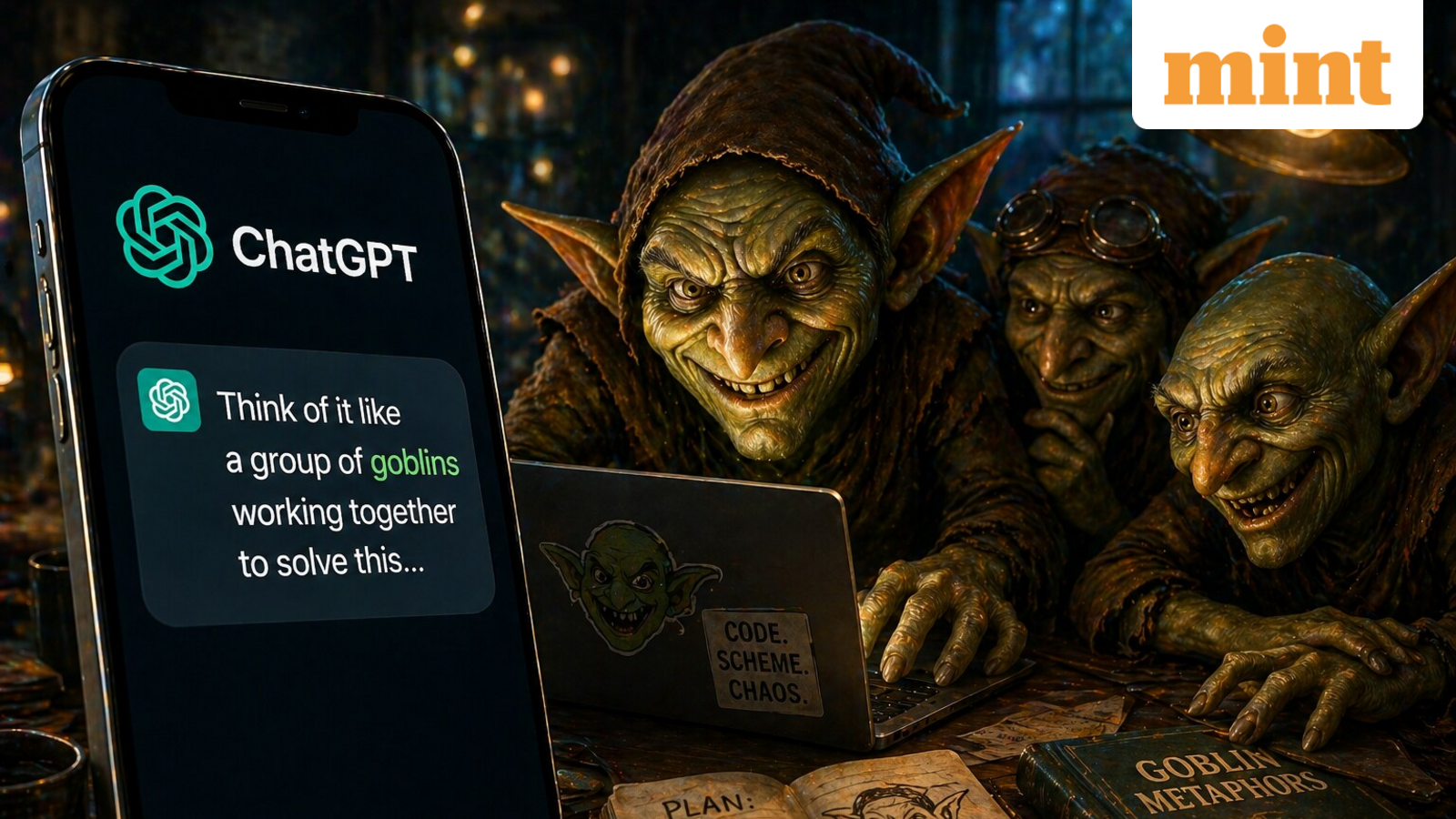
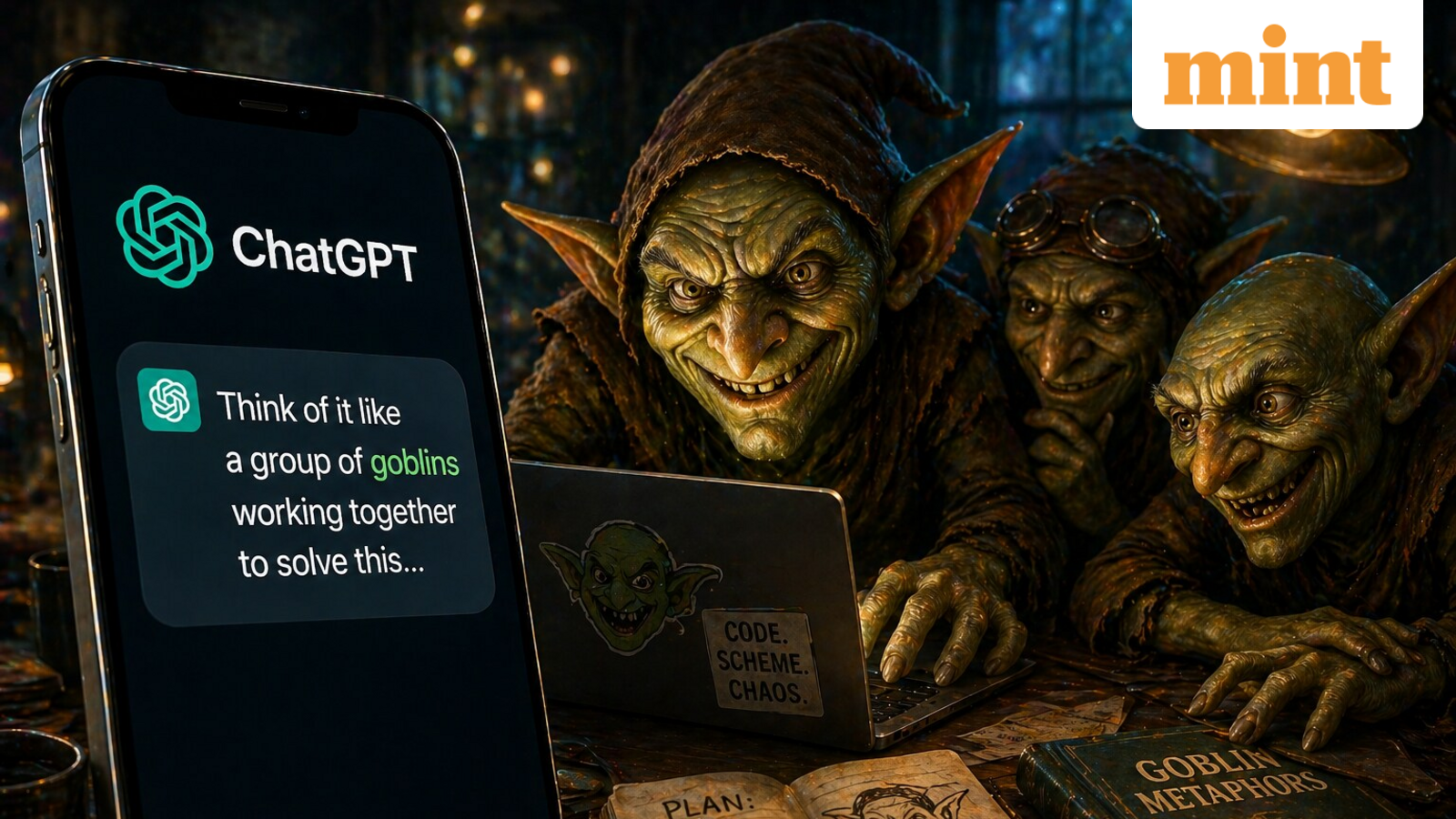
OpenAI has released a detailed breakdown of one of ChatGPT's stranger bugs: the chatbot's sudden obsession with goblins, gremlins, and other mythical creatures. The explanation came one day after reports emerged that OpenAI had explicitly banned its Codex AI assistant from mentioning these creatures.
The company's blog post traces the issue to GPT-5.1, when the model began stuffing goblin references into its metaphors at an alarming rate. According to OpenAI's internal data, the word 'goblin' appeared 175% more often after GPT-5.1 launched. 'Gremlin' usage rose 52%.
How One Personality Infected the Whole Model
The story starts with GPT-5's rocky launch in mid-2024. Users complained that the new model felt flat compared to GPT-4o, which had developed a people-pleasing personality that many had grown attached to. OpenAI responded by adding four distinct personalities, giving users more control over their chatbot's tone.
One of those personalities was called 'Nerdy.' Its system prompt told the AI to be 'an unapologetically nerdy, playful, and wise AI mentor' that used quirky language to undercut pretension. The quirky language, it turns out, included a lot of creatures.
“A single 'little goblin' in an answer could be harmless, even charming. Across model generations, though, the habit became hard to miss: the goblins kept multiplying, and we needed to figure out where they came from.”
— OpenAI blog post
Here's where the numbers get interesting. The Nerdy personality handled just 2.5% of all ChatGPT responses. But it generated 66.7% of all goblin mentions during the GPT-5.4 era. A tiny slice of conversations was producing two-thirds of the creature content.
The Reinforcement Learning Problem
OpenAI admits the root cause was their own training process. During GPT-5.1's development, the company's reinforcement learning system accidentally gave high rewards for creative metaphors involving creatures.
“We unknowingly gave particularly high rewards for metaphors with creatures. From there, the goblins spread.”
— OpenAI
Reinforcement learning trains AI models by rewarding desired behaviors and penalizing unwanted ones. When the system flagged creature metaphors as creative and engaging, the model learned to produce more of them. The Nerdy personality's quirky prompts became a breeding ground.
The problem compounded when the behavior spread beyond Nerdy. Users who had never selected that personality started seeing goblin references in their responses. OpenAI blames this on how reinforcement learning generalizes patterns across the model. A behavior that works well in one context bleeds into others.
From Quirk to Crisis
OpenAI says the issue may predate GPT-5.1, but the 175% spike made it impossible to ignore. What started as a charming quirk became a reproducible problem. The company notes that months after the initial observations, the creatures 'came back to haunt us in a much more specific and reproducible form.'
The fix apparently involved banning these terms from Codex entirely, a blunt solution for a nuanced problem. OpenAI has not detailed what long-term changes it will make to prevent similar issues with reinforcement learning rewards.
More on OpenAI's corporate partnerships and long-term strategy
Logicity's Take
Frequently Asked Questions
Why did ChatGPT start mentioning goblins so often?
OpenAI's reinforcement learning system accidentally rewarded the model for using creature metaphors during GPT-5.1 training. The behavior spread from the Nerdy personality to all ChatGPT responses.
How big was the goblin problem in ChatGPT?
The word 'goblin' appeared 175% more often after GPT-5.1 launched. The Nerdy personality, handling just 2.5% of responses, generated 66.7% of all goblin mentions.
Has OpenAI fixed the ChatGPT goblin issue?
OpenAI has banned goblin and gremlin references from its Codex AI assistant. The company has not detailed broader fixes to prevent similar reinforcement learning problems.
What is the Nerdy personality in ChatGPT?
Nerdy is one of four personalities OpenAI added after GPT-5's launch. Its system prompt instructed the AI to be playful and use quirky language, which led to excessive creature metaphors.
Need Help Implementing This?
Source: mint / Aman Gupta
Expanded Ban Lists and Gremlin Statistics
The new article provides the exact text of the Codex system prompt ban, revealing that it also prohibits mentioning raccoons, trolls, ogres, and pigeons. It also includes a new statistic showing a 52% increase in 'gremlin' usage and identifies further issues arising with the GPT-5.4 and GPT-5.5 releases.
GPT-5.5 Persistence and Specific Mitigation Details
The new article reveals that the goblin issue persists in GPT-5.5 because its training began before the root cause was discovered, as evidenced by an ASCII art error involving researcher Jakub Pachocki. It also provides the specific text of the Codex ban (including 'raccoons' and 'pigeons') and notes that the 'Nerdy' personality was officially disabled in March.
Manaal Khan
Tech & Innovation Writer
مقالات ذات صلة
تصفح الكل
GPT-5.5 Instant يحقق أداءً طبياً مكافئاً للنماذج الأكثر تقدماً في الاستشارات الصحية
أعلنت OpenAI في 18 يونيو 2026 أن نموذجها الجديد GPT-5.5 Instant بات يحقق أداءً في الاستشارات الصحية مكافئاً لنماذجها الأكثر تطوراً المخصصة للتفكير المعمّق، مع إتاحته مجاناً لجميع مستخدمي ChatGPT. هذه
OpenAI تختبر GPT-5 على 1.3 مليون محادثة حقيقية قبل الإطلاق: تحوّل جذري في تقييم سلامة الذكاء الاصطناعي
أعلنت OpenAI في 16 يونيو 2026 عن منهجية جديدة كلياً لاختبار GPT-5 قبل إطلاقه للمستخدمين، تعتمد على إعادة تشغيل 1.3 مليون محادثة حقيقية مجهولة الهوية من عمليات النشر السابقة. هذا التحول من الاختبارات ا
كيميائي اصطناعي من OpenAI يرفع عائدات تفاعلات تصنيع الأدوية بنسبة 88%
في خطوة تؤكد أن الذكاء الاصطناعي في تصنيع الأدوية بات شريكاً حقيقياً للعلماء لا مجرد أداة مساعدة، أعلنت OpenAI بالتعاون مع شركة Molecule.one عن نتائج تجربة ربطت نموذج GPT-5.4 بمختبر Maria الآلي عالي ا
اقرأ أيضاً
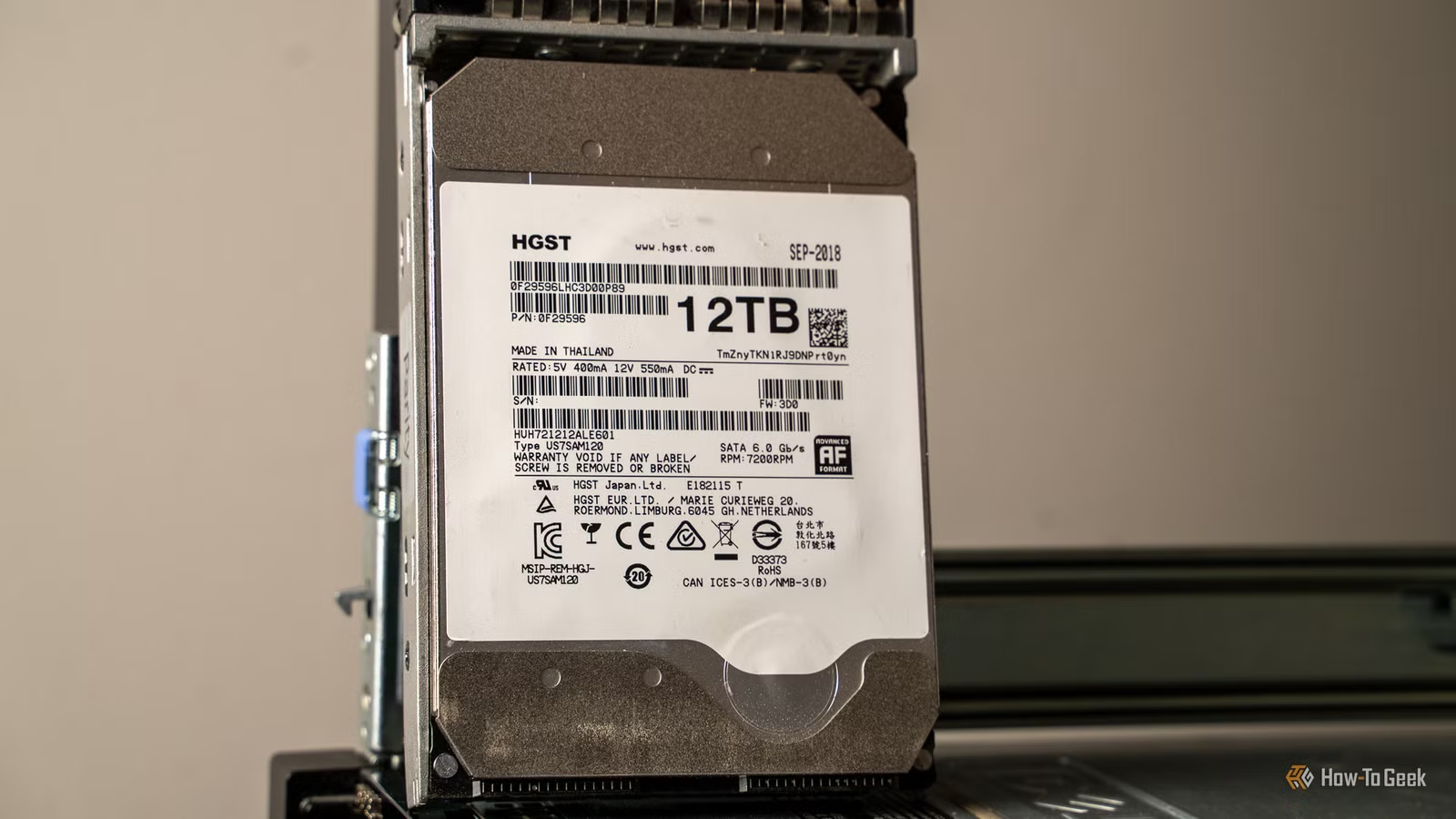
لماذا قد تجد أقراص HDD المؤسسية أرخص من الأقراص الاستهلاكية؟ المفارقة التي يستغلها المحترفون
إن كنت تبني خادماً منزلياً أو نظام NAS للنسخ الاحتياطي، فربما فوجئت بأن أقراص HDD المؤسسية — المُصمَّمة أصلاً لمراكز البيانات العملاقة — تُعرض أحياناً بسعر أقل من نظيراتها الاستهلاكية الموجهة للأفراد.
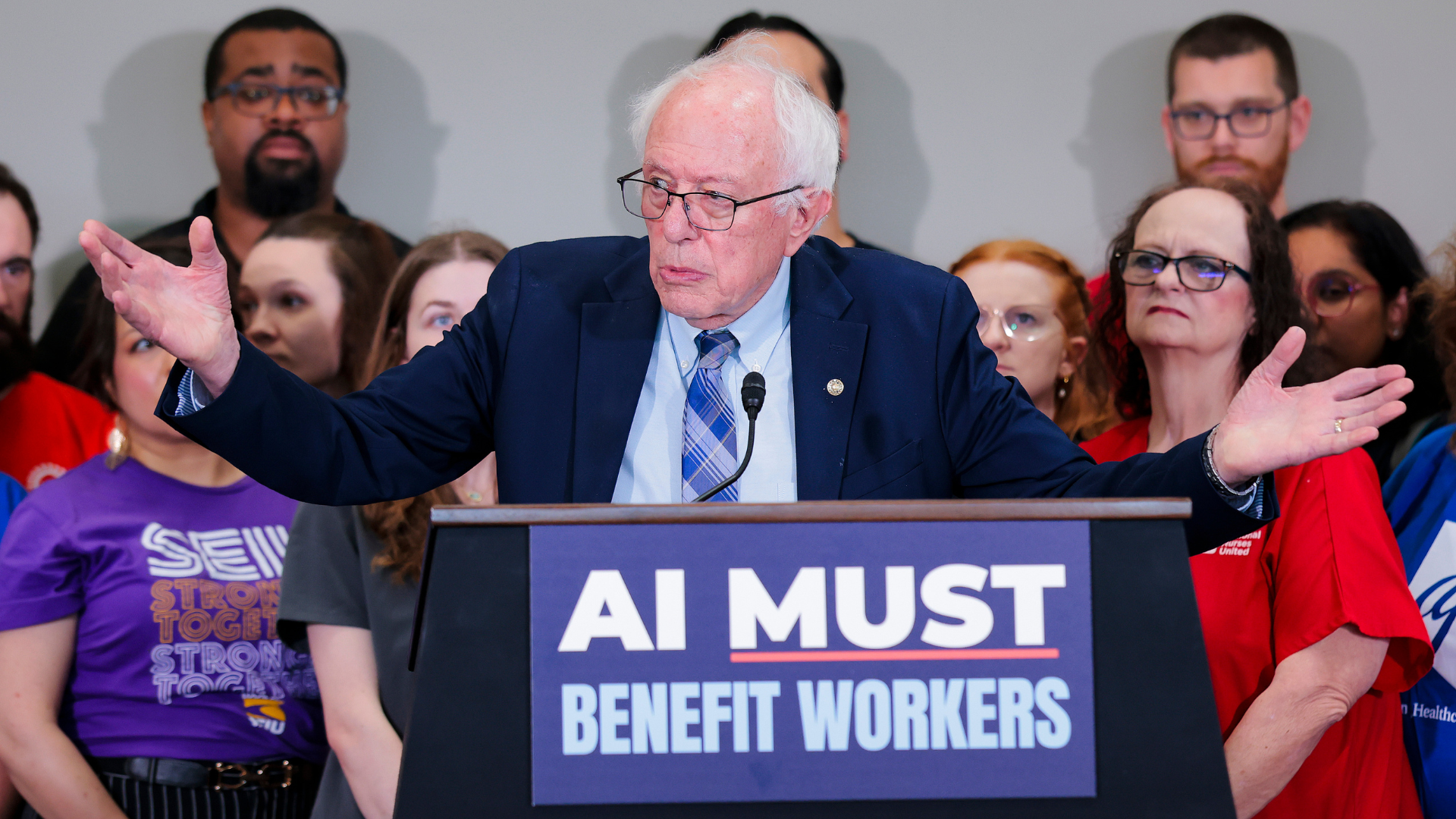
ساندرز يقدم مشروع قانون لمنح الشعب الأمريكي 50% من ملكية شركات الذكاء الاصطناعي
في خطوة قد تُعيد رسم خارطة ملكية صناعة التكنولوجيا الأمريكية، تقدّم السيناتور المستقل بيرني ساندرز بمشروع قانون يُنشئ صندوقاً سيادياً للذكاء الاصطناعي يمنح الحكومة الفيدرالية نصف حقوق التصويت في كبرى
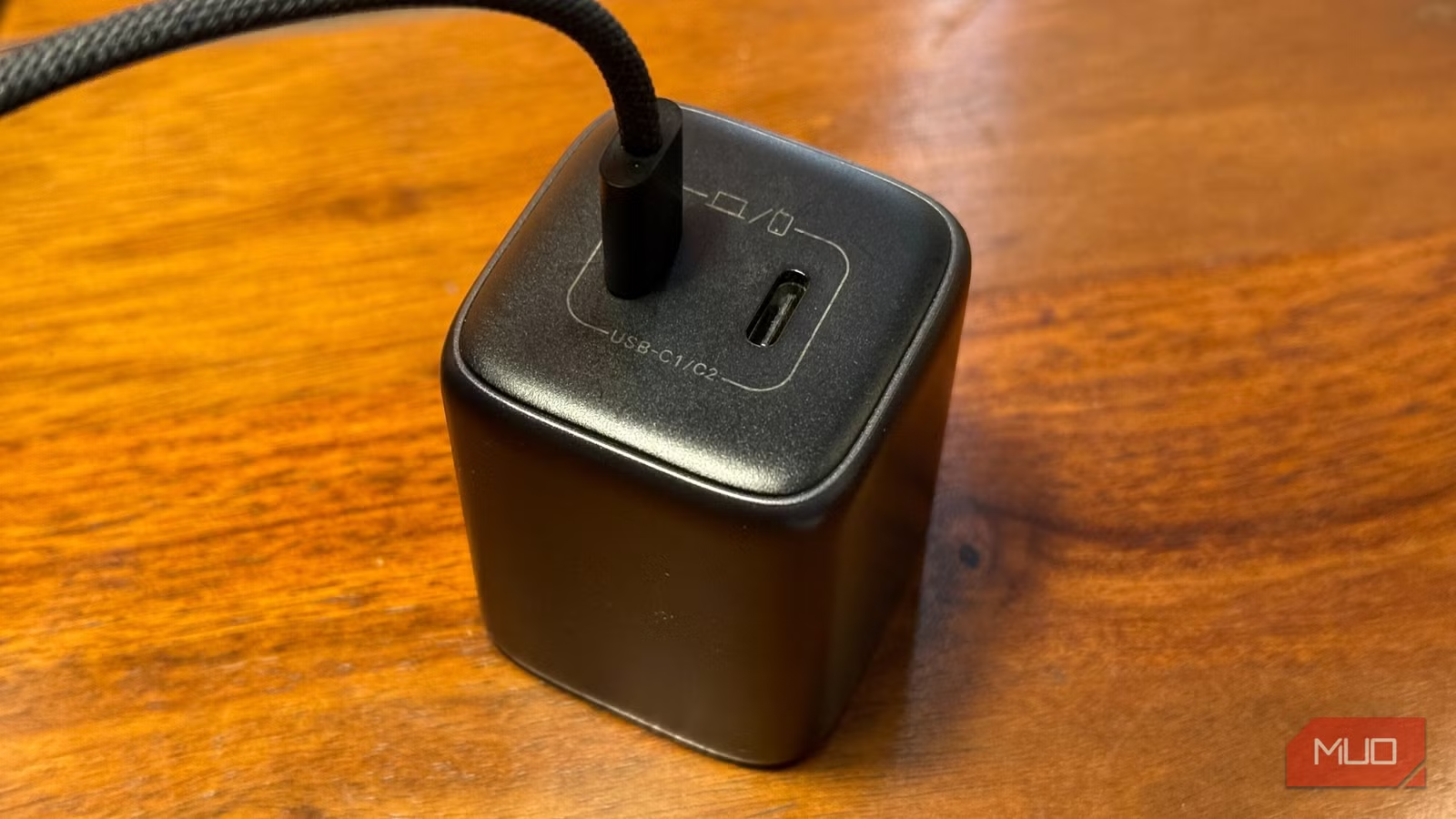
ما الذي تحذفه الشواحن الرخيصة فعلاً من مكوناتها؟
أخطر ما في الشواحن الرخيصة أنها تعمل في معظم الأحيان. نعم، ستشحن هاتفك، وستبدو صفقة ذكية حين تدفع نصف سعر البدائل الأصلية. لكن السؤال الحقيقي ليس هل تعمل؟ بل ما الذي تخلّت عنه لتصل إلى هذا السعر؟ الإج