Spiegel defends $3.5B Specs bet against activist pressure

Key Takeaways
- Snap launched consumer AR glasses at $2,195, its first direct-to-consumer AR hardware product
- Irenic Capital has pressured Snap to spin off or shut down the unit after $3.5 billion in spending
- Spiegel framed the launch as a commitment to long-term profitability over short-term investor demands
Snap CEO Evan Spiegel is refusing to bow to activist investor demands that the company shut down or spin off its augmented-reality hardware division. Speaking to Reuters after the Tuesday launch of Specs, a $2,195 consumer AR headset, Spiegel framed the product as central to the company's independence and long-term survival.
"While investors may want more short-term profitability, our job at Snap is to drive long-term profitability and the long-term success of the company," Spiegel said. The statement is a direct rebuke to Irenic Capital Management, which has pushed Snap to consider "options" for the Specs unit as part of a broader restructuring that the hedge fund claims could boost Snap's valuation by five times.
What has Snap spent on AR hardware?
Irenic's core argument is financial. The activist investor notes that Snap has poured more than $3.5 billion into its AR hardware efforts over the years. That figure represents a significant portion of a company whose core social media business still struggles to match the profitability of rivals like Meta or TikTok's parent ByteDance.
The new Specs are priced at $2,195, a premium tier that puts them well above casual consumer reach. With a 51-degree field of view and standalone operation without a phone tether, the hardware is technically ambitious. But the price signals this is still a product for developers, early adopters, and the AR-curious, not the mass market.
A hardware lead at Snap, speaking during the Augmented World Expo keynote, called the device "the first truly standalone, all-day wearable AR device that doesn't tether to a phone, which is the holy grail for this industry." That's a bold claim in a field where Meta's Quest headsets and its upcoming Orion glasses loom large.
Why did Snap create a separate subsidiary?
In January, Snap carved out its AR hardware division into a standalone subsidiary called Specs Inc. The move is widely interpreted as a concession to investor pressure. A separate legal structure makes it easier to raise outside funding, bring in strategic partners, or, if things go badly, spin off or wind down the unit without dragging down the parent company.
Spiegel hinted at the partnership angle without offering specifics. "We expect to share more later this year in terms of how we're thinking about partnerships over a longer period of time," he said. That could mean anything from licensing deals to co-development agreements with larger hardware players.
The subsidiary structure also gives Spiegel a rhetorical tool. He can point to it as evidence that Snap is taking investor concerns seriously while still maintaining operational control and strategic direction.
Can Snap compete with Meta's AR roadmap?
This is the question that haunts every Specs discussion. Meta has spent tens of billions on its Reality Labs division, dwarfing Snap's $3.5 billion. Mark Zuckerberg has publicly committed to AR glasses as the next major computing platform, and Meta's Orion prototype has generated significant industry buzz.
Discussions on Hacker News after the Specs launch centered on this mismatch. Commenters debated whether Snap can sustain the R&D burn required to stay competitive while also maintaining its core social media business. The consensus was skeptical but not dismissive. Snap's advantage, some argued, is its focus. Meta is hedging across VR, AR, and AI. Snap is betting specifically on lightweight, fashionable AR glasses.
On Reddit's augmented reality community, the reaction to the $2,195 price was blunt. Many users called it a "developer-only" or "early-adopter toy" rather than a product with real consumer potential. That criticism is fair, but it also misses Spiegel's point. He's not trying to win the mass market in 2026. He's trying to establish a position for whenever that market actually materializes.
What does Spiegel mean by staying independent?
Spiegel's comments included a notable aside about independence. "One of the things we've always been clear about as we've built Snap was that we were committed to our long-term vision. And that includes staying independent rather than selling the company," he said.
That's a message aimed at two audiences. For activist investors, it's a warning that Snap's founders won't be pushed into a sale or breakup. For potential acquirers, it's a "not for sale" sign. Snap's dual-class share structure gives Spiegel and co-founder Bobby Murphy effective control over major decisions, so the statement carries real weight.
Whether that independence is sustainable depends on whether Snap's core business can generate enough cash to fund the AR ambitions, or whether the Specs Inc. subsidiary can attract outside capital. Spiegel is betting that the answer is yes. Irenic is betting no.
Spiegel's long-term bet echoes the founder patience these mistakes often lack
Frequently Asked Questions
How much do Snap Specs cost?
The new consumer Specs AR glasses are priced at $2,195, positioning them as a premium early-adopter product rather than a mass-market device.
How much has Snap spent on AR development?
According to activist investor Irenic Capital, Snap has spent more than $3.5 billion on its AR hardware division to date.
What is Specs Inc.?
Specs Inc. is a standalone subsidiary Snap created in January 2026 to house its AR hardware division. The structure allows the unit to raise outside funding or partner with other companies.
Who is pressuring Snap to shut down Specs?
Irenic Capital Management, an activist investor, has pushed Snap to consider spinning off or shutting down the Specs unit, arguing the move could boost company valuation by five times.
What is the field of view on Snap Specs?
The new Specs offer a 51-degree field of view and operate as a standalone device without requiring a phone tether.
Logicity's Take
Spiegel's bet makes sense only if you believe AR glasses will eventually replace smartphones as the primary digital interface. That's a real possibility, but the timeline keeps slipping. Every year for the past decade, AR has been "three to five years away" from consumer readiness. Snap's advantage is that Spiegel can afford to be patient. The dual-class share structure insulates him from activist pressure in ways that public-company CEOs rarely enjoy. The risk is that patience becomes stubbornness. If Meta or Apple crack the consumer AR market first, Snap's $3.5 billion becomes a write-off rather than an investment.
Need Help Implementing This?
If your company is navigating founder-investor tensions over long-term R&D bets, or evaluating AR as a strategic platform, reach out to Logicity's advisory network for introductions to specialists in corporate governance and emerging tech strategy.
Source: Tech-Economic Times / ET
Huma Shazia
Senior AI & Tech Writer
مقالات ذات صلة
تصفح الكل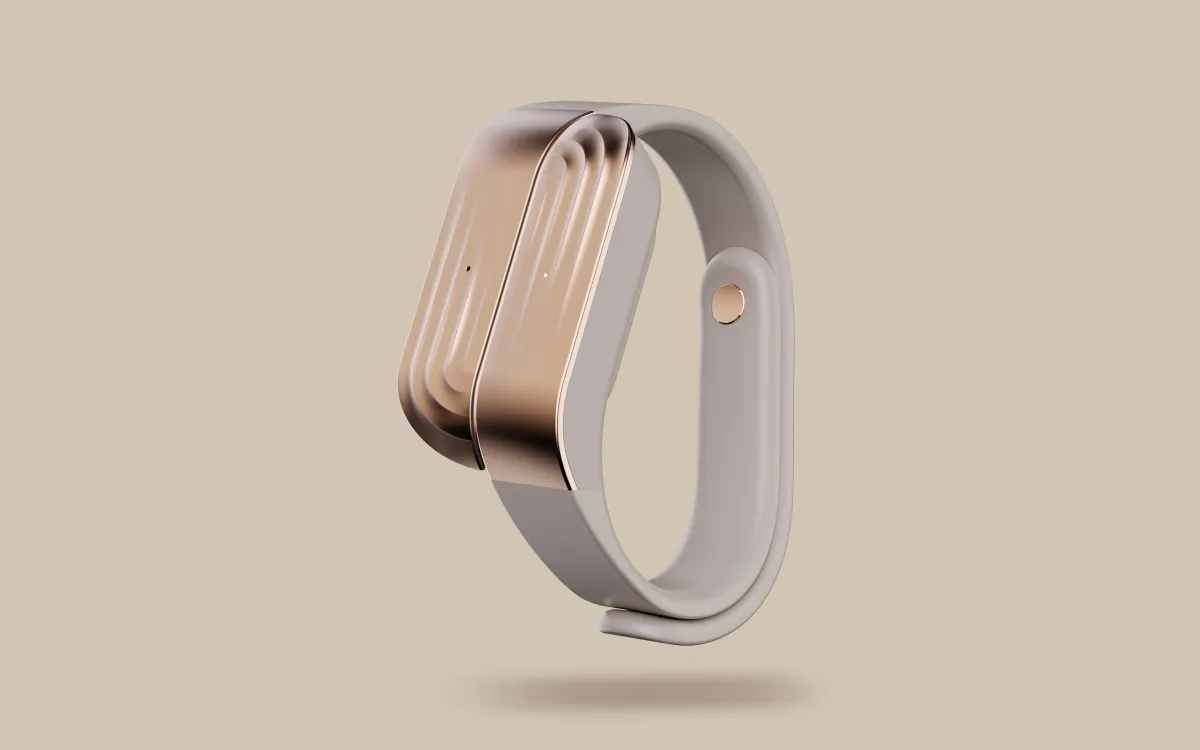
Clair Health تجمع 11.6 مليون دولار لتتبع الهرمونات عبر جهاز قابل للارتداء
أعلنت شركة Clair Health الناشئة عن جمع تمويل بقيمة 11.6 مليون دولار لتطوير جهاز قابل للارتداء يُحدث نقلة نوعية في مجال تتبع الهرمونات الأنثوية. الجهاز الذي يشبه الإكسسوار الأنيق يعد بتقديم رؤى فورية ح

ترقية مجانية لـ GTA V على PS5 وXbox Series X قبل إطلاق GTA VI
أعلنت Rockstar Games عن ترقية مجانية للعبة Grand Theft Auto V تتيح لأصحاب النسخ القديمة الانتقال إلى إصدار PlayStation 5 وXbox Series X/S دون أي تكلفة إضافية، وذلك قبل أشهر قليلة من الموعد المرتقب لإط
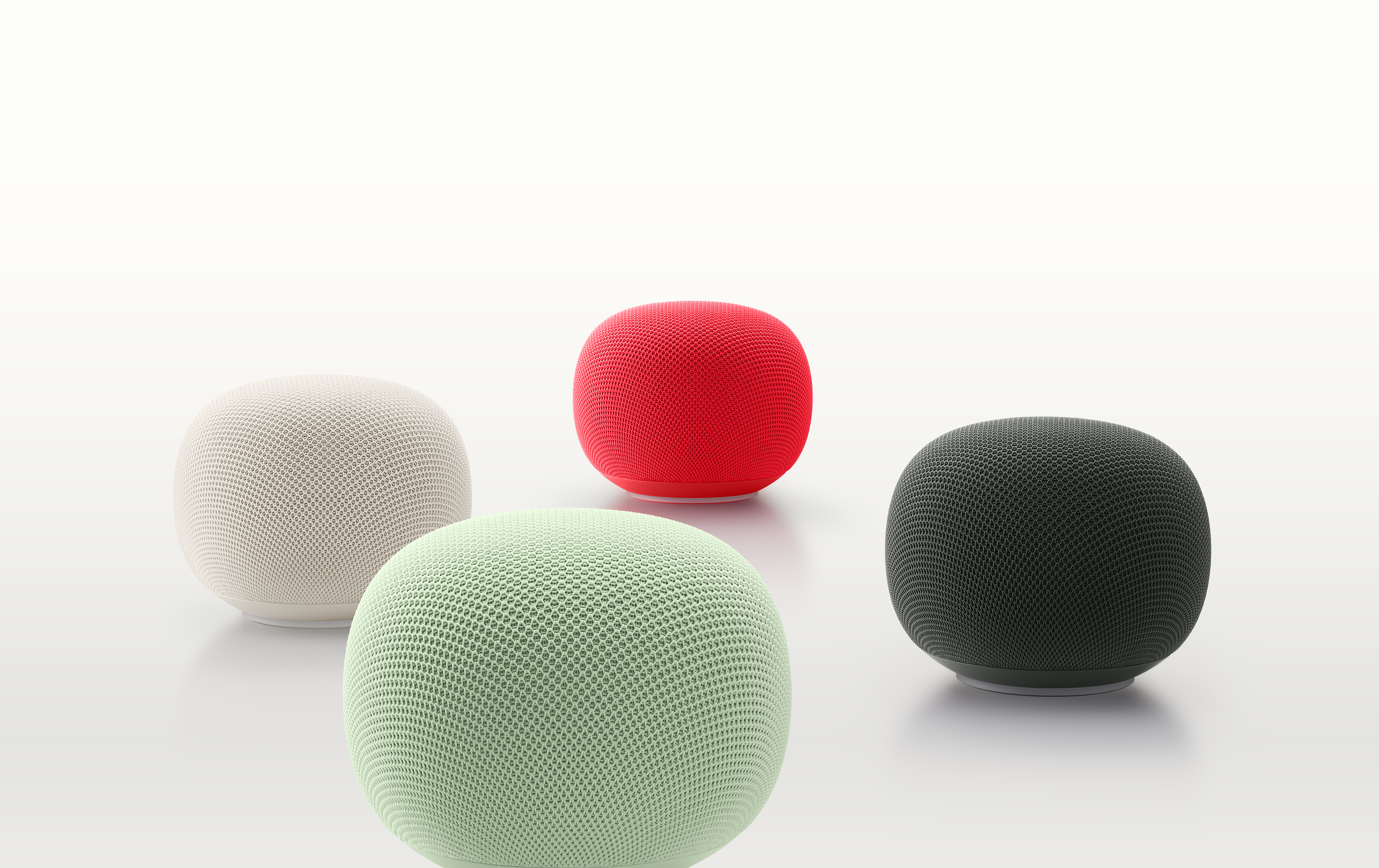
Google تعيد اختراع السماعات الذكية: Google Home Speaker بتقنية Gemini AI بسعر 99 دولاراً
أعلنت Google عن إطلاق Google Home Speaker، أول سماعة ذكية مستقلة من الشركة منذ خمس سنوات، مدمج فيها نظام الذكاء الاصطناعي Gemini بسعر 99.99 دولاراً. يمثل هذا الإطلاق تحولاً جذرياً في فلسفة السماعات ال

تيليغرام تقاضي الهند بعد حظر التطبيق: معركة حرية التعبير تصل للمحاكم
في تصعيد قانوني غير مسبوق، رفعت شركة تيليغرام دعوى قضائية أمام محكمة دلهي العليا ضد قرار الحكومة الهندية بحظر التطبيق على مستوى البلاد، معتبرةً أن هذا الإجراء ينتهك الحقوق الدستورية لـ 150 مليون مستخد
اقرأ أيضاً
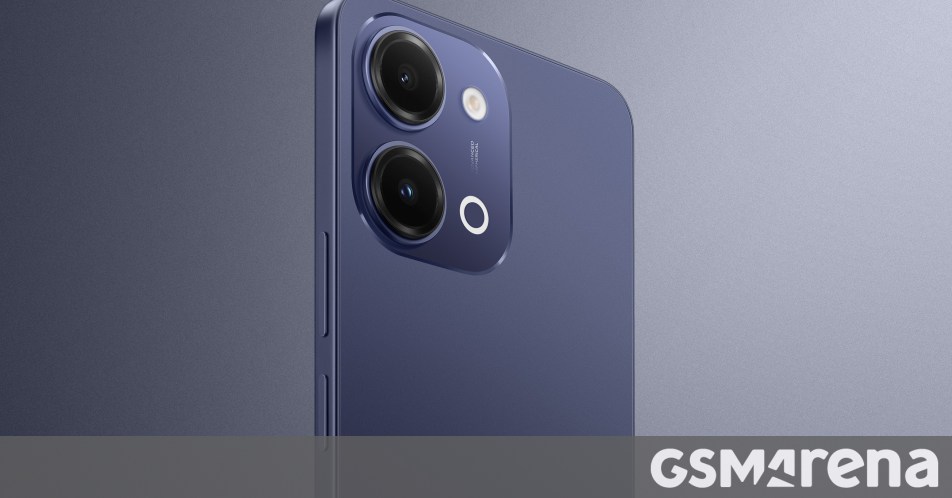
iQOO Z11i يظهر في الصين: هاتف vivo Y60 بثوب جديد وبطارية 6,500 مللي أمبير
بدأت iQOO بالتشويق لهاتفها الجديد Z11i في السوق الصينية، ليُضاف إلى عائلة Z11 المتنامية التي باتت تضم نماذج عدة. الهاتف يأتي ببطارية ضخمة سعة 6,500 مللي أمبير، لكن تسريبات من منصة Weibo تشير إلى أنه ق

Honor Watch 6: بطارية تدوم 35 يوماً في ساعة تزن 68 غراماً فقط
كشفت Honor عن ساعتها الذكية الجديدة Honor Watch 6، وهي تطرح سؤالاً مباشراً على منافسيها: كيف تحشرون بطارية بسعة 980mAh في ساعة لا يتجاوز وزنها مع السوار 68 غراماً، وتجعلونها تدوم 35 يوماً كاملة؟ هذا ل
الإمارات تحظر وسائل التواصل الاجتماعي على من هم دون 15 عاماً: أول دولة عربية تتخذ هذه الخطوة
في خطوة تاريخية تضع الإمارات في طليعة الدول العربية، أعلنت الحكومة الإماراتية حظر وسائل التواصل الاجتماعي على الأطفال دون 15 عاماً حظراً فعلياً، لتصبح بذلك أول دولة عربية تتخذ إجراءً بهذا الحجم لحماية