Snapdragon 8 Elite Gen 6: Samsung Fab Deal's Business Impact
Key Takeaways
- Qualcomm CEO's Samsung meeting signals potential return after 3-year TSMC exclusivity
- TSMC price increases driving semiconductor customers to explore alternatives
- Samsung's resolved yield issues could mean more competitive flagship device pricing
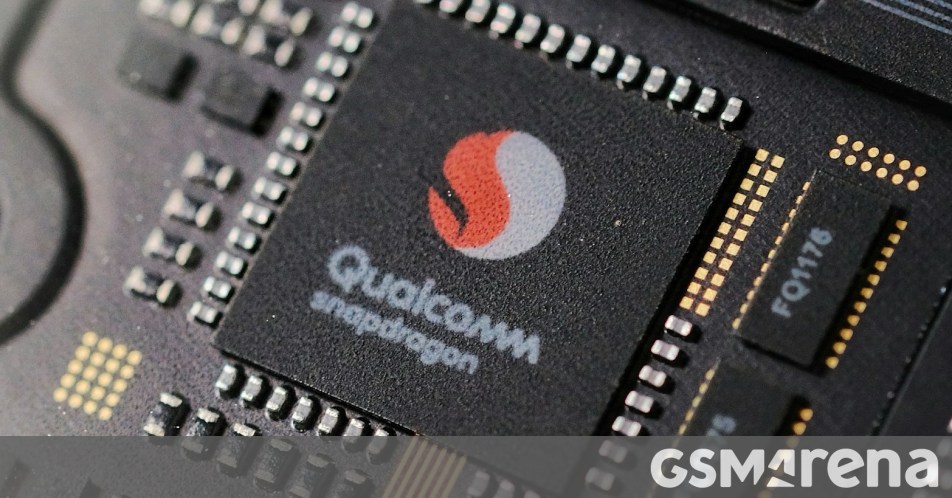
According to [GSMArena](https://www.gsmarena.com/qualcomms_snapdragon_8_elite_gen_6_might_be_made_by_samsung-news-72482.php), Qualcomm CEO Cristiano Amon was recently spotted meeting with Samsung executives in Korea to discuss manufacturing chips on the 2nm process, potentially signaling a major shift in the company's foundry strategy for the upcoming Snapdragon 8 Elite Gen 6.
If you're a CTO evaluating Android device strategies or a hardware executive planning your 2026 product roadmap, this meeting matters more than typical industry gossip. The foundry choice for the world's most popular premium smartphone chip directly affects your device costs, supply chain resilience, and competitive positioning.
Why Is Qualcomm Considering Samsung for Snapdragon Chips?
The semiconductor industry runs on razor-thin margins at the foundry level, and even small cost increases cascade through the entire supply chain. TSMC has been raising prices steadily over the past two years, and Qualcomm is looking for alternatives. That's the simple business logic here.
But there's a backstory. Back in 2022, Qualcomm shifted its flagship chip production entirely to TSMC after Samsung-fabricated chips suffered from chronic yield problems and overheating issues. The Snapdragon 888 and 8 Gen 1, both made by Samsung, earned reputations for running hot and draining batteries. Device makers complained. Consumers noticed. Qualcomm moved.
Now Samsung has apparently fixed those problems. At CES in January, Amon publicly confirmed Qualcomm was in discussions with Samsung. This Korea trip suggests those talks are getting serious.
The Executive Summary
Qualcomm is exploring Samsung as a foundry partner for its next flagship chip. If the deal happens, it would diversify Qualcomm's supply chain, potentially reduce costs, and give Samsung a major credibility boost in the foundry business. For device makers, this could mean more competitive pricing on premium Android phones.
What Does TSMC vs Samsung Mean for Device Costs?
Foundry pricing isn't public, but industry analysts estimate TSMC charges 15-20% premiums over Samsung for comparable process nodes. When you're manufacturing hundreds of millions of chips, that gap adds up to billions of dollars across the industry.
TSMC commands those premiums because its yields are consistently higher. Higher yields mean more usable chips per wafer, which effectively lowers per-chip costs even at higher wafer prices. Samsung has historically struggled here, but the company has invested heavily in fixing its 3nm and 2nm processes.
| Factor | TSMC | Samsung |
|---|---|---|
| Current Market Share (Advanced Nodes) | ~90% | ~10% |
| Pricing | Premium | Competitive |
| Historical Yield Rates | Industry-leading | Improving |
| 2nm Timeline | Mass production 2025 | Mass production 2025 |
| Major Customers | Apple, Qualcomm, AMD, NVIDIA | Samsung LSI, some Qualcomm |
For a business leader evaluating hardware partnerships, the foundry choice signals both cost structure and risk. A Qualcomm return to Samsung would suggest Samsung's yields have reached acceptable levels. It would also give Qualcomm negotiating power with TSMC on future contracts.
Supply Chain Diversification: Why Single-Sourcing Is Risky
The pandemic taught every supply chain executive a painful lesson: single-source dependencies are existential risks. When TSMC sneezes, the entire tech industry catches a cold. Car manufacturers couldn't build vehicles. Consumer electronics companies couldn't meet demand. Lead times stretched to absurd lengths.
Qualcomm's current TSMC dependency puts it in a vulnerable position. If TSMC faces capacity constraints, natural disasters, or geopolitical disruptions, Qualcomm has limited alternatives. Adding Samsung as a qualified foundry partner creates redundancy.
This matters for device makers too. If you're sourcing Snapdragon chips for your products, your supply chain resilience is only as good as Qualcomm's. A dual-source strategy at the foundry level flows downstream as more predictable chip availability and pricing.
How hardware choices affect enterprise device deployment costs
What Are the Risks of Samsung-Fabricated Snapdragon Chips?
History matters here. The Snapdragon 888 and 8 Gen 1 chips, both Samsung-fabricated, had well-documented thermal issues. Phones ran hot. Batteries drained faster. Thermal throttling reduced sustained performance. Reviews were harsh.
Samsung says it has fixed these problems, but the proof will be in the silicon. For device makers, sourcing Samsung-fabricated Snapdragon chips means accepting some risk that historical issues could resurface.
✅ Pros
- • Potential cost savings vs TSMC-fabricated chips
- • Supply chain diversification for Qualcomm and downstream partners
- • Competitive pressure may keep TSMC pricing in check
- • Samsung's 2nm process may offer unique capabilities
❌ Cons
- • Historical yield and thermal issues create uncertainty
- • First-generation 2nm process may have unforeseen problems
- • Brand risk if devices underperform vs TSMC-based competitors
- • Samsung's foundry track record lags TSMC significantly
The smart play for device makers is to wait for early production data before committing heavily to Samsung-fabricated chip orders. Let the early adopters validate the process.
How Does This Affect Android Flagship Pricing in 2026?
Chip costs are a significant component of smartphone bills of materials. A typical flagship Android phone might have $100-150 in silicon costs, with the SoC being the single most expensive component. Even a 10% reduction in chip costs could save device makers $10-15 per unit.
At scale, those savings matter. A company shipping 10 million flagship devices could save $100-150 million annually. That margin flows to either the bottom line or competitive pricing.
If Samsung-fabricated Snapdragon chips come in cheaper than TSMC alternatives, expect Android device makers to push for those SKUs. Price-sensitive markets like India and Southeast Asia would benefit most from any cost reductions.
What Should Hardware Leaders Do Now?
If you're making hardware sourcing decisions for 2026-2027 product cycles, here's the playbook:
- Monitor the announcement: A confirmed Samsung deal changes the competitive dynamics. Watch for official statements from Qualcomm or Samsung.
- Plan for optionality: Structure your chip orders to allow flexibility between foundry sources if Qualcomm offers both.
- Evaluate early production data: Don't commit heavily to first-batch Samsung-fabricated chips until yield and thermal data are available.
- Model the cost scenarios: Work with your supply chain team to understand how different foundry choices affect your BOM costs.
- Consider the competitive angle: If competitors lock in TSMC-fabricated chips and Samsung variants underperform, you'll face positioning challenges.
The worst outcome is being caught off-guard. Whether this deal happens or not, understanding the foundry dynamics helps you make better sourcing decisions.
Another technology shift business leaders should track
The Bigger Picture: Semiconductor Geopolitics
This isn't just a business story. It's a geopolitics story. TSMC's dominance in advanced semiconductor manufacturing has made Taiwan a critical chokepoint for the global tech industry. Any disruption there would cascade through every device category.
A stronger Samsung foundry business provides geographic diversification. South Korea isn't free from geopolitical risk, but two advanced foundry locations are better than one. Governments in the US, EU, and Japan are all subsidizing domestic chip manufacturing for exactly this reason.
For business leaders, the takeaway is simple: chip manufacturing concentration risk is real. Evaluate your supply chain dependencies and consider how foundry diversification affects your risk exposure.
Frequently Asked Questions
Frequently Asked Questions
When will Snapdragon 8 Elite Gen 6 be available?
Based on Qualcomm's typical release cadence, expect announcements in late 2025 with devices shipping in early 2026. The foundry decision would need to be finalized soon to meet this timeline.
Will Samsung-fabricated chips be cheaper for device makers?
Likely, but not guaranteed. Samsung typically offers more competitive pricing than TSMC, but the final cost depends on yield rates. If yields are lower, effective per-chip costs may not be significantly different.
Should we avoid first-generation Samsung-fabricated Snapdragon chips?
A cautious approach makes sense. Wait for independent benchmarks and thermal testing before committing to large orders. Early production runs often have issues that get resolved in later batches.
How does this affect Apple's competitive position?
Apple uses TSMC exclusively and has first priority on new process nodes. If Samsung's 2nm process underperforms, Apple maintains its silicon advantage. If Samsung matches TSMC quality at lower cost, Android makers gain cost structure benefits.
What happens if the Samsung deal falls through?
Qualcomm continues with TSMC, likely at higher costs. TSMC's pricing power increases, and those costs eventually flow to device makers and consumers. The competitive pressure Samsung provides benefits the entire ecosystem even if deals don't close.
Logicity's Take
At Logicity, we build software, not chips. But we work with enough hardware-adjacent clients to understand how foundry decisions ripple through the tech ecosystem. For Indian startups and businesses in particular, this Qualcomm-Samsung story matters because of what it signals about supply chain resilience. The companies that thrived during the chip shortage weren't necessarily the ones with the best products. They were the ones with diversified suppliers and the operational flexibility to adapt. From our work helping businesses implement AI agents and automation systems, we've seen the same principle apply to software dependencies. Single-vendor lock-in, whether for chips or cloud services, creates fragility. When we advise clients on technical architecture, we push for abstraction layers that allow switching providers without rebuilding everything. The Qualcomm move is smart business regardless of the outcome. Even if they stick with TSMC, the Samsung negotiations give them leverage on pricing. That's the real lesson here: optionality has value. Build your systems, whether hardware supply chains or software stacks, with switchability in mind.
Need Help Implementing This?
Logicity helps businesses navigate complex technology decisions. Whether you're evaluating hardware partnerships, building supply chain resilience, or implementing AI-powered automation, our team brings both technical depth and business perspective. Contact us at logicity.in to discuss your strategic technology needs.
How Korean tech companies are reshaping entertainment economics
Source: GSMArena.com / Vlad
Manaal Khan
Tech & Innovation Writer
اقرأ أيضاً

رأي مغاير: كيف يؤثر اختراق الأمن الداخلي الأميركي على شركاتنا الخاصة؟
في ظل اختراق عقود الأمن الداخلي الأميركي مع شركات خاصة، نناقش تأثير هذا الاختراق على مستقبل الأمن السيبراني. نستعرض الإحصاءات الموثوقة ونناقش كيف يمكن للشركات الخاصة أن تتعامل مع هذا التهديد. استمتع بقراءة هذا التحليل العميق

الإنسان في زمن ما بعد الوجود البشري: نحو نظام للتعايش بين الإنسان والروبوت - Centre for Arab Unity Studies
في هذا المقال، سنناقش كيف يمكن للبشر والروبوتات التعايش في نظام متكامل. سنستعرض التحديات والحلول المحتملة التي تضعها شركات مثل جوجل وأمازون. كما سنلقي نظرة على التوقعات المستقبلية وفقًا لتقرير ماكنزي

إطلاق ناسا لمهمة مأهولة إلى القمر: خطوة تاريخية نحو استكشاف الفضاء
تعتبر المهمة الجديدة خطوة هامة نحو استكشاف الفضاء وتطوير التكنولوجيا. سوف تشمل المهمة إرسال رواد فضاء إلى سطح القمر لconducting تجارب علمية. ستسهم هذه المهمة في تطوير فهمنا للفضاء وتحسين التكنولوجيا المستخدمة في استكشاف الفضاء.