Samsung Posts Record Profit as HBM Chips Triple Revenue

Key Takeaways

- Samsung's Q1 operating profit rose 756% to 57.23 trillion won ($39 billion), a quarterly record
- HBM4 chips will account for more than half of total HBM revenue starting Q3 2025
- Customers are already placing orders for 2026, signaling worse supply-demand gaps ahead
A 756% Profit Surge
Samsung Electronics announced its highest-ever quarterly operating profit on Thursday. The figure: 57.23 trillion won, roughly $39 billion. That's a 756.1% jump from the same period last year.
Revenue for January through March hit 133.87 trillion won ($91.2 billion), up 69.2% year-over-year. The semiconductor division drove most of this. It posted 81.7 trillion won ($55.6 billion) in revenue and 53.7 trillion won ($36.6 billion) in operating profit.
Put simply, Samsung's chip business now accounts for the vast majority of the company's earnings. And within that business, high-bandwidth memory chips are the star.
HBM Demand Outpaces Supply
High-bandwidth memory, or HBM, is the specialized memory AI systems need for training and inference. Samsung is betting heavily on it.
“Demand for next year is already being placed in advance by customers concerned about supply shortages. Based on these orders alone, the supply-demand gap next year is expected to become even more severe than this year.”
— Kim Jae-june, Executive Vice President, Samsung Memory Division
That's an unusual situation. Companies typically don't lock in orders a full year ahead. The fact that they're doing so now signals genuine concern about chip availability through 2026.
Samsung began mass shipments of its sixth-generation HBM4 chips in February. The company expects these chips to dominate revenue within months. Kim stated that HBM4 sales will exceed half of total HBM revenue starting in Q3, and will make up a majority for the full year.
HBM Revenue Set to Triple
Samsung projects its HBM revenue will grow more than threefold compared to 2024. That's not a vague projection. It's based on customer orders already in the system.
The company is also preparing to ship samples of its seventh-generation HBM4E product in Q2. This next-generation chip will offer higher capacity and bandwidth for more demanding AI workloads.
Context on the AI infrastructure buildout driving HBM demand
The strategy is clear: prioritize high-value memory products where margins are strong and supply is tight. Server chips fall into this category too, as hyperscalers expand AI infrastructure.
Foundry Business Pivots to Advanced Nodes
Samsung's foundry division is also shifting strategy. The unit is moving toward high-value specialty demand in mature processes while investing in advanced technology.
The company's new plant in Taylor, Texas recently held an equipment move-in ceremony. Samsung is positioning it as a production base for its 2-nanometer process, which will compete with TSMC's most advanced nodes.
“We will improve the fundamentals of the business with an optimized product mix that takes profitability and investment efficiency into account.”
— Kang Suk-chae, Executive Vice President, Samsung Foundry Division
Samsung is reportedly in discussions with several major customers for foundry capacity. The company hasn't disclosed names, but AI chip designers are obvious candidates given current demand patterns.
What This Means for the AI Supply Chain
Samsung's results confirm what many in the industry suspected: the AI hardware shortage isn't ending soon. If anything, it's getting worse.
When customers place orders a year in advance, it signals they're willing to pay premium prices and commit capital early just to secure supply. That's good for Samsung's margins. It's less good for companies trying to build AI infrastructure on a budget.
More on AI's expanding enterprise applications
The semiconductor division's dominance of Samsung's earnings also raises questions about the company's other businesses. Mobile, display, and consumer electronics all contributed less to the bottom line this quarter. Whether that's a temporary shift or a permanent rebalancing depends on how long the AI boom lasts.
Logicity's Take
Frequently Asked Questions
Frequently Asked Questions
What is HBM and why does it matter for AI?
High-bandwidth memory (HBM) is specialized memory that stacks multiple DRAM chips vertically. It provides the high data throughput that AI accelerators need for training and inference workloads. Standard memory can't keep up with modern AI processors.
How much did Samsung's profit grow in Q1 2025?
Samsung's operating profit rose 756.1% year-over-year to 57.23 trillion won (approximately $39 billion), marking a quarterly record for the company.
When will Samsung's HBM4 chips dominate revenue?
Samsung expects HBM4 sales to account for more than half of total HBM revenue starting in Q3 2025, with HBM4 making up a majority for the full year.
What is Samsung's HBM revenue projection for 2025?
Samsung projects HBM revenue will grow more than threefold compared to 2024, driven by sustained AI-related demand that is outpacing supply.
Where is Samsung building its new foundry plant?
Samsung's new foundry plant in Taylor, Texas recently held an equipment move-in ceremony. It will serve as a production base for Samsung's 2-nanometer process.
Need Help Implementing This?
Source: Tech-Economic Times / ET
Huma Shazia
Senior AI & Tech Writer
مقالات ذات صلة
تصفح الكل
Clair Health تجمع 11.6 مليون دولار لتتبع الهرمونات عبر جهاز قابل للارتداء
أعلنت شركة Clair Health الناشئة عن جمع تمويل بقيمة 11.6 مليون دولار لتطوير جهاز قابل للارتداء يُحدث نقلة نوعية في مجال تتبع الهرمونات الأنثوية. الجهاز الذي يشبه الإكسسوار الأنيق يعد بتقديم رؤى فورية ح

ترقية مجانية لـ GTA V على PS5 وXbox Series X قبل إطلاق GTA VI
أعلنت Rockstar Games عن ترقية مجانية للعبة Grand Theft Auto V تتيح لأصحاب النسخ القديمة الانتقال إلى إصدار PlayStation 5 وXbox Series X/S دون أي تكلفة إضافية، وذلك قبل أشهر قليلة من الموعد المرتقب لإط
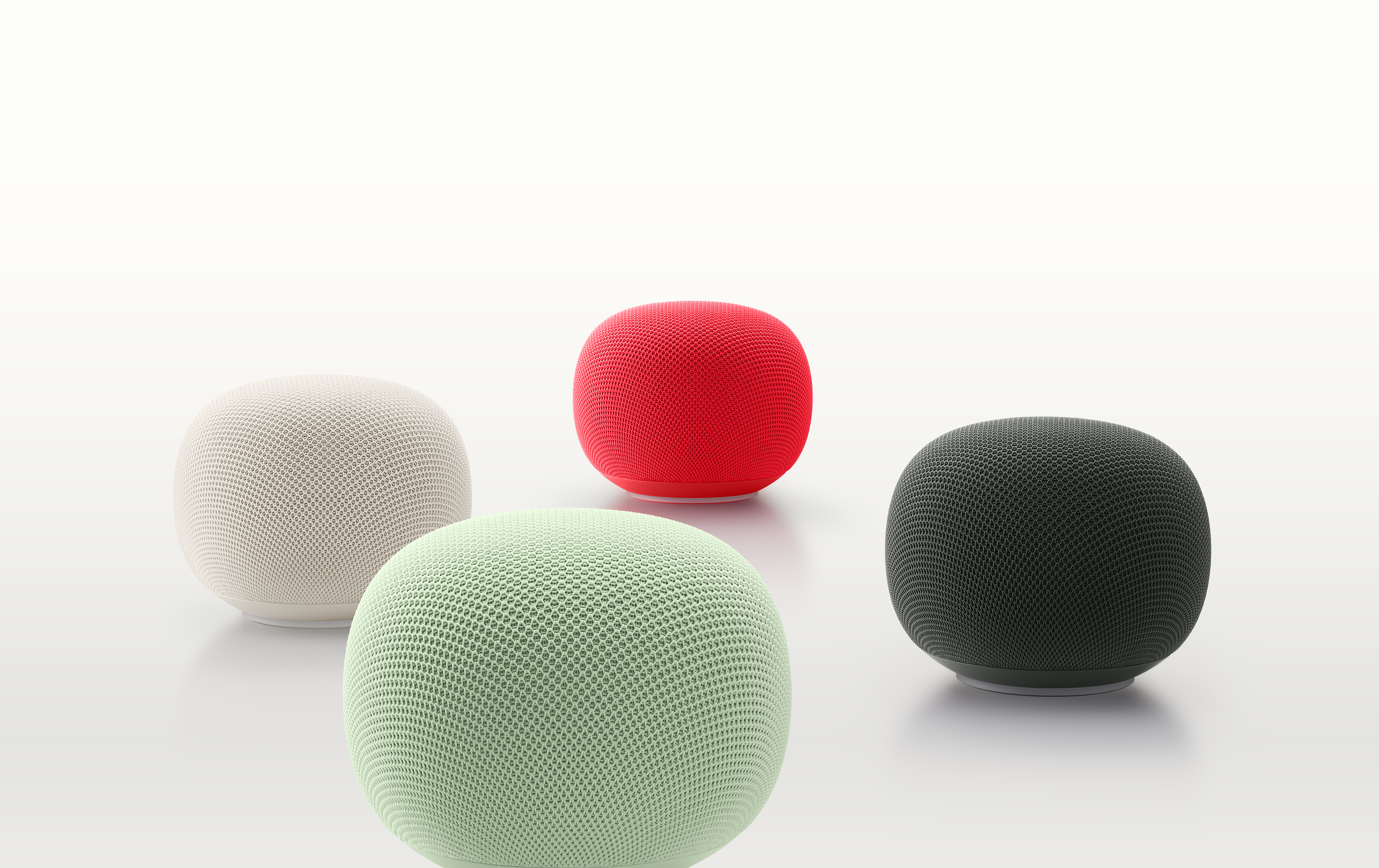
Google تعيد اختراع السماعات الذكية: Google Home Speaker بتقنية Gemini AI بسعر 99 دولاراً
أعلنت Google عن إطلاق Google Home Speaker، أول سماعة ذكية مستقلة من الشركة منذ خمس سنوات، مدمج فيها نظام الذكاء الاصطناعي Gemini بسعر 99.99 دولاراً. يمثل هذا الإطلاق تحولاً جذرياً في فلسفة السماعات ال

تيليغرام تقاضي الهند بعد حظر التطبيق: معركة حرية التعبير تصل للمحاكم
في تصعيد قانوني غير مسبوق، رفعت شركة تيليغرام دعوى قضائية أمام محكمة دلهي العليا ضد قرار الحكومة الهندية بحظر التطبيق على مستوى البلاد، معتبرةً أن هذا الإجراء ينتهك الحقوق الدستورية لـ 150 مليون مستخد
اقرأ أيضاً

كيف تستخدم JavaScript Fetch API: إرسال الطلبات ومعالجة الأخطاء وإلغاء الاتصالات
تُعدّ JavaScript Fetch API الأداة المدمجة لإجراء طلبات HTTP في المتصفحات الحديثة وبيئة Node.js بدءاً من الإصدار 18. تعتمد هذه الواجهة على Promises، مما يُتيح لك استخدام سلسلة .then() أو صيغة async/awa

دليل إعداد PHP-FPM مع Nginx على Ubuntu خطوة بخطوة
يُعدّ الجمع بين PHP-FPM مع Nginx الطريقة المعيارية لتشغيل تطبيقات PHP على خوادم Nginx، إذ لا يمتلك Nginx وحدة PHP مدمجة كما هو الحال مع mod_php في Apache. بدلاً من ذلك، يتولى Nginx تقديم الملفات الثاب

مستثمرون صينيون اشتروا سراً حصصاً في SpaceX قبل الطرح العام
كشفت وثائق محكمة أمريكية أن مستثمرين صينيين وروس استحوذوا سراً على حصص في شركة SpaceX قبل سنوات من طرحها العام، وذلك عبر شركة وسيطة مقرها الولايات المتحدة، في وقت تبني فيه شركة إيلون ماسك أقماراً تجسس