Samsung Posts Record $38.4B Quarterly Profit on AI Chip Demand
Key Takeaways
- Samsung's Q1 operating profit hit 57.2 trillion won ($38.4 billion), up 750% from last year
- The semiconductor division contributed 53.7 trillion won, or 94% of total operating profit
- South Korea's Kospi index hit a record high above 6,700 following the earnings release
Samsung Electronics reported its best quarter ever on Thursday. Operating profit rose 750% year-over-year to 57.2 trillion won ($38.4 billion), driven almost entirely by chips used in artificial intelligence systems.
Net profit hit 47.1 trillion won, beating analyst forecasts compiled by Bloomberg. Sales reached 133.9 trillion won, also an all-time quarterly record.
The company credited "AI technology innovations and proactive market response" for the results. Translation: companies building AI infrastructure are buying every high-bandwidth memory chip Samsung can make.
Semiconductors Carry the Quarter
Samsung's semiconductor division posted 53.7 trillion won in operating profit. That's 94% of the company's total. The remaining 6% came from displays, mobile devices, and consumer electronics combined.
The memory business "surpassed its quarterly sales record by addressing high-value-added AI demand despite limited supply availability," Samsung said in its earnings release. Industry-wide memory price increases also helped margins.
Samsung competes directly with SK hynix for AI memory orders. Both supply high-bandwidth memory (HBM) to companies like NVIDIA, which needs the chips for its AI training and inference systems. SK hynix has held the lead in HBM shipments to NVIDIA, but Samsung has been working to close the gap.
South Korea's AI Ambitions
The earnings fit into South Korea's broader AI strategy. The government has pledged to make the country one of the world's top three AI powers, alongside the United States and China.
Samsung and SK hynix are central to that plan. Memory chips are one of the few chokepoints in the global AI supply chain where South Korean companies dominate. Both companies are investing heavily in next-generation HBM technology.
The market responded immediately. South Korea's Kospi stock index opened at a fresh high above 6,700 on Thursday, lifted by Samsung's numbers and strong earnings from US tech giants.
What's Driving AI Chip Demand
The AI training boom shows no signs of slowing. OpenAI, Google, Meta, and dozens of smaller companies are racing to build larger models, each requiring more compute and more memory. Data centers are the primary buyers.
High-bandwidth memory is especially valuable because it sits close to the GPU, allowing faster data transfer during training runs. Traditional DRAM can't move data fast enough for large-scale AI workloads.
Samsung had telegraphed the record quarter earlier this month, when it forecast operating profit would hit an all-time high. The final numbers exceeded even those projections.
Logicity's Take
Looking Ahead
Samsung didn't provide forward guidance in its earnings release. But the company's HBM roadmap suggests it expects AI demand to continue. Samsung is developing HBM4, the next generation of high-bandwidth memory, for release in the coming years.
The question for Samsung is whether it can take share from SK hynix in the HBM market. NVIDIA has reportedly had quality concerns with some Samsung HBM batches, giving SK hynix the lead. If Samsung resolves those issues, its manufacturing scale could help it catch up.
How Motorola is positioning against Samsung in the foldable market
Frequently Asked Questions
How much did Samsung's quarterly profit increase?
Samsung's Q1 operating profit rose 750% year-over-year to 57.2 trillion won ($38.4 billion), an all-time record.
What drove Samsung's record profit?
The semiconductor division, particularly memory chips for AI applications, generated 53.7 trillion won in operating profit, accounting for 94% of the total.
How did Samsung's results affect the stock market?
South Korea's Kospi index opened at a record high above 6,700 following Samsung's earnings release.
Who are Samsung's main competitors in AI memory chips?
SK hynix is Samsung's primary competitor in high-bandwidth memory (HBM) for AI applications. Both companies supply chips to AI hardware makers like NVIDIA.
What is South Korea's AI strategy?
The South Korean government has pledged to make the country one of the world's top three AI powers alongside the US and China, with Samsung and SK hynix as key players.
Need Help Implementing This?
Source: Tech-Economic Times / ET
Manaal Khan
Tech & Innovation Writer
مقالات ذات صلة
تصفح الكل
Clair Health تجمع 11.6 مليون دولار لتتبع الهرمونات عبر جهاز قابل للارتداء
أعلنت شركة Clair Health الناشئة عن جمع تمويل بقيمة 11.6 مليون دولار لتطوير جهاز قابل للارتداء يُحدث نقلة نوعية في مجال تتبع الهرمونات الأنثوية. الجهاز الذي يشبه الإكسسوار الأنيق يعد بتقديم رؤى فورية ح

ترقية مجانية لـ GTA V على PS5 وXbox Series X قبل إطلاق GTA VI
أعلنت Rockstar Games عن ترقية مجانية للعبة Grand Theft Auto V تتيح لأصحاب النسخ القديمة الانتقال إلى إصدار PlayStation 5 وXbox Series X/S دون أي تكلفة إضافية، وذلك قبل أشهر قليلة من الموعد المرتقب لإط
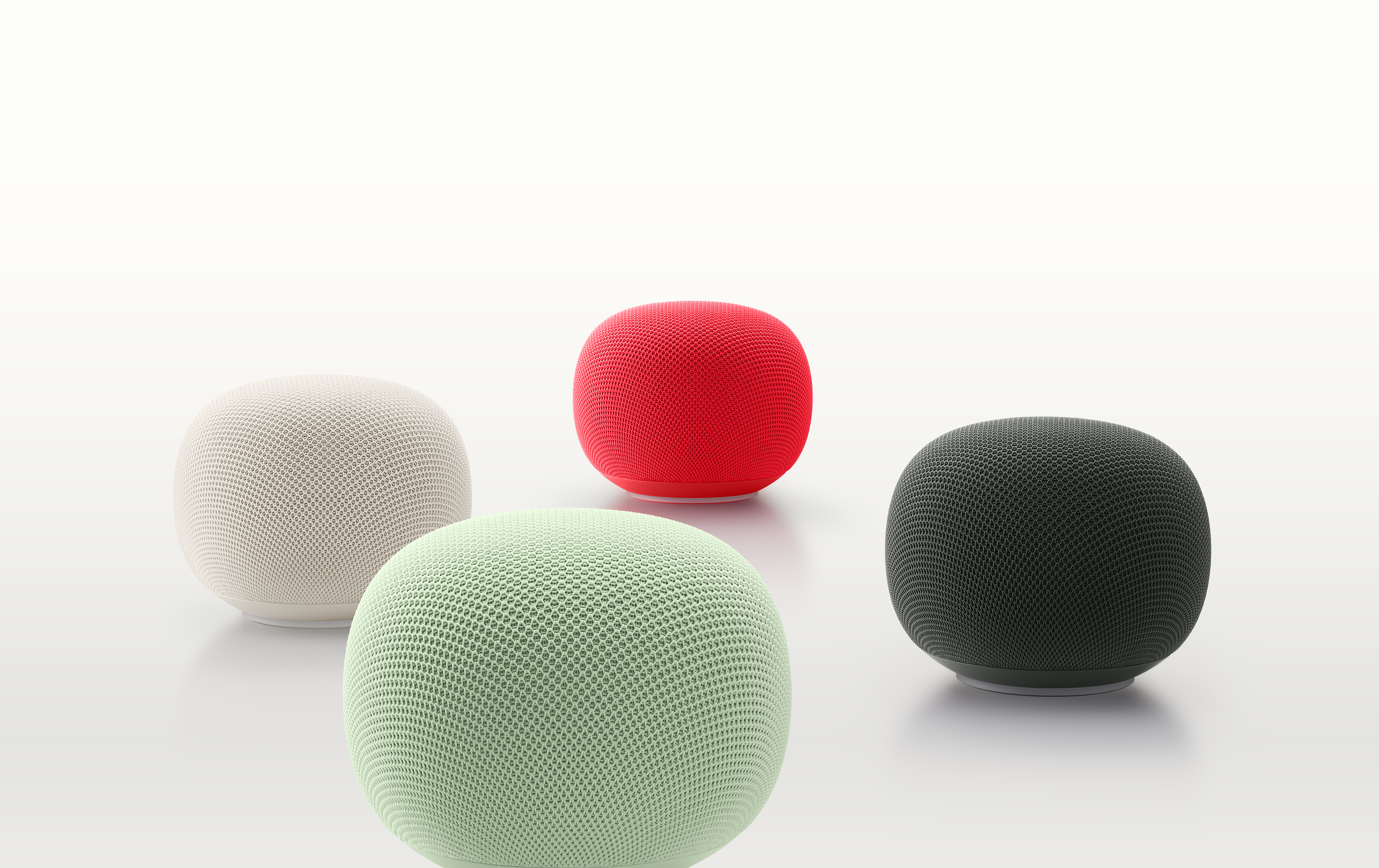
Google تعيد اختراع السماعات الذكية: Google Home Speaker بتقنية Gemini AI بسعر 99 دولاراً
أعلنت Google عن إطلاق Google Home Speaker، أول سماعة ذكية مستقلة من الشركة منذ خمس سنوات، مدمج فيها نظام الذكاء الاصطناعي Gemini بسعر 99.99 دولاراً. يمثل هذا الإطلاق تحولاً جذرياً في فلسفة السماعات ال

تيليغرام تقاضي الهند بعد حظر التطبيق: معركة حرية التعبير تصل للمحاكم
في تصعيد قانوني غير مسبوق، رفعت شركة تيليغرام دعوى قضائية أمام محكمة دلهي العليا ضد قرار الحكومة الهندية بحظر التطبيق على مستوى البلاد، معتبرةً أن هذا الإجراء ينتهك الحقوق الدستورية لـ 150 مليون مستخد
اقرأ أيضاً
كيف تستخدم JavaScript Fetch API: إرسال الطلبات ومعالجة الأخطاء وإلغاء الاتصالات
تُعدّ JavaScript Fetch API الأداة المدمجة لإجراء طلبات HTTP في المتصفحات الحديثة وبيئة Node.js بدءاً من الإصدار 18. تعتمد هذه الواجهة على Promises، مما يُتيح لك استخدام سلسلة .then() أو صيغة async/awa

دليل إعداد PHP-FPM مع Nginx على Ubuntu خطوة بخطوة
يُعدّ الجمع بين PHP-FPM مع Nginx الطريقة المعيارية لتشغيل تطبيقات PHP على خوادم Nginx، إذ لا يمتلك Nginx وحدة PHP مدمجة كما هو الحال مع mod_php في Apache. بدلاً من ذلك، يتولى Nginx تقديم الملفات الثاب

مستثمرون صينيون اشتروا سراً حصصاً في SpaceX قبل الطرح العام
كشفت وثائق محكمة أمريكية أن مستثمرين صينيين وروس استحوذوا سراً على حصص في شركة SpaceX قبل سنوات من طرحها العام، وذلك عبر شركة وسيطة مقرها الولايات المتحدة، في وقت تبني فيه شركة إيلون ماسك أقماراً تجسس