Samsung Galaxy A27 Specs Leak: Snapdragon 6 Gen 3, No microSD
Key Takeaways
- Galaxy A27 uses Snapdragon 6 Gen 3 processor but drops microSD card slot
- Camera setup includes 50MP main sensor with OIS but downgrades ultrawide and selfie cameras
- Expected H2 2026 launch with Android 16-based One UI 8.5
Samsung's Galaxy A27 is no longer a mystery. Leaked press materials obtained by MyMobiles have revealed the full specification sheet for the mid-range phone, expected to arrive in the second half of 2026. The leak confirms earlier design renders from OnLeaks and adds new color options to the mix.
The big headline? Samsung is switching to Qualcomm's Snapdragon 6 Gen 3 processor while removing the microSD card slot entirely. That trade-off will likely split opinions among buyers who prioritize either performance or storage flexibility.
What the Leak Reveals
The Galaxy A27 will run on the Snapdragon 6 Gen 3 chipset with either 6GB or 8GB of RAM. Storage options include 128GB and 256GB variants. Unlike the Galaxy A26, there's no microSD expansion. Buyers who want more space will need to pick the higher-tier model or rely on cloud storage.
On the software side, the phone ships with Android 16 and Samsung's One UI 8.5. The press materials don't mention how many years of updates Samsung will provide. The company typically offers four years of major updates for its mid-range devices, but nothing is confirmed for the A27.
“The shift to the Snapdragon 6 Gen 3 marks a significant move in platform stability for Samsung's mid-range, though the loss of the microSD slot may alienate long-time power users.”
— Alex Thorne, Lead Tech Analyst at MobileInsights
Display and Battery
Samsung is equipping the A27 with a 6.7-inch FullHD+ display. The press materials don't specify panel type or refresh rate. Given that the Galaxy A26 featured a 120Hz AMOLED screen, the A27 will likely match or exceed that spec.
Battery capacity stays at 5,000mAh with 25W charging support. That's identical to the A26. The phone weighs 200g and measures 162.4 x 78.2 x 7.8mm. That's 0.1mm thicker than its predecessor despite the same battery size.
Camera Changes: Better Main Sensor, Weaker Ultrawide
The rear camera setup includes a 50MP primary sensor with optical image stabilization, a 5MP ultrawide lens, and a 2MP macro camera. The front camera drops to 12MP.
On paper, those numbers represent a downgrade from the A26's 8MP ultrawide and 13MP selfie camera. But resolution isn't everything. Earlier rumors suggested the A27's selfie camera would actually produce better photos than the A26's higher-resolution unit. Sensor size, pixel binning, and computational processing all affect image quality.
New Color Options Confirmed
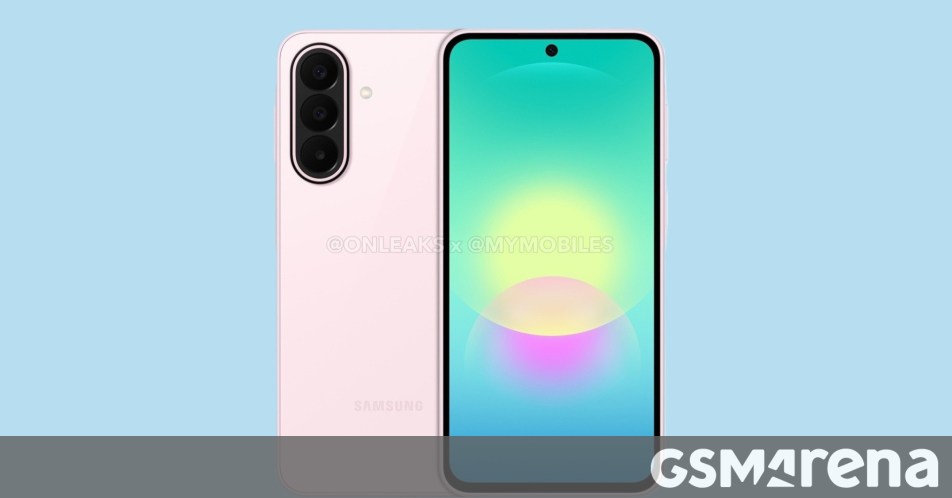
Fresh renders from OnLeaks show the Galaxy A27 in Light Pink, Blue, and Black. These match the color scheme Samsung has used for recent A-series devices. The overall design stays consistent with earlier leaks, featuring a modern punch-hole display and refined button layout.
Community Reaction: The microSD Debate
Discussion on Reddit's r/Samsung and tech forums has focused heavily on the missing microSD slot. Long-time Samsung fans see this as a disappointing trend. Budget-conscious buyers often rely on cheap microSD cards to expand storage instead of paying for higher-capacity models.
Others argue the Snapdragon 6 Gen 3 platform offers meaningful performance gains that justify the trade-off. Internal storage is also faster than microSD, which matters for app performance and system responsiveness.
Logicity's Take
Galaxy A27 vs Galaxy A26: Quick Comparison
| Spec | Galaxy A27 | Galaxy A26 |
|---|---|---|
| Processor | Snapdragon 6 Gen 3 | Exynos 1280 |
| Storage expansion | No microSD | microSD supported |
| Main camera | 50MP with OIS | 50MP with OIS |
| Ultrawide camera | 5MP | 8MP |
| Selfie camera | 12MP | 13MP |
| Battery | 5,000mAh / 25W | 5,000mAh / 25W |
| Thickness | 7.8mm | 7.7mm |
When Can You Buy It?
Samsung hasn't announced the Galaxy A27 officially. Based on current leaks, expect a launch in the second half of 2026. Pricing remains unknown, but the A-series typically falls between $300 and $450 depending on region and storage configuration.
Another mid-range contender with aggressive battery specs
Samsung's storage technology advancements
Frequently Asked Questions
When will the Samsung Galaxy A27 be released?
The Galaxy A27 is expected in the second half of 2026. Samsung hasn't confirmed an official launch date yet.
Does the Galaxy A27 have a microSD card slot?
No. Unlike the Galaxy A26, the A27 reportedly drops microSD expansion. Buyers will need to choose between 128GB and 256GB internal storage.
What processor does the Galaxy A27 use?
The Galaxy A27 uses Qualcomm's Snapdragon 6 Gen 3 chipset, a change from Samsung's own Exynos processors in previous A-series models.
Is the Galaxy A27 camera better than the A26?
The 50MP main camera retains OIS. However, the ultrawide drops from 8MP to 5MP, and the selfie camera drops from 13MP to 12MP. Image quality depends on more than resolution, so real-world performance remains to be seen.
What colors will the Galaxy A27 come in?
Leaked renders show Light Pink, Blue, and Black color options.
Need Help Implementing This?
Source: GSMArena.com / Sagar
Manaal Khan
Tech & Innovation Writer
اقرأ أيضاً

رأي مغاير: كيف يؤثر اختراق الأمن الداخلي الأميركي على شركاتنا الخاصة؟
في ظل اختراق عقود الأمن الداخلي الأميركي مع شركات خاصة، نناقش تأثير هذا الاختراق على مستقبل الأمن السيبراني. نستعرض الإحصاءات الموثوقة ونناقش كيف يمكن للشركات الخاصة أن تتعامل مع هذا التهديد. استمتع بقراءة هذا التحليل العميق

الإنسان في زمن ما بعد الوجود البشري: نحو نظام للتعايش بين الإنسان والروبوت - Centre for Arab Unity Studies
في هذا المقال، سنناقش كيف يمكن للبشر والروبوتات التعايش في نظام متكامل. سنستعرض التحديات والحلول المحتملة التي تضعها شركات مثل جوجل وأمازون. كما سنلقي نظرة على التوقعات المستقبلية وفقًا لتقرير ماكنزي

إطلاق ناسا لمهمة مأهولة إلى القمر: خطوة تاريخية نحو استكشاف الفضاء
تعتبر المهمة الجديدة خطوة هامة نحو استكشاف الفضاء وتطوير التكنولوجيا. سوف تشمل المهمة إرسال رواد فضاء إلى سطح القمر لconducting تجارب علمية. ستسهم هذه المهمة في تطوير فهمنا للفضاء وتحسين التكنولوجيا المستخدمة في استكشاف الفضاء.