Autonomous vehicle firms like Waymo and Tesla are under scrutiny for refusing to disclose how often remote operators step in to control their self-driving cars. A Senate investigation reveals major gaps in transparency, raising safety and accountability concerns.
Key Takeaways
- Robotaxi firms won't disclose how often remote humans help their vehicles
- Waymo is the only company using overseas remote operators, based in the Philippines
- Tesla allows remote control but still uses safety drivers in most vehicles
- Senator Ed Markey is pushing for stricter rules on remote assistance
- Some safety incidents have already occurred due to remote operator errors
In This Article
- The Secrecy Around Remote Control
- Waymo’s Global Control Room
- Tesla’s Secretive Pilot
- Safety Risks and Congressional Pushback
- Why Transparency Matters
- The Road Ahead
- Final Thoughts
The Secrecy Around Remote Control
You might think self-driving cars are truly autonomous, but behind the scenes, human operators are often stepping in — and we’re not being told how often. Major robotaxi companies are keeping quiet about how frequently their remote assistance teams have to jump in to guide vehicles when the AI falters.
- Autonomous vehicle companies are not legally required to report how often remote operators take control, creating a transparency black hole
- Senator Ed Markey launched an investigation after public concerns about safety and accountability grew
- Seven companies were asked to share data: Aurora, May Mobility, Motional, Nuro, Tesla, Waymo, and Zoox — responses revealed only limited details
Waymo’s Global Control Room
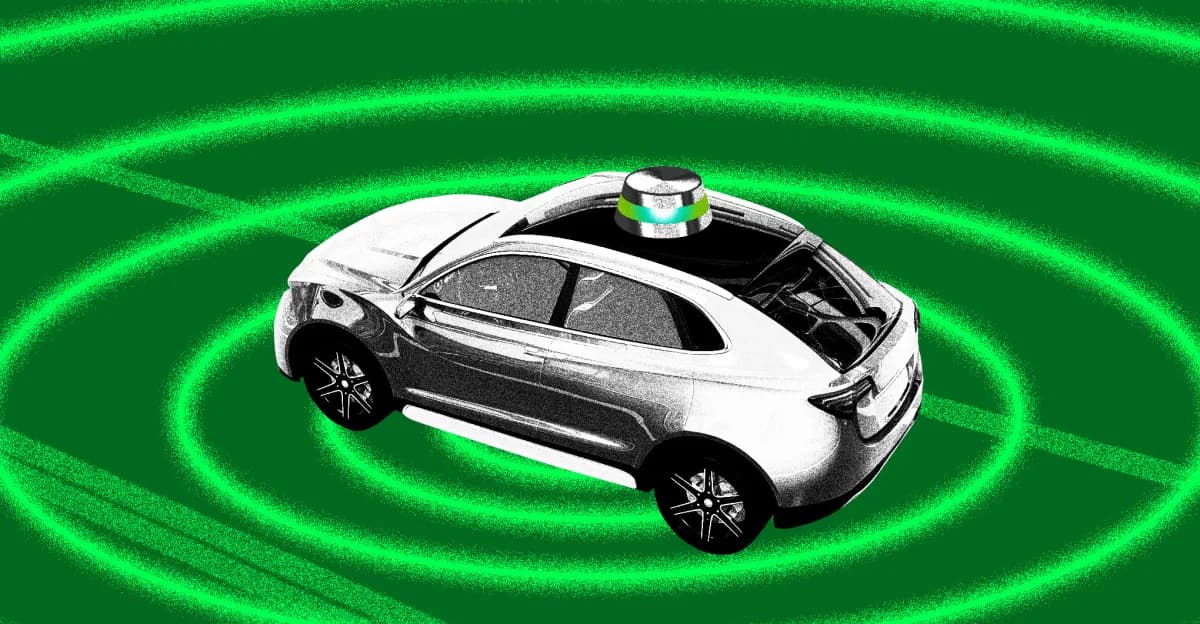
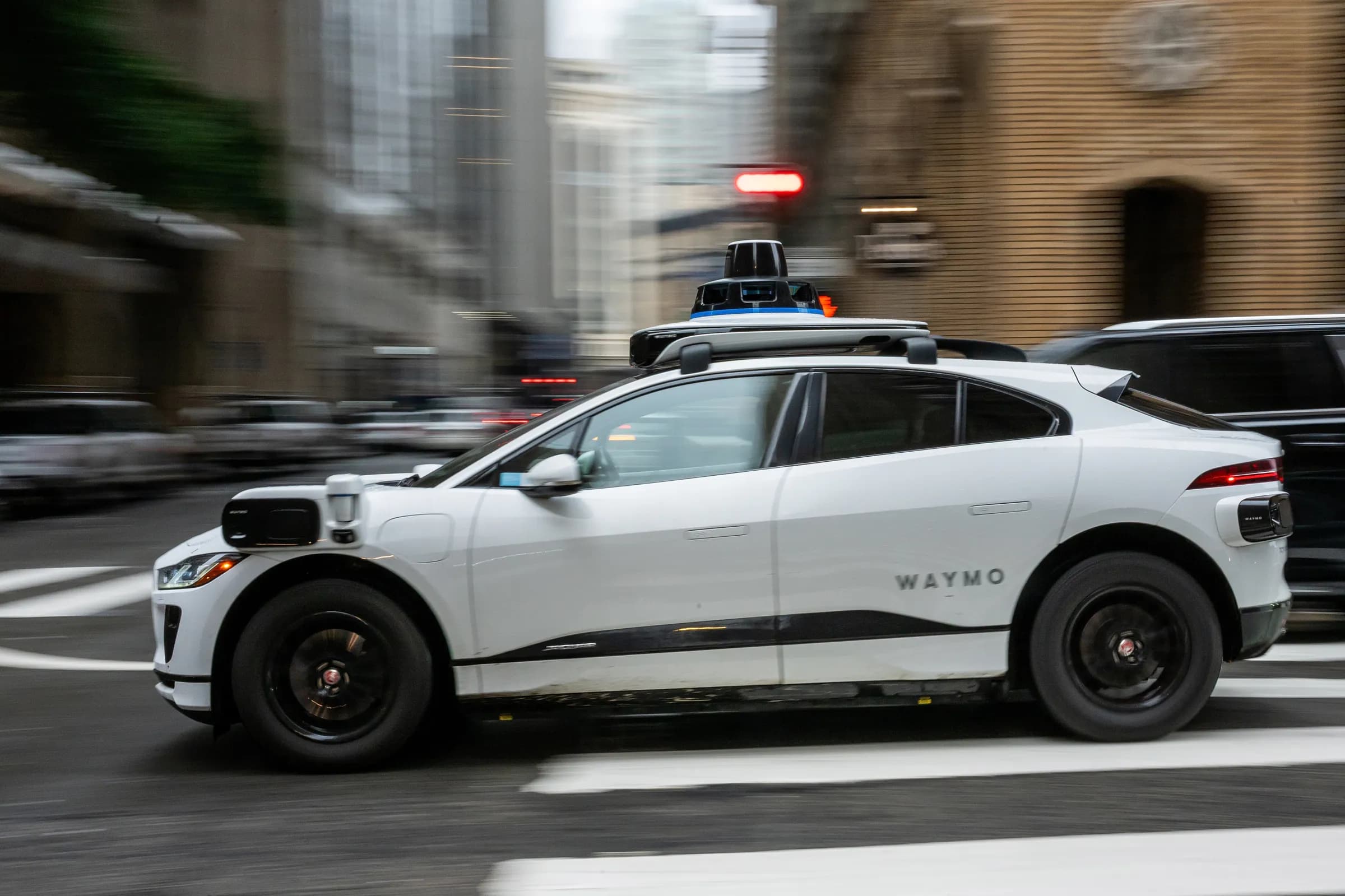
While most robotaxi firms keep their remote operations in the U.S., Waymo stands out — not just for how often it uses human help, but where that help comes from.
- Waymo is the only company using remote agents based overseas, with staff in the Philippines supporting U.S. operations
- A “substantial share” of these workers don’t hold American driver’s licenses — a fact that raised eyebrows in Congress
- Despite the distance, Waymo claims these agents undergo rigorous training and must hold valid Philippine driver’s licenses
Tesla’s Secretive Pilot
Tesla’s approach to remote driving is different — and just as opaque. While the company claims its cars are moving toward full autonomy, human intervention still plays a critical role.
- Tesla is the only company that openly allows remote operators to take direct control of vehicles, but details are scarce
- Its limited robotaxi pilot in Austin, Texas, still relies mostly on physical safety drivers in the car
- Unlike Waymo, Tesla hasn’t revealed how many times remote operators have had to step in during real-world rides
Safety Risks and Congressional Pushback
With real incidents already on record, lawmakers are demanding answers — and rules.
- One documented case involved a Waymo vehicle in Austin ignoring a school bus stop sign after receiving incorrect instructions from a remote agent
- Such errors highlight the risks of relying on human backups who may be hours behind in time zones or lack local driving knowledge
- Senator Markey argues that without clear regulations, public safety could be at risk as robotaxis expand
Why Transparency Matters
As self-driving technology inches toward mainstream use, the public has a right to know how much humans are still in the loop.
- Companies claim remote operators are just a safety net, but frequent interventions suggest the AI isn’t ready to go fully solo
- Without standardized reporting, it’s impossible to compare safety and performance across companies
- Experts say transparency isn’t just about trust — it’s about making sure regulations keep up with tech
The Road Ahead
The robotaxi dream of fully driverless cars isn’t here yet — and humans are still a critical part of the journey. But how long that remains true shouldn’t be a secret.
- Regulators may soon require public reporting of remote intervention rates, similar to how crash data is shared
- Investor interest remains high, with Waymo reportedly in talks to raise $15B at a near-$100B valuation
- As the industry grows, pressure will mount for clear, enforceable rules around remote operations
Final Thoughts
The promise of robotaxis is freedom from driving — but not if we’re blindly trusting systems we don’t understand.
- True autonomy means the car handles everything. If humans are stepping in often, that promise is still far off
- Transparency isn’t the enemy of innovation — it’s the foundation of public trust
- Until companies open up, we won’t know if we’re riding on the future or just a remote-controlled illusion
“The American public deserves to know how often robotaxis are truly driving themselves versus relying on remote human operators.”
— Senator Ed Markey, D-MA
“Remote assistants are a critical safety backstop that support our vehicles when needed.”
— Waymo Spokesperson
Final Thoughts
The robotaxi revolution is being driven — quietly — by humans behind screens, thousands of miles away. As these services expand, one thing is clear: the industry can’t keep hiding behind closed software doors. The path to true autonomy starts with honesty.
Sources & Credits
Originally reported by — Andrew J. Hawkins
Manaal Khan
Tech & Innovation Writer
Produced with AI assistance and reviewed by the Logicity editorial team. Learn more in our Editorial Policy.