NVIDIA RTX Spark Brings ARM to High-End PCs at Computex 2026

Key Takeaways
- RTX Spark delivers 1 petaflop of AI compute power with up to 128GB unified memory, enough to run 120 billion parameter AI models locally
- NVIDIA's ARM architecture breaks Qualcomm's monopoly on Windows ARM development, creating a potential Apple Silicon moment for PCs
- ASUS showed the first Wi-Fi 8 router with 30Gbps theoretical throughput, though the 802.11bn standard won't finalize until 2028
Computex Taipei usually flies under the radar for anyone outside the manufacturing supply chain. It's a B2B event, heavy on component announcements and light on flashy consumer reveals. This year broke that pattern. NVIDIA dropped what might be the most significant PC platform shift since Apple Silicon, and router makers started selling a Wi-Fi standard that won't even be finalized for two more years.
The star of the show was NVIDIA's RTX Spark, codenamed n1x. It's an ARM-based superchip that packs 1 petaflop of AI compute power and supports up to 128GB of unified memory. That's enough to run AI models with 120 billion parameters entirely on your local machine, no cloud required.
What RTX Spark Actually Is
NVIDIA positions RTX Spark as the foundation for "agentic AI PCs." In plain terms: computers that can run sophisticated AI assistants locally without shipping your data to remote servers. The company compares it to a professional RTX 5070 AI workstation, but aimed at a broader range of devices including consumer hardware.
The architecture matters more than the specs. RTX Spark uses ARM, not x86. Until now, Windows on ARM meant buying a Qualcomm chip. Qualcomm had a de facto monopoly on ARM desktop development, and the results were mixed. Apps ran through emulation layers. Performance lagged. Developers had little incentive to optimize for a small user base.
“The RTX Spark isn't just a CPU; it's the transition point where the PC stops being a passive tool and starts being an active, agentic partner in your workflow.”
— Jensen Huang, CEO of NVIDIA
NVIDIA entering the Windows ARM space changes the math. The company has deep relationships with software developers, a massive CUDA ecosystem, and the credibility to push Microsoft toward better ARM optimization. It's easy to draw comparisons to Apple's 2020 switch to Apple Silicon, which transformed Mac performance and battery life almost overnight.
The Jensen Huang Effect
NVIDIA's dominance at Computex wasn't just about products. CEO Jensen Huang's presence created scenes that bordered on religious fervor. His walks across the show floor drew crowds chanting his name. Attendees held up phones showing stock trading apps. He signed competitors' products with a Sharpie, to the delight of onlookers.
This matters beyond spectacle. NVIDIA's position in the AI boom gives it leverage that few companies can match. Taiwanese manufacturers depend on NVIDIA. Software developers want access to CUDA. When Jensen Huang shows up with a new platform, the ecosystem listens in ways it wouldn't for a smaller player.

Questions About the Launch
RTX Spark shares DNA with DGX Spark AI, a developer workstation NVIDIA released in 2025. That product currently sells for several thousand dollars and targets AI researchers, not regular consumers. Whether RTX Spark will follow the same prosumer path, or launch at consumer-friendly prices, remains unclear.
The Hacker News crowd is particularly interested in the 128GB unified memory. Engineers are debating whether this finally makes local LLM fine-tuning accessible to power users without data center hardware. The answer depends on pricing and software support, neither of which NVIDIA specified at Computex.
Related coverage on the agentic AI tools that platforms like RTX Spark are designed to run
Wi-Fi 8 Arrives Two Years Early
ASUS showed the ROG Rapture GT-BN98 Pro, billed as the first Wi-Fi 8 router. The specs are impressive: 30Gbps theoretical throughput, latency improvements targeted at competitive gaming, and promises of "deterministic" reliability that treats wireless connections like wired Ethernet.
“With Wi-Fi 8, we are moving beyond just 'faster.' We are entering an era of deterministic, ultra-high reliability that treats wireless as reliable as a wired ethernet connection.”
— Sammy Tsai, Lead Networking Architect at ASUS
There's a catch. The 802.11bn standard won't be finalized until 2028. What ASUS is selling is based on draft specifications that could change. Reddit's r/hardware community was quick to call this "marketing vaporware for early adopters." They have a point. Buying pre-standard networking hardware means accepting the risk that your expensive router won't fully comply with the final spec.
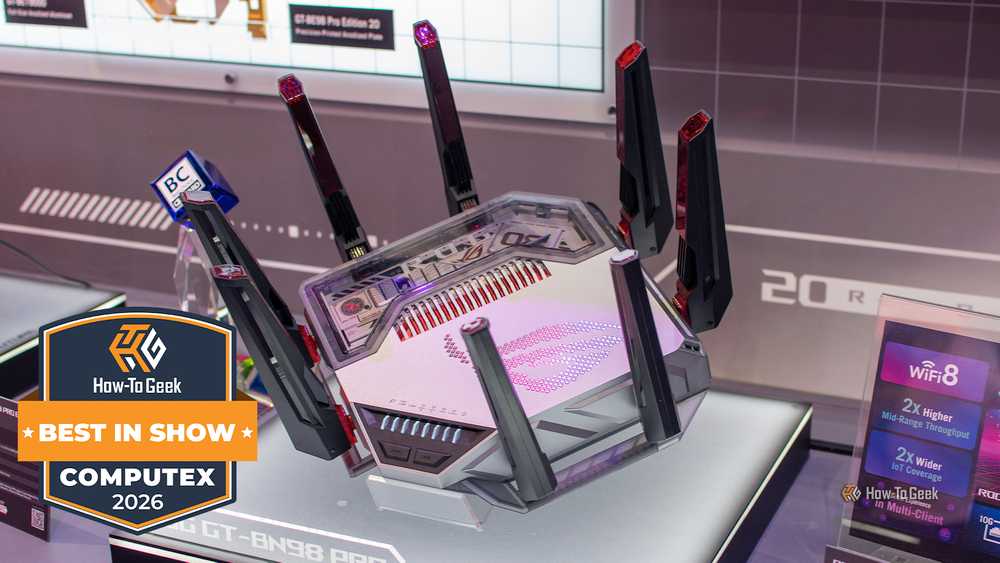
Still, ASUS isn't alone in rushing to market. Networking vendors see Wi-Fi 8 as a major selling point, and being first creates marketing advantages even if the technology isn't fully baked. For most buyers, waiting until 2028 makes more sense. For enthusiasts who want bragging rights and don't mind potential compatibility headaches, the GT-BN98 Pro exists.
Understanding Wi-Fi congestion before investing in next-gen router hardware
Intel and Dell Fill Out the Show
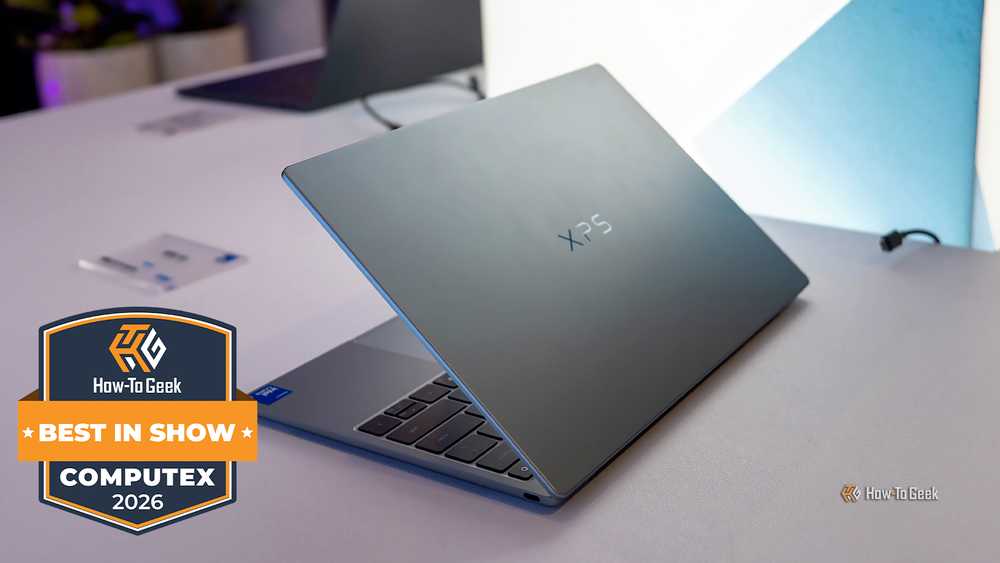
Intel showed the Arc Extreme mobile processor, continuing its push into discrete graphics for laptops. Dell brought an updated XPS 13, though details were thin. Neither announcement matched the impact of NVIDIA's ARM reveal, but both companies demonstrated they're still competing for the high-end PC market.
Microsoft also made news with a Windows 11 update that adds native access to Linux partition file systems through File Explorer. It's a small quality-of-life improvement for developers who dual-boot, and a signal that Microsoft continues to embrace Linux interoperability rather than fighting it.
What This Means Going Forward
Computex 2026 marks a turning point. The PC industry is moving toward specialized ARM silicon for high-end consumer hardware, not just phones and tablets. NVIDIA's entry into Windows on ARM creates real competition for Qualcomm and gives Microsoft a partner with enough clout to push the ecosystem forward.
The "agentic AI PC" buzzword will take time to prove itself. Running 120 billion parameter models locally sounds impressive, but the use cases for most buyers aren't clear yet. What is clear: the hardware to do it will exist, and NVIDIA is positioning itself at the center of that market.
Logicity's Take
NVIDIA breaking Qualcomm's ARM monopoly matters more than the AI specs. Windows on ARM has been a mediocre experience for years because one company controlled the hardware and had no real pressure to improve. Competition from NVIDIA could finally push ARM laptops past the "almost good enough" stage. The Wi-Fi 8 routers are a harder sell. Draft specifications and premium prices make them toys for enthusiasts, not practical upgrades.
Frequently Asked Questions
When will NVIDIA RTX Spark be available to consumers?
NVIDIA hasn't announced specific release dates or consumer pricing. The platform shares technology with the DGX Spark AI dev workstation, which targets professional users. Consumer availability may follow a prosumer rollout similar to Apple Silicon's early days.
Is Wi-Fi 8 ready to buy in 2026?
Wi-Fi 8 routers like the ASUS ROG Rapture GT-BN98 Pro are available, but they're based on draft 802.11bn specifications. The standard won't be finalized until 2028, meaning early hardware may not fully comply with the final spec.
How does RTX Spark compare to Apple Silicon?
Both are ARM-based platforms designed for high performance and efficiency. RTX Spark emphasizes AI compute, offering 1 petaflop of processing power and 128GB unified memory for local AI workloads. Apple Silicon focuses more broadly on general computing and creative applications.
What can you do with 120 billion parameter AI models locally?
Large local AI models can handle complex tasks like document analysis, code generation, and natural language processing without sending data to cloud servers. This matters for privacy-sensitive work and situations where internet access is limited or unreliable.
Will RTX Spark work with existing Windows software?
RTX Spark runs Windows on ARM, which can emulate x86 applications. Performance varies by app. Native ARM applications run best, while emulated software may see slowdowns. The ecosystem is improving as more developers release ARM-native versions.
Need Help Implementing This?
Planning infrastructure upgrades around ARM computing or next-gen networking? Logicity covers the technical shifts that affect enterprise decisions. Reach out to discuss how these developments fit your roadmap.
Source: How-To Geek
Huma Shazia
Senior AI & Tech Writer
اقرأ أيضاً

رأي مغاير: كيف يؤثر اختراق الأمن الداخلي الأميركي على شركاتنا الخاصة؟
في ظل اختراق عقود الأمن الداخلي الأميركي مع شركات خاصة، نناقش تأثير هذا الاختراق على مستقبل الأمن السيبراني. نستعرض الإحصاءات الموثوقة ونناقش كيف يمكن للشركات الخاصة أن تتعامل مع هذا التهديد. استمتع بقراءة هذا التحليل العميق

الإنسان في زمن ما بعد الوجود البشري: نحو نظام للتعايش بين الإنسان والروبوت - Centre for Arab Unity Studies
في هذا المقال، سنناقش كيف يمكن للبشر والروبوتات التعايش في نظام متكامل. سنستعرض التحديات والحلول المحتملة التي تضعها شركات مثل جوجل وأمازون. كما سنلقي نظرة على التوقعات المستقبلية وفقًا لتقرير ماكنزي

إطلاق ناسا لمهمة مأهولة إلى القمر: خطوة تاريخية نحو استكشاف الفضاء
تعتبر المهمة الجديدة خطوة هامة نحو استكشاف الفضاء وتطوير التكنولوجيا. سوف تشمل المهمة إرسال رواد فضاء إلى سطح القمر لconducting تجارب علمية. ستسهم هذه المهمة في تطوير فهمنا للفضاء وتحسين التكنولوجيا المستخدمة في استكشاف الفضاء.