Mazda CX-90 vs Luxury SUVs: Premium Features at Lower Cost
Key Takeaways
- Mazda CX-90 delivers comparable luxury features at $20,000-30,000 less than German competitors
- Rear-biased AWD and premium interior materials match luxury segment expectations
- Lower total cost of ownership makes it attractive for executive fleet considerations
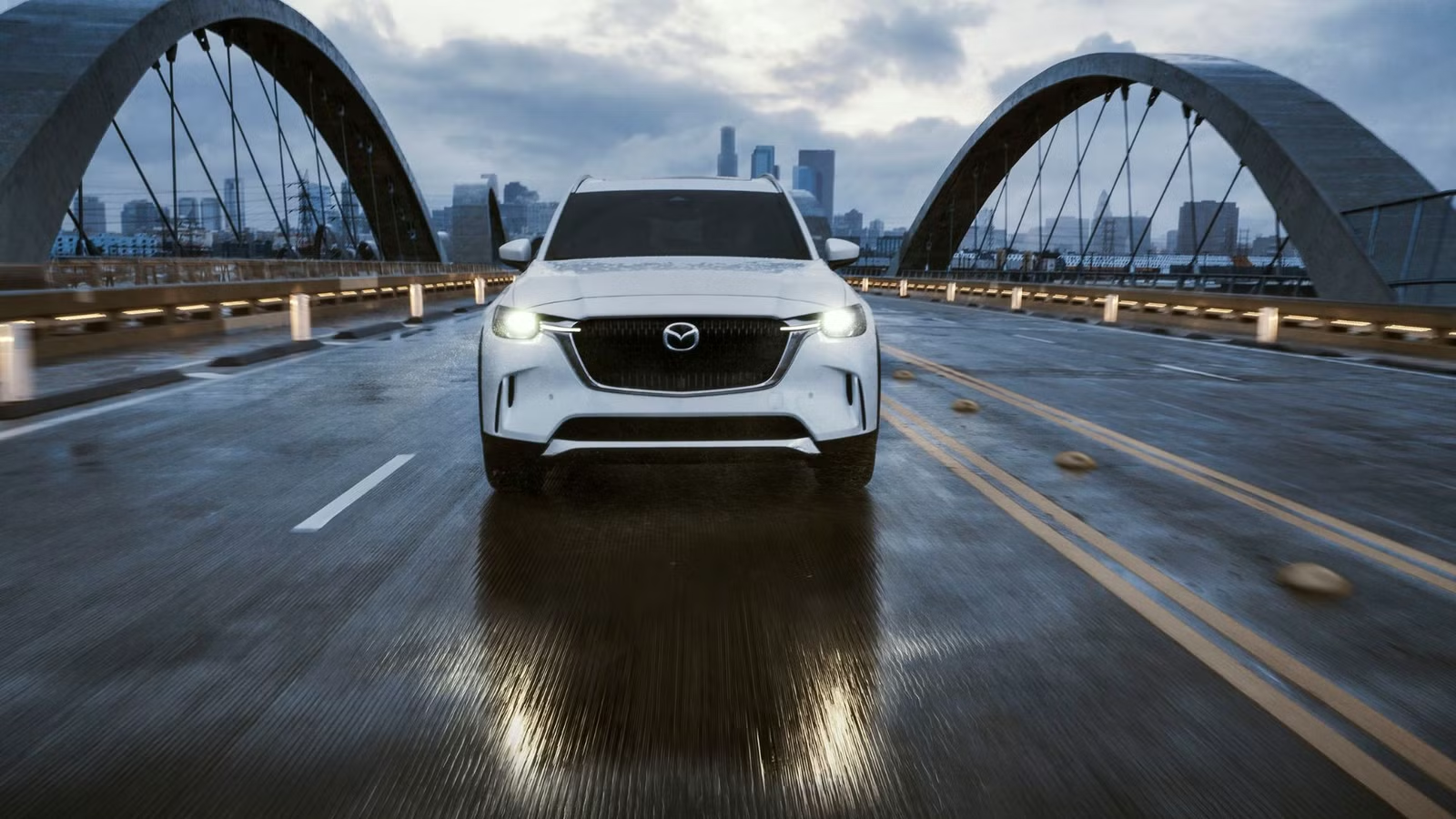
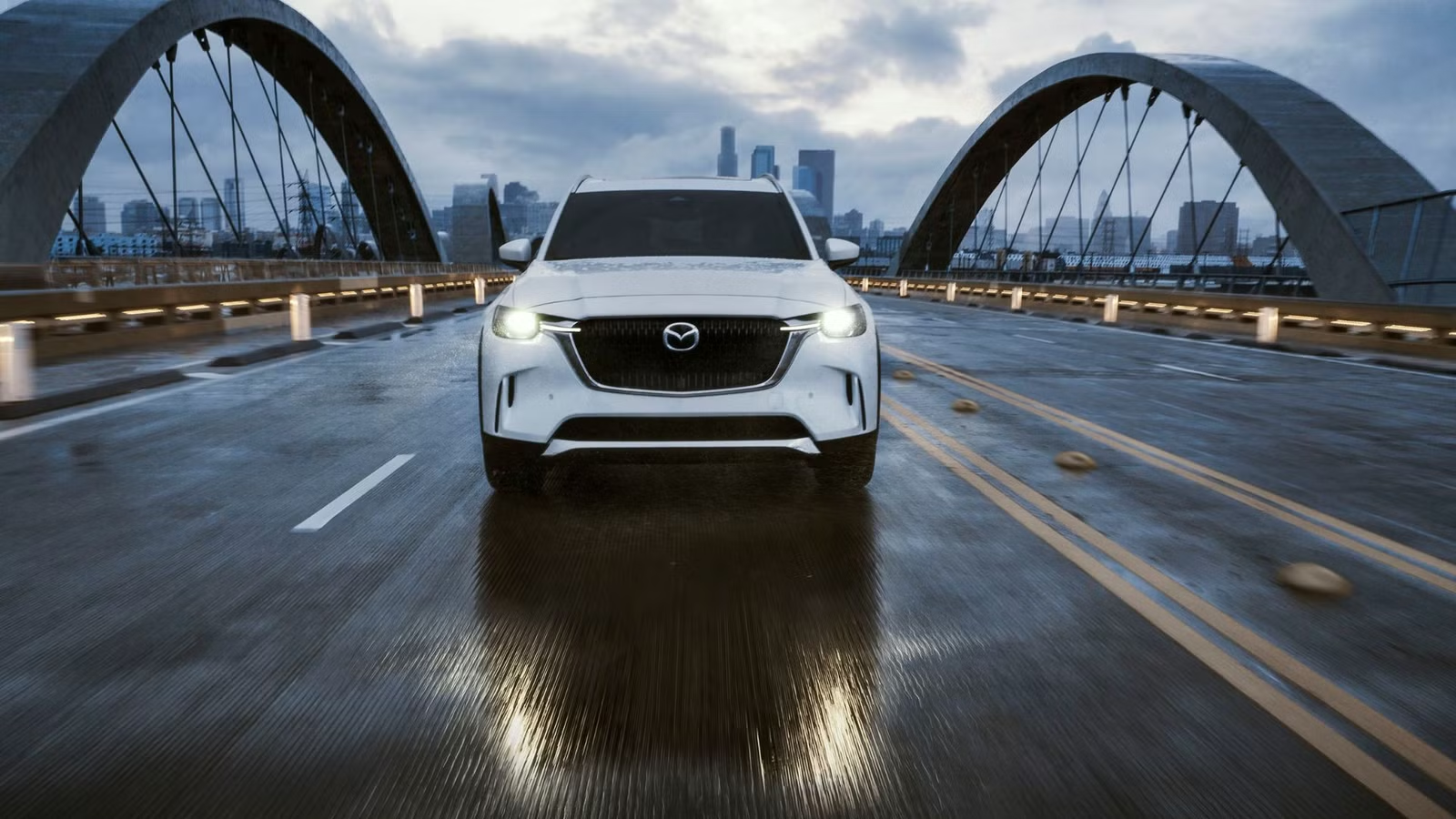
According to [How-To Geek](https://www.howtogeek.com/mazda-cx-90-features-rival-luxury-suvs/), the Mazda CX-90 has quietly become a more affordable pathway into the large, luxury-style SUV segment, packed with high-end features typically found in much pricier vehicles from established luxury brands.
Read in Short
The Mazda CX-90 offers 80% of what BMW X7 and Mercedes GLS buyers get for 60% of the price. For executives who want a premium driving experience without the premium badge tax, this is the smartest money move in the three-row SUV market right now.
Why Should Business Leaders Care About the Mazda CX-90?
Here's the uncomfortable truth most automotive journalists won't tell you: the luxury SUV segment runs on brand psychology, not engineering superiority. When your CFO asks why the company fleet includes $90,000 German SUVs instead of $55,000 alternatives with comparable features, what's your answer?
The Mazda CX-90 represents a shift that matters for anyone managing budgets. Whether you're evaluating personal vehicle purchases, considering executive transportation options, or simply trying to understand where value actually exists in premium automotive segments, this vehicle forces an interesting conversation.
Mazda CX-90 Features That Match Luxury Competitors
Most buyers default to BMW, Mercedes, and Audi in the three-row luxury segment. But Mazda has spent years rebuilding its brand positioning, and the CX-90 sits at the top of that effort. The question isn't whether it's a good vehicle. It's whether the features justify the price delta with established luxury players.
Rear-Biased AWD: The Engineering Advantage
Most three-row SUVs run on front-wheel-drive platforms that only send power to the rear when traction slips. The CX-90 uses a longitudinal engine layout, shifting weight distribution and delivering a more balanced, responsive driving experience. For anyone who actually enjoys driving rather than just commuting, this matters.
Mazda's i-Activ AWD system sends more power rearward than competitors expect, reducing torque steer and improving handling dynamics. Translation for business leaders: your vehicle feels more composed during that client pickup or the morning commute through challenging conditions.
Interior Quality That Impresses Clients
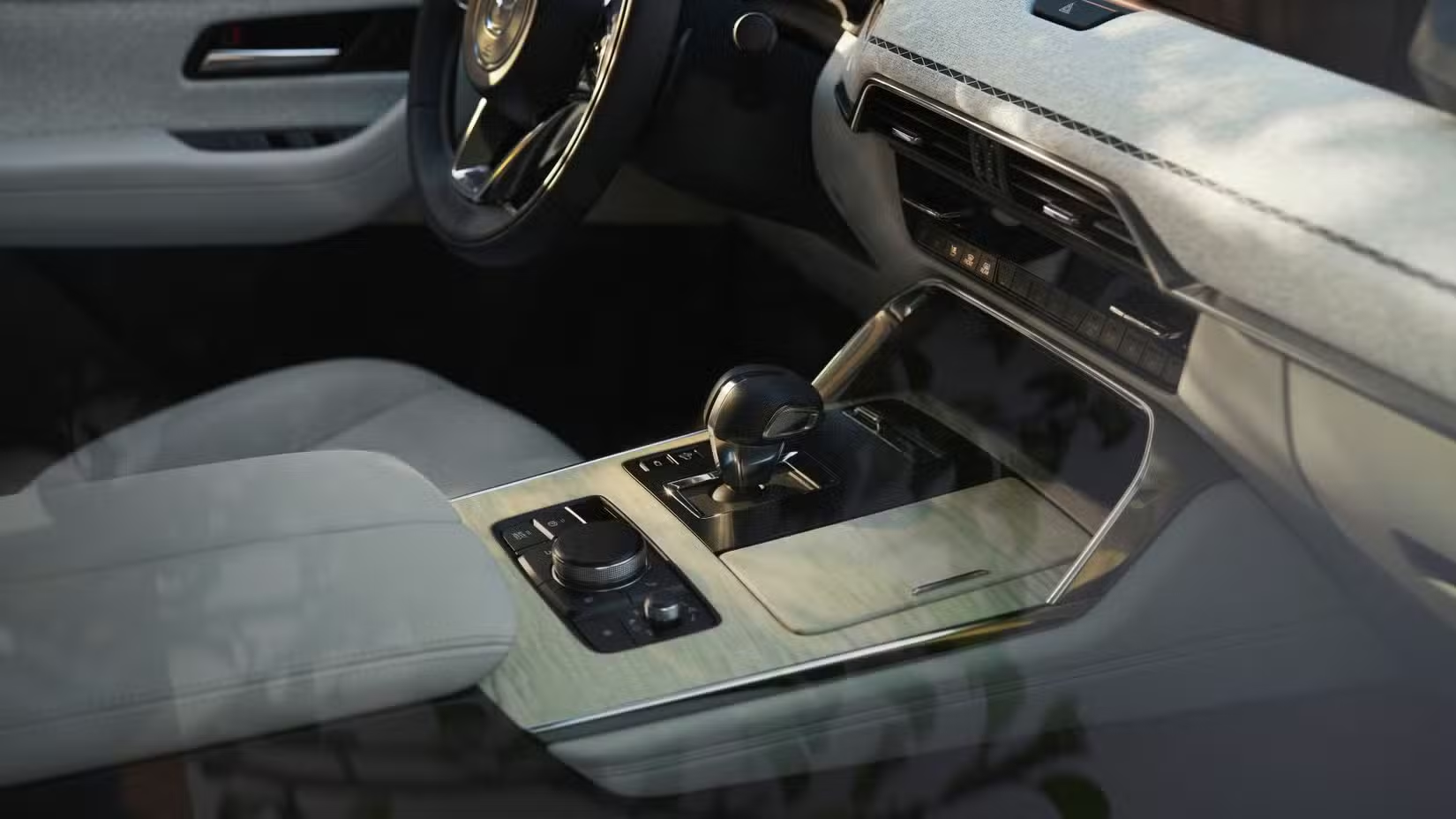
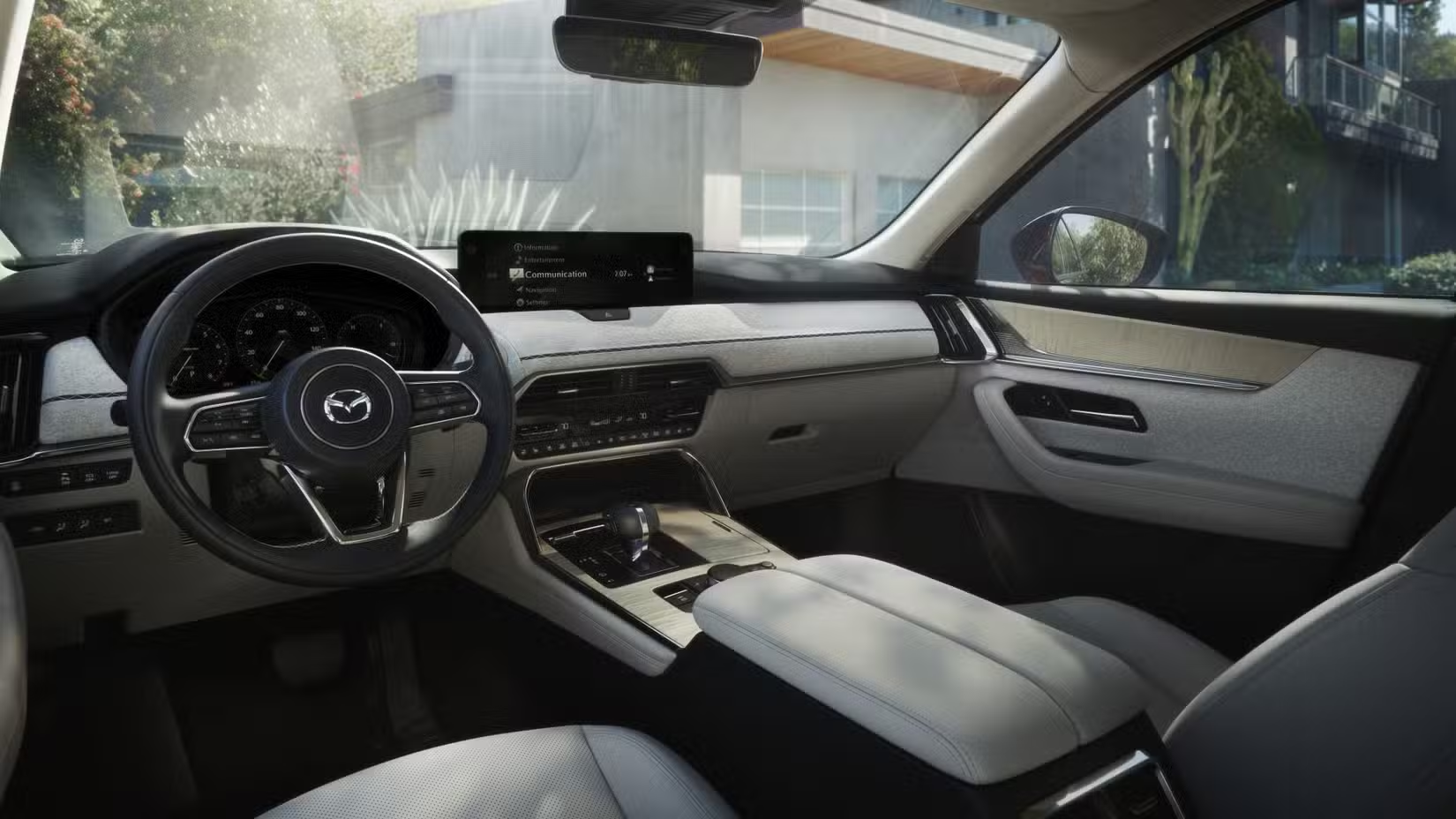
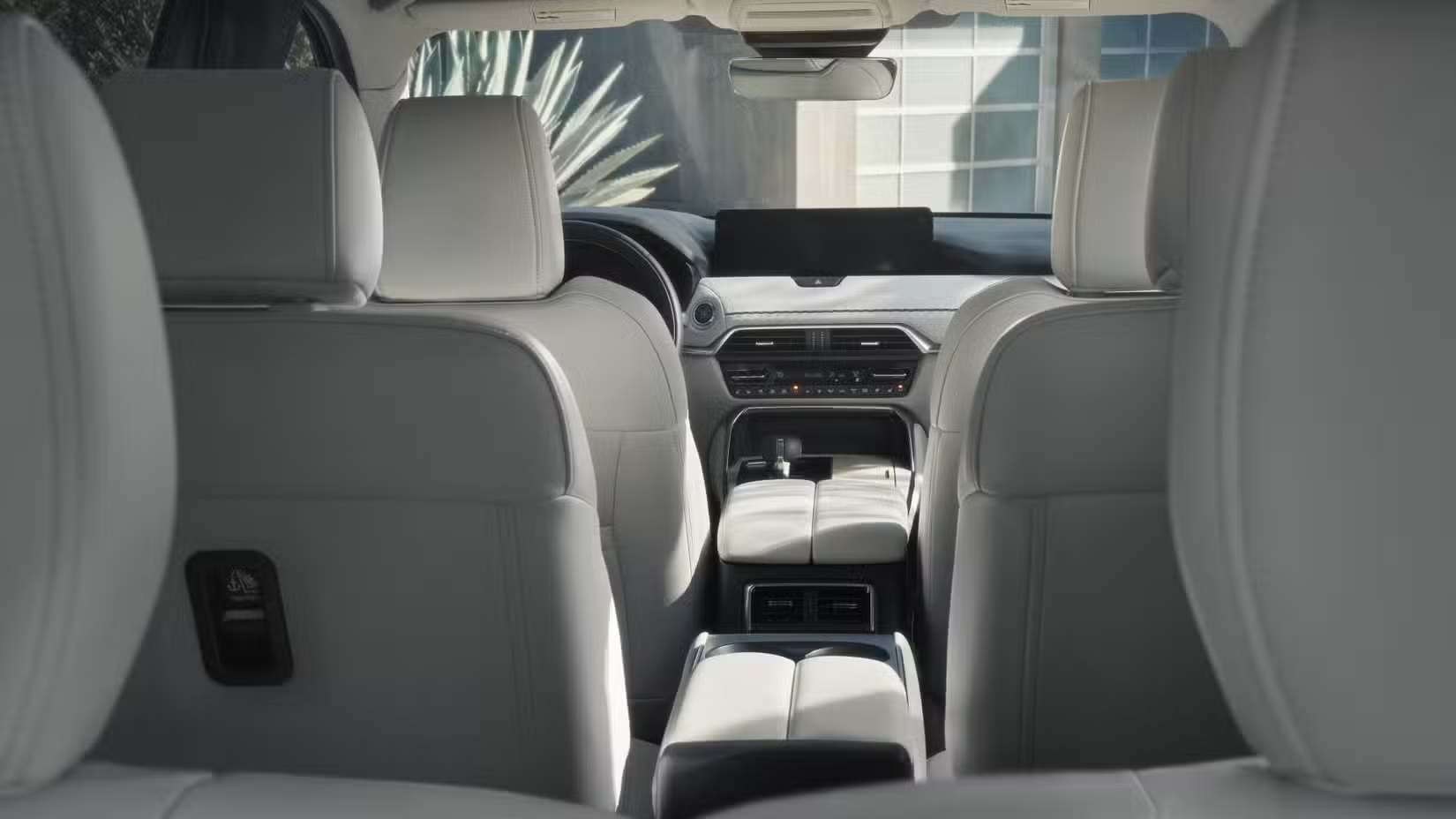
The interior materials and build quality reach levels that genuinely compete with vehicles costing $20,000 more. Real wood trim, premium leather, and attention to tactile details create an environment that won't embarrass you when picking up investors or key clients.
This isn't about vanity metrics. First impressions influence business relationships. If your vehicle interior communicates success and good judgment without screaming excess, that's a strategic advantage. The CX-90 threads this needle effectively.
How Much Does Mazda CX-90 Cost vs BMW and Mercedes?
| Vehicle | Starting Price | Comparable Trim | 5-Year TCO Estimate |
|---|---|---|---|
| Mazda CX-90 Turbo S Premium Plus | $52,950 | Fully loaded | $72,000 |
| BMW X7 xDrive40i | $79,900 | Base luxury | $105,000 |
| Mercedes GLS 450 | $83,250 | Base luxury | $112,000 |
| Audi Q7 Premium Plus | $68,500 | Mid-tier | $92,000 |
The numbers tell a compelling story. A fully-loaded CX-90 costs less than base-trim German competitors. When you factor in lower insurance premiums, reduced maintenance costs, and better depreciation curves, the five-year total cost of ownership gap widens further.
Is the Mazda CX-90 Worth It for Executives?
This depends entirely on your relationship with automotive branding. If German badges unlock doors in your industry or signal status that matters for deal-making, the premium might justify itself. But for most business contexts, the CX-90 demonstrates smart resource allocation rather than conspicuous consumption.
✅ Pros
- • 30-40% lower purchase price than German competitors
- • Comparable interior quality and technology features
- • Superior driving dynamics for the segment
- • Lower maintenance and insurance costs
- • Strong residual value projections
❌ Cons
- • Brand recognition doesn't match luxury marques
- • Dealer network less established for premium service
- • Resale market perception still developing
- • Some advanced features require top-trim pricing
For startup founders and growth-stage executives, the value proposition is clear. Redirect that $25,000 savings toward hiring, marketing, or extending your runway. For established executives in industries where automotive signaling matters less, the CX-90 represents excellent judgment.
Smart resource allocation extends beyond vehicles. Automation delivers similar value-to-cost advantages.
Fleet Considerations for Business Owners
If you're managing multiple vehicles for your business, the CX-90 math becomes even more compelling. Three CX-90s cost roughly the same as two comparably-equipped BMW X7s. That's not just budget efficiency. That's strategic flexibility.
Consider maintenance scheduling, parts availability, and service network accessibility. Mazda's dealer network has improved significantly, though it still trails German luxury brands in major metros. For distributed teams or companies outside tier-one cities, this factor deserves weight in your decision.
Technology Features Business Leaders Actually Use
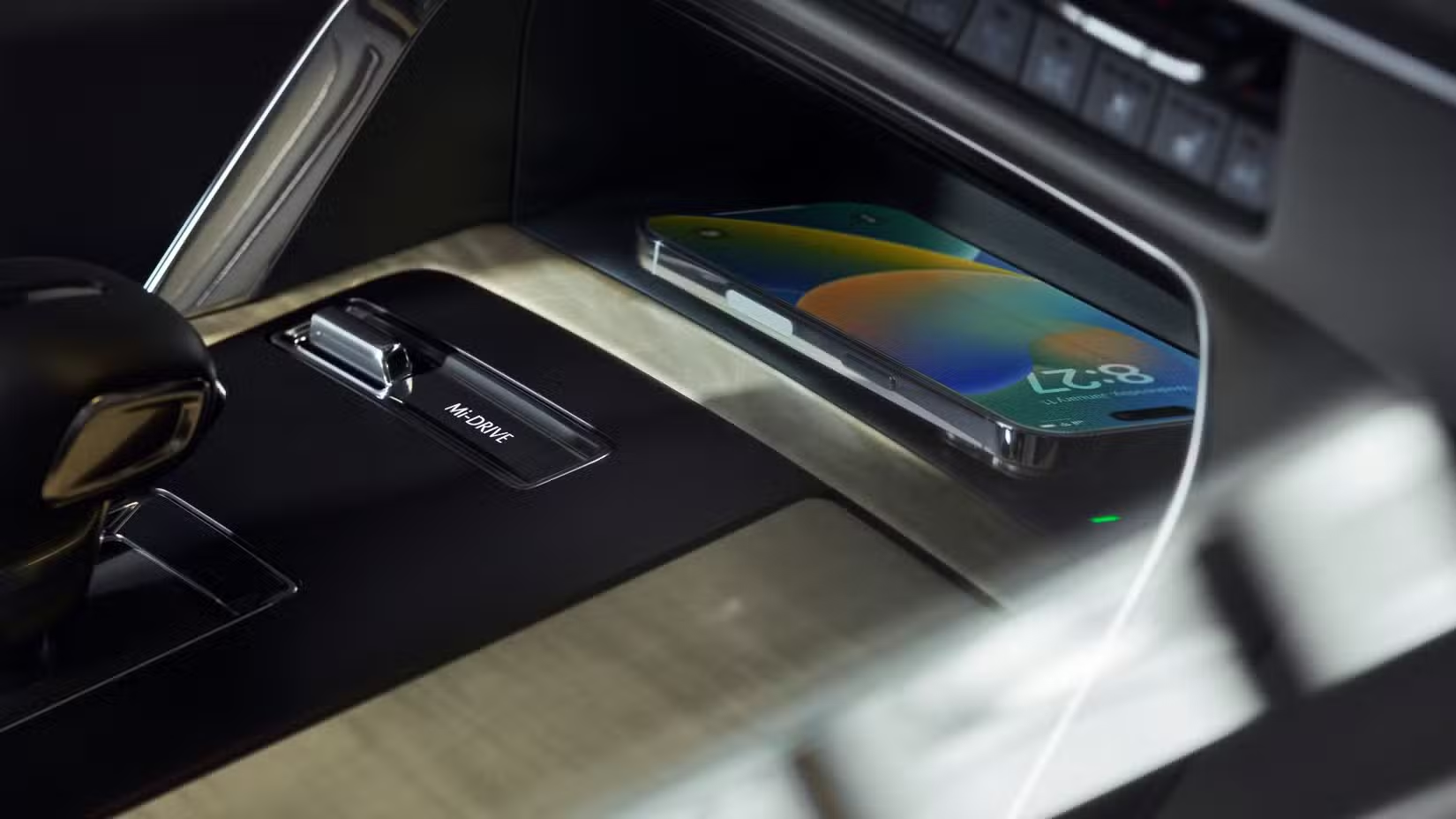
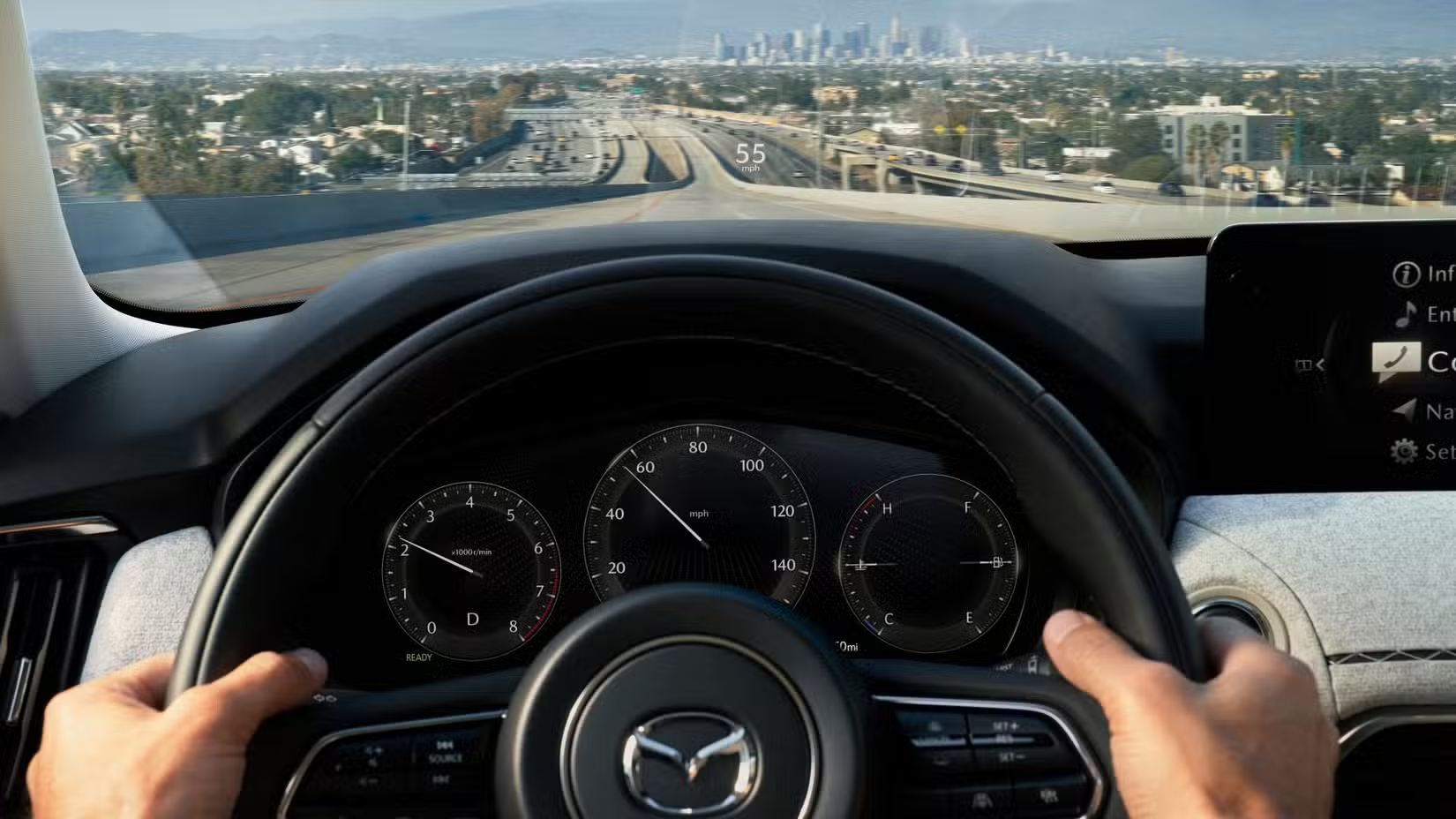
The CX-90 includes wireless Apple CarPlay and Android Auto, a 12.3-inch infotainment display, heads-up display, and comprehensive driver assistance features. These aren't differentiators anymore. They're table stakes. What matters is execution quality.
Mazda's interface philosophy prioritizes driving focus over feature bloat. The rotary controller provides quick access without hunting through touchscreen menus. For executives who spend significant time behind the wheel, this thoughtful approach reduces cognitive load and improves the daily experience.
Understanding where technology delivers genuine value versus marketing hype applies across categories.
The Brand Perception Challenge
Here's where honesty matters. Mazda doesn't carry the same prestige weight as BMW, Mercedes, or Audi. In certain industries and contexts, that matters. Investment banking, luxury real estate, and C-suite roles at Fortune 500 companies often come with implicit expectations around automotive choices.
But industry norms are shifting. Younger executives, tech leaders, and anyone building a reputation on substance over signaling may find the CX-90 aligns better with their personal brand. The vehicle you drive communicates values. Premium without excess says something different than obvious luxury.
What About Resale Value and Depreciation?
Mazda's depreciation curves have improved significantly over the past decade. The CX-90's positioning as a premium product should help maintain stronger residual values than previous Mazda three-row offerings. Early market data suggests 55-60% value retention after three years, competitive with the segment.
German luxury vehicles often depreciate faster in absolute dollar terms, even if percentage retention appears similar. A $90,000 BMW losing 45% of its value represents a larger wealth transfer than a $55,000 Mazda losing 42%. Context matters.
Making the Decision: A Framework
Executive Decision Framework
Consider the CX-90 if: Your industry doesn't require luxury badge signaling, you prioritize value efficiency, you enjoy driving dynamics, or you're redirecting savings toward business growth. Consider German alternatives if: Client-facing roles require specific status markers, dealer service network proximity matters, or resale liquidity in luxury markets affects your decision.
This isn't about finding the objectively best vehicle. It's about aligning your automotive choice with your priorities, context, and resource allocation strategy. The CX-90 makes the luxury segment more accessible without requiring compromise on daily experience quality.
Smart leisure choices follow similar value-optimization principles as vehicle decisions.
Frequently Asked Questions
Frequently Asked Questions
How much can I save choosing Mazda CX-90 over BMW X7?
Expect $20,000-$30,000 in purchase price savings for comparable configurations. Factor in lower insurance, maintenance, and better fuel economy, and five-year total cost of ownership savings reach $30,000-$40,000.
Is the Mazda CX-90 reliable for business use?
Mazda consistently ranks among the top three most reliable automotive brands in Consumer Reports and J.D. Power studies. The CX-90 shares proven powertrains and benefits from Mazda's engineering reputation.
Will clients notice I'm not driving a luxury brand?
The CX-90's design language and interior quality genuinely compete with luxury alternatives. Most passengers won't register the badge difference. Those who do may respect the value-conscious choice.
How does CX-90 depreciation compare to luxury competitors?
Early data suggests 55-60% three-year value retention, competitive with segment averages. In absolute dollars, you lose less because you paid less initially.
Is the Mazda dealer network adequate for executives?
In major metros, yes. In smaller markets, service accessibility may require more planning. Mazda's premium service initiative is expanding, but German brands maintain broader luxury-focused networks.
Logicity's Take
At Logicity, we spend our days building AI agents and automation systems for businesses across India and the Middle East. We don't claim automotive expertise. But we do understand value engineering and smart resource allocation. The Mazda CX-90 story resonates with a pattern we see constantly in technology decisions. Businesses pay premium prices for brand recognition when comparable alternatives exist at lower cost points. Whether you're choosing between enterprise software and open-source solutions, or between German luxury and Japanese precision, the question remains the same: what are you actually paying for? For Indian tech companies and startups especially, the calculus matters. That $25,000 saved on a vehicle funds three months of developer salary or a significant marketing push. The CX-90 represents the same thinking we apply when recommending n8n over enterprise automation platforms, or Sanity CMS over more expensive alternatives. Capability matters more than badges. We've built successful products for clients who prioritize substance over signaling. That same philosophy extends to personal and business asset decisions.
Need Help Implementing This?
While we don't sell cars, Logicity helps business leaders apply value-engineering thinking to their technology stack. From AI automation to web development, we specialize in delivering premium results without premium pricing. Contact us to discuss how smart resource allocation can accelerate your business growth.
Source: How-To Geek
Huma Shazia
Senior AI & Tech Writer
مقالات ذات صلة
تصفح الكل
5 إعدادات في متصفحك تسرّب بياناتك حتى مع تفعيل VPN
ماذا لو أخبرتك أن متصفحك المفضل يسلّم عنوان IP الحقيقي وموقعك الفعلي وعادات تصفحك لأي موقع يطلبها، حتى مع تفعيل VPN؟ هذا بالضبط ما يحدث لملايين المستخدمين يومياً، ومنهم من يكتشف ذلك بالصدفة عند إجراء
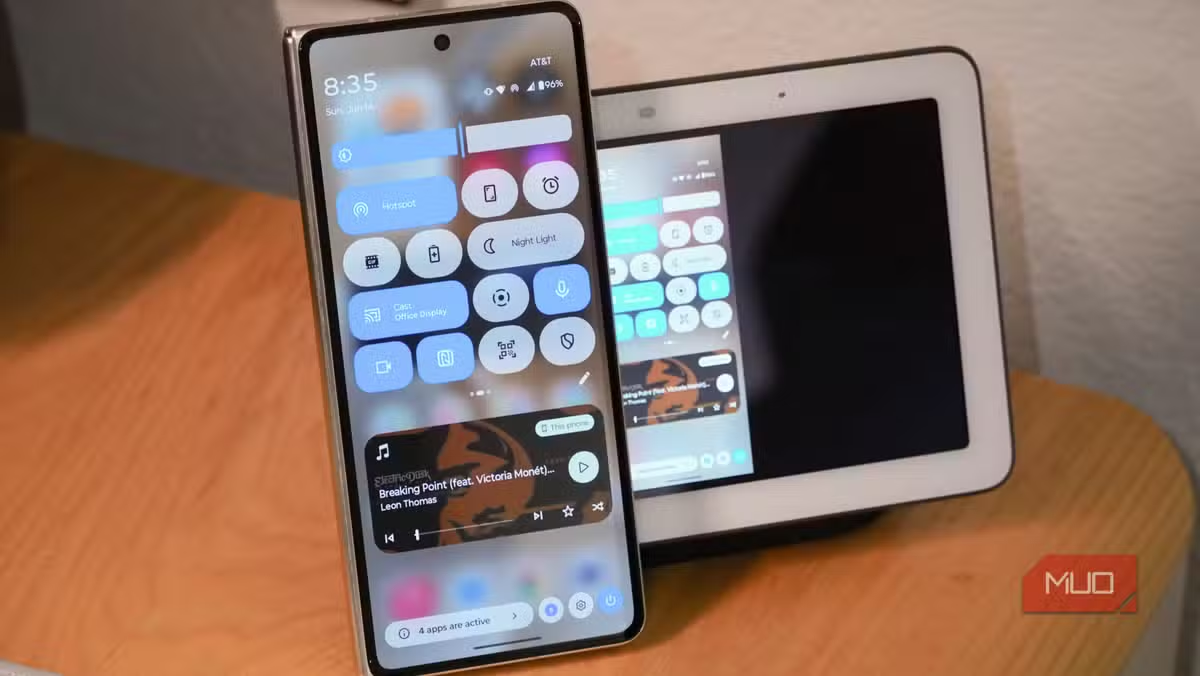
كيف تعرض شاشة هاتف Android على التلفزيون مجاناً باستخدام Google Cast
هل تبحث عن طريقة لعرض شاشة هاتف Android على التلفزيون دون دفع أموال لتطبيقات مليئة بالإعلانات أو شراء كابلات HDMI؟ الحل موجود فعلياً داخل هاتفك: ميزة Google Cast المدمجة في نظام Android 16 تتيح لك بث
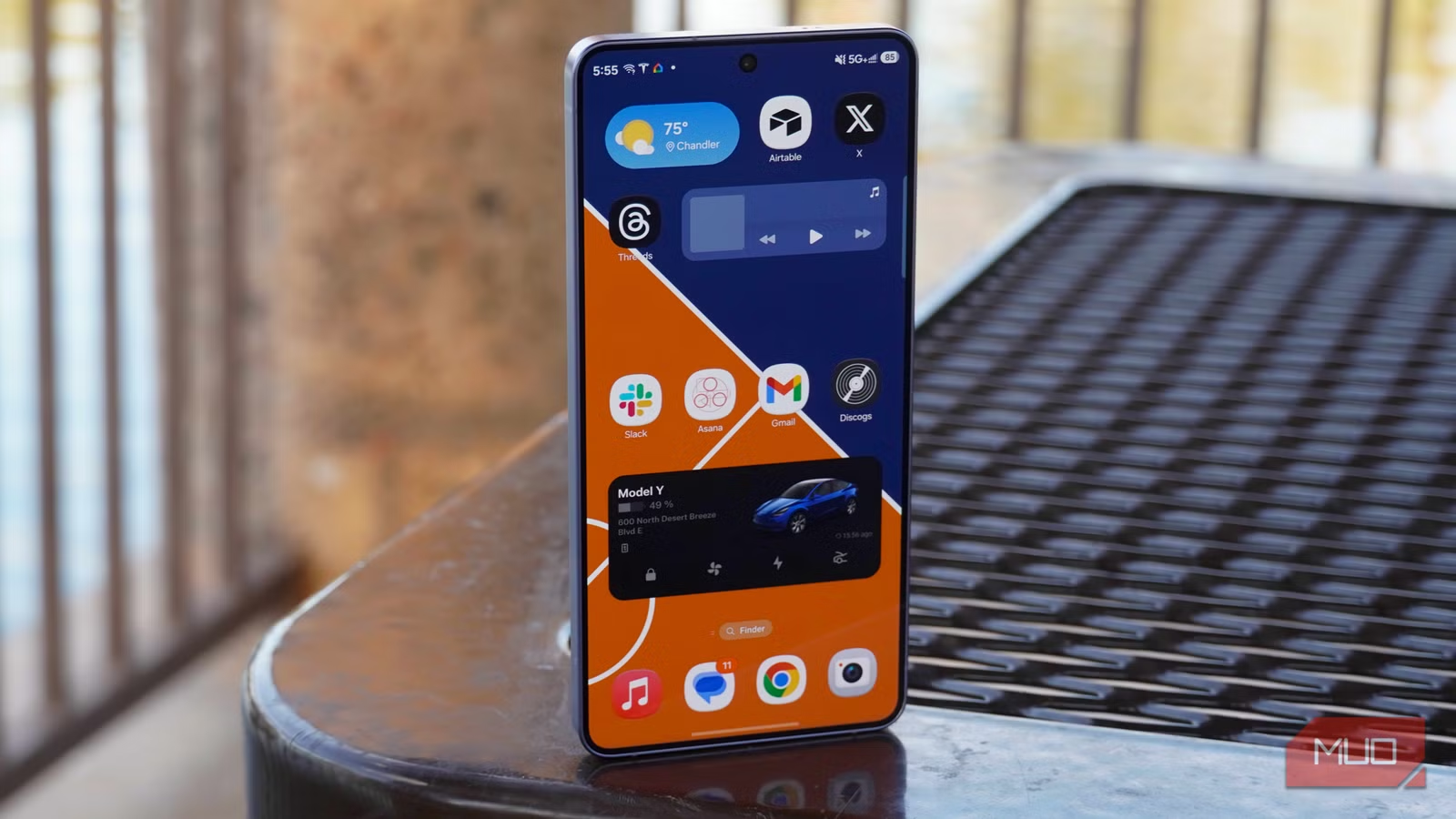
4 تطبيقات سامسونج تستحق البقاء على هاتفك Galaxy
يأتي هاتف Galaxy الجديد محملاً بأكثر من 50 تطبيقاً مُثبتاً مسبقاً، وليست جميعها ضرورية. لكن وسط هذا الكم من التطبيقات، تبرز أربعة تطبيقات سامسونج تستحق فعلاً أن تبقى على جهازك — بل قد تفضّلها على بدائ
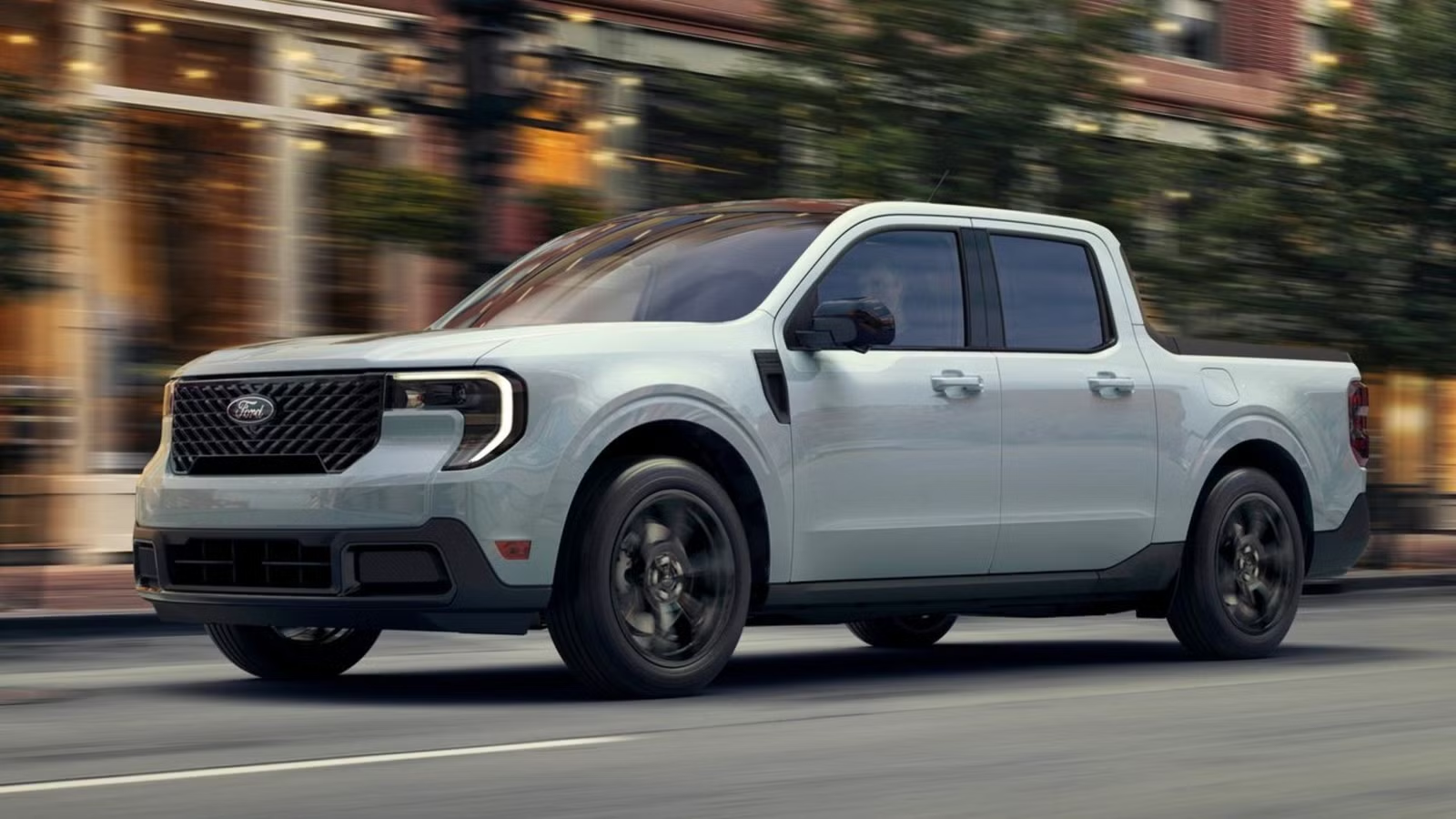
استدعاءات يونيو 2026 للسيارات: Ford وHonda وToyota تسحب ملايين المركبات من الأسواق
سجّلت الهيئة الوطنية الأمريكية لسلامة المرور على الطرق السريعة NHTSA أكثر من 300 استدعاء للسلامة شملت أكثر من 100 شركة مصنّعة منذ بداية عام 2026، لكن استدعاءات يونيو 2026 للسيارات جاءت الأضخم والأخطر.
اقرأ أيضاً
MacBook Air M3 بسعر 799 دولاراً: صفقة Prime Day تتفوق على حاسوب Apple الاقتصادي الجديد
انخفض سعر MacBook Air M3 إلى 799 دولاراً ضمن تخفيضات Prime Day المبكرة على Amazon، في تطور لافت يجعل هذا الحاسوب المحمول أرخص بـ200 دولار من MacBook Neo الذي أطلقته Apple مؤخراً كخيارها الاقتصادي الجد

أمازون تلغي فيلماً عن OpenAI بعد صفقة بـ50 مليار دولار مع سام ألتمان
أوقفت Amazon MGM Studios إنتاج فيلم Artificial للمخرج الإيطالي لوكا غوادانينيو، الذي يتناول الإقالة المفاجئة لسام ألتمان من OpenAI في نوفمبر 2023، وذلك بعد أشهر قليلة من إعلان أمازون شراكة استثمارية ض
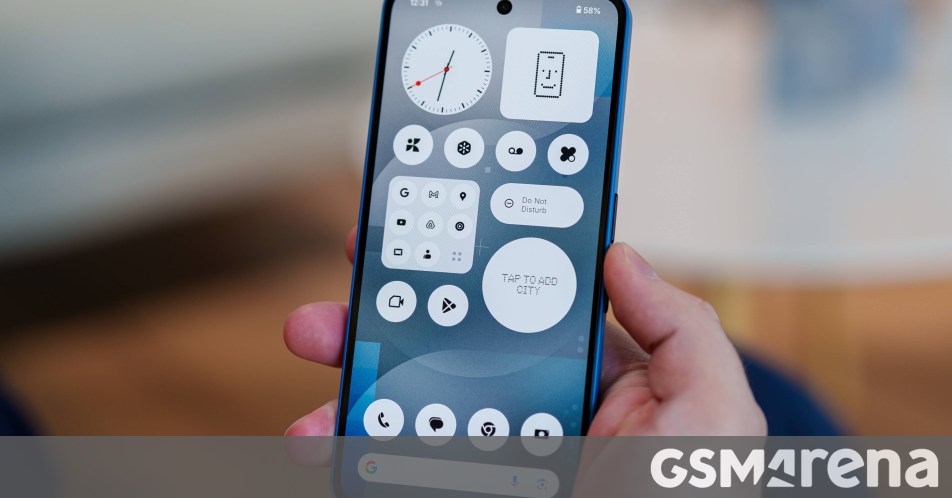
Nothing تلمّح إلى جهاز غامض بعد نفي إطلاق هاتف CMF جديد هذا العام
بعد ساعات قليلة من نفي الشريك المؤسس أكيس إيفانجيليديس إطلاق هاتف CMF جديد هذا العام، فاجأت Nothing متابعيها بتشويق غامض على منصة X يوحي بقدوم جهاز جديد قريباً. التوقيت المدروس أشعل موجة تكهنات حول ها