Jabil raises 2026 profit outlook on AI data center surge

Key Takeaways
- Jabil raised its fiscal 2026 adjusted profit forecast from $12.25 to $12.70 per share
- Annual revenue forecast increased to $35 billion from $34 billion, driven by AI infrastructure spending
- Q3 revenue rose 11.8% to $8.75 billion, beating Wall Street estimates by $150 million
Jabil raised its fiscal 2026 profit forecast on Wednesday, lifting adjusted earnings per share guidance from $12.25 to $12.70. The Florida-based electronics manufacturer credited surging AI data center demand for the upward revision, joining a growing list of infrastructure suppliers riding the generative AI wave.
The company also bumped its annual revenue forecast to $35 billion, up from $34 billion. Both figures now sit above Wall Street consensus, which had pegged revenue at $34.2 billion and adjusted profit at $12.40 per share.
“AI infrastructure demand remains extremely strong, providing us with a solid foundation for growth.”
— Mike Dastoor, CEO of Jabil
What drove the Q3 beat?
Third-quarter results came in ahead of expectations across the board. Revenue rose 11.8% to $8.75 billion, topping the $8.6 billion analysts had forecast. Adjusted earnings hit $3.16 per share versus the expected $3.10.
Jabil makes electronic components for a range of clients, including Apple, but the real story this quarter sits in its industrial segments. CEO Dastoor noted that automotive and connected living divisions, which had been under pressure earlier in the year, posted better-than-expected performance. That diversification matters. It suggests the company is not solely dependent on hyperscaler capital expenditure cycles.
Why AI data centers keep benefiting suppliers
The math is straightforward. Training large language models requires enormous compute clusters. Those clusters need networking hardware, power distribution systems, cooling infrastructure, and specialized electronic components. Companies like Jabil sit upstream in that supply chain, manufacturing the building blocks that hyperscalers like Microsoft, Google, and Amazon assemble into data centers.
This dynamic has decoupled Jabil's growth trajectory from traditional consumer electronics cycles. When smartphone sales plateau, data center orders can offset the drag. That shift represents a structural change in how the company generates revenue, not just a one-quarter anomaly.
Shares rose 1% in premarket trading following the announcement. The modest move suggests investors had already priced in some upside, but the raised guidance confirms the AI infrastructure thesis is playing out as expected.
The hyperscaler dependency question
Investor discussions on finance forums reflect cautious optimism. The bull case is clear: AI infrastructure spending shows no signs of slowing, and Jabil is positioned to capture a meaningful share of that spending. The bear case centers on concentration risk. If Microsoft, Google, or Amazon pull back on data center capex, Jabil's margins could compress quickly.
That concern is not hypothetical. Hyperscaler capex tends to move in cycles. The current cycle favors infrastructure suppliers, but these companies have historically throttled spending when utilization rates drop or when economic conditions tighten. Jabil's ability to maintain these margins depends on sustained demand from a relatively small number of very large customers.
What this signals for the broader market
Jabil's results add another data point to the emerging picture of AI infrastructure spending in 2026. Companies that supply the physical layer of AI, the chips, the networking gear, the components, continue to outperform. The software layer is more competitive and margin-compressed. The infrastructure layer is printing money.
For founders and investors watching the AI stack, the implication is clear. The picks-and-shovels play is not just a cliché. It is showing up in earnings reports. Jabil is not building AI models. It is building the components that make AI models possible. That difference is worth $35 billion in annual revenue.
Context on how AI hardware demand is reshaping tech industry dynamics
Logicity's Take
Jabil's raised guidance tells us something beyond one company's quarterly success. It confirms that AI infrastructure spending has moved from speculative to structural. The company's automotive and connected living rebound also suggests that AI demand is not cannibalizing other segments but layering on top of them. Watch whether this pattern holds through the fiscal year; sustained outperformance would indicate the AI capex cycle has longer legs than previous tech buildouts.
Frequently Asked Questions
What is Jabil's new profit forecast for 2026?
Jabil raised its fiscal 2026 adjusted profit forecast to $12.70 per share, up from the previous guidance of $12.25 per share.
How much did Jabil's Q3 revenue grow?
Jabil's third-quarter revenue rose 11.8% to $8.75 billion, exceeding Wall Street estimates of $8.6 billion.
Why is Jabil benefiting from AI data center demand?
Jabil manufactures electronic components and infrastructure hardware used in data centers. The surge in AI computing requirements has driven increased orders for high-performance networking and communication hardware.
Who are Jabil's major customers?
Jabil provides components and manufacturing solutions to companies including Apple, and serves various industrial markets including technology, automotive, healthcare, and storage.
What is the risk to Jabil's AI-driven growth?
Jabil's margins depend heavily on sustained capital expenditure from hyperscalers like Microsoft, Google, and Amazon. If these companies reduce data center spending, Jabil could see margin compression.
Need Help Implementing This?
Logicity helps CTOs and founders navigate technology infrastructure decisions. If you are evaluating AI infrastructure investments or supply chain partnerships, reach out at contact@logicity.in for analysis tailored to your business.
Source: Tech-Economic Times / ET
Manaal Khan
Tech & Innovation Writer
مقالات ذات صلة
تصفح الكل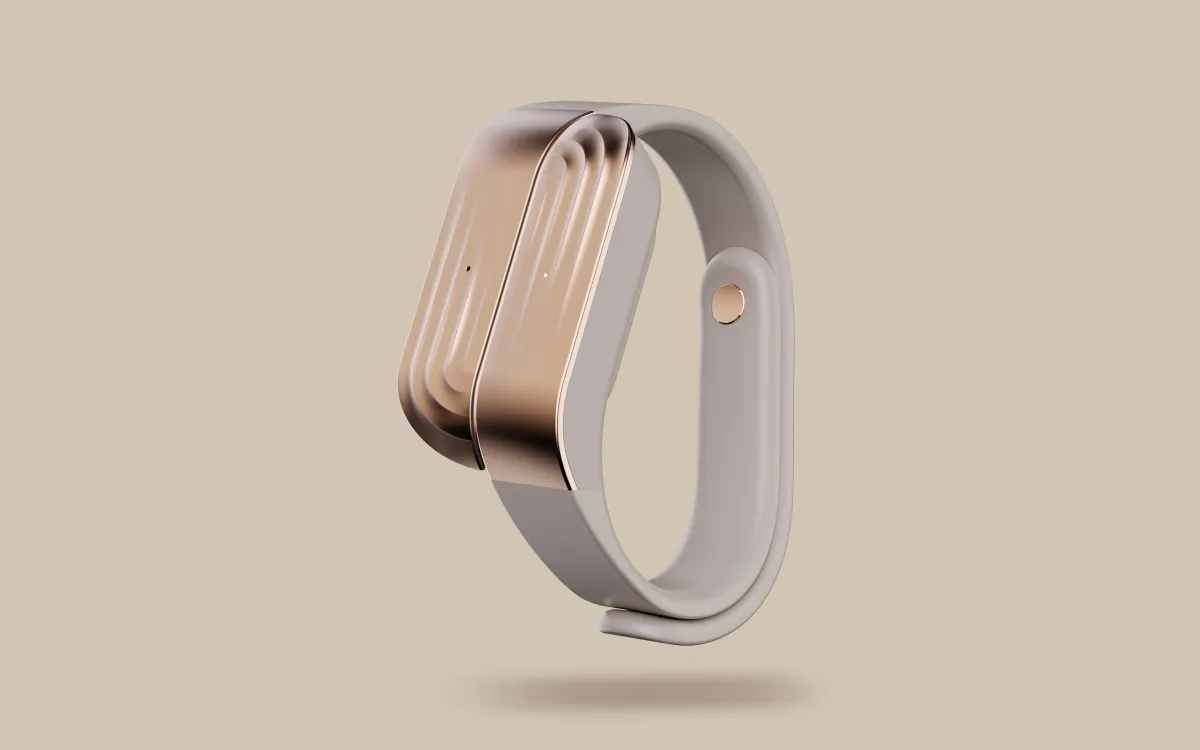
Clair Health تجمع 11.6 مليون دولار لتتبع الهرمونات عبر جهاز قابل للارتداء
أعلنت شركة Clair Health الناشئة عن جمع تمويل بقيمة 11.6 مليون دولار لتطوير جهاز قابل للارتداء يُحدث نقلة نوعية في مجال تتبع الهرمونات الأنثوية. الجهاز الذي يشبه الإكسسوار الأنيق يعد بتقديم رؤى فورية ح

ترقية مجانية لـ GTA V على PS5 وXbox Series X قبل إطلاق GTA VI
أعلنت Rockstar Games عن ترقية مجانية للعبة Grand Theft Auto V تتيح لأصحاب النسخ القديمة الانتقال إلى إصدار PlayStation 5 وXbox Series X/S دون أي تكلفة إضافية، وذلك قبل أشهر قليلة من الموعد المرتقب لإط
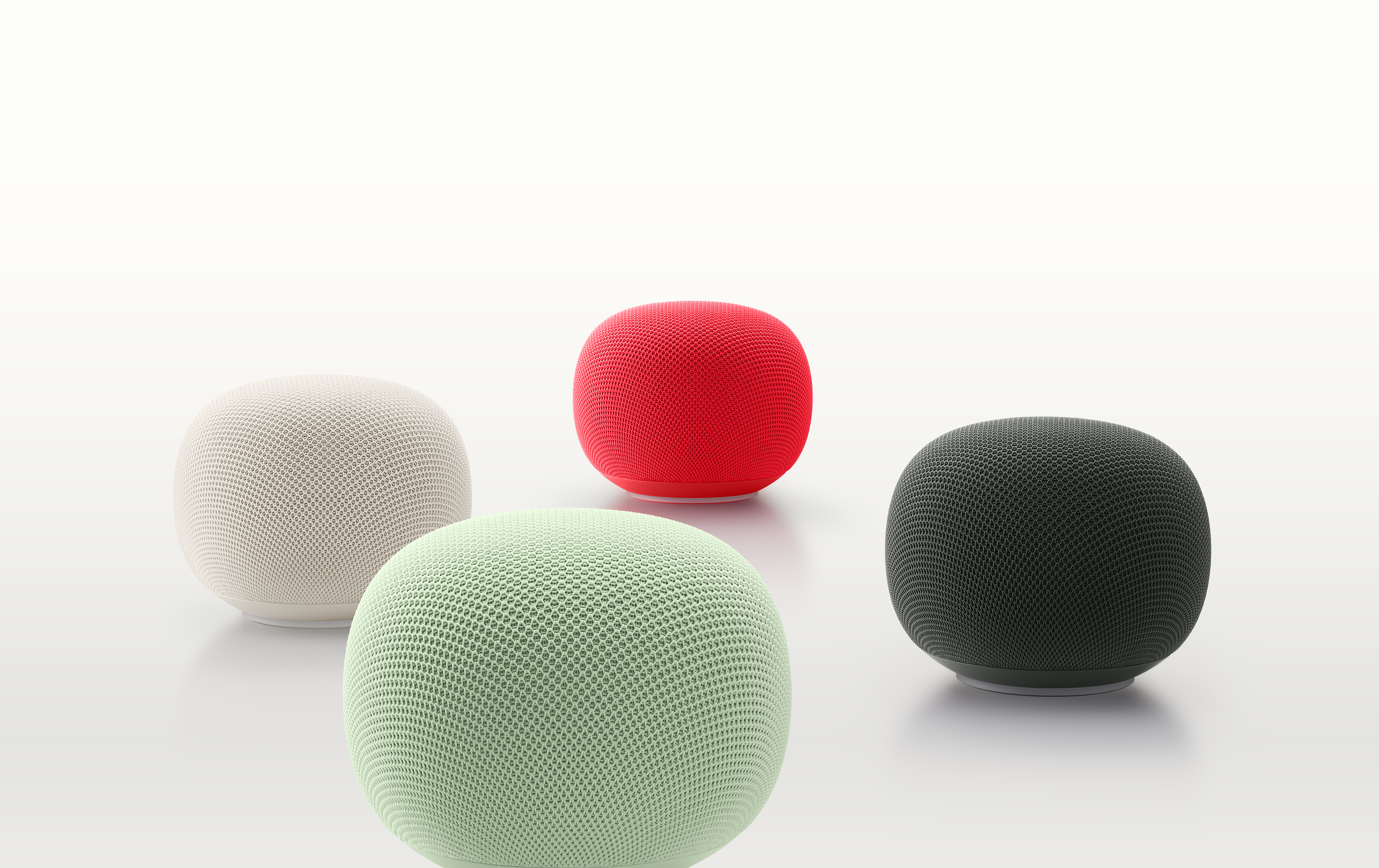
Google تعيد اختراع السماعات الذكية: Google Home Speaker بتقنية Gemini AI بسعر 99 دولاراً
أعلنت Google عن إطلاق Google Home Speaker، أول سماعة ذكية مستقلة من الشركة منذ خمس سنوات، مدمج فيها نظام الذكاء الاصطناعي Gemini بسعر 99.99 دولاراً. يمثل هذا الإطلاق تحولاً جذرياً في فلسفة السماعات ال

تيليغرام تقاضي الهند بعد حظر التطبيق: معركة حرية التعبير تصل للمحاكم
في تصعيد قانوني غير مسبوق، رفعت شركة تيليغرام دعوى قضائية أمام محكمة دلهي العليا ضد قرار الحكومة الهندية بحظر التطبيق على مستوى البلاد، معتبرةً أن هذا الإجراء ينتهك الحقوق الدستورية لـ 150 مليون مستخد
اقرأ أيضاً
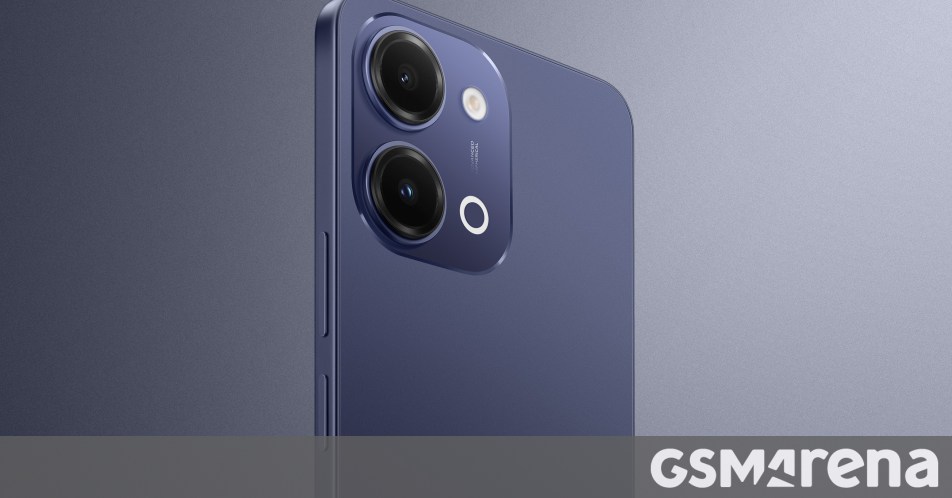
iQOO Z11i يظهر في الصين: هاتف vivo Y60 بثوب جديد وبطارية 6,500 مللي أمبير
بدأت iQOO بالتشويق لهاتفها الجديد Z11i في السوق الصينية، ليُضاف إلى عائلة Z11 المتنامية التي باتت تضم نماذج عدة. الهاتف يأتي ببطارية ضخمة سعة 6,500 مللي أمبير، لكن تسريبات من منصة Weibo تشير إلى أنه ق
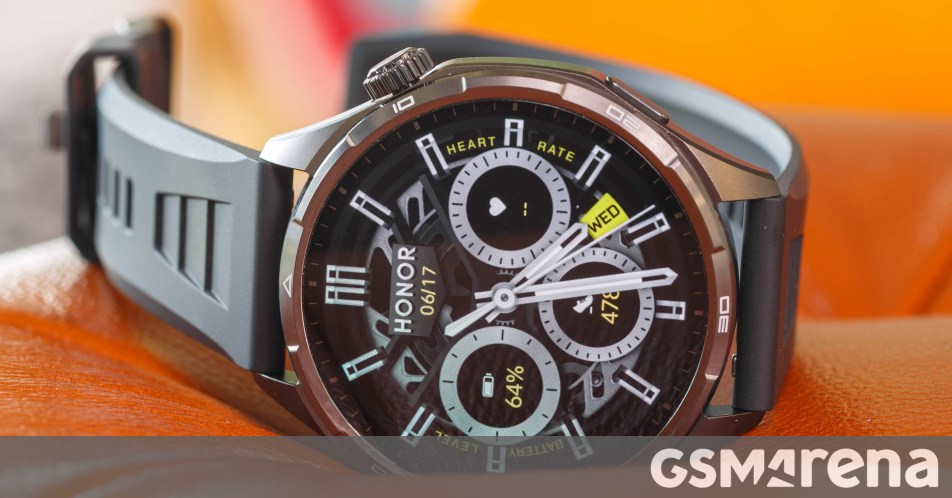
Honor Watch 6: بطارية تدوم 35 يوماً في ساعة تزن 68 غراماً فقط
كشفت Honor عن ساعتها الذكية الجديدة Honor Watch 6، وهي تطرح سؤالاً مباشراً على منافسيها: كيف تحشرون بطارية بسعة 980mAh في ساعة لا يتجاوز وزنها مع السوار 68 غراماً، وتجعلونها تدوم 35 يوماً كاملة؟ هذا ل
الإمارات تحظر وسائل التواصل الاجتماعي على من هم دون 15 عاماً: أول دولة عربية تتخذ هذه الخطوة
في خطوة تاريخية تضع الإمارات في طليعة الدول العربية، أعلنت الحكومة الإماراتية حظر وسائل التواصل الاجتماعي على الأطفال دون 15 عاماً حظراً فعلياً، لتصبح بذلك أول دولة عربية تتخذ إجراءً بهذا الحجم لحماية