iPhone Fold Launch 2026: Apple's First Foldable Could Capture 19% Market Share Instantly
Key Takeaways
- TrendForce predicts Apple will capture 19.3% of the foldable market in 2026, landing in third place globally
- Apple is using a combination of 3D-printed hinges, liquid metal, dual ultra-thin glass layers, and optimized adhesive tech
- The company's main goal is eliminating the visible crease that plagues current foldables
- Brand loyalty and pent-up demand from Apple users could drive massive initial sales
Read in Short
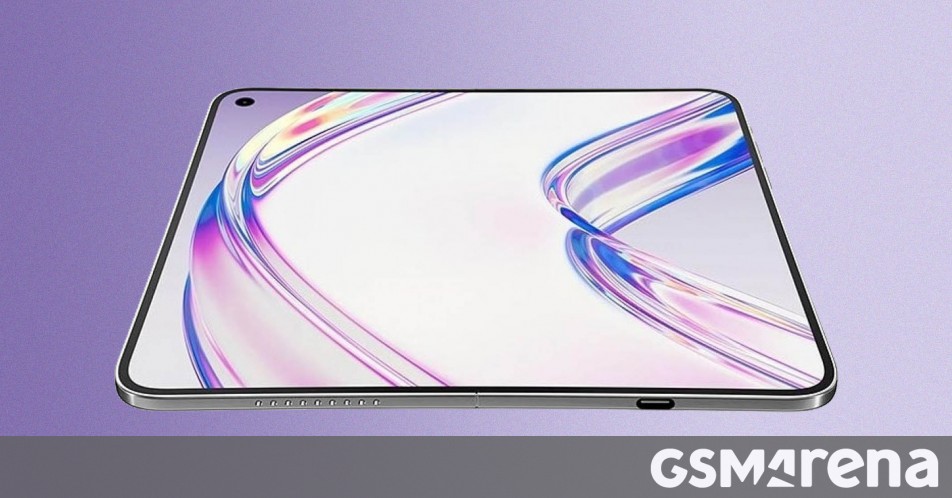
Apple's entering the foldable game in 2026 with the iPhone Fold, and analysts think they'll immediately become the third-biggest player with nearly 20% market share. They're betting big on new display tech that could finally solve the annoying crease problem.
So Apple's finally doing it. After years of patents, rumors, and watching Samsung and Huawei duke it out in the foldable arena, Cupertino is ready to enter the ring. And if the latest market research is accurate, they're not just showing up to participate. They're showing up to dominate.
Late to the Party, But Dressed to Impress
Here's the thing about Apple. They're almost never first to anything. They weren't first to smartphones, weren't first to smartwatches, and they're definitely not first to foldables. Samsung launched the original Galaxy Fold back in 2019. That's seven years of head start.
But Apple has this annoying habit of showing up late and then acting like they invented the whole category. And honestly? It often works. The TrendForce report suggests that pent-up demand from Apple users who've been eyeing Samsung's foldables with envy, combined with that almost religious brand loyalty, will catapult the iPhone Fold straight into the top three.
They're predicting Apple will slot in right behind Huawei and Samsung. Not bad for a first attempt.
The Crease Problem (And Why Apple Thinks They've Cracked It)
If you've ever used a foldable phone, you know the crease. That visible line running down the middle of the display where the screen folds. It's like a permanent reminder that you're using first-generation technology. Some people say they stop noticing it after a while. I'm not one of those people.
Apple's apparently obsessed with fixing this, and the new report reveals exactly how they're planning to do it. The answer isn't one single breakthrough. It's a combination of technologies working together.
- 3D-printed hinge components for precision engineering
- Liquid metal materials in the folding mechanism
- Dual layers of ultra-thin glass (UTG) instead of plastic
- Optimized optically clear adhesive (OCA) between screen layers
What's Optically Clear Adhesive?
OCA is the transparent glue that holds display layers together. In foldables, it needs to flex millions of times without clouding, cracking, or allowing the layers to separate. Apple's version is engineered to absorb stress evenly across the fold rather than concentrating it in one visible spot.
The OCA bit is particularly interesting. This stuff already exists in other foldables, but Apple's reportedly tweaking the formula to do three things better. First, spread mechanical stress across a wider area so you don't get that concentrated crease line. Second, keep the display layers perfectly aligned even after thousands of folds. Third, stay crystal clear so you don't get weird light distortion or visible artifacts.
The Material Science Arms Race
Look, foldable displays are genuinely hard. You're asking glass to bend. Glass. The stuff that shatters when you drop your phone from waist height. Making it fold in half without breaking requires some seriously clever engineering.
Samsung's been iterating on this for years. Their latest foldables use what they call "Armor Aluminum" frames and improved UTG that's supposedly 50% more durable than their first attempts. Huawei's taken a slightly different approach with their Mate X series, using an outward-folding design that puts less stress on the display.
Understanding China's massive tech investments helps explain why Huawei remains a top foldable competitor despite US sanctions.
Apple's late entry actually gives them an advantage here. They've had years to study what works and what doesn't. Every Samsung Fold that cracked at the crease, every user complaint about visible screen lines, that's all data Apple's been collecting.
Will Apple Users Actually Want This?
This is the real question. Foldables have been around since 2019, and they're still a niche product. Samsung shipped around 10 million foldables in 2023. Sounds impressive until you remember they shipped over 225 million phones total that year. Foldables are still less than 5% of the premium smartphone market.
But Apple's customer base is different. These are people who waited years for wireless charging while Android users had it. They waited for always-on displays. They waited for USB-C. And then they bought it anyway when Apple finally added it.
The TrendForce analysts are betting that millions of iPhone users have been waiting specifically for Apple to make a foldable before trying one. They don't want a Samsung. They want an iPhone that folds. And when that iPhone finally exists, they'll buy it.
What We Still Don't Know
The report is heavy on display tech and market predictions but light on actual phone details. We still don't know the basics.
- Price (Samsung's foldables start around $1,800, expect Apple to match or exceed this)
- Screen sizes for the inner and outer displays
- Whether it'll fold like a book or flip like a clamshell
- Battery life (always a concern with foldables due to the thinner form factor)
- When exactly in 2026 it'll launch
The book-style versus clamshell question is particularly interesting. Samsung makes both. The Fold is their flagship productivity device, while the Flip targets people who want a compact phone that fits in smaller pockets. Apple could do either. Or both. We just don't know yet.
The Bigger Picture
Apple entering foldables legitimizes the entire category. That might sound backwards since foldables have existed for years, but Apple has this weird ability to make technologies feel mainstream just by adopting them.
When Apple added NFC for Apple Pay, suddenly contactless payments took off. When they killed the headphone jack, wireless earbuds became the norm. When they launch a foldable, a lot of people who've been dismissing the form factor as a gimmick might finally take notice.
Another example of advanced material science changing product categories in 2026.
For Samsung and Huawei, Apple's entry is both a threat and validation. They've been pioneering this technology largely alone. Now they'll have serious competition, but also a much bigger market to compete in.
Should You Wait For It?
If you're in the market for a foldable right now, here's my honest take. Don't wait. Samsung's Galaxy Z Fold 5 and Flip 5 are excellent devices. Google's Pixel Fold exists. If you want a foldable experience today, you can have one.
But if you're an iPhone user who's curious about foldables? Yeah, waiting makes sense. Apple's first attempt will likely have some first-gen quirks, but it'll also integrate perfectly with your existing Apple ecosystem. iMessage, AirDrop, Handoff with your Mac, all of it will just work.
2026 is shaping up to be a big year for phones. Apple's foldable entry could reshape the entire market. And based on what we're hearing about their display tech, they're not cutting corners. Whether that translates to a crease-free experience remains to be seen, but at least they're trying to solve the right problems.
Frequently Asked Questions
When is the iPhone Fold expected to launch?
Sometime in 2026, though Apple hasn't announced a specific date. Based on typical Apple release patterns, expect a fall announcement.
How much will the iPhone Fold cost?
No official pricing yet, but given Samsung's foldables start around $1,800 and Apple typically prices at a premium, expect $1,800 to $2,200 or higher.
Will the iPhone Fold have a visible crease?
Apple's reportedly focused on minimizing the crease using advanced adhesive technology and dual ultra-thin glass layers. Whether they've eliminated it entirely remains to be seen.
Which companies currently dominate the foldable market?
Samsung leads globally, followed by Huawei. Apple is projected to take third place immediately upon entering the market.
Source: GSMArena.com / Michail
Manaal Khan
Tech & Innovation Writer
Also Read

رأي مغاير: كيف يؤثر اختراق الأمن الداخلي الأميركي على شركاتنا الخاصة؟
في ظل اختراق عقود الأمن الداخلي الأميركي مع شركات خاصة، نناقش تأثير هذا الاختراق على مستقبل الأمن السيبراني. نستعرض الإحصاءات الموثوقة ونناقش كيف يمكن للشركات الخاصة أن تتعامل مع هذا التهديد. استمتع بقراءة هذا التحليل العميق

الإنسان في زمن ما بعد الوجود البشري: نحو نظام للتعايش بين الإنسان والروبوت - Centre for Arab Unity Studies
في هذا المقال، سنناقش كيف يمكن للبشر والروبوتات التعايش في نظام متكامل. سنستعرض التحديات والحلول المحتملة التي تضعها شركات مثل جوجل وأمازون. كما سنلقي نظرة على التوقعات المستقبلية وفقًا لتقرير ماكنزي

إطلاق ناسا لمهمة مأهولة إلى القمر: خطوة تاريخية نحو استكشاف الفضاء
تعتبر المهمة الجديدة خطوة هامة نحو استكشاف الفضاء وتطوير التكنولوجيا. سوف تشمل المهمة إرسال رواد فضاء إلى سطح القمر لconducting تجارب علمية. ستسهم هذه المهمة في تطوير فهمنا للفضاء وتحسين التكنولوجيا المستخدمة في استكشاف الفضاء.