Huawei Pura X Max: First Wide Foldable Beats Apple, Samsung
Key Takeaways
- Huawei beats Apple and Samsung to market with the first wide-style foldable, starting at $1,613
- Apple and Samsung's competing devices aren't expected until late 2026, giving Huawei 6+ months of market leadership
- The passport-style form factor could reshape enterprise mobility and field productivity tools
Read in Short
Huawei just launched the Pura X Max, the first wide-style foldable phone available for purchase. Starting at $1,613, it beats Apple and Samsung to market by at least 6 months. For CTOs evaluating mobile device strategies, this signals that Chinese manufacturers are now setting hardware trends, not following them.
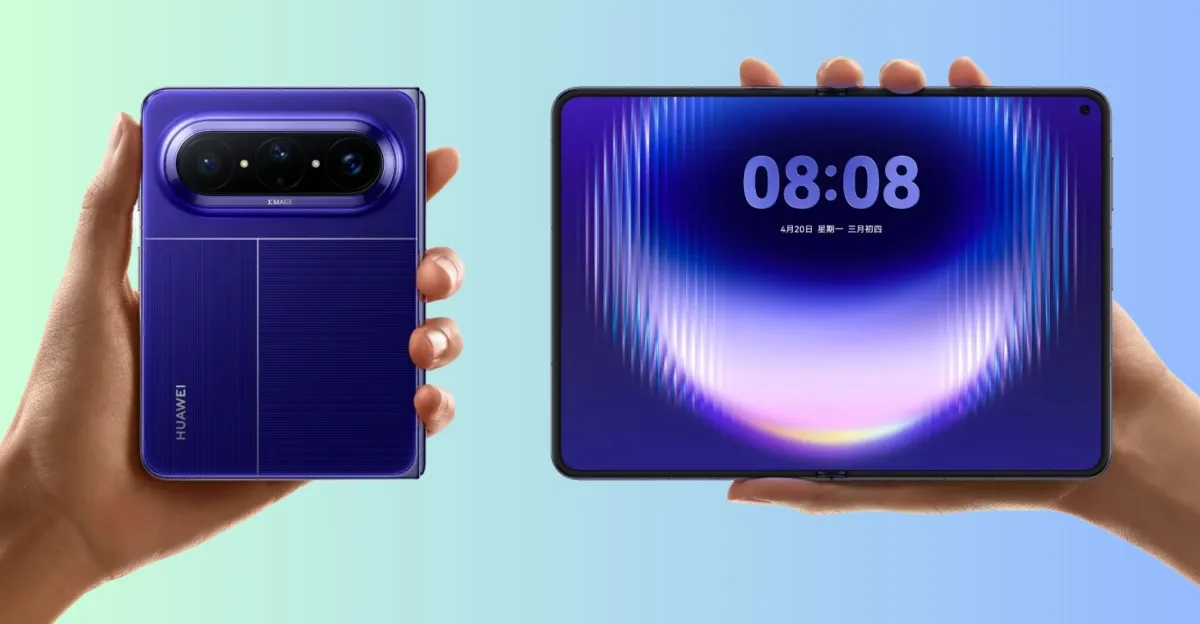
According to [The Verge](https://www.theverge.com/tech/914807/huawei-pura-x-max-launch-price-specs-availability), Huawei has launched its passport-style foldable in China ahead of similar devices expected from Apple and Samsung, making the Pura X Max the first wide foldable phone actually available to buy.
Here's why this matters if you're running a company: the foldable phone market is projected to hit $52 billion by 2027. And the company that just took the lead isn't based in Cupertino or Seoul. It's Huawei, operating under US sanctions, building its own chips, running its own operating system. That's a signal worth paying attention to.
What Is the Huawei Wide Foldable Phone?
The Pura X Max uses a book-like orientation instead of the tall, narrow design we've seen from Samsung's Z Fold series. Think of it like opening a passport rather than a paperback novel. The cover display is 5.4 inches. Open it up, and you get a 7.7-inch internal screen with 3000 nits of peak brightness.
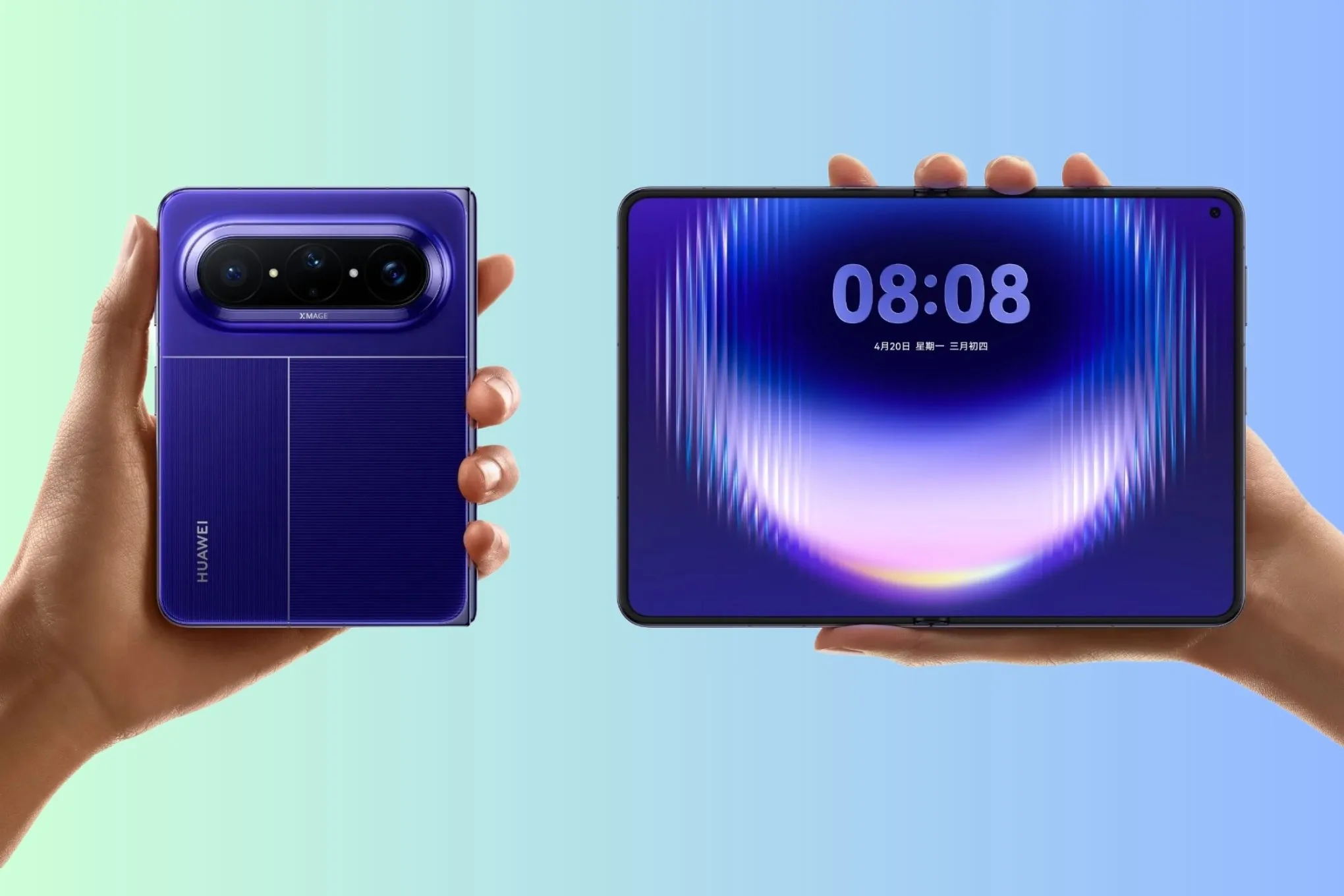
Why does this matter for business users? The wider aspect ratio makes the device behave more like a small tablet when unfolded. That's better for spreadsheets, documents, split-screen apps, and video calls. Field sales teams, executives who travel, and anyone who needs a productivity device that fits in a pocket should take note.
Huawei Pura X Max Price and Configurations
The pricing puts this squarely in premium territory. But for enterprise procurement teams, it's worth comparing against current flagship foldables and high-end tablets.
| Model | RAM/Storage | Price (USD) | Target User |
|---|---|---|---|
| Pura X Max Standard | 12GB / 256GB | $1,613 | Business professionals |
| Pura X Max Standard | 12GB / 512GB | $1,800 | Power users |
| Pura X Max Collector's Edition | 16GB / 512GB | $1,906 | Executive tier |
| Pura X Max Collector's Edition | 16GB / 1TB | $2,053 | Heavy content creators |
For context, Samsung's Galaxy Z Fold 5 launched at $1,799. Apple's rumored foldable iPhone is expected to cost $1,500-$2,000 based on analyst estimates. Huawei's pricing is competitive, though the real question is whether your organization can deploy devices running HarmonyOS.
Why Huawei Beat Apple and Samsung to Wide Foldables
Apple and Samsung are both reportedly developing wide-style foldables. Leaks suggest we won't see them until the second half of 2026. That gives Huawei at least six months of market leadership.
This isn't Huawei getting lucky. It's strategic execution under pressure. Since 2019, the company has operated under severe US sanctions that cut off access to Google services, Qualcomm chips, and TSMC manufacturing. Their response? Build everything in-house.
- Kirin 9030 Pro chipset: Homegrown silicon, developed without access to Western semiconductor partners
- HarmonyOS 6.1: Their own operating system, now powering over 700 million devices globally
- Domestic supply chain: Reduced dependence on components that could be restricted
For business strategists, this is a case study in forced innovation. Huawei turned sanctions into a catalyst for vertical integration. Whether you admire the approach or have concerns about the geopolitics, the results speak for themselves.
Hardware Specs: What Decision-Makers Need to Know
Beyond the form factor, here's what the Pura X Max brings to the table for enterprise evaluation:
- Battery: 5,300mAh with 66W wired charging and 50W wireless charging. Full charge in under an hour.
- Display refresh: 1-120Hz LTPO adaptive on both screens. Smoother scrolling, better battery life.
- Camera system: 50MP main with variable aperture, 50MP telephoto, 12.5MP ultra-wide. Good enough for field documentation.
- Stylus support: Compatible with Huawei M-Pen 3 Mini for note-taking and annotation.
- AI features: Built-in pose recommendations for photographers, plus productivity assistants.
The stylus support is particularly relevant for field workers, insurance adjusters, healthcare professionals, and anyone who needs to annotate documents on the go. Samsung has offered this for years. Apple's foldable reportedly won't support Apple Pencil at launch.
Enterprise Implications: Can You Actually Deploy This?
Here's where things get complicated for Western businesses. The Pura X Max runs HarmonyOS, not Android. It doesn't have Google Play Services. It's currently only launching in China, with no confirmed international release.
✅ Pros
- • First-mover advantage in wide foldable form factor
- • Competitive pricing against Samsung flagships
- • Strong productivity orientation with stylus support
- • Integrated AI features for field work
❌ Cons
- • No Google Play Store or Google services
- • HarmonyOS app ecosystem is limited outside China
- • No confirmed availability in US, EU, or India
- • Geopolitical risk for enterprise deployment
For most US and European enterprises, this isn't a practical procurement option today. But that's not the point. The point is that Huawei just proved they can out-execute the world's two largest smartphone makers on a new form factor. That changes competitive dynamics even if you never buy the device.
Understanding how AI is reshaping the tech industry that produces these devices
What This Means for Apple and Samsung's Foldable Strategy
Samsung has dominated the foldable market with the Z Fold and Z Flip lines. Apple hasn't entered at all. Now both are playing catch-up on a form factor that Huawei defined.
Rumors suggest Apple's foldable iPhone will arrive in late 2026 or early 2027. Samsung is reportedly working on a wider Z Fold variant for the same timeframe. By then, Huawei will have a full generation of user feedback, manufacturing refinements, and software optimizations.
For enterprise buyers, this creates an interesting dynamic. When Apple and Samsung do release wide foldables, you'll be able to compare them against a device that's been in-market for 6-12 months. Real-world durability data. Actual user reviews. Known software issues. That's valuable information for procurement decisions.
Apple's software strategy as it prepares for new hardware form factors
The $52 Billion Foldable Market: Who Wins?
The foldable phone market is projected to grow from $18 billion in 2024 to $52 billion by 2027. That's a CAGR of around 42%. Samsung currently holds about 70% market share, but that's mostly in tall-style foldables.
Wide foldables are a new category. There's no incumbent. Huawei just planted their flag. The question for Apple and Samsung isn't just whether they can build a competitive device. It's whether they can catch up to a competitor who's already learning from real customers.
Should Your Company Care About Wide Foldables?
If you're evaluating mobile device strategies for your workforce, wide foldables are worth watching. Not buying today, but watching. Here's the framework:
- Identify use cases: Field sales, executive travel, healthcare documentation, insurance claims, any role that benefits from a larger screen in a pocketable device.
- Track the Apple and Samsung releases: When they launch wide foldables with Google/Apple ecosystem support, evaluate against your use cases.
- Monitor enterprise features: MDM support, security certifications, durability ratings. These matter more than camera specs for business deployment.
- Budget for premium pricing: Expect $1,500-$2,000 per device. Factor in potential productivity gains to justify the cost.
AI productivity tools that could pair with next-gen foldable devices
FAQ: Huawei Wide Foldable for Business Leaders
Frequently Asked Questions
How much does the Huawei Pura X Max cost?
The Pura X Max starts at $1,613 for the 12GB/256GB model and goes up to $2,053 for the Collector's Edition with 16GB RAM and 1TB storage. This is competitive with Samsung's Z Fold 5 launch pricing.
Can US or European companies buy the Pura X Max?
Not currently. The device launched only in China, and Huawei hasn't confirmed international availability. Even if it becomes available, the lack of Google services makes it impractical for most Western enterprise deployments.
When will Apple and Samsung release wide foldables?
Both companies are reportedly targeting the second half of 2026 for their wide-style foldable releases. This gives Huawei at least a 6-month head start in the market.
Is the wide foldable form factor better for business use?
For tasks that benefit from a wider aspect ratio like spreadsheets, documents, split-screen apps, and video calls, yes. The passport-style orientation behaves more like a small tablet when unfolded, which is ideal for productivity on the go.
What's the business risk of Huawei setting hardware trends?
For enterprises, the main risk is that innovation is happening in a market segment they can't access due to geopolitics. When Apple and Samsung catch up, they'll be reacting to Huawei's design choices rather than leading with their own vision.
Logicity's Take
At Logicity, we build AI-powered tools and business applications for clients across India and the Middle East. We're not hardware experts, and we're not going to pretend the Pura X Max changes our development workflow. But here's what we're watching closely: the software implications. Huawei's HarmonyOS represents a third mobile ecosystem that's now powering 700+ million devices globally. For Indian tech businesses serving global clients, that's a market segment we can't ignore forever. If your company builds mobile apps, you'll eventually face the question of HarmonyOS compatibility, especially if you have customers in China, Southeast Asia, or emerging markets where Huawei has significant share. The bigger picture for Indian tech leaders? This is a reminder that hardware innovation doesn't require Silicon Valley anymore. Huawei built their own chips under sanctions. They created their own OS. They beat Apple to market on a new form factor. That's the kind of execution that should inspire and concern us in equal measure. The companies that thrive in the next decade will be the ones who can compete with this level of vertical integration and speed.
Need Help With Your Mobile Strategy?
Logicity helps businesses navigate emerging technology trends and build applications that work across ecosystems. Whether you're evaluating new device form factors for your workforce or building apps that need to reach global audiences, we can help you make informed decisions. Get in touch to discuss your mobile strategy.
Huma Shazia
Senior AI & Tech Writer
Also Read

رأي مغاير: كيف يؤثر اختراق الأمن الداخلي الأميركي على شركاتنا الخاصة؟
في ظل اختراق عقود الأمن الداخلي الأميركي مع شركات خاصة، نناقش تأثير هذا الاختراق على مستقبل الأمن السيبراني. نستعرض الإحصاءات الموثوقة ونناقش كيف يمكن للشركات الخاصة أن تتعامل مع هذا التهديد. استمتع بقراءة هذا التحليل العميق

الإنسان في زمن ما بعد الوجود البشري: نحو نظام للتعايش بين الإنسان والروبوت - Centre for Arab Unity Studies
في هذا المقال، سنناقش كيف يمكن للبشر والروبوتات التعايش في نظام متكامل. سنستعرض التحديات والحلول المحتملة التي تضعها شركات مثل جوجل وأمازون. كما سنلقي نظرة على التوقعات المستقبلية وفقًا لتقرير ماكنزي

إطلاق ناسا لمهمة مأهولة إلى القمر: خطوة تاريخية نحو استكشاف الفضاء
تعتبر المهمة الجديدة خطوة هامة نحو استكشاف الفضاء وتطوير التكنولوجيا. سوف تشمل المهمة إرسال رواد فضاء إلى سطح القمر لconducting تجارب علمية. ستسهم هذه المهمة في تطوير فهمنا للفضاء وتحسين التكنولوجيا المستخدمة في استكشاف الفضاء.