Galaxy S26 vs Galaxy S25: Is the Upgrade Worth It?
Key Takeaways
- The S26 and S25 share nearly identical designs, displays, and charging speeds
- Samsung returns to a dual-chip strategy with Exynos 2600 in Europe and Snapdragon 8 Elite Gen 5 in the US
- Battery life is noticeably better on the S26, especially for web browsing and video streaming
Samsung's Galaxy S26 is here, and if you're holding a Galaxy S25 or shopping for a new phone, you're probably wondering: what's actually different? The honest answer is not much. But that "not much" includes some details worth knowing, especially if you're in Europe.
Samsung's incremental upgrade strategy has become predictable. Each year brings small refinements rather than dramatic changes. The upside is that last year's model remains a solid choice. The downside is that figuring out which phone to buy requires close attention to specs that look nearly identical at first glance.
The Chipset Split Returns
The biggest change this year isn't about the phone itself. It's about what's inside depending on where you live.
Samsung has returned to its dual-chip strategy with the S26 series. If you're in the US, China, or Japan, you'll get the Snapdragon 8 Elite Gen 5 for Galaxy. If you're in Europe or South Korea, you'll get the Exynos 2600. Last year's S25 series was Snapdragon-only worldwide, making this a significant shift.
This matters because historically, Exynos and Snapdragon chips have performed differently. Battery efficiency, thermal management, and camera processing can vary between the two. For European buyers weighing the S26 against a Snapdragon-powered S25, the comparison gets interesting.
Design: Nearly Identical Twins
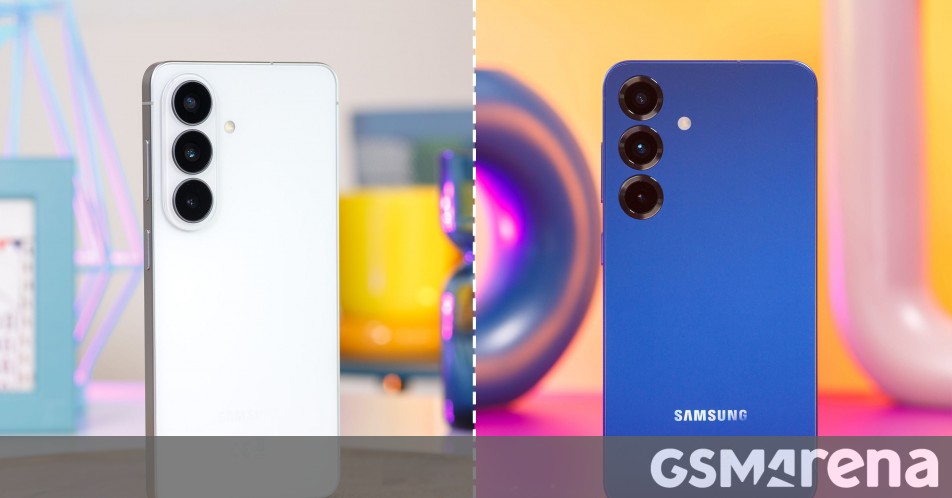
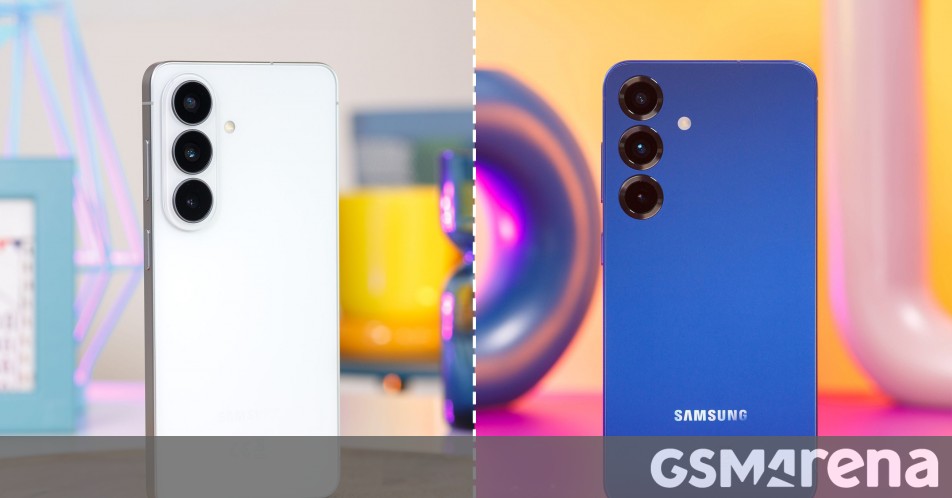
Put the S26 and S25 side by side, and you'll struggle to tell them apart. Both phones use Gorilla Glass Victus 2 on the front and back with an Aluminum Armor 2 frame. The dimensions are nearly the same, though the S26 is slightly taller to accommodate its 0.1-inch larger display.
There's one visible difference. The S26 has a unified camera island that protrudes from the back. This means the phone wobbles when placed on a flat surface. The S25 has a cleaner look with individual camera lenses that don't form a raised island. Whether that's better is a matter of taste.
Display: If It Ain't Broke
Samsung didn't touch the display technology this year. Both phones use the same LTPO OLED panel with a 120Hz refresh rate and roughly 1,400 nits of maximum brightness. The S26's screen is 0.1 inches larger. You won't notice the difference in daily use.
This isn't a criticism. Samsung's displays have been excellent for two generations now. There wasn't much room for improvement, and the company didn't waste resources chasing incremental gains that wouldn't matter to users.
| Feature | Galaxy S26 | Galaxy S25 |
|---|---|---|
| Display Size | 0.1" larger | Base size |
| Display Tech | LTPO OLED, 120Hz, ~1,400 nits | LTPO OLED, 120Hz, ~1,400 nits |
| Front/Back Glass | Gorilla Glass Victus 2 | Gorilla Glass Victus 2 |
| Frame | Aluminum Armor 2 | Aluminum Armor 2 |
| Camera Design | Raised island (wobbles) | Flush individual lenses |
| Chipset (US/China/Japan) | Snapdragon 8 Elite Gen 5 | Snapdragon 8 Elite |
| Chipset (Europe/Korea) | Exynos 2600 | Snapdragon 8 Elite |
| Wired Charging | 25W (5% faster initial charge) | 25W |
| Software Support | 7 years | 7 years |
Battery Life: The S26 Pulls Ahead
Here's where the S26 makes a real case for itself. Samsung increased the battery capacity modestly, and combined with software and hardware optimizations, the newer phone lasts noticeably longer.
The two phones perform similarly during calls and gaming sessions. But the S26 pulls ahead in web browsing and video streaming. These aren't small gains. If you spend hours scrolling or watching content, you'll feel the difference by the end of the day.
Charging speeds remain unchanged. Both phones support 25W wired fast charging over Power Delivery. Samsung claims the S26 charges five percentage points faster in the early stages, but real-world charging times should be comparable.
The 7-Year Support Argument
Samsung offers seven years of full software support on both phones. This changes the upgrade calculation. If you buy the S25 today, you're not getting a phone that will feel abandoned in two years. You're getting the same long support runway as the S26.
This makes the S25 a compelling option for buyers who want the flagship Samsung experience at a lower price. The user experience is essentially identical. The software will be identical for years. The main tradeoffs are slightly less battery endurance and, depending on your region, potentially a different chipset.
Tips to extend the life of your current phone if you decide not to upgrade
Who Should Buy the S26
The Galaxy S26 makes sense if you're coming from an S23 or older device. The accumulated improvements over two or three generations add up. If you're in the US or Japan, you get the latest Snapdragon chip. If battery life matters a lot to you, the S26 delivers measurable gains.
For current S25 owners, there's no compelling reason to upgrade. The improvements are too small to justify the cost.
Who Should Buy the S25
The Galaxy S25 is the smart money pick for European buyers who want Snapdragon. Since the S26 comes with Exynos 2600 in Europe, the S25 might actually offer better performance depending on how Samsung's new chip compares. At a lower price point, that's a strong argument.
Budget-conscious buyers anywhere will find the S25 compelling. You get the same design, the same display, the same software support, and slightly less battery life. The price difference buys a lot of forgiveness.
Latest Android Auto features that work on both S25 and S26
Logicity's Take
✅ Pros
- • S26 offers better battery life for web browsing and video
- • Both phones get 7 years of software support
- • S25 offers Snapdragon globally, including Europe
- • Identical display quality on both models
❌ Cons
- • S26 camera island causes wobble on flat surfaces
- • Europe gets Exynos 2600 instead of Snapdragon on S26
- • Minimal improvements don't justify S25-to-S26 upgrade
- • 25W charging feels slow compared to competitors
Frequently Asked Questions
Is the Galaxy S26 worth upgrading from the S25?
For most users, no. The improvements are incremental: slightly better battery life and a marginally larger display. Current S25 owners should wait for the S27 or later.
Which chip is better, Exynos 2600 or Snapdragon 8 Elite Gen 5?
Early benchmarks will determine this, but historically Snapdragon chips have offered better efficiency. European buyers may want to compare reviews before choosing between the Exynos-powered S26 and Snapdragon-powered S25.
How long will Samsung support the Galaxy S25?
Samsung offers 7 years of full software support for the S25, the same as the S26. This includes Android updates and security patches.
Does the Galaxy S26 have faster charging than the S25?
Both phones support 25W wired charging. Samsung claims the S26 charges 5 percentage points faster initially, but overall charging times are similar.
Which Galaxy phone has better battery life, S26 or S25?
The Galaxy S26 has better battery endurance, particularly for web browsing and video streaming. Call and gaming battery life are similar between the two models.
Need Help Implementing This?
Source: GSMArena.com / Ro
Huma Shazia
Senior AI & Tech Writer
اقرأ أيضاً
ما الذي تحذفه الشواحن الرخيصة فعلاً من مكوناتها؟
أخطر ما في الشواحن الرخيصة أنها تعمل في معظم الأحيان. نعم، ستشحن هاتفك، وستبدو صفقة ذكية حين تدفع نصف سعر البدائل الأصلية. لكن السؤال الحقيقي ليس هل تعمل؟ بل ما الذي تخلّت عنه لتصل إلى هذا السعر؟ الإج
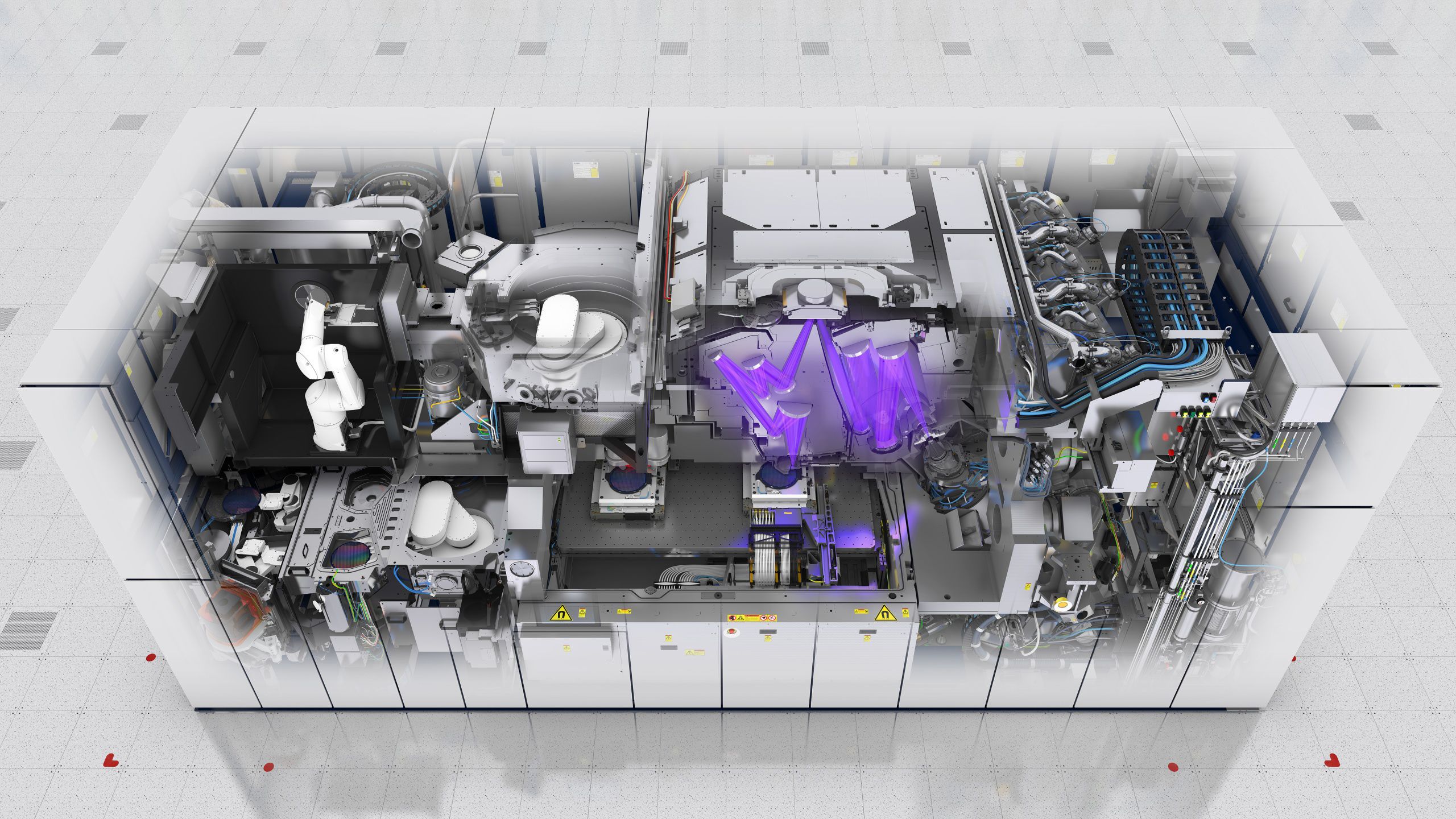
ASML تنفي وصول ماكينات EUV إلى الصين وتصف اتهامات واشنطن بأنها «مضرّة بسمعتها»
في تصعيد جديد لحرب الرقائق بين واشنطن وبكين، نفت شركة ASML الهولندية — المورّد الوحيد عالمياً لأنظمة الطباعة الحجرية بالأشعة فوق البنفسجية المتطرفة EUV — أن أياً من أجهزتها قد وصل إلى الصين، واصفةً ال
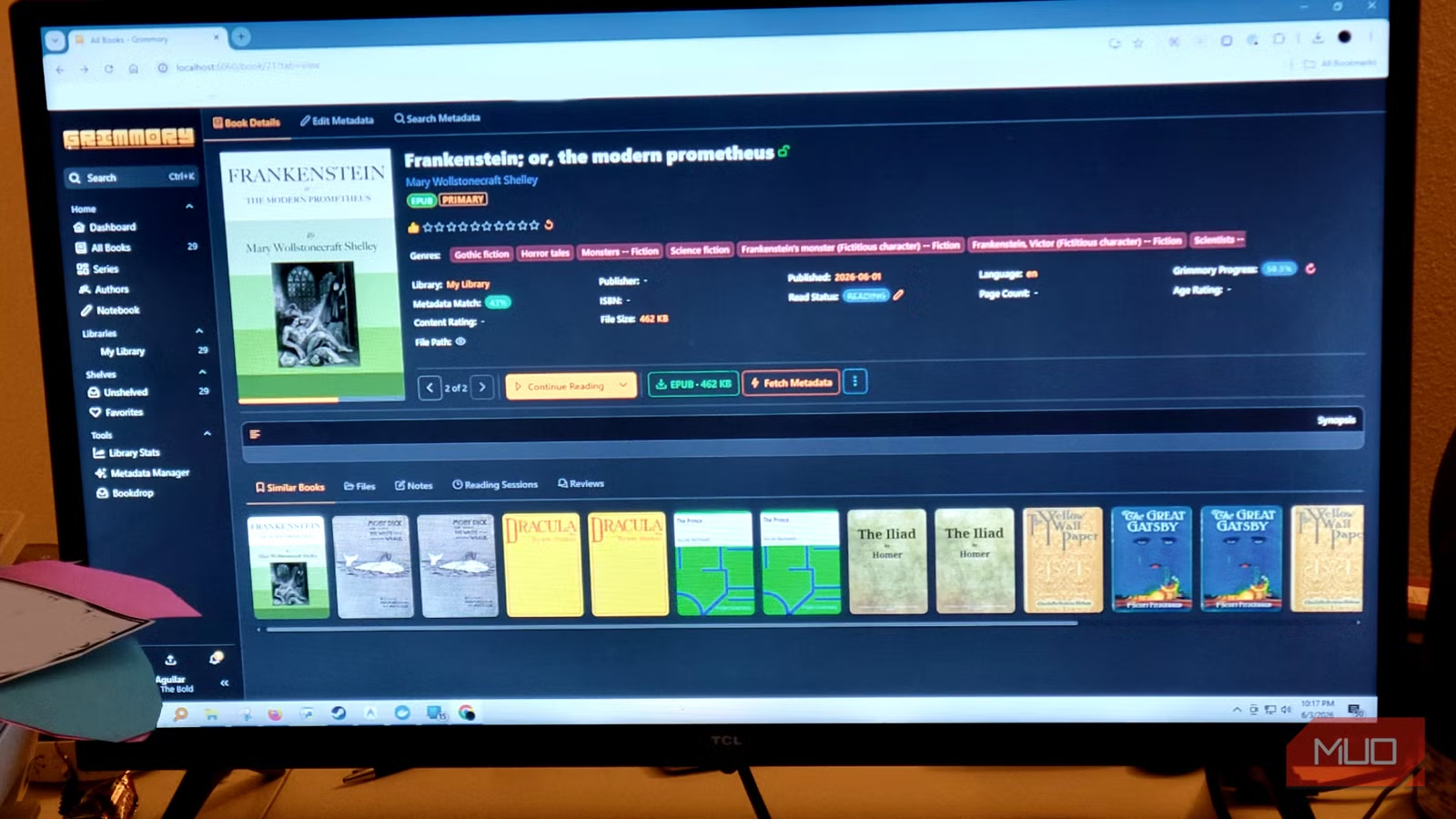
Grimmory: خادم كتب إلكترونية مستضاف ذاتياً يتفوق على بدائل Plex المثقلة بالفيديو
إذا جرّبت يوماً تنظيم مكتبة كتب رقمية متنامية باستخدام خوادم الوسائط الشاملة مثل Plex أو Jellyfin، فأنت تعرف الإحباط جيداً: قوائم معقدة مصممة أساساً للفيديو، وميزات القراءة مدفونة كفكرة لاحقة. الآن يق