Chrome Is Downloading a 4GB AI Model Without Asking
Key Takeaways
- Chrome automatically downloads a 4GB Gemini Nano model when AI features like 'Help me write' or scam detection are enabled
- The file redownloads itself if deleted manually. The only permanent fix is disabling 'on-device AI' in Chrome settings
- Google says the model powers security features locally without sending data to the cloud, and auto-deletes if storage runs low
What's Happening
Your Chrome browser might be using more storage than you realize. Swedish computer scientist Alexander Hanff published a blog post revealing that Chrome silently downloads a 4GB AI model to users' computers without explicit consent.
The file is Gemini Nano, Google's lightweight AI model designed to run locally on devices. You can find it in a folder called 'OptGuideOnDeviceModel' as a file named 'weights.bin'.
The catch: Chrome only installs this model if you've enabled certain AI features. If you turned on 'Help me write' or on-device scam detection, Chrome downloaded the model automatically. And if you delete the file manually, Chrome will redownload it.
Why It Runs Locally
Gemini Nano is built for on-device processing. Unlike cloud-based AI, it handles tasks directly on your computer. This means features like scam detection and writing assistance work without sending your data to Google's servers.
The privacy benefit is real. On-device AI processes sensitive information locally, which is better than routing it through external servers. But a 4GB download without clear notification is still a problem for users with limited storage.
Compare Chrome's AI approach to Samsung's browser capabilities
How to Remove It
Simply deleting the weights.bin file won't work. Chrome will just download it again. According to The Verge, you need to disable the feature at the source.
- Open Chrome and go to Settings
- Click on 'System' in the left sidebar
- Find the 'on-device AI' option and turn it off
- The model will stop downloading and updating
Google added this toggle in February 2025 after complaints. Once disabled, the model no longer downloads or updates. Google's developer documentation also notes that Chrome automatically deletes Gemini Nano if your device runs low on disk space.
The Consent Problem
Google's defense is that users opted into AI features. That's technically true. But there's a gap between clicking 'enable scam detection' and understanding that Chrome will download 4GB of files to your computer.
For users on laptops with limited SSDs, 4GB is significant. It's roughly the size of a full-length HD movie or a large video game. The silent download, automatic re-installation, and lack of clear storage warnings made this feel more like a hidden process than a transparent feature.
Google has offered Gemini Nano through Chrome since 2024. The February toggle was a response to user pushback. But the core issue remains: browser features shouldn't consume gigabytes of storage without explicit, upfront disclosure.
Another case of tech companies handling user data and systems unexpectedly
What This Means Going Forward
On-device AI is becoming standard. Apple, Google, and Microsoft are all pushing local AI models for privacy and performance benefits. Expect more browsers, apps, and operating systems to download AI components automatically.
The question is whether companies will be transparent about storage requirements. A 4GB model today could become 10GB tomorrow as capabilities expand. Users deserve clear information before their devices start storing AI models.
Logicity's Take
Frequently Asked Questions
How do I check if Chrome downloaded Gemini Nano to my computer?
Look for a folder called 'OptGuideOnDeviceModel' containing a file named 'weights.bin'. The exact location varies by operating system, but you can search your file system for these names.
Why does Chrome redownload the AI model after I delete it?
If AI features like 'Help me write' or scam detection are still enabled, Chrome considers the model necessary and redownloads it. You must disable 'on-device AI' in Settings > System to stop this.
Does Gemini Nano send my data to Google?
No. Gemini Nano runs entirely on your device. That's the privacy advantage of on-device AI. Your data stays local rather than being processed on Google's cloud servers.
Will Chrome automatically delete Gemini Nano if I run out of storage?
Yes. Google's documentation states that Chrome monitors disk space and automatically removes Gemini Nano if free space drops below a certain threshold.
When did Google start offering Gemini Nano in Chrome?
Google has offered Gemini Nano through Chrome since 2024. The option to easily disable and remove the model in Chrome settings was added in February 2025.
Need Help Implementing This?
Source: mint / Aman Gupta
Google Executive Responds to Silent 'weights.bin' AI Installation
The new article identifies Chrome VP and General Manager Parisa Tabriz as the specific official addressing the controversy and provides the exact filename of the download, 'weights.bin.' It also places the event in the context of Chrome's history of installing software without explicit user consent.
Google Response and Feature Clarifications
The new article clarifies that the local Gemini Nano model is separate from 'Chrome’s AI Mode' and includes an official Google spokesperson's statement confirming the model's behavior when disabled. It also provides the specific navigation path (Settings > System) for users to turn off the 'On-device AI' toggle.
Huma Shazia
Senior AI & Tech Writer
مقالات ذات صلة
تصفح الكل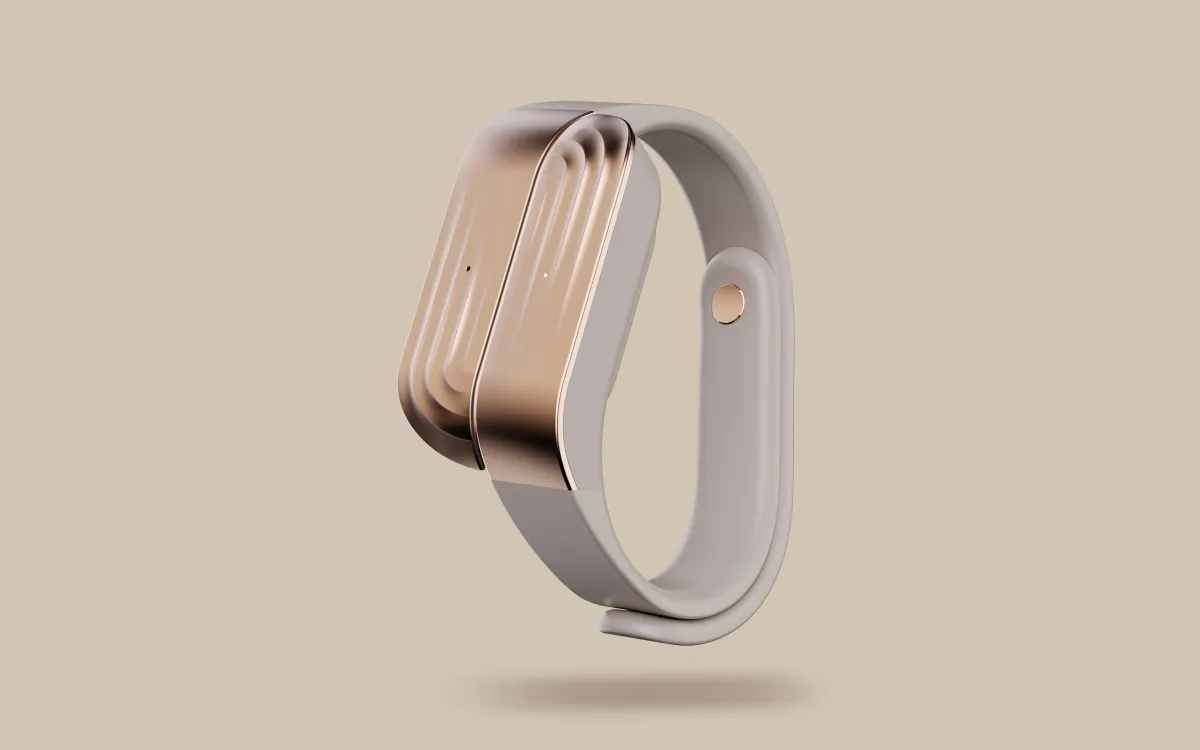
Clair Health تجمع 11.6 مليون دولار لتتبع الهرمونات عبر جهاز قابل للارتداء
أعلنت شركة Clair Health الناشئة عن جمع تمويل بقيمة 11.6 مليون دولار لتطوير جهاز قابل للارتداء يُحدث نقلة نوعية في مجال تتبع الهرمونات الأنثوية. الجهاز الذي يشبه الإكسسوار الأنيق يعد بتقديم رؤى فورية ح

ترقية مجانية لـ GTA V على PS5 وXbox Series X قبل إطلاق GTA VI
أعلنت Rockstar Games عن ترقية مجانية للعبة Grand Theft Auto V تتيح لأصحاب النسخ القديمة الانتقال إلى إصدار PlayStation 5 وXbox Series X/S دون أي تكلفة إضافية، وذلك قبل أشهر قليلة من الموعد المرتقب لإط
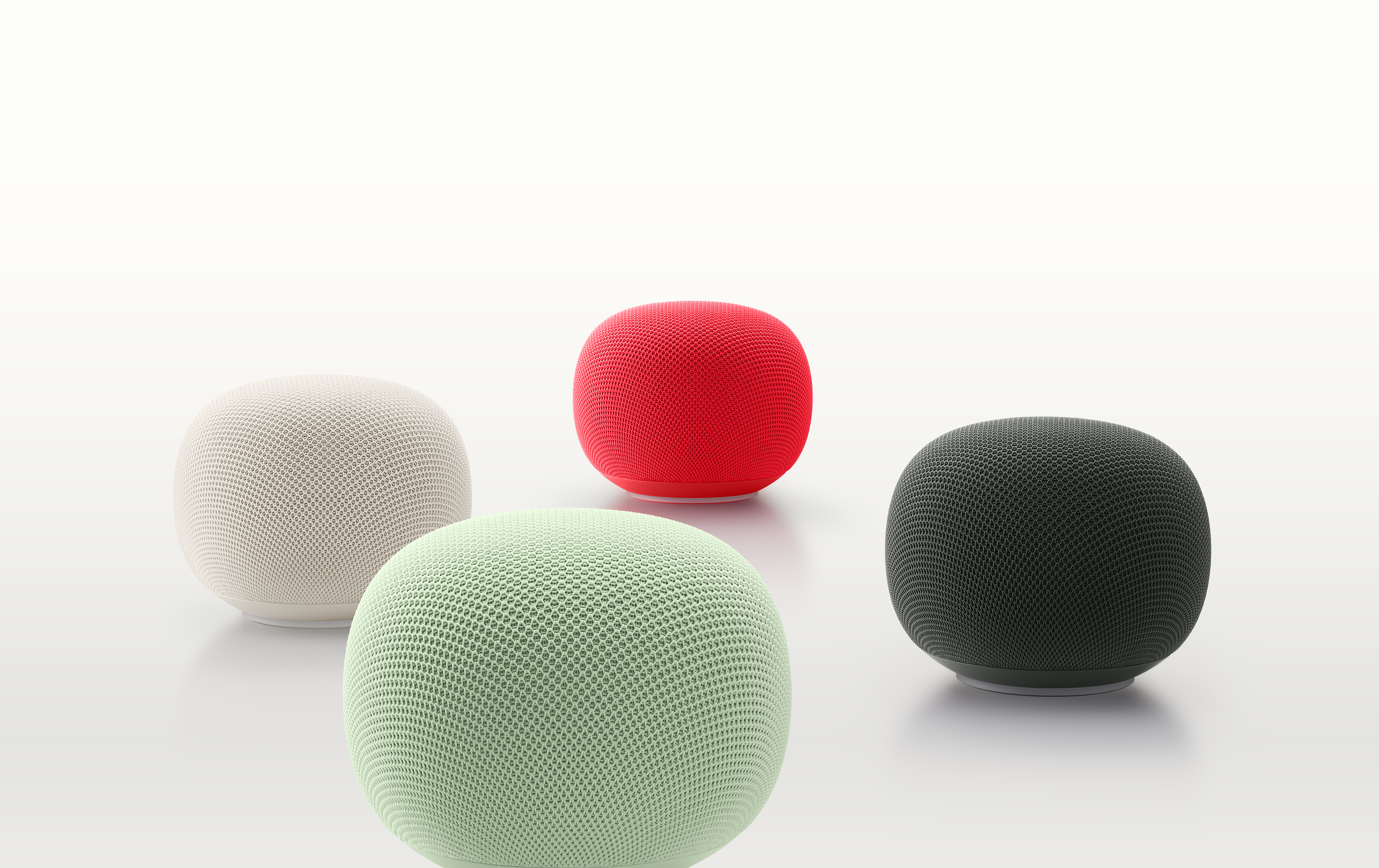
Google تعيد اختراع السماعات الذكية: Google Home Speaker بتقنية Gemini AI بسعر 99 دولاراً
أعلنت Google عن إطلاق Google Home Speaker، أول سماعة ذكية مستقلة من الشركة منذ خمس سنوات، مدمج فيها نظام الذكاء الاصطناعي Gemini بسعر 99.99 دولاراً. يمثل هذا الإطلاق تحولاً جذرياً في فلسفة السماعات ال

تيليغرام تقاضي الهند بعد حظر التطبيق: معركة حرية التعبير تصل للمحاكم
في تصعيد قانوني غير مسبوق، رفعت شركة تيليغرام دعوى قضائية أمام محكمة دلهي العليا ضد قرار الحكومة الهندية بحظر التطبيق على مستوى البلاد، معتبرةً أن هذا الإجراء ينتهك الحقوق الدستورية لـ 150 مليون مستخد
اقرأ أيضاً

ITG تستعد لطرح عام بقيمة 429 مليون دولار في بورصة ناسداك مع تنامي الطلب على مراكز البيانات
تستعد شركة ITG للبنية التحتية الرقمية لتنفيذ طرح عام أولي في بورصة ناسداك الأمريكية بهدف جمع ما يصل إلى 429.3 مليون دولار، في خطوة تعكس الزخم الاستثماري المتصاعد نحو قطاع مراكز البيانات والاتصال الشبك

Getty Images تُبرم شراكة متعددة السنوات مع OpenAI لعرض صورها في ChatGPT
أعلنت Getty Images عن شراكة متعددة السنوات مع OpenAI تُتيح لمستخدمي ChatGPT ومحرك البحث المدمج فيه الوصول إلى مكتبة الصور والفيديوهات المرخصة التابعة للشركة. الاتفاقية تمثّل تحوّلاً استراتيجياً مفاجئا

4 ميزات مخفية في هواتف Pixel لا تُفعّلها Google تلقائياً
تتبنى Google فلسفة "الحد الأدنى" في تصميم هواتف Pixel، لكن هذا لا يعني أن جميع الميزات القوية متاحة فور إخراج الهاتف من علبته. بل إن بعض أفضل ميزات Pixel المخفية تنتظر من يكتشفها ويُفعّلها يدوياً — وG