Big Tech AI Spending Hits $725 Billion in 2026
Key Takeaways
- Combined capex from Google, Amazon, Microsoft, and Meta reaches $725 billion in 2026, up 77% from $410 billion in 2025
- Microsoft and Alphabet each guide to $190 billion in capex, with $25 billion of Microsoft's figure tied to rising memory chip costs
- Google Cloud grew 63% year over year to $20 billion quarterly revenue, outpacing AWS and Azure growth rates
The Numbers Behind the Spending Surge
The four largest U.S. tech companies plan to spend $725 billion on capital expenditures in 2026. That figure, compiled by the Financial Times from first-quarter earnings, marks a 77% jump from the $410 billion they spent in 2025.
"The AI economy is healthy," Brent Thill, an analyst at Jefferies, told the Financial Times. "The bear thesis is garbage."
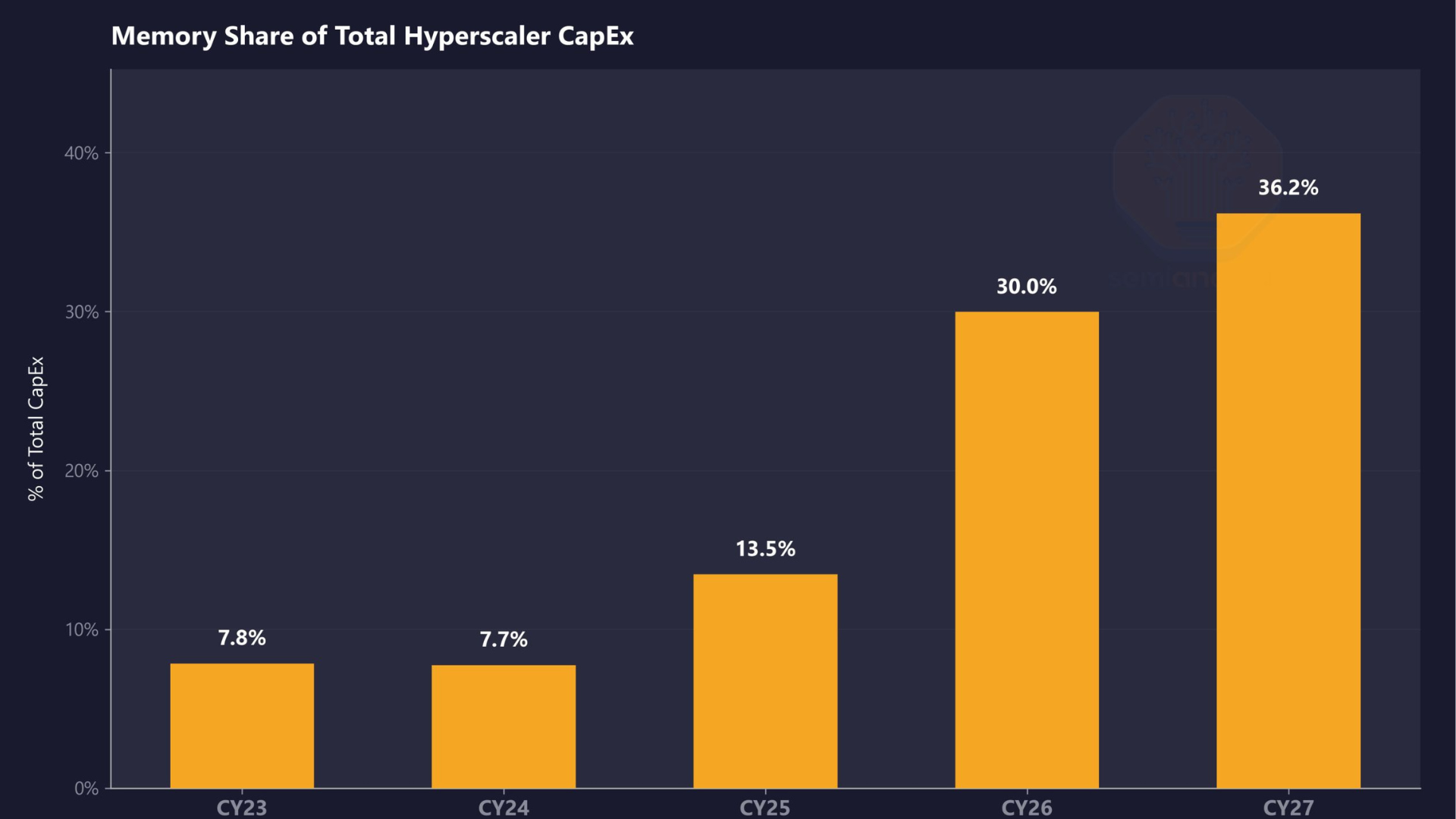
Microsoft set its calendar-year 2026 capex at $190 billion, well above the $152 billion analyst estimate. CFO Amy Hood attributed $25 billion of that to rising memory chip and component costs. She told investors Microsoft expects to remain capacity-constrained through at least 2026 as it works to bring GPU, CPU, and storage infrastructure online faster.
Alphabet matched Microsoft's guidance at $190 billion, raising its previous target by $5 billion. The company's shares climbed 7% after hours, putting it on track for a record $4.3 trillion market valuation.
Meta Raises Guidance by $10 Billion
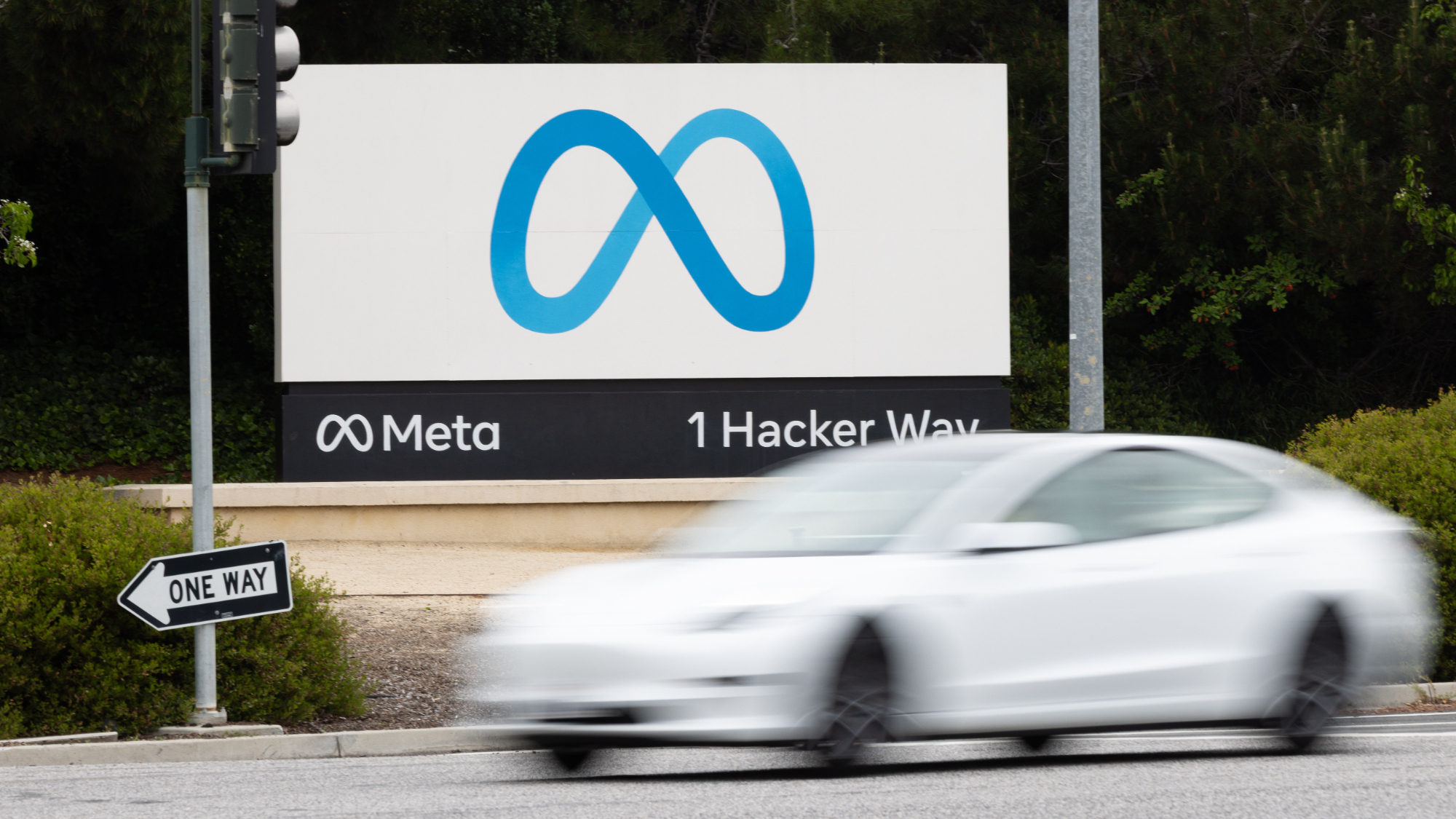
Meta increased its full-year projection by $10 billion to a range topping $145 billion. The company cited higher component pricing for memory and growing competition for land, power, and skilled workers needed to build data centers. Revenue grew 33% to $56.3 billion.
“Investors continue to be concerned about how Zuckerberg's once capital-light money machine may be morphing into a capital-intensive incinerator.”
— Dec Mullarkey, Managing Director at SLC Management
CEO Mark Zuckerberg offered no firm schedule for releasing improved AI models to follow the recently launched Muse Spark.
Google Cloud Outpaces Rivals
Alphabet posted an 81% increase in net income to $62.6 billion on revenue of $110 billion. Google Cloud reached $20 billion in quarterly revenue, growing 63% year over year.
That growth rate outpaced both Amazon Web Services ($37.6 billion total, adding $8.3 billion year over year) and Microsoft's Azure-driven cloud segment ($34.7 billion total, adding $7.9 billion).
| Cloud Provider | Q1 Revenue | YoY Growth |
|---|---|---|
| Google Cloud | $20.0B | 63% |
| AWS | $37.6B | +$8.3B |
| Azure | $34.7B | +$7.9B |
Google Cloud's contract backlog reached $460 billion, roughly double the $240 billion reported at the end of Q4 2025. Google Cloud boss Thomas Kurian credited the company's strategy of building custom AI chips, foundation models, and products in-house for giving it a cost and research advantage over competitors.
Why Memory Chips Are Driving Costs
Rising memory chip prices appear across multiple earnings reports. Microsoft attributed $25 billion of its spending increase to memory and components. Meta cited higher component pricing as one reason for its $10 billion guidance raise.
High-bandwidth memory (HBM), used in AI accelerators, remains in tight supply. Nvidia's GPUs require large quantities of HBM, and the three major memory manufacturers (Samsung, SK Hynix, and Micron) cannot yet meet demand.
Samsung's record profits tie directly to the memory chip demand driving Big Tech's higher capex
Investor Concerns Remain
Not everyone shares analyst Thill's optimism. Dec Mullarkey of SLC Management noted that investors are uneasy with Meta's escalating infrastructure costs. The company has historically been capital-light compared to hardware manufacturers or traditional infrastructure businesses.
Microsoft's acknowledgment that it will remain capacity-constrained through 2026 suggests that even $190 billion may not be enough to meet AI compute demand. The company is racing to bring GPU, CPU, and storage infrastructure online while demand for Azure AI services continues to grow.

Logicity's Take
Frequently Asked Questions
How much are Big Tech companies spending on AI infrastructure in 2026?
Google, Amazon, Microsoft, and Meta plan to spend a combined $725 billion on capital expenditures in 2026, up 77% from $410 billion in 2025.
Which cloud provider is growing fastest?
Google Cloud grew 63% year over year to $20 billion in quarterly revenue, outpacing AWS and Azure's absolute dollar growth despite being smaller overall.
Why is Big Tech spending so much on data centers?
Rising memory chip prices, competition for land and power, and the need to meet AI compute demand are driving higher infrastructure spending across all major tech companies.
What is driving memory chip price increases?
High-bandwidth memory (HBM) required for AI accelerators remains in tight supply. Microsoft attributed $25 billion of its capex increase to memory and component costs.
Need Help Implementing This?
Source: Latest from Tom's Hardware
Manaal Khan
Tech & Innovation Writer
اقرأ أيضاً

كيف تستخدم JavaScript Fetch API: إرسال الطلبات ومعالجة الأخطاء وإلغاء الاتصالات
تُعدّ JavaScript Fetch API الأداة المدمجة لإجراء طلبات HTTP في المتصفحات الحديثة وبيئة Node.js بدءاً من الإصدار 18. تعتمد هذه الواجهة على Promises، مما يُتيح لك استخدام سلسلة .then() أو صيغة async/awa

دليل إعداد PHP-FPM مع Nginx على Ubuntu خطوة بخطوة
يُعدّ الجمع بين PHP-FPM مع Nginx الطريقة المعيارية لتشغيل تطبيقات PHP على خوادم Nginx، إذ لا يمتلك Nginx وحدة PHP مدمجة كما هو الحال مع mod_php في Apache. بدلاً من ذلك، يتولى Nginx تقديم الملفات الثاب
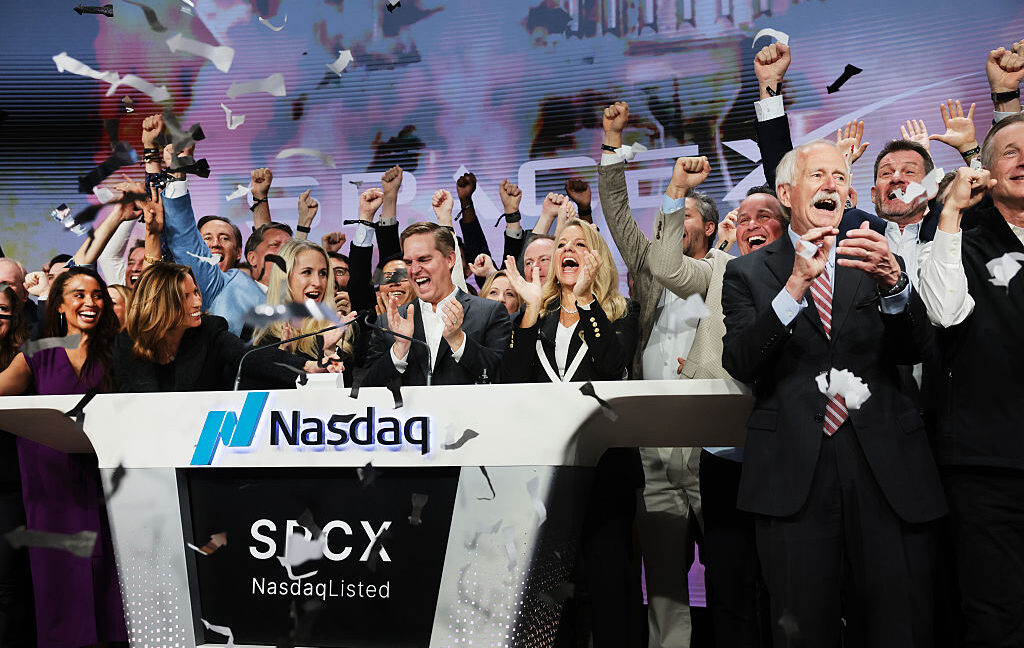
مستثمرون صينيون اشتروا سراً حصصاً في SpaceX قبل الطرح العام
كشفت وثائق محكمة أمريكية أن مستثمرين صينيين وروس استحوذوا سراً على حصص في شركة SpaceX قبل سنوات من طرحها العام، وذلك عبر شركة وسيطة مقرها الولايات المتحدة، في وقت تبني فيه شركة إيلون ماسك أقماراً تجسس